Cite
MLA
“Nagari and Devanagari.” Hindu History, 2026, https://www.hinduhistory.in/lipi/devanagari-script/. Accessed .
APA
Hindu History. (2026). Nagari and Devanagari. Retrieved , from https://www.hinduhistory.in/lipi/devanagari-script/
धर्मक्षेत्रे कुरुक्षेत्रे समवेता युयुत्सवः
dharmakṣetre kurukṣetre samavetā yuyutsavaḥ
01The headline appears
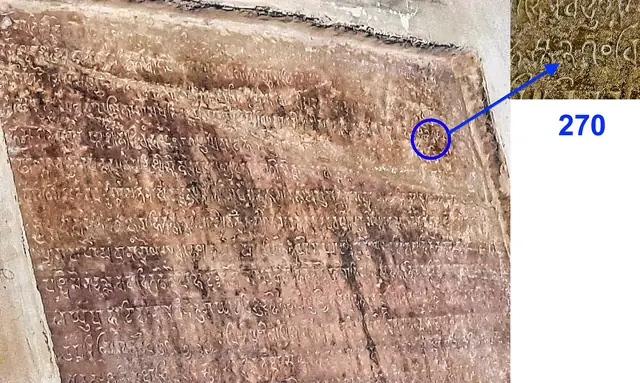
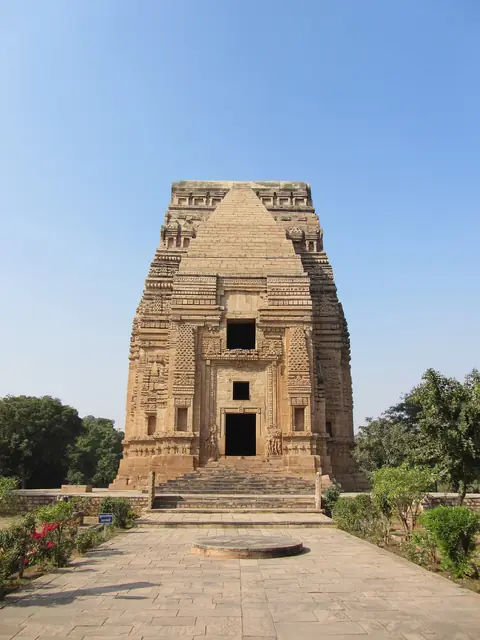
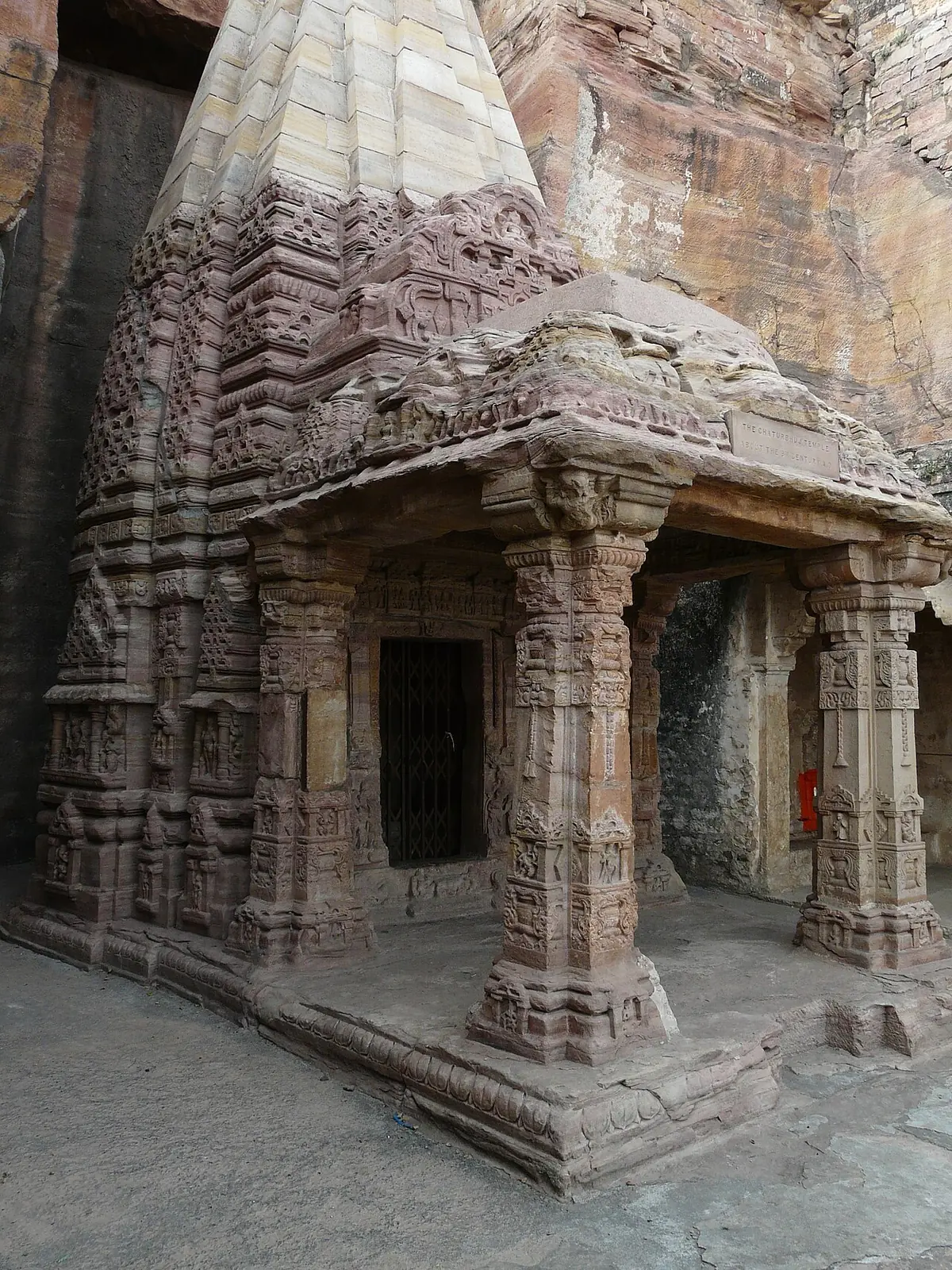
The small wedges on top of Siddham letters slowly joined into a single bar, and by the 8th century scribes in Gujarat, Rajasthan and the Ganga plain were writing a script recognisably Nagari. On a rock wall of the Chaturbhuj temple in Gwalior fort, an inscription of 876 CE records a garden grant of 270 hastas, and the zero in that number is written as a small circle. By the 11th century the Paramara and Chandela records look much like the letters on this page.
02The script of the shastras
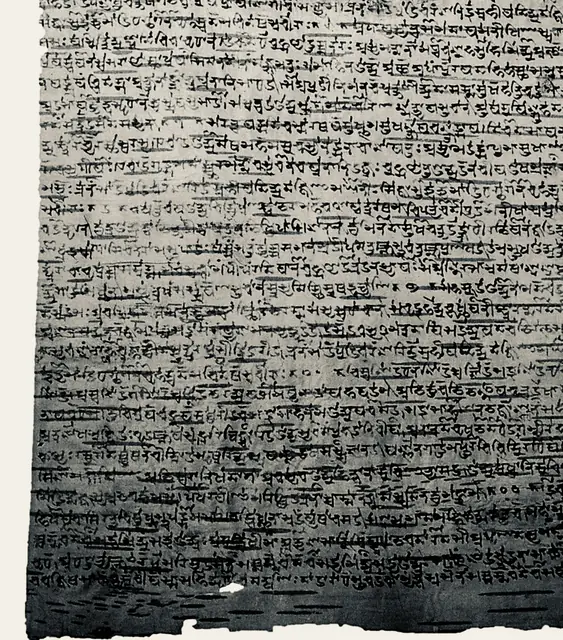
Over the following centuries Nagari became the common script for Sanskrit across north and central Bharat. Pothis of the Vedas, Puranas and Gita were copied in it in Kashi, Mithila, Rajasthan and Maharashtra; the Rigveda manuscripts of the Bhandarkar Oriental Research Institute in Pune, inscribed in UNESCO’s Memory of the World register in 2007, are mostly in Devanagari. When Sanskrit went into print in the 19th century, Devanagari type made it the script most people now link with Sanskrit.
03Today
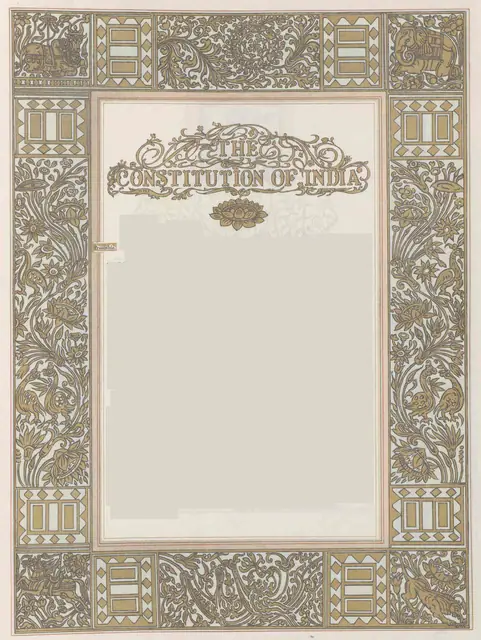
Article 343 of the Constitution makes Hindi in the Devanagari script the official language of the Union. Marathi, Nepali, Konkani, Maithili, Dogri, Bodo and Sindhi in India are also written in it, and so is Sanskrit almost everywhere. Nepal uses it for its national language, and Sanskrit students from Kerala to Kashmir learn it first. The script you are reading has changed very little since the Gwalior stone-cutter worked.