Cite
MLA
“Assamese (Asamiya).” Hindu History, 2026, https://www.hinduhistory.in/lipi/assamese-language/. Accessed .
APA
Hindu History. (2026). Assamese (Asamiya). Retrieved , from https://www.hinduhistory.in/lipi/assamese-language/
01Kandali’s Ramayana
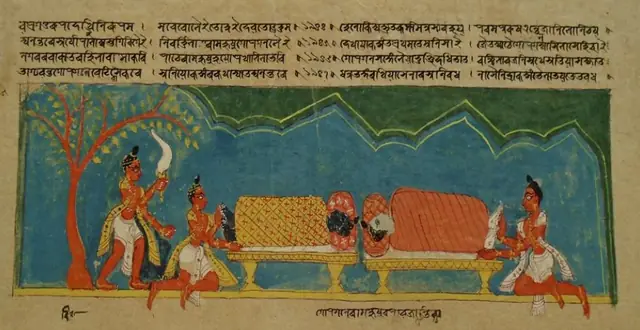
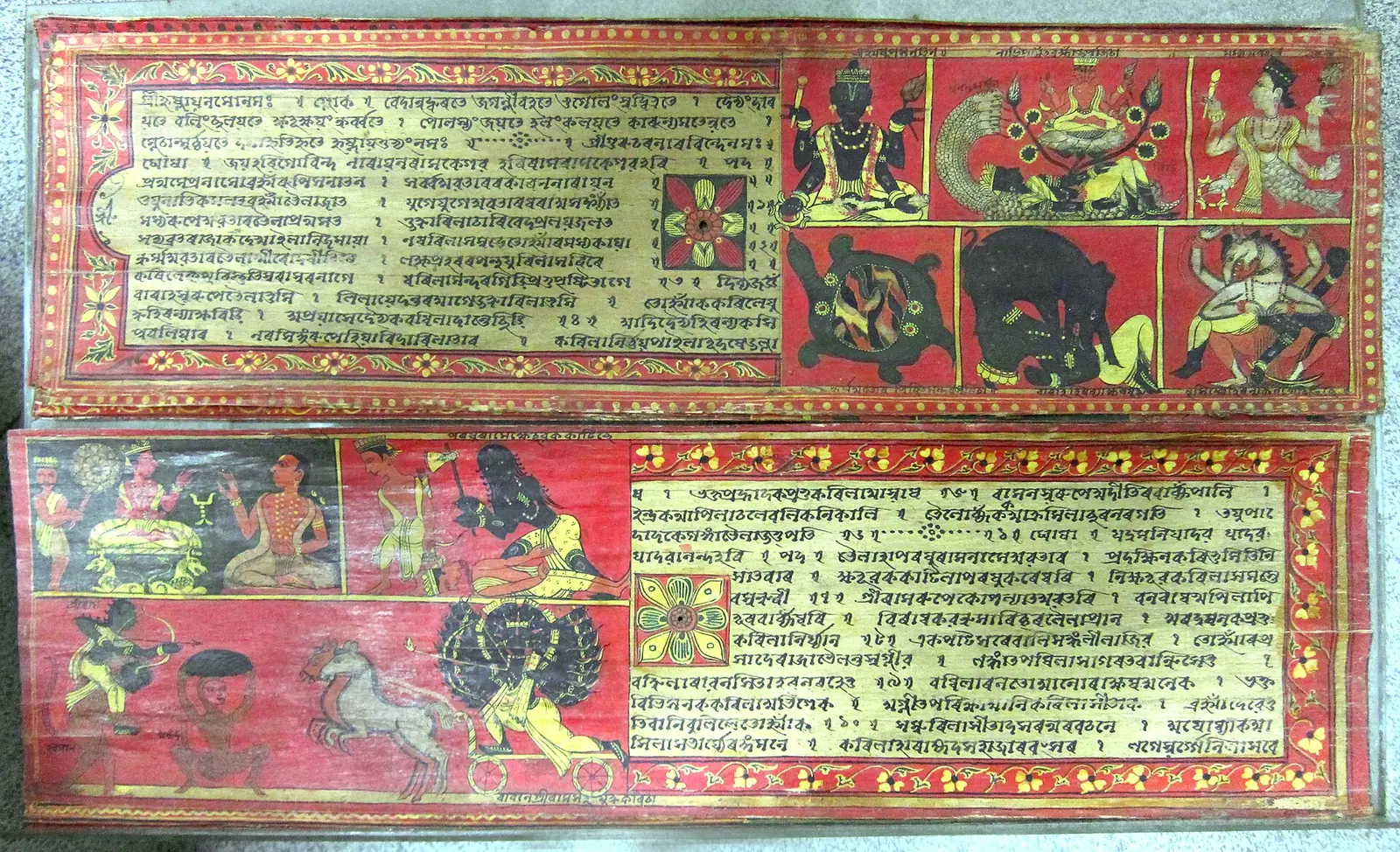
The earliest Assamese poems come from the small courts of medieval Assam: Hema Saraswati’s Prahlada Charita, written at the Kamata court in the west, and in the 14th century Madhava Kandali’s Saptakanda Ramayana, written for the Barahi king Mahamanikya. It is one of the first renderings of Valmiki’s Ramayana into a modern Indo-Aryan language, and Sankardev himself later praised Kandali as his forerunner.
02Sankardev and the satras
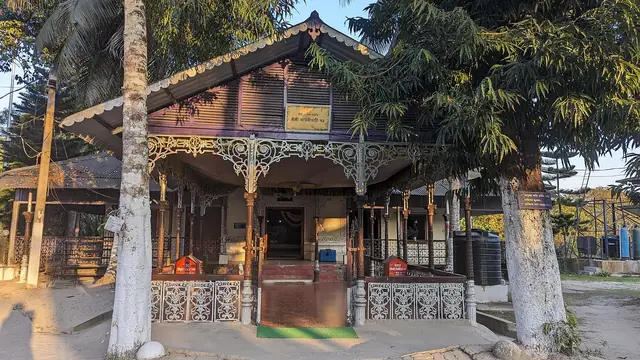
Srimanta Sankardev, born in 1449, taught Ekasarana bhakti to Bhagwan Krishna and gave it a language. He wrote Borgeets, devotional songs still sung in the namghars; Ankiya Naat, one-act plays performed as Bhaona; and a Kirtan Ghosha that every household reads. His disciple Madhavdev continued the work. The satras he and his followers founded, many on the river island of Majuli, are still the centres of this tradition.
03Buranjis and today
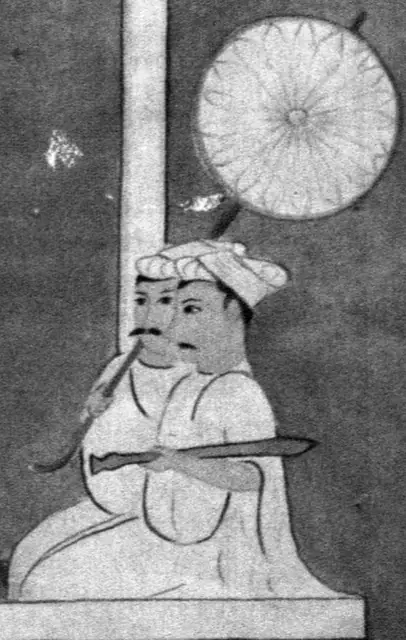
The Ahom kings, who held Assam for six centuries, had their chronicles, the buranjis, written first in Tai Ahom and later in Assamese prose, rare among Indian languages of the time. Under the East India Company, Bengali was made the language of Assam’s courts and schools in 1836; Assamese was restored in 1873. Assamese was declared a classical language in October 2024, and the 2011 Census counted 1,53,11,351 speakers.