Cite
MLA
“Prakrits: Pali, Ardhamagadhi, Maharashtri.” Hindu History, 2026, https://www.hinduhistory.in/lipi/prakrits/. Accessed .
APA
Hindu History. (2026). Prakrits: Pali, Ardhamagadhi, Maharashtri. Retrieved , from https://www.hinduhistory.in/lipi/prakrits/
मनोपुब्बङ्गमा धम्मा मनोसेट्ठा मनोमया
manopubbaṅgamā dhammā manoseṭṭhā manomayā
01The king’s plain speech
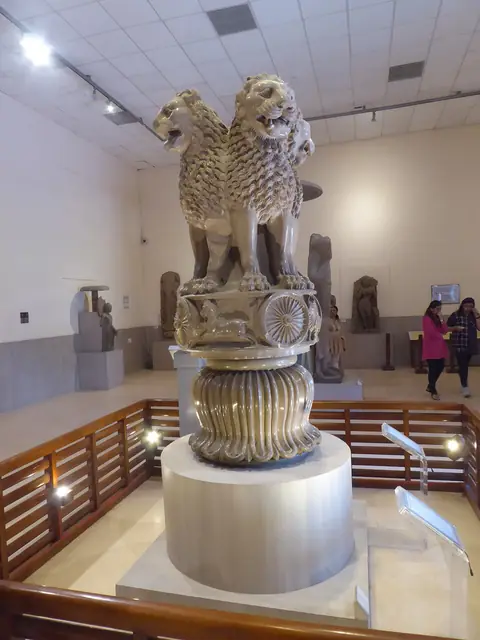
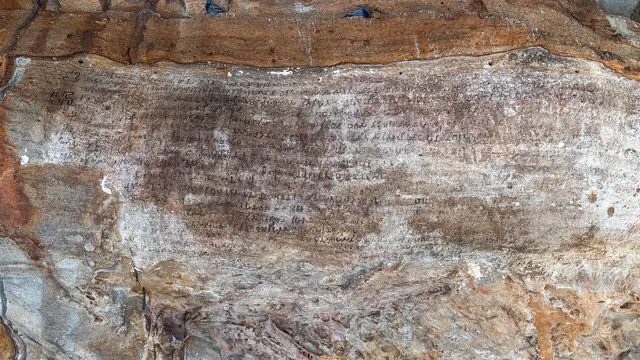
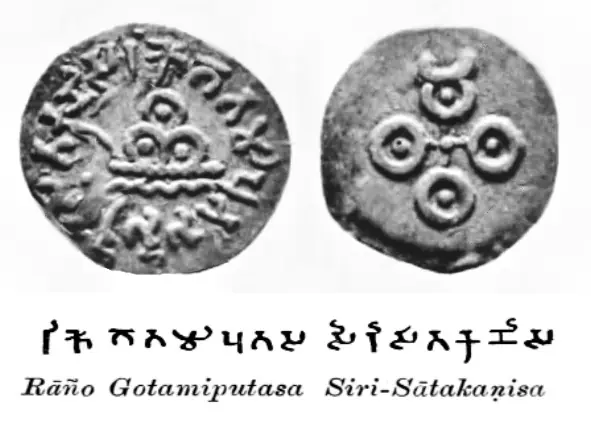
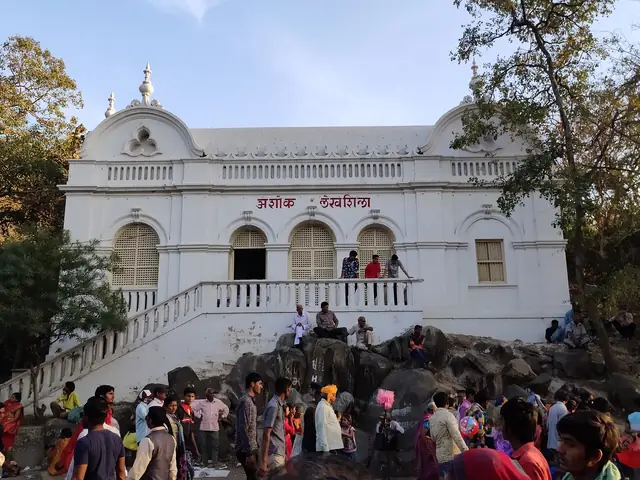
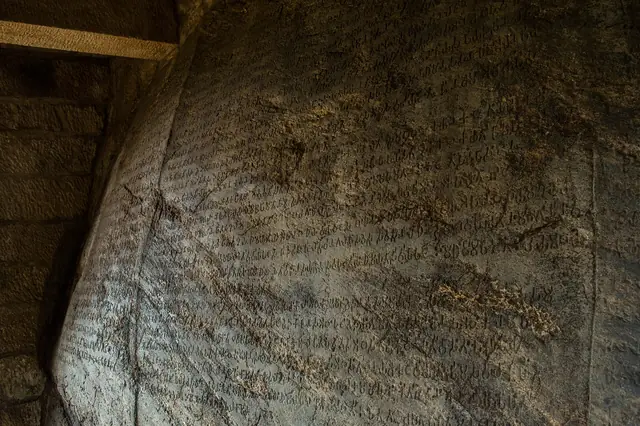
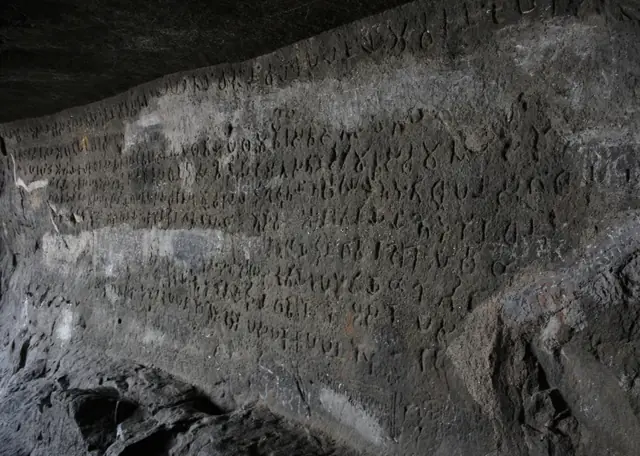
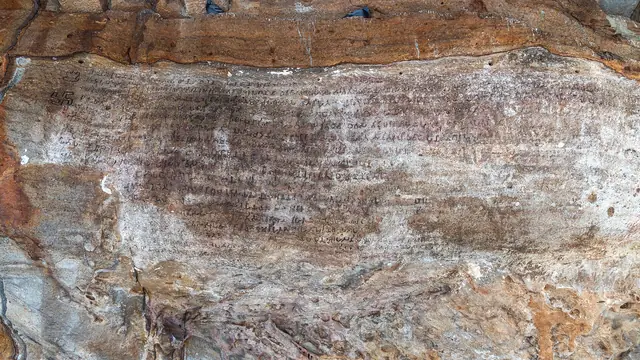
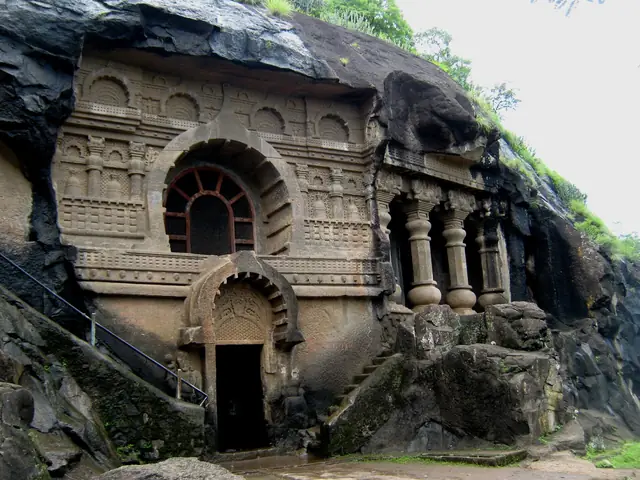
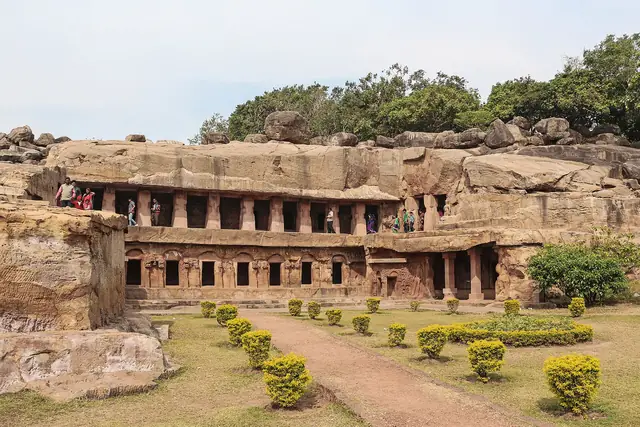
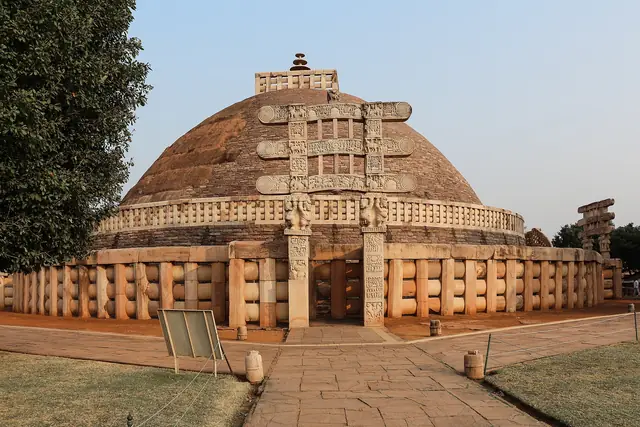
Ashoka did not write his edicts in Sanskrit. At Dhauli and Jaugada the language is eastern, with l for r, so that raja becomes laja; at Girnar it is western; at Shahbazgarhi it is the Gandhari of the northwest. The Satavahanas at Nanaghat and Nasik, and Kharavela in the Hathigumpha cave at Udayagiri, also wrote in Prakrit. For four centuries it, not Sanskrit, was the language of Indian inscriptions.
02Pali and Ardhamagadhi
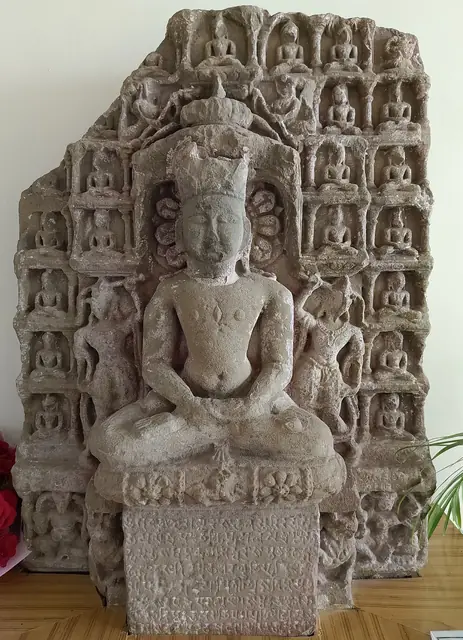
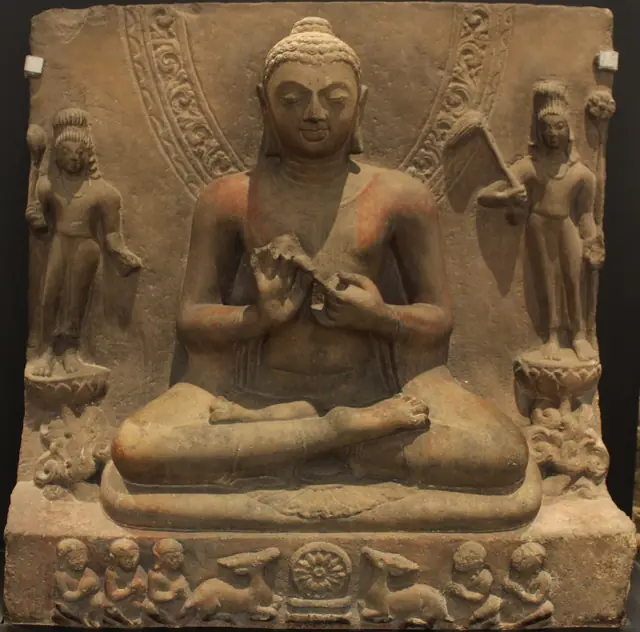
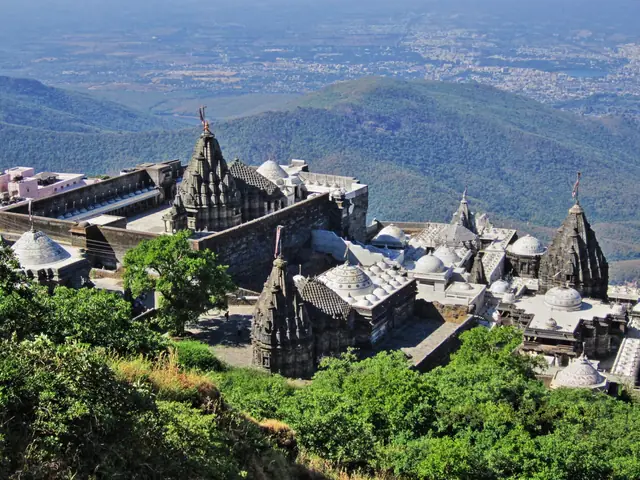
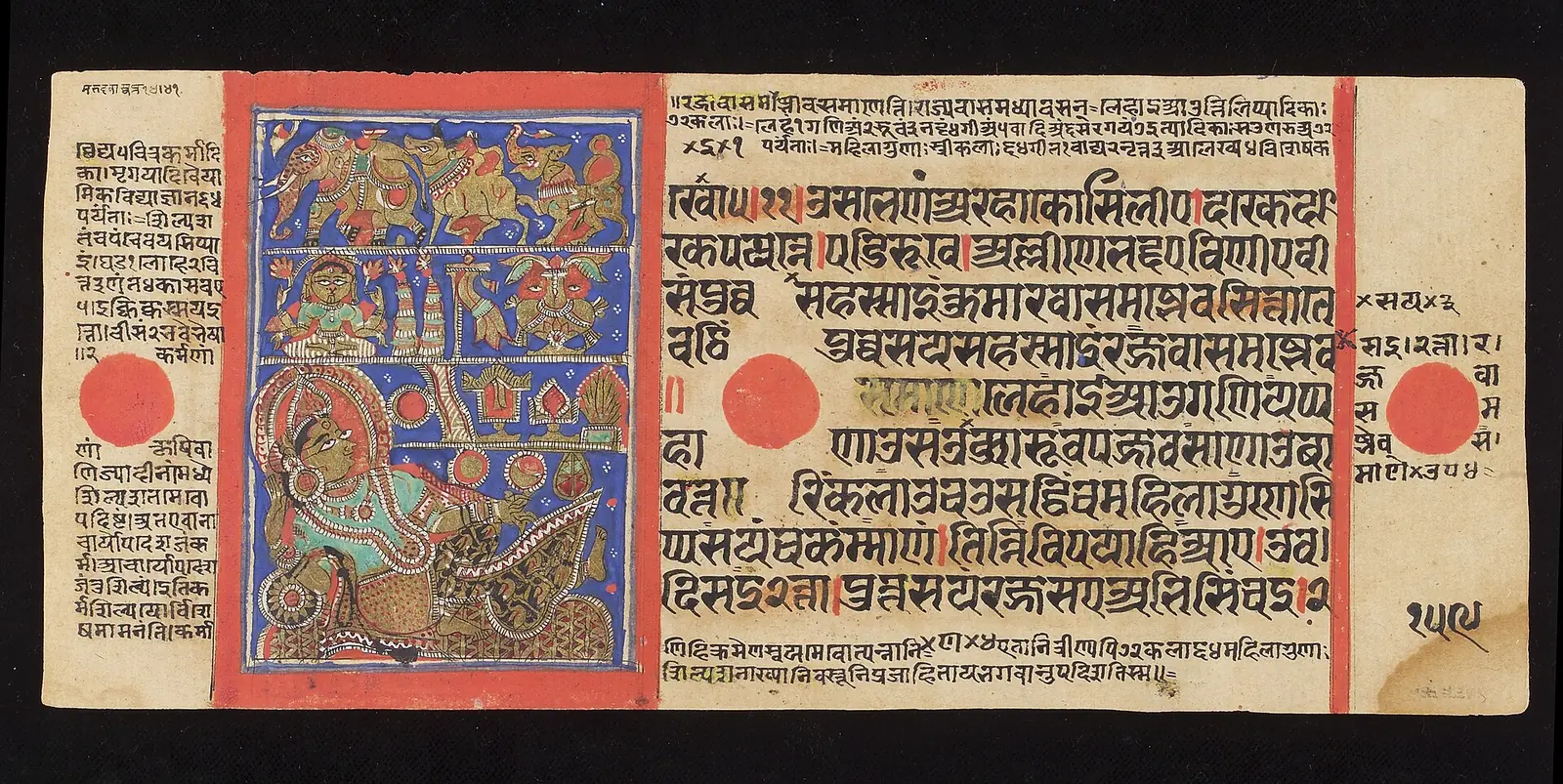
The Theravada canon is in Pali. The Mahavamsa records that it was first written down on palm leaf at the Aluvihara in Lanka in the reign of Vattagamani Abhaya, in the 1st century BCE. The Shvetambara Jain Agamas are in Ardhamagadhi, the language in which, Jain tradition holds, Bhagwan Mahavira taught; they were fixed in writing at the council of Valabhi under Devarddhi Gani, in the 5th century CE. Digambara works use Shauraseni Prakrit.
03Maharashtri and the stage
Maharashtri was the Prakrit of lyric poetry. The Gaha Sattasai, seven hundred short verses on love and village life, is attributed to the Satavahana king Hala. In Sanskrit drama, by convention, kings and Brahmins speak Sanskrit while women, children and most other characters speak Prakrit, Shauraseni in prose and Maharashtri in song, so Kalidasa’s Shakuntala speaks Prakrit to her friends. Grammarians from Vararuchi to Hemachandra wrote grammars of these languages.
04Classical status, 2024
Pali is still chanted in Buddhist viharas from Lanka to Myanmar and Thailand, and Ardhamagadhi and Shauraseni sutras are recited daily by Jain monks and householders. In October 2024 the Government of India declared both Pali and Prakrit classical languages, along with Marathi, Bengali and Assamese, which grew out of the Prakrits. Universities and Jain institutions run courses in both, and new editions of the Agamas and the Pali canon continue to appear.