Cite
MLA
“Brahmi.” Hindu History, 2026, https://www.hinduhistory.in/lipi/brahmi-script/. Accessed .
APA
Hindu History. (2026). Brahmi. Retrieved , from https://www.hinduhistory.in/lipi/brahmi-script/
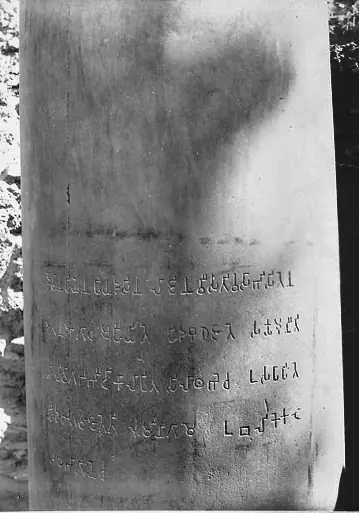
𑀤𑁂𑀯𑀸𑀦𑀧𑀺𑀬𑁂𑀦 𑀧𑀺𑀬𑀤𑀲𑀺𑀦 𑀮𑀸𑀚𑀺𑀦
devānapiyena piyadasina lājina
01Ashoka’s letters
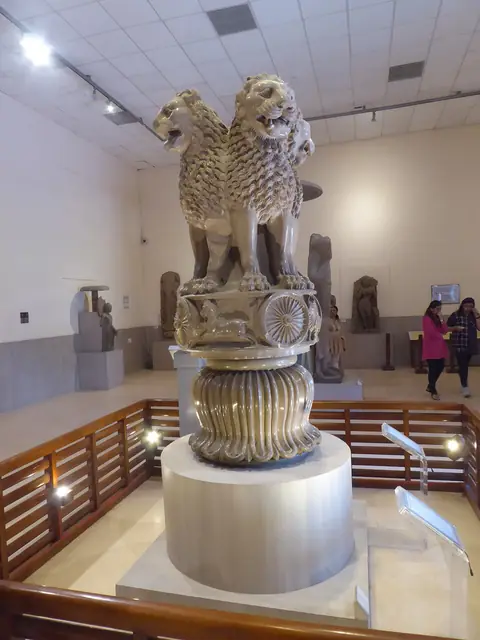
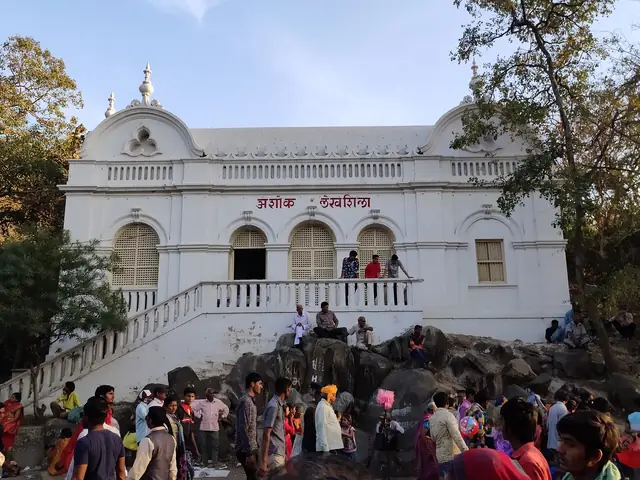
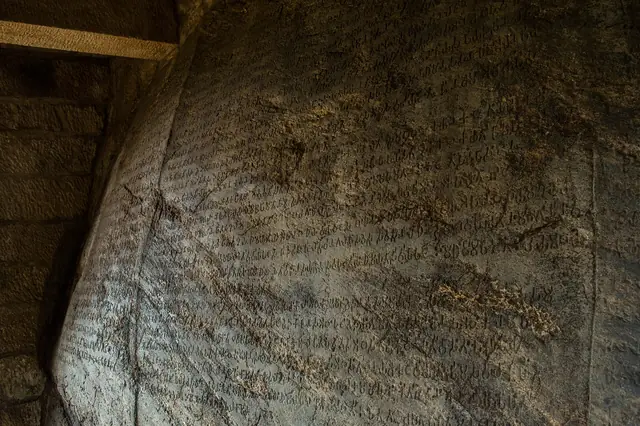
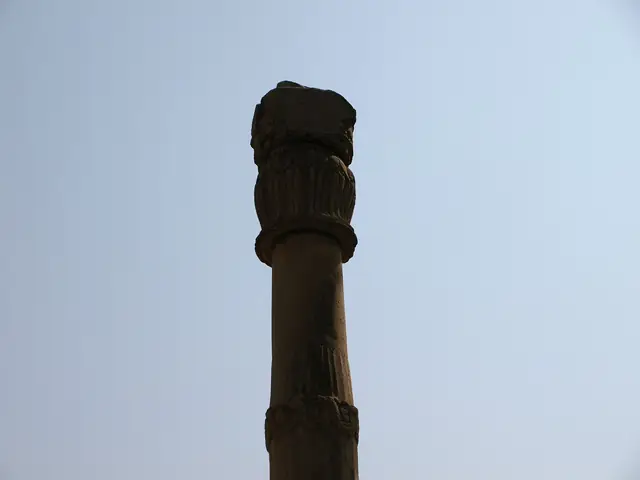
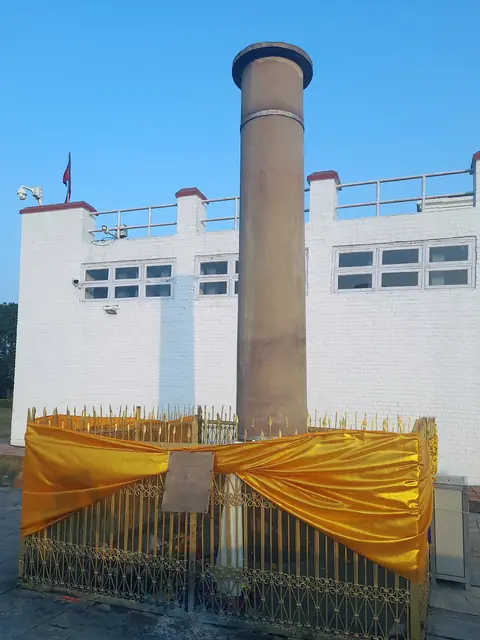
Around 260 BCE Ashoka had his dhamma messages cut on rocks and polished pillars across his empire, from Girnar to Dhauli, Lumbini to Brahmagiri. Outside the far northwest they are in Brahmi, written left to right, every consonant carrying an inherent a and the other vowels added as small marks. That system, the akshara, is still how Devanagari, Tamil, Bengali and Kannada work. Jain tradition names the script after Brahmi, daughter of Bhagwan Rishabhadeva, to whom he taught writing. Its deeper origin is debated: some scholars derive it from a Semitic alphabet, others hold it was made in Bharat.
02Older than Ashoka?
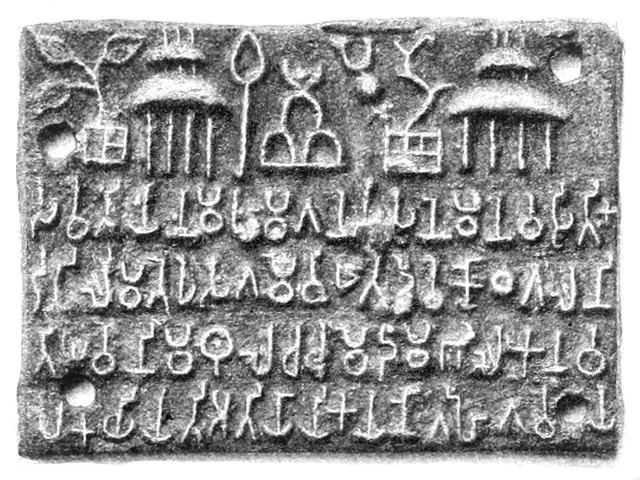
Potsherds with Brahmi letters from Anuradhapura in Lanka and from Keezhadi in Tamil Nadu have been dated by their excavators to before Ashoka. Those dates are still argued over. What is certain is that by the Maurya age the script was already standard across a huge area, which suggests it had been in use for some time. The Sohgaura copper plate from Gorakhpur district, in Brahmi, is also of the Maurya period.
03Prinsep reads it, 1837
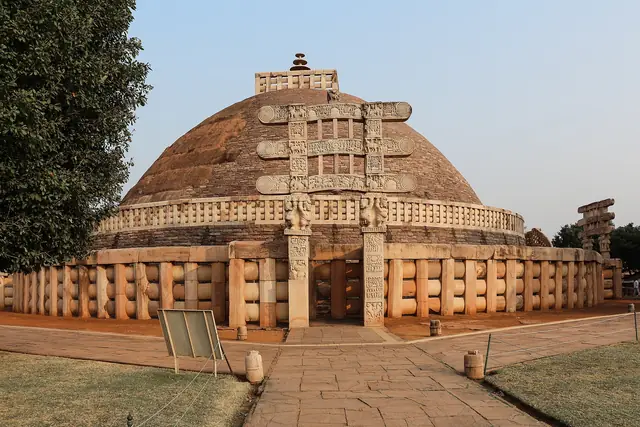
For centuries no one in Bharat could read Ashoka’s letters; Firoz Shah Tughlaq moved two of his pillars to Delhi in the 14th century and found no one to read them. In 1837 James Prinsep of the Asiatic Society in Calcutta cracked it. He noticed that dozens of short donor inscriptions at Sanchi ended with the same two letters and guessed they spelled danam, gift. From there the alphabet fell into place. The king who called himself Devanampiya Piyadasi was then matched with Ashoka through the Lankan chronicle Dipavamsa.