Cite
MLA
“Niccolao Manucci.” Hindu History, 2026, https://www.hinduhistory.in/sakshi/niccolao-manucci/. Accessed .
APA
Hindu History. (2026). Niccolao Manucci. Retrieved , from https://www.hinduhistory.in/sakshi/niccolao-manucci/
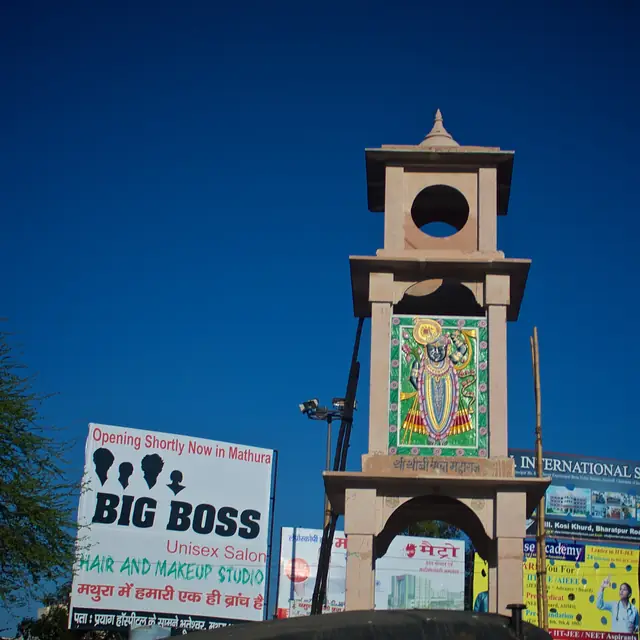
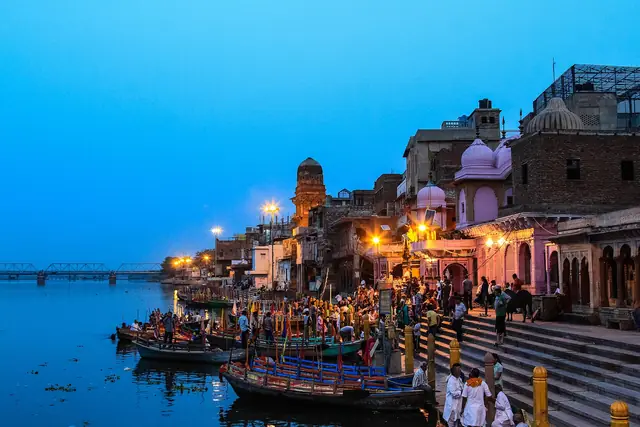
Among others was destroyed the great temple of Matora (Mathura), which was of such a height that its gilded pinnacle could be seen from Agrah, eighteen leagues away.
The route
What defines it
- 01
Landed at Surat, January 1656, aged about seventeen
- 02
Gunner for Dara Shikoh; artillery commander for Jai Singh
- 03
Witness to Shivaji’s terms at Purandar, 1665
- 04
Aurangzeb’s order to destroy temples; Mathura’s gilded spire
- 05
Gossip and wrong dates, but sound on main events
01Gunner, physician, survivor
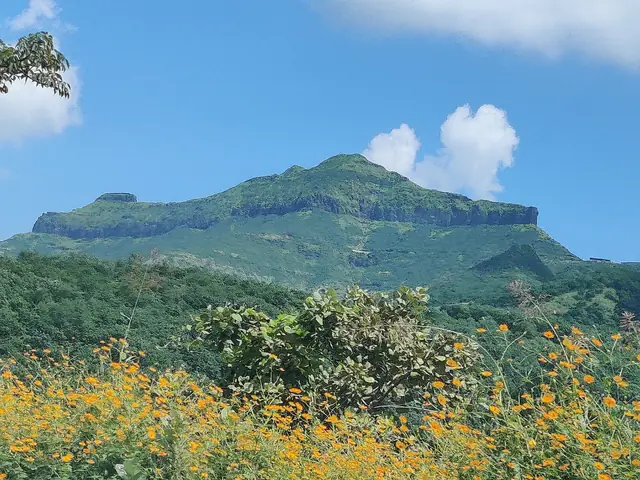
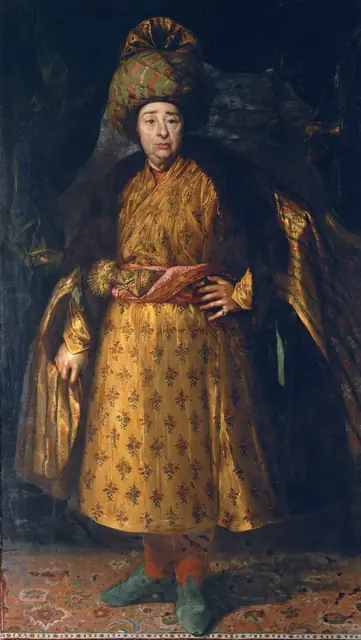
Manucci slipped away from Venice as a boy, attached himself to the English envoy Lord Bellomont, and landed at Surat in January 1656; William Irvine, his editor, corrects Manucci’s own date. Bellomont died on the road that year near Hodal, and the young Venetian took service in Dara Shikoh’s artillery, fought at Samugarh in 1658, and followed Dara’s fortunes until his fall. He then served Raja Jai Singh of Amber, commanding his artillery in the Deccan campaign of 1665 that forced Shivaji to terms at Purandar. Later he set up as a physician, at Lahore and elsewhere, attended Shah Alam’s household, and finally settled on the Coromandel coast at Madras, where he married. He is said to have died in 1717; the date is not certain.
02Aurangzeb and the temples
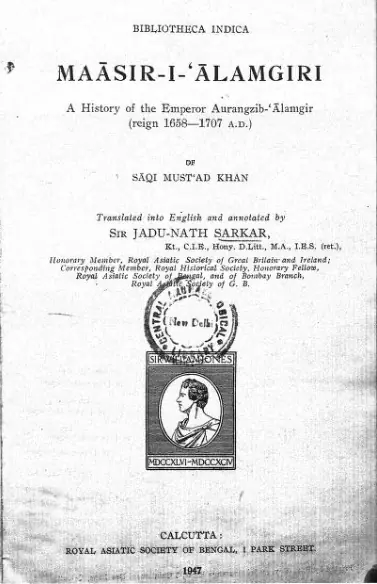
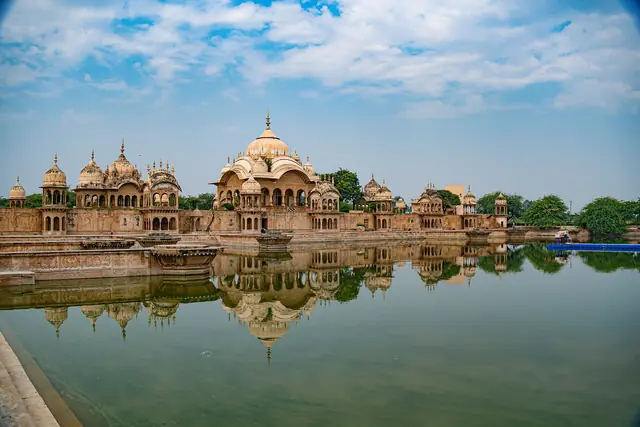
Manucci tells of the turn in Aurangzeb’s reign from the inside. He says the emperor declared open war on Hinduism, ordered the destruction of a fine temple near Delhi and then ordered every viceroy and governor to destroy all temples within his jurisdiction. Among them, he writes, was the great temple of Mathura, so tall that its gilded pinnacle could be seen from Agra eighteen leagues away, and a mosque was to be raised in its place. He adds that Aurangzeb expelled the yogis and sannyasis, removed Hindus from high office at court, and forbade the Hindu spring festival. The court chronicle Maasir-i-Alamgiri records the same in the emperor’s own terms: the order of April 1669 to demolish the temples and schools of the infidels, and the destruction of the Keshava Deva temple at Mathura in January 1670.
03A storyteller to be checked
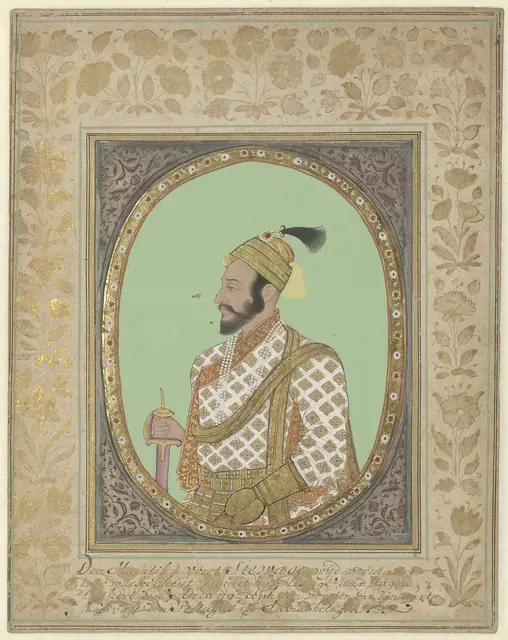
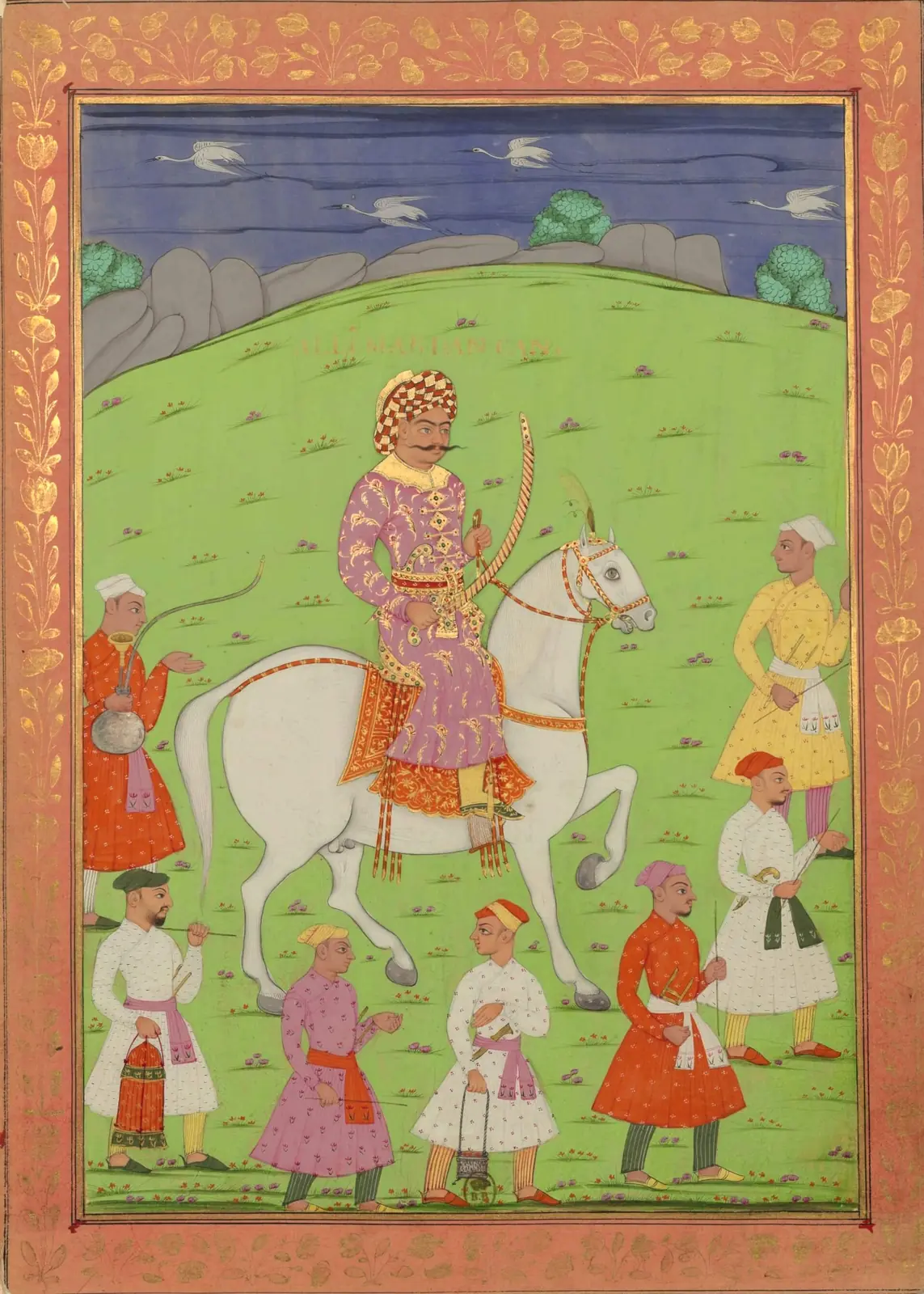
Manucci wrote the Storia do Mogor in old age, in a mix of Portuguese, French and Italian, and sent it to Europe in parts. A Jesuit, François Catrou, used part of it for a book of his own in 1705, and the whole was only published in English by Irvine in 1907–08. He loved scandal, especially about the Jesuits and about women of the harem, repeats bazaar talk as fact, and gets dates wrong, as with his own arrival. Where he can be checked against the Persian chronicles, as on the temple orders, the Deccan wars and the war of succession, he usually holds up in substance. He also had a set of portraits of the Mughal rulers and nobles painted by Indian artists for his book; they survive in Paris and Venice.
In the texts
- Storia do Mogor (written c. 1699–1709)
- William Irvine (tr.), Storia do Mogor, or Mogul India 1653–1708 (London, 1907–08), 4 vols.