Cite
MLA
“Duarte Barbosa.” Hindu History, 2026, https://www.hinduhistory.in/sakshi/duarte-barbosa/. Accessed .
APA
Hindu History. (2026). Duarte Barbosa. Retrieved , from https://www.hinduhistory.in/sakshi/duarte-barbosa/
the King allows such freedom that every man may come and go and live according to his own creed, without suffering any annoyance and without enquiry whether he is a Christian, Jew, Moor or Heathen.
The route
What defines it
- 01
Spoke Malayalam fluently; scrivener at Cannanore
- 02
Gujarati Banias ransoming animals and the condemned
- 03
Vijayanagara’s freedom of creed for all comers
- 04
Malabar succession through the sister’s son
- 05
Book finished 1516; died with Magellan’s fleet, 1521
01The interpreter of Cannanore
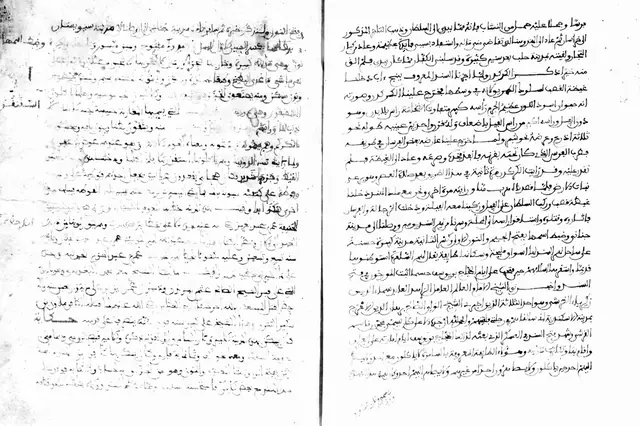
Duarte Barbosa came out to India young, most likely in Cabral’s fleet of 1500, with his uncle Gonçalo Gil Barbosa, who was made factor first at Cochin and then, in 1502, at Cannanore. Gaspar Correa wrote that the nephew learned the Malabar tongue so well that he spoke it better than the people of the country. In 1503 he interpreted for Francisco de Albuquerque before the king of Cannanore, and he served as scrivener of the factory there for years. His book, finished in 1516, was long known only in Ramusio’s Italian of 1563; a Portuguese manuscript was printed at Lisbon in 1813, and M. Longworth Dames translated it for the Hakluyt Society in 1918–21.
02Gujarat, Vijayanagara and Malabar
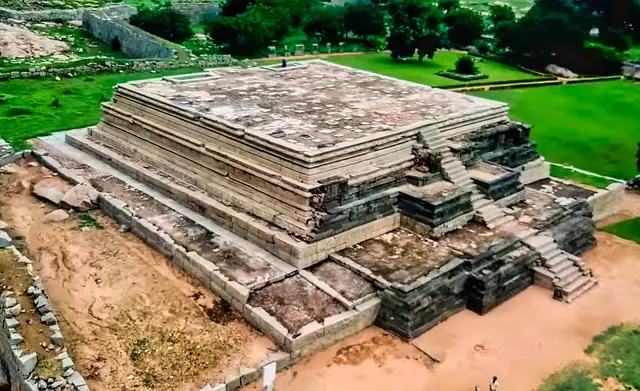
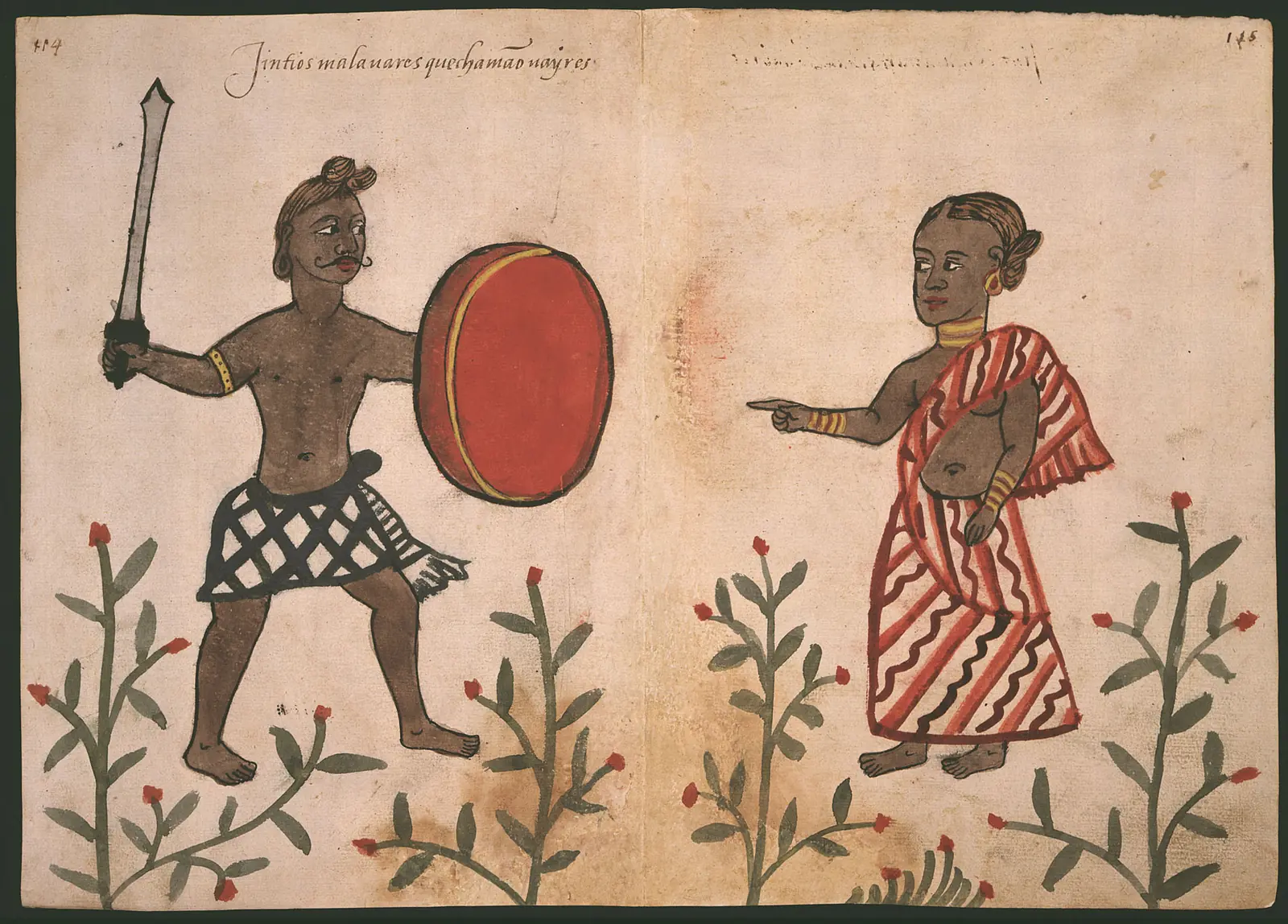
In Gujarat he describes the Banias, who eat neither flesh nor fish and will not watch an animal killed; Muslims, he says, would bring them birds and insects and pretend to kill them, and the Banias paid well over the worth to set them free, and would even club together to buy a condemned man from justice. Of Vijayanagara, which he calls the great city of Bisnagua in the kingdom of Narsinga, he writes of its crowds and wealth, its diamond trade, and a king who let every man come, go and live by his own creed. On the Malabar coast he sets out the order of society, Brahmins, Nayars who bore arms, merchants and labouring castes, and notes that the Zamorin’s heir was not his son but his sister’s son, as with the other kings there.
03What he saw and what he was told
Barbosa writes as an administrator, not a storyteller, and for Malabar, where he lived, he is close to a firsthand ethnographer. Elsewhere he relied on Portuguese reports and on what traders told him, and Dames thought he probably never visited some ports he describes, such as Debal in Sindh. His Vijayanagara agrees with Paes, who was there soon after, on the city and the king’s tolerance, but his figures for widows burning at a king’s death are reported, not seen. He reads Hindu belief through his own faith, saying the Brahmins of Malabar held a doctrine like the Holy Trinity, which is Trimurti seen with Christian eyes. In 1519 he sailed with his brother-in-law Ferdinand Magellan and, by Dames’s account, was killed at Cebu in the Philippines in 1521.
In the texts
- Livro em que dá relação do que viu e ouviu no Oriente (1516)
- M. Longworth Dames (tr.), The Book of Duarte Barbosa (Hakluyt Society, 1918–21)