Cite
MLA
“Jean-Baptiste Tavernier.” Hindu History, 2026, https://www.hinduhistory.in/sakshi/jean-baptiste-tavernier/. Accessed .
APA
Hindu History. (2026). Jean-Baptiste Tavernier. Retrieved , from https://www.hinduhistory.in/sakshi/jean-baptiste-tavernier/
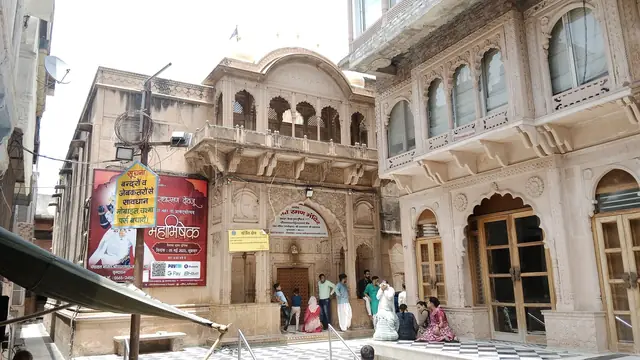
I come to the pagoda of Benares, which, after that of Jagannath, is the most famous in all India
The route
What defines it
- 01
Six voyages; in Bharat at intervals from c. 1640 to 1667
- 02
Description of the Benares temple in 1665, before 1669
- 03
The Golconda diamond mines
- 04
The Great Mogul diamond and the Peacock Throne
- 05
Never visited Puri; Jagannath misplaced on the Ganga
01A jeweller on the roads of Hindustan
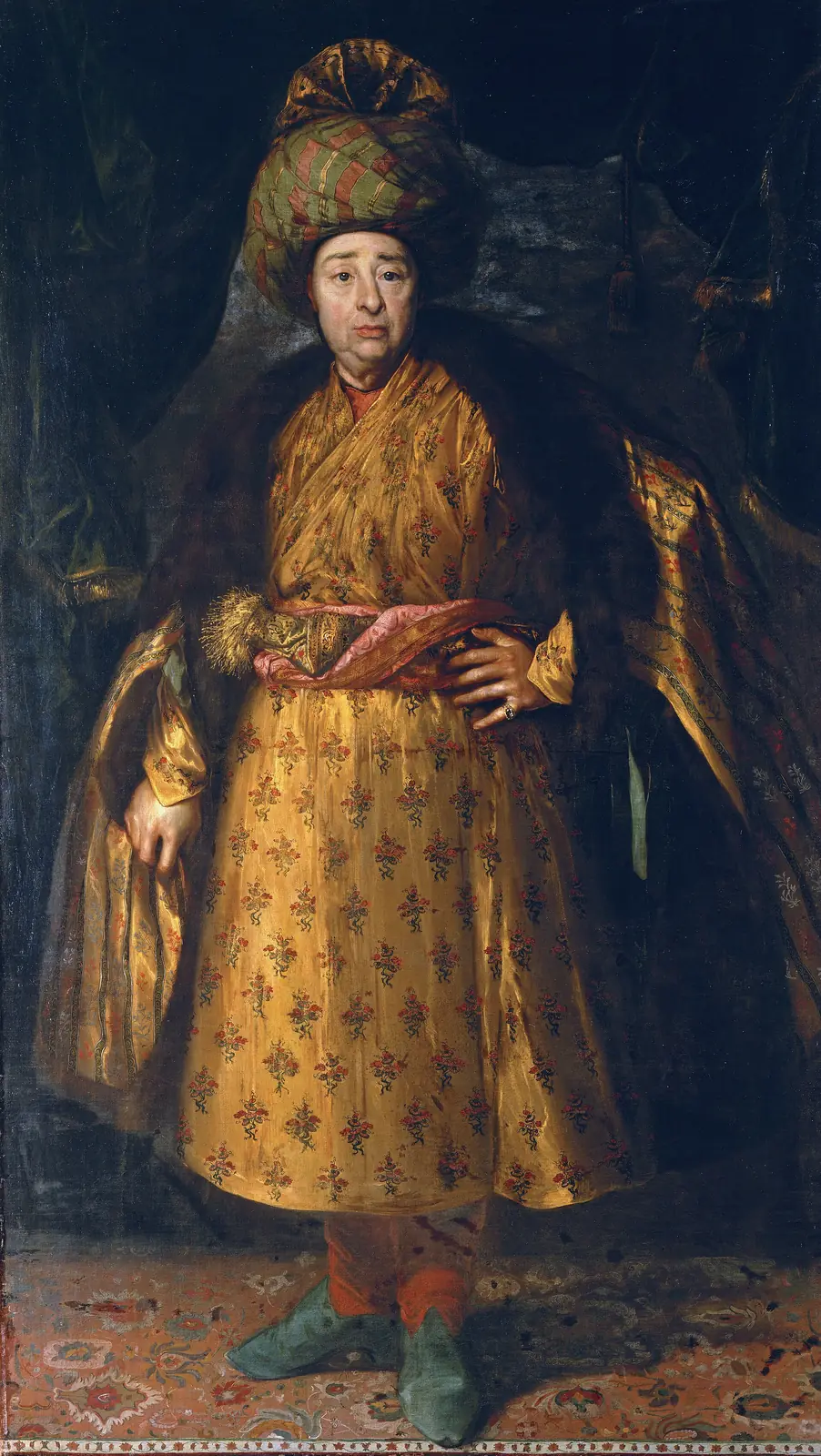
Tavernier, born in Paris in 1605 to a family of map-sellers from Antwerp, first reached Hindustan by early 1641; V. Ball, his editor, follows Joret in putting him at Dacca in 1640 and at Agra that winter. Over the next quarter century he came back on several voyages, travelling the Surat–Burhanpur–Agra road, the roads to Golconda and Masulipatam, and down the Ganga to Patna and Dacca. His last Indian tour ran from 1665 to early 1667, when he left Surat for Persia. In 1668 he sold Louis XIV a hoard of stones, among them the great blue diamond later cut into the French Blue, ancestor of the Hope diamond, and was ennobled. His Six Voyages came out in 1676. He died in Moscow in 1689.
02The temple at Benares and the four great pagodas
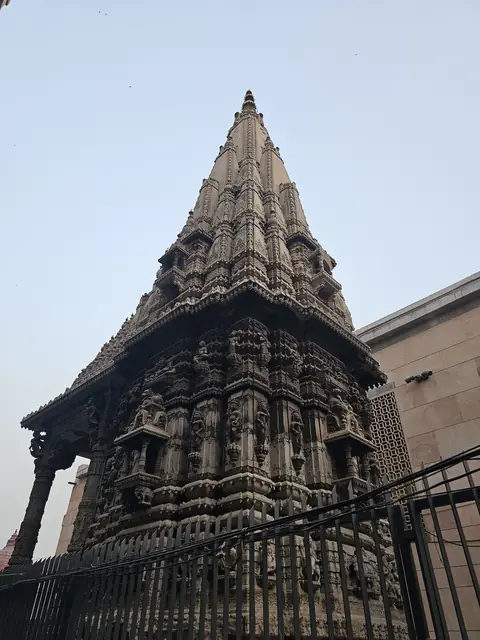
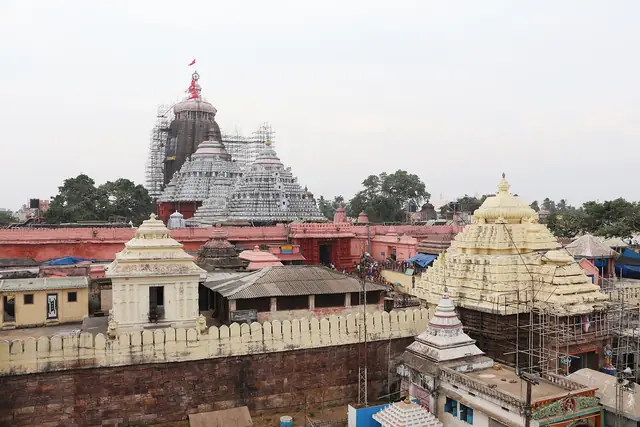
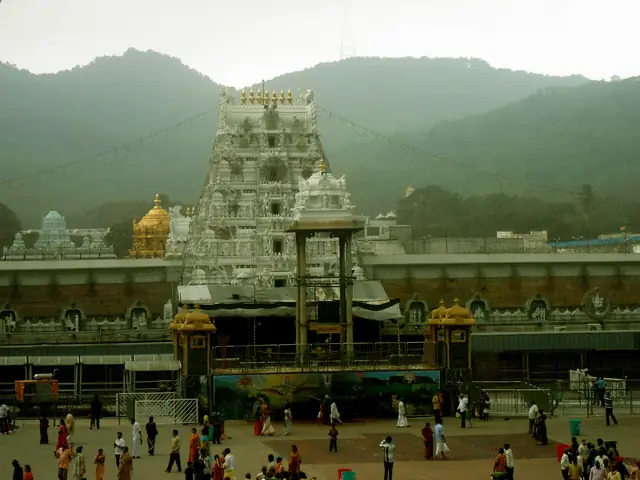
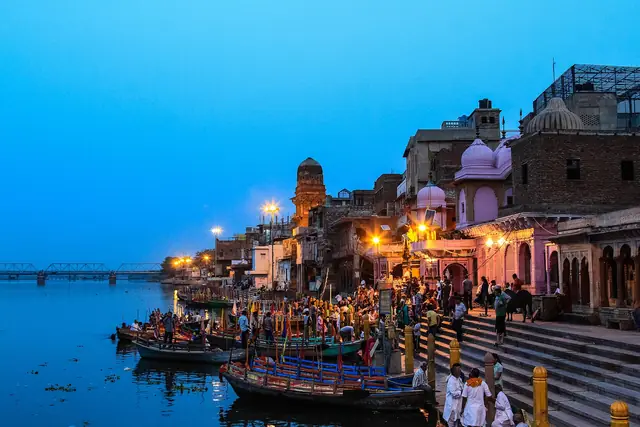
He names four temples as the most celebrated in India, Jagannath, Benares, Mathura and Tirupati. Of Benares, which he reached with Bernier in December 1665, he writes that it was second only to Jagannath and built on the Ganga, with stone steps going down from the temple door to the river, small chambers on the landings where Brahmins lived and cooked, and pilgrims who bathed, worshipped and then cooked their own food lest anyone unclean touch it. Brahmins filled small pots with Ganga water, sealed them under a fire-coloured cloth with the chief priest’s seal, and carried them hundreds of leagues on a shoulder-pole. The building itself he describes as cross-shaped with four equal arms and a tall many-sided tower over the centre. In 1669 Aurangzeb ordered that temple pulled down.
03Diamonds, thrones, and a merchant’s limits
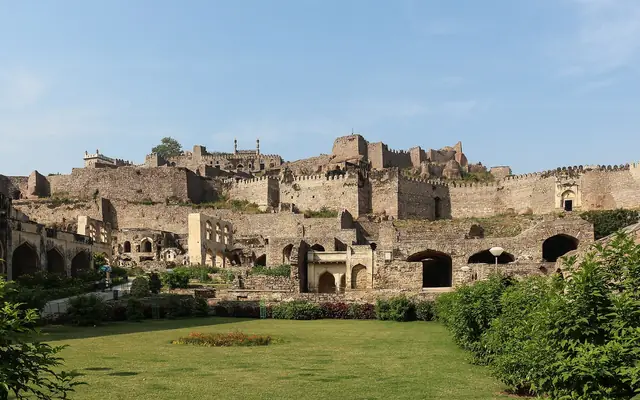
Tavernier is at his best where his trade took him. He went to the Golconda mines on the Krishna and describes how the diggers worked, how the stones were weighed and sold, and the merchants’ code of the bazaar. In 1665 Aurangzeb let him examine his jewels, and he drew and weighed the Great Mogul diamond and described the Peacock Throne of Shah Jahan in detail. Elsewhere he is a man passing through. His editor Ball shows that he never went to Puri and placed Jagannath on the Ganga by mistake, and his notes on Hindu belief, like his doubts about the purity of Ganga water, are the remarks of an outsider. His book was also assembled with help from a ghost-writer, and his routes and distances are more reliable than his history.
In the texts
- Les Six Voyages de Jean-Baptiste Tavernier (Paris, 1676)
- V. Ball (tr.), Travels in India (London, 1889), 2 vols.