Cite
MLA
“Govardhan Parikrama.” Hindu History, 2026, https://www.hinduhistory.in/yatra/govardhan-parikrama/. Accessed .
APA
Hindu History. (2026). Govardhan Parikrama. Retrieved , from https://www.hinduhistory.in/yatra/govardhan-parikrama/
The route
- 1Daan Ghati, Govardhan
- 2Manasi Ganga
- 3Kusum Sarovar
- 4Radha Kund
- 5Jatipura
- 6Puchhri ka Lautha
What defines it
- 01
Seven kos, about 21 km, clockwise and barefoot
- 02
Manasi Ganga, Radha Kund, Kusum Sarovar, Jatipura
- 03
Annakut on the day after Diwali
- 04
Mudiya Purnima in memory of Sanatana Goswami
- 05
Shrinathji appeared at Jatipura; moved to Nathdwara 1672
01The hill that was worshipped
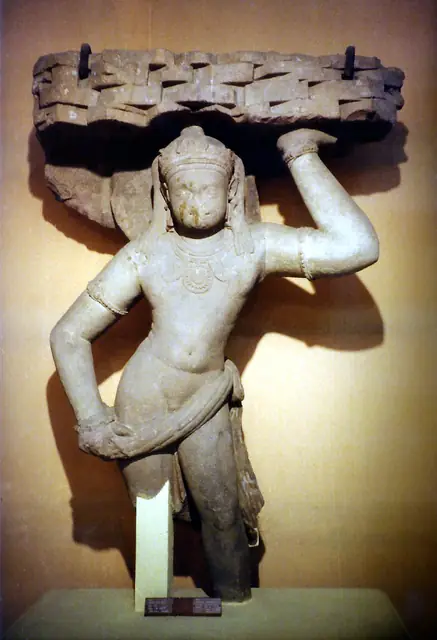
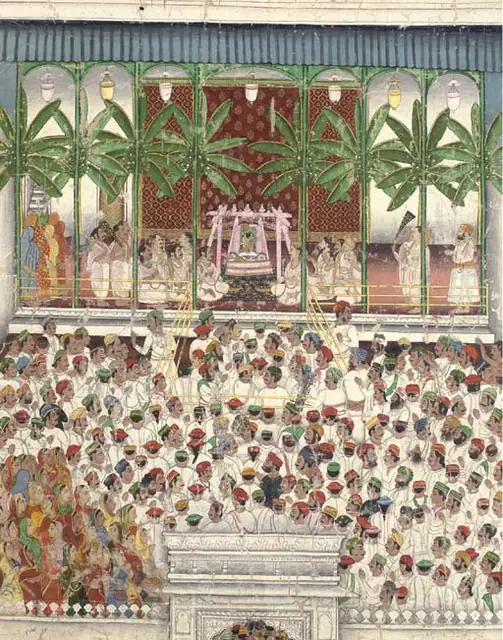
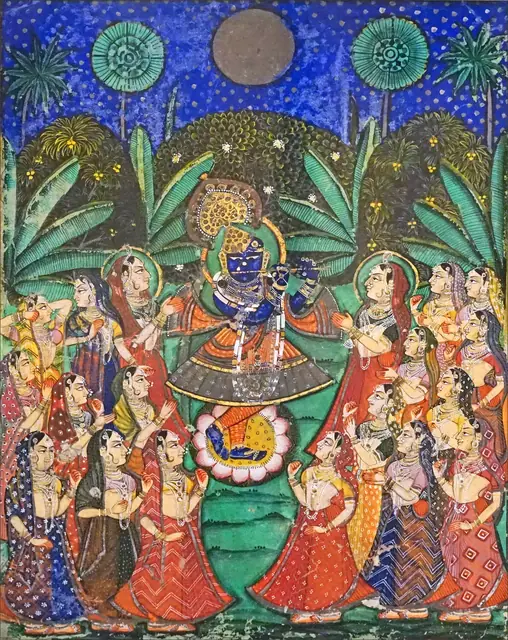
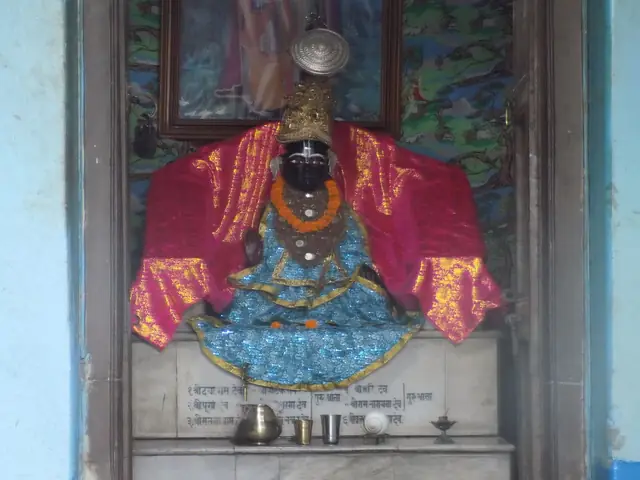
The Bhagavata Purana, in its tenth book, tells how the young Krishna persuaded the people of Braj to stop their yearly offering to Indra and worship Govardhan, their cows and the Brahmins instead. Indra sent a storm, and Krishna lifted the hill and held it up for seven days while all Braj sheltered under it. The offering of that first Govardhan puja, a mountain of food, is remembered every year as the Annakut on the day after Diwali. For devotees the hill is Krishna himself, so its stones are not taken away, and a Govardhan shila given by a guru is worshipped at home. The walk is seven kos, about 21 km, done barefoot and clockwise.
02Round the hill
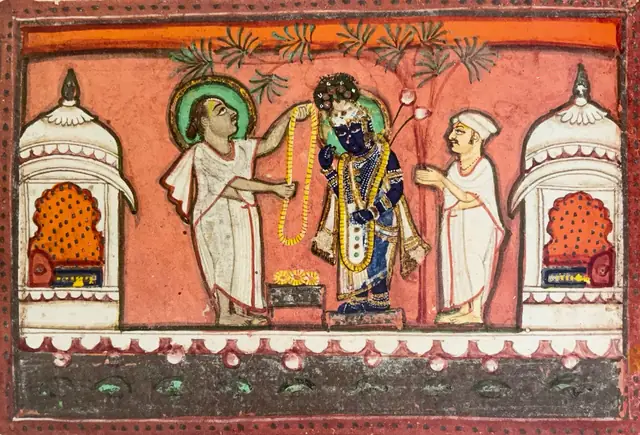
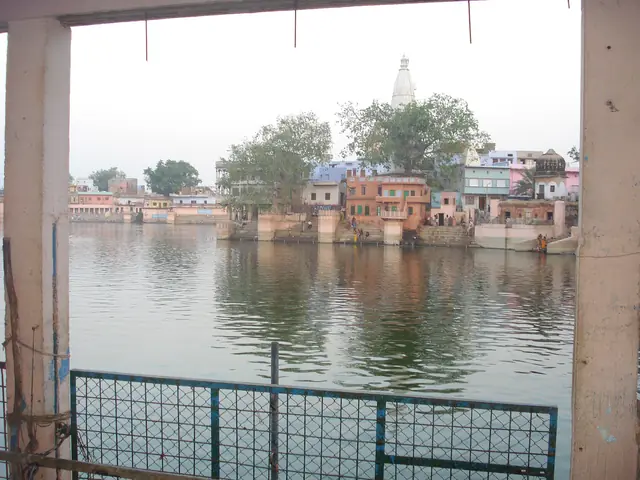
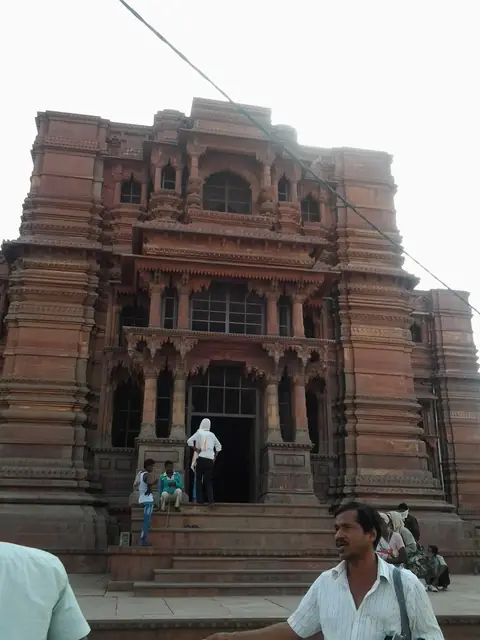
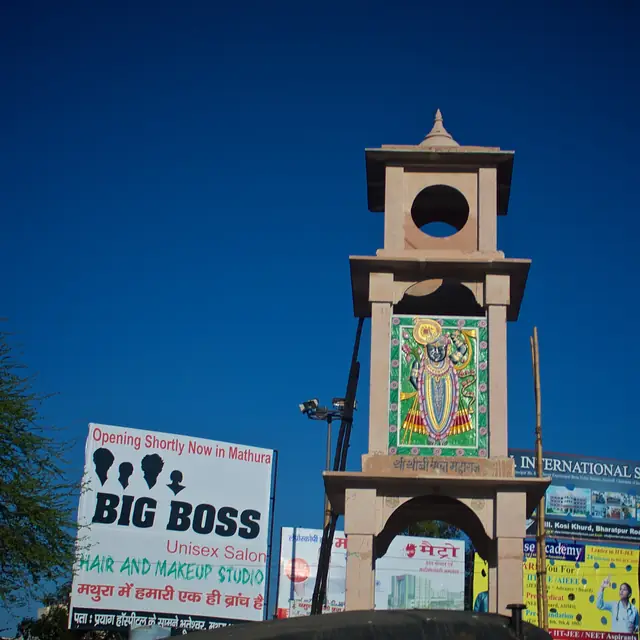
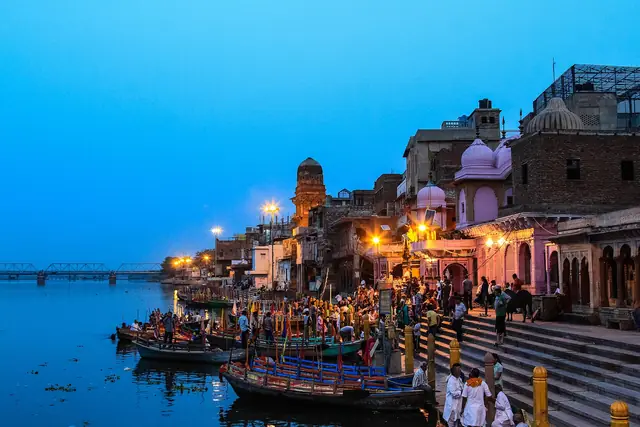
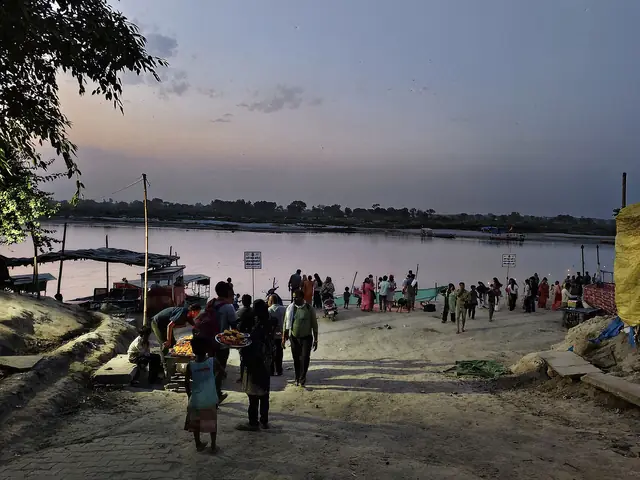
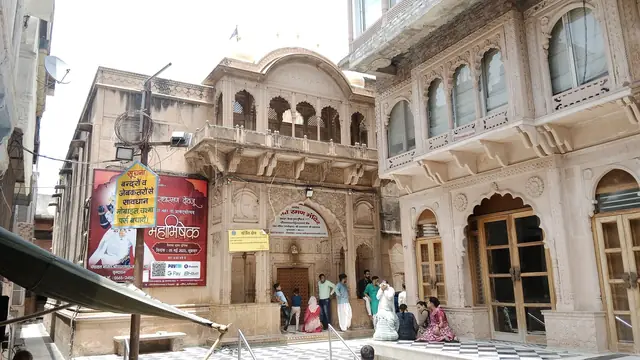
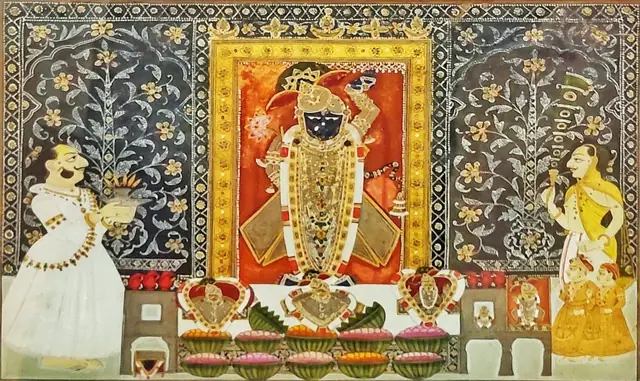
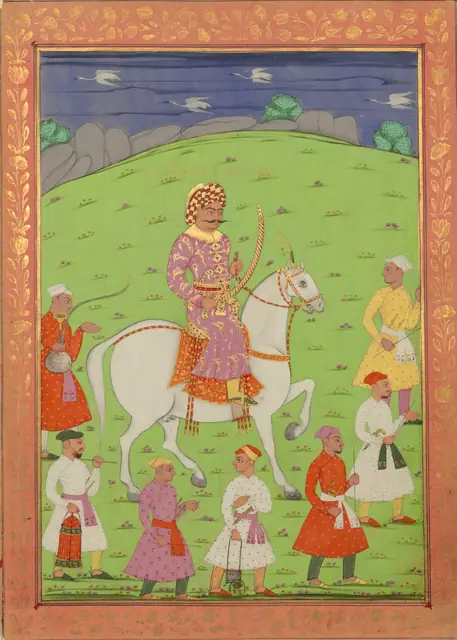
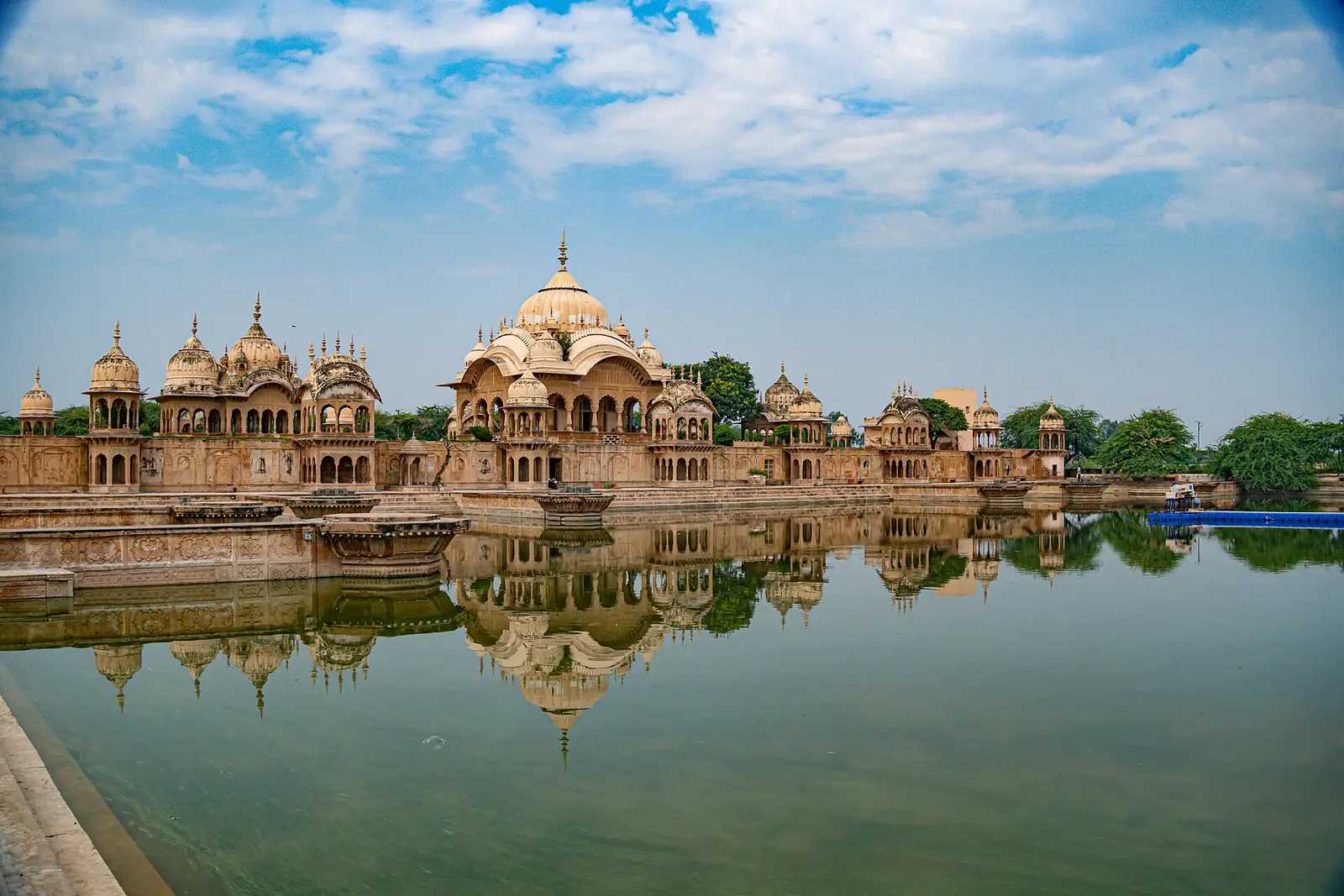
Most start at Daan Ghati or at Manasi Ganga in Govardhan town, where the Harideva temple was built by Raja Bhagwan Das of Amber in the sixteenth century. The path runs north to Radha Kund and Shyam Kund, the twin tanks that Gaudiya Vaishnavas hold the holiest of all places, past Kusum Sarovar, where Maharaja Jawahar Singh of Bharatpur raised sandstone chhatris to his father Suraj Mal in the 1760s, and round the southern end by Puchhri ka Lautha to Jatipura. At Jatipura the deity Shrinathji appeared from the hill and Vallabhacharya began his seva; the deity was taken to Mewar in 1669 and installed at Nathdwara in 1672. Some devotees do the dandavati parikrama, measuring the whole path with prostrations, which takes weeks.
03Mudiya Purnima
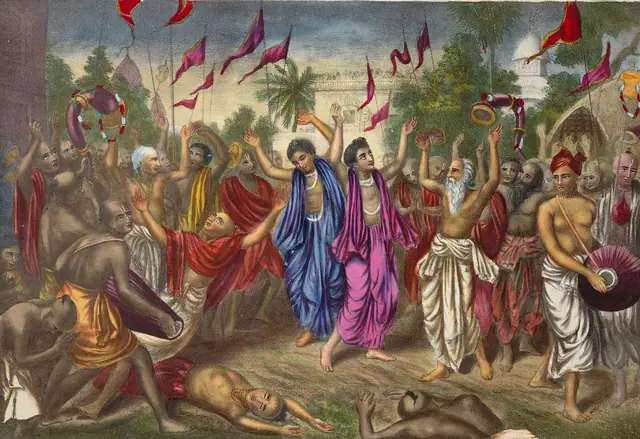
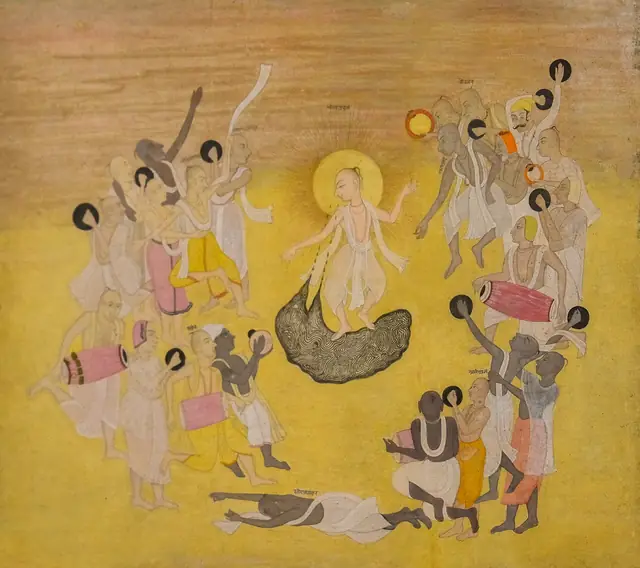
The biggest crowd comes on Guru Purnima in Ashadha, called Mudiya Purnima here. When Sanatana Goswami left his body in the sixteenth century, his disciples shaved their heads, mudiya, and carried a procession round the hill in mourning, and the Gaudiya sadhus of Govardhan still lead such a procession each year. PTI called the 2025 fair, held from 4 to 11 July, 469 years old, and officials expected more than 1.5 crore visitors; no final count was published. The Uttar Pradesh government has laid a paved parikrama marg, put up fountains and barricades at Manasi Ganga, and runs special trains and buses for the fair.
Great masters
In the texts
- Bhagavata Purana, Book 10, chapters 24–25