Cite
MLA
“Dwadasha Jyotirlinga Yatra.” Hindu History, 2026, https://www.hinduhistory.in/yatra/jyotirlinga-yatra/. Accessed .
APA
Hindu History. (2026). Dwadasha Jyotirlinga Yatra. Retrieved , from https://www.hinduhistory.in/yatra/jyotirlinga-yatra/
The route
- 1Somnath
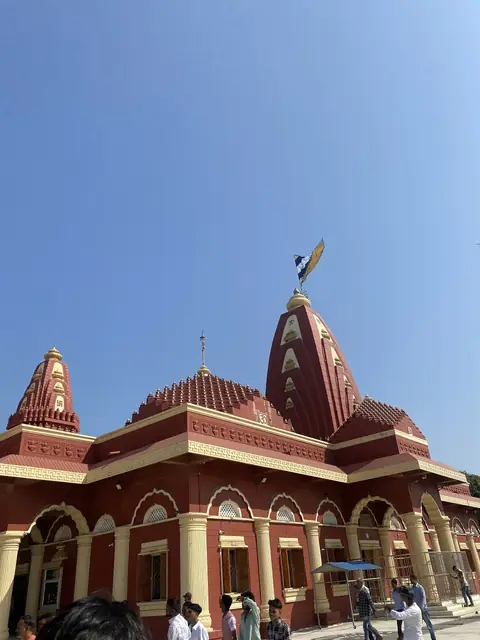
- 2Nageshwar, Dwarka
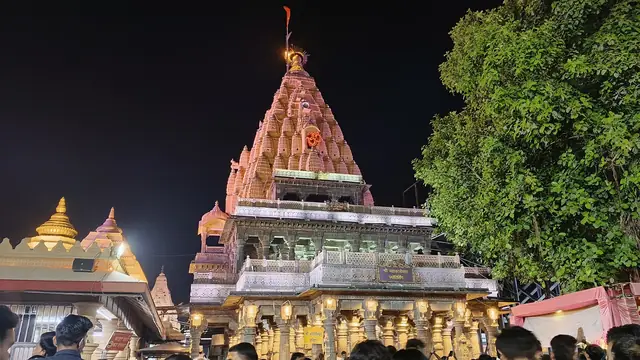
- 3Mahakaleshwar, Ujjain
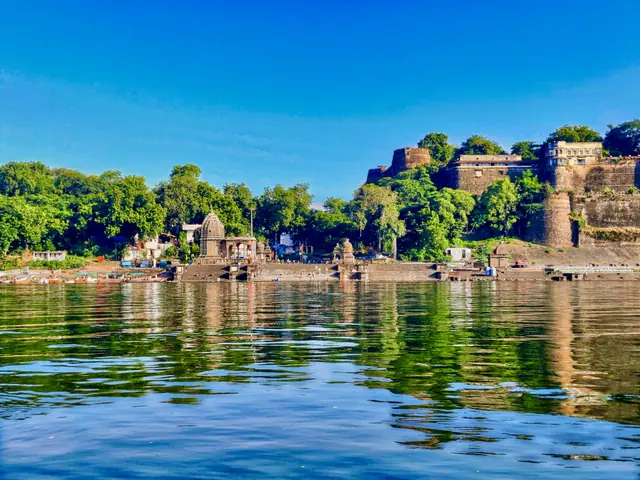
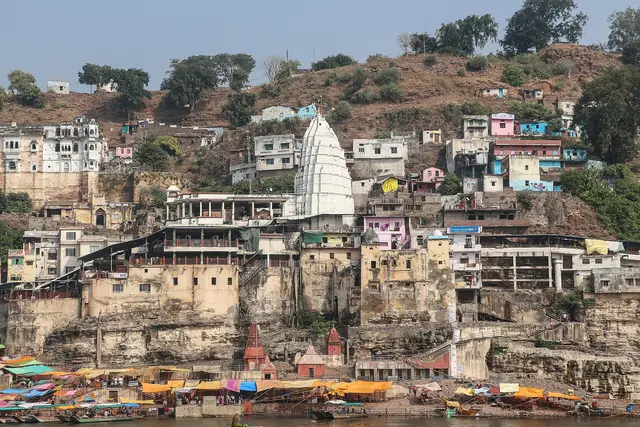
- 4Omkareshwar
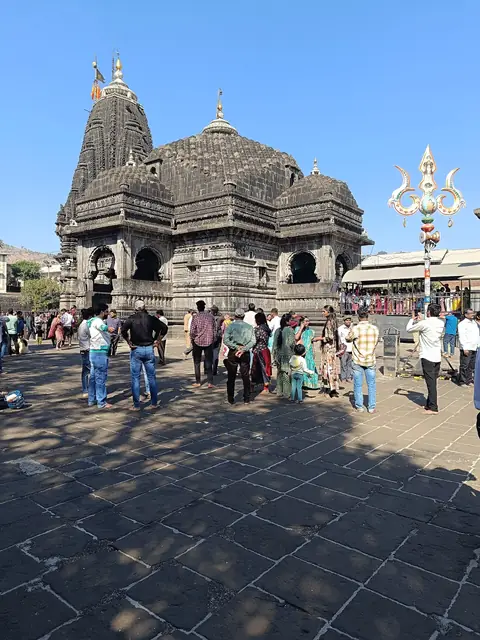
- 5Trimbakeshwar
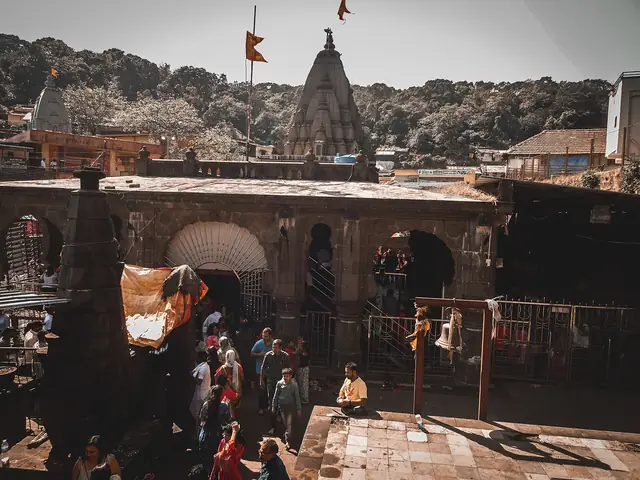
- 6Bhimashankar
- 7Ghrishneshwar
- 8Mallikarjuna, Srisailam
- 9Rameswaram
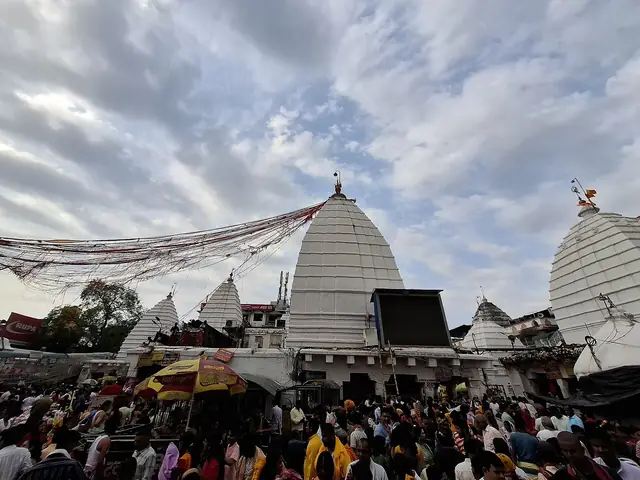
- 10Vaidyanath, Deoghar
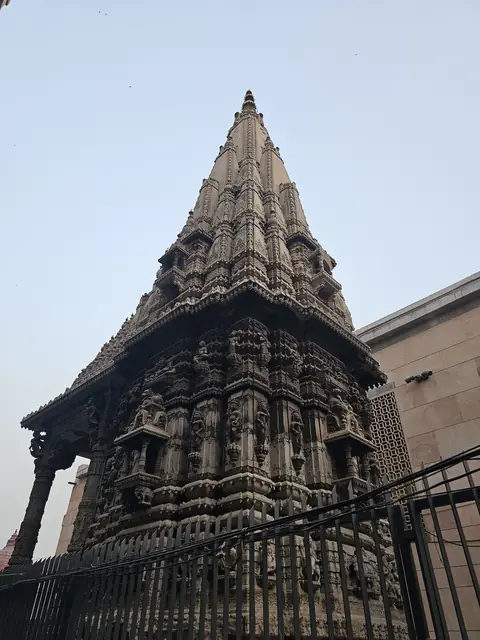
- 11Kashi Vishwanath
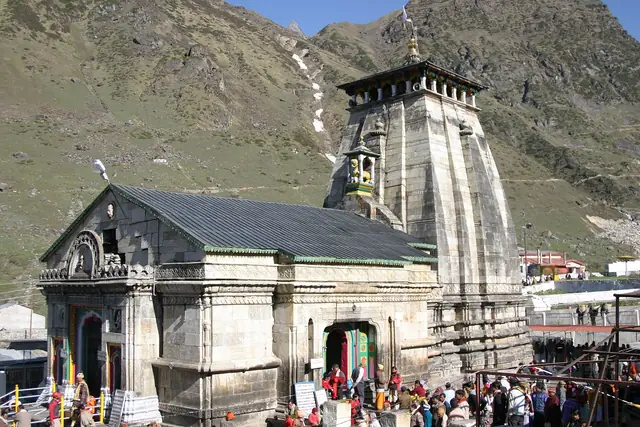
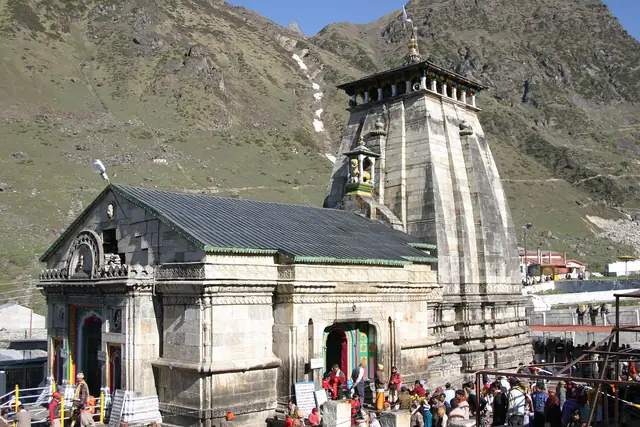
- 12Kedarnath
What defines it
- 01
Somnath, Mallikarjuna, Mahakaleshwar, Omkareshwar, Kedarnath, Bhimashankar
- 02
Kashi Vishwanath, Trimbakeshwar, Vaidyanath, Nageshwar, Rameswaram, Ghrishneshwar
- 03
Twelve seats named in the Koti Rudra Samhita of the Shiva Purana
- 04
Vaidyanath, Nageshwar and Bhimashankar have more than one claimant
- 05
Somnath reconsecrated 11 May 1951
01The pillar of light
The Shiva Purana tells how Bhagwan Brahma and Bhagwan Vishnu once disputed who was greater, and between them rose a pillar of fire with no top and no bottom. Brahma flew up as a swan and Vishnu dug down as a boar, and neither found its end. That endless light is the jyotirlinga, and its twelve earthly seats are named in the Koti Rudra Samhita. The stotra recited daily begins ‘Saurashtre Somanatham cha, Shrishaile Mallikarjunam’ and runs through Mahakala at Ujjain, Omkareshwar, Kedarnath, Bhimashankar, Vishwanath at Kashi, Trimbakeshwar, Vaidyanath, Nageshwar, Rameshwaram and Ghrishneshwar. It says that whoever recites the twelve names morning and evening is freed from the sins of seven lives.
02Where opinions differ
Some of the twelve are claimed by more than one place, and devotees honour all of them. Vaidyanath is worshipped at Deoghar in Jharkhand and also at Parli in Maharashtra. Nageshwar is placed near Dwarka in Gujarat, at Aundha in Maharashtra and at Jageshwar in Kumaon. Bhimashankar is the temple in the Sahyadri hills near Pune, though a tradition in Assam places it at Dakini near Guwahati. Many pilgrims make the yatra in regional loops: the Maharashtra four of Trimbakeshwar, Bhimashankar, Ghrishneshwar and one of the Vaidyanath or Nageshwar claimants; the Madhya Pradesh pair of Mahakaleshwar and Omkareshwar on the Narmada; and the Gujarat pair of Somnath and Nageshwar.
03Broken and raised again
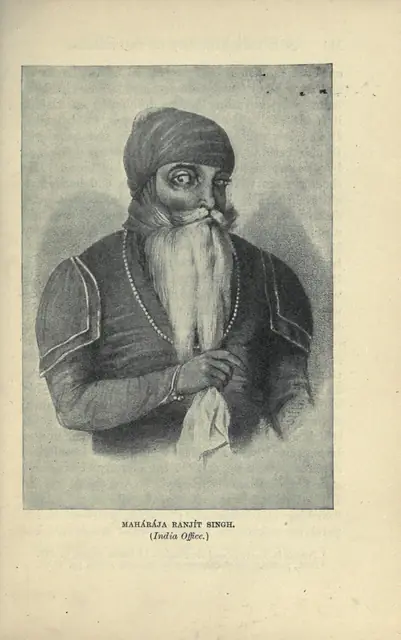
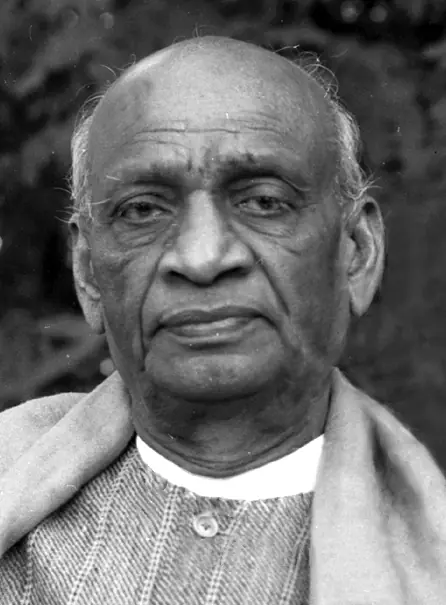
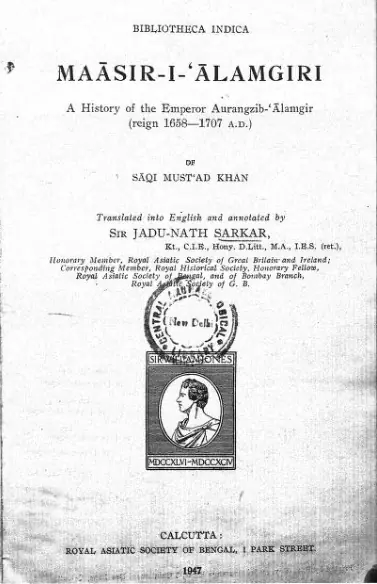
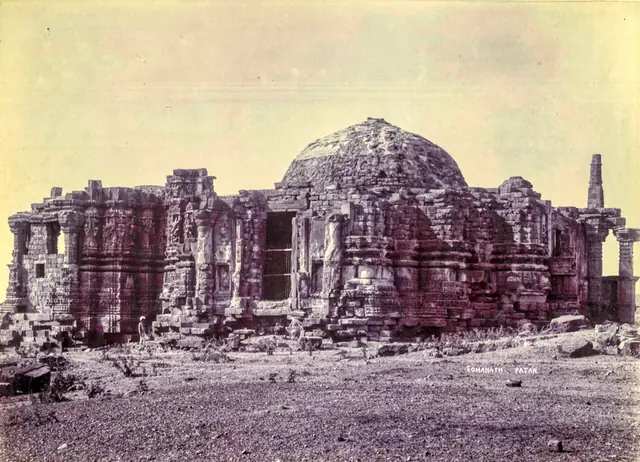
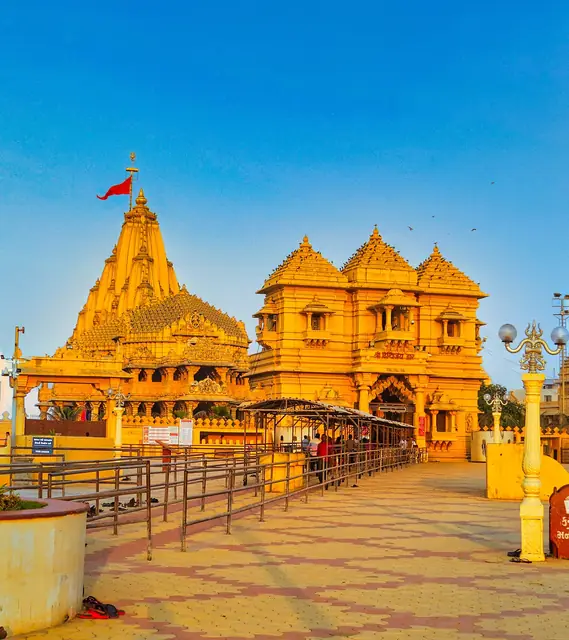
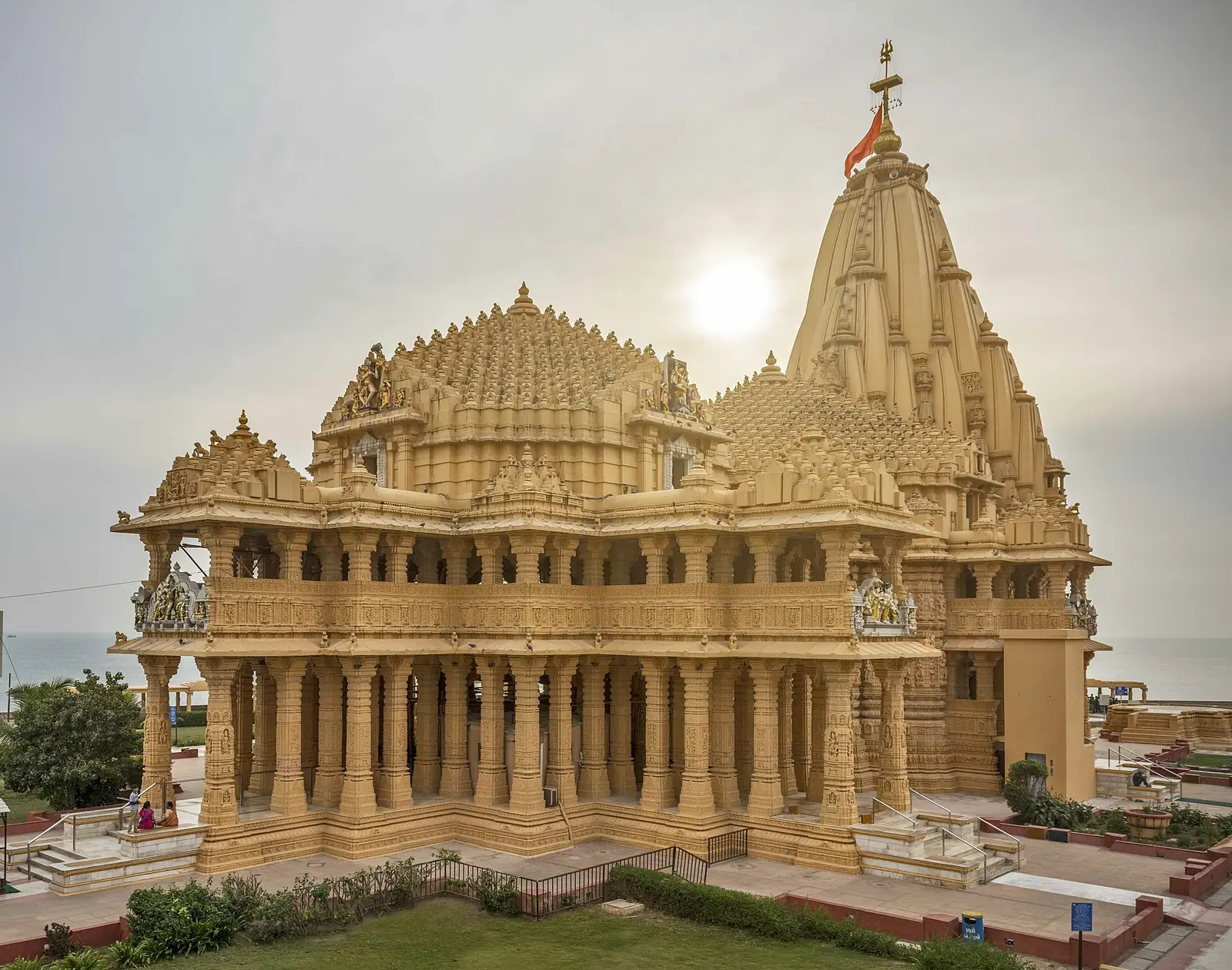
The jyotirlinga temples carry the scars of Bharat’s history. Somnath was raided by Mahmud of Ghazni in 1026 and rebuilt many times; the present temple, pushed forward by Sardar Vallabhbhai Patel, was consecrated by President Rajendra Prasad on 11 May 1951. Ujjain was sacked by Iltutmish in 1234–35, and the Mahakaleshwar temple standing today was raised under the Scindias in the eighteenth century. Aurangzeb ordered the Vishwanath temple at Kashi pulled down in 1669, as the Maasir-i-Alamgiri records; Ahilyabai Holkar built the present temple beside the old site in 1780, and Maharaja Ranjit Singh gave the gold for its spire. She also rebuilt Ghrishneshwar. The Kashi Vishwanath Dham corridor opened on 13 December 2021.
Great masters
In the texts
- Shiva Purana, Koti Rudra Samhita
- Dwadasha Jyotirlinga Stotram