Cite
MLA
“Abdur Razzaq Samarqandi.” Hindu History, 2026, https://www.hinduhistory.in/sakshi/abdur-razzaq-samarqandi/. Accessed .
APA
Hindu History. (2026). Abdur Razzaq Samarqandi. Retrieved , from https://www.hinduhistory.in/sakshi/abdur-razzaq-samarqandi/
The city of Bidjanagar is such that the pupil of the eye has never seen a place like it, and the ear of intelligence has never been informed that there existed anything to equal it in the world.
The route
What defines it
- 01
Envoy of Shah Rukh; landed at Calicut, November 1442
- 02
Vijayanagara’s seven concentric walls
- 03
Rose and jewel bazaars of the capital
- 04
Eyewitness of the Mahanavami under Deva Raya II
- 05
Attempt on the king’s life during his stay
01An unhappy envoy at Calicut
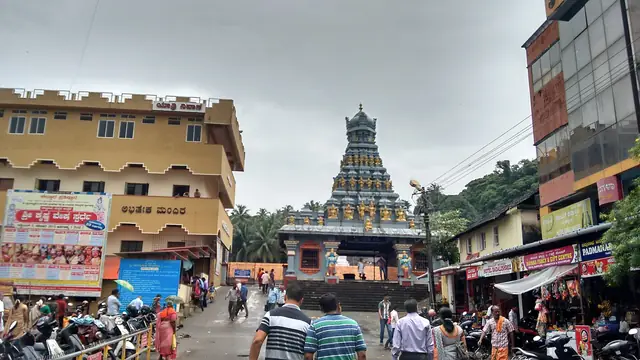
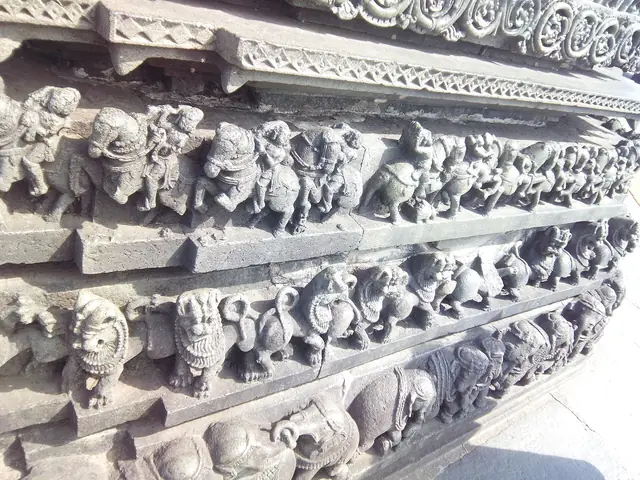
Abdur Razzaq, son of Ishaq of Samarqand, was a court scholar of Shah Rukh, Timur’s son. In 845 of the Hijra, 1442 CE, he was sent on an embassy by sea through Hormuz and reached Calicut in November. He disliked it from the first: the Zamorin received him without much ceremony, the heat and the people were strange to him, and he stayed, as he put it, in a disagreeable place until April 1443. Then word came that the king of Bijanagar, who held Calicut’s neighbours in awe though the Zamorin was not subject to him, wanted the envoy sent on. He sailed up to Mangalore and went inland, past a bronze-plated temple near Mangalore with a golden figure whose eyes were rubies, and a town he calls Belour, usually taken to be Belur, whose temple was so lofty it could be seen from far off. He reached Vijayanagara late in April 1443.
02Seven walls and a city without equal
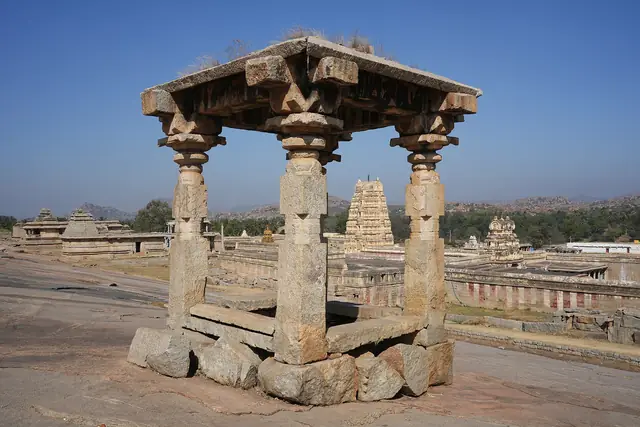
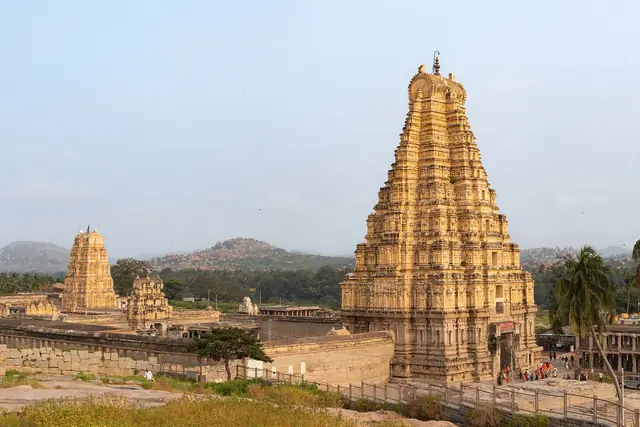
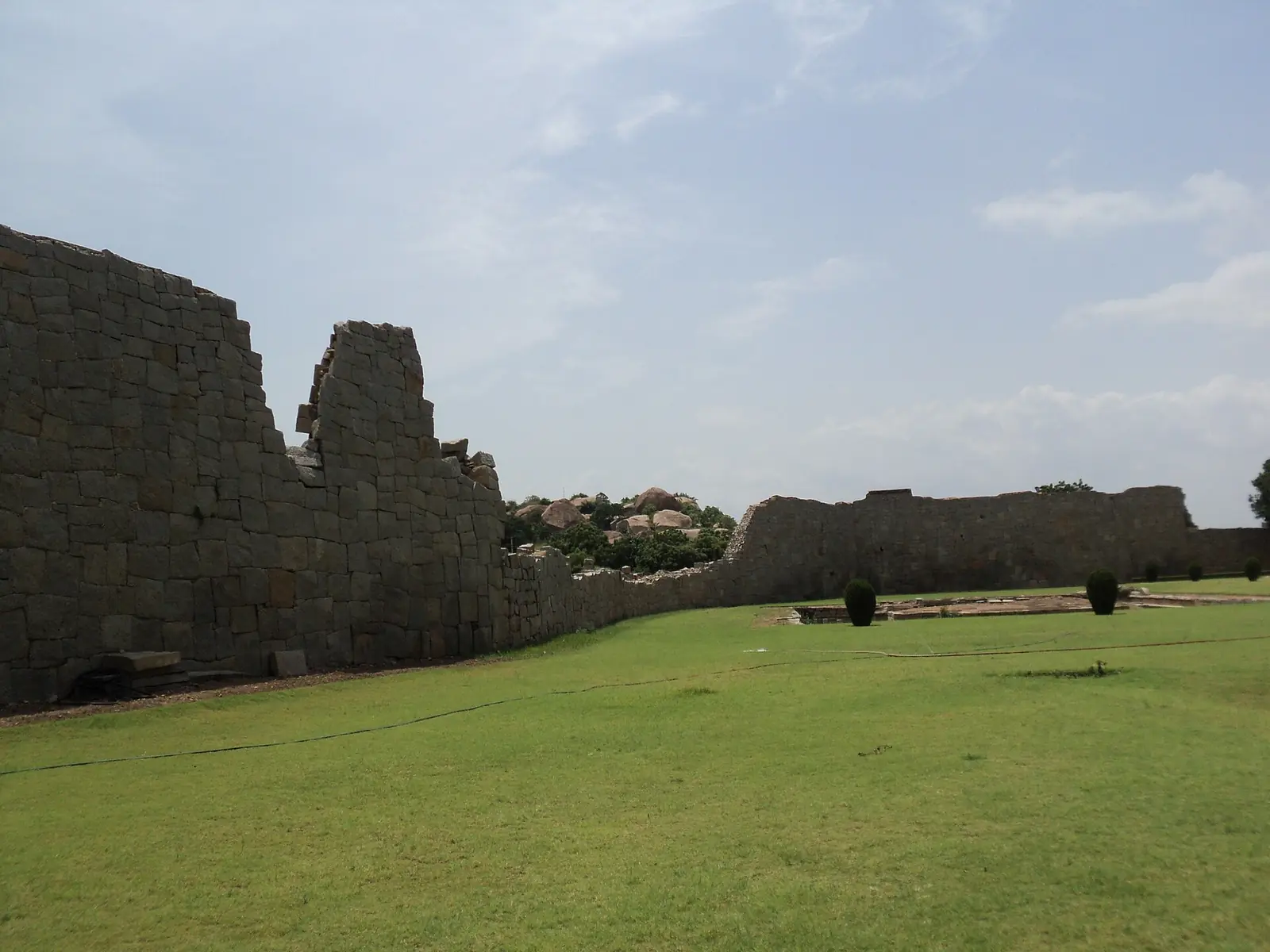
He writes that the city is built so that seven citadels and as many walls enclose one another, with a belt of upright stones the height of a man around the outer one so that neither horse nor foot could rush it. Between the walls lay fields and gardens; within were bazaars, each with its trade, where rose-sellers stood at every turn because, he says, these people could not live without roses, and jewellers sold pearls, rubies, emeralds and diamonds openly in the bazaar. Water ran in canals of chiselled, polished stone. He saw the king, Deva Raya II, in a hall of audience, received gifts, and was lodged in a fine house. He also tells of an attempt on the king’s life by his brother during his stay, which the king survived and punished.
03The Mahanavami, and the worth of a Persian eye
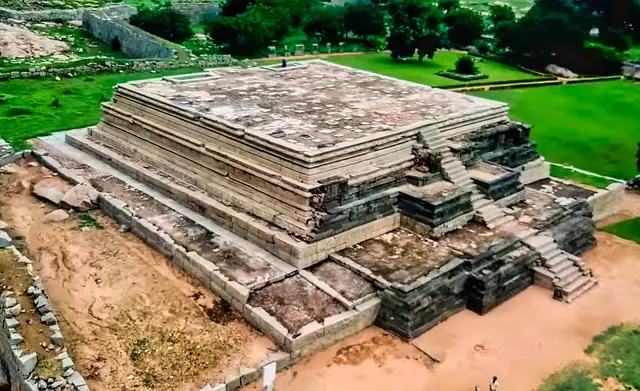
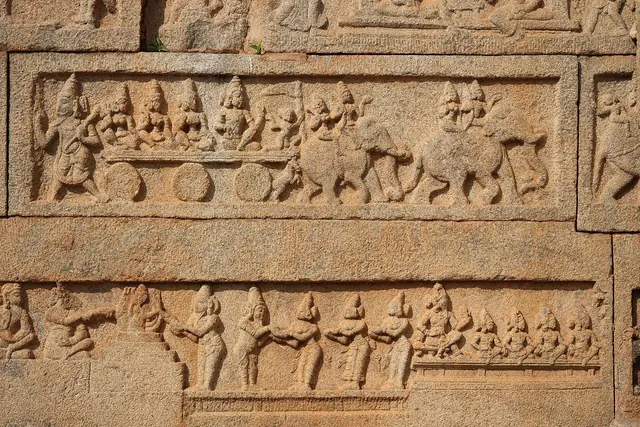
His long set piece is the great autumn festival, the Mahanavami, which he watched from the king’s side: a vast square crowded with elephants in armour, lofty pavilions of several storeys, singers, jugglers and dancing girls, fireworks, and the king on a throne of gold giving gifts for days on end. Domingo Paes, eighty years later, describes the same festival on the same stone platform. The walls he describes are there on the ground at Hampi, in rings of dry-laid granite on the hills. His weaknesses are a courtier’s: high Persian rhetoric, a habit of comparing everything with Herat, and a quick eye for whether he was being honoured enough. He left Vijayanagara on 5 November 1443 and sailed from Mangalore on 28 January 1444.
In the texts
- Matla al-Sadain wa Majma al-Bahrain (Persian history of the Timurids)
- Translation in R. H. Major, India in the Fifteenth Century (Hakluyt Society, 1857)