Cite
MLA
“Aparajitaprccha of Bhuvanadeva.” Hindu History, 2026, https://www.hinduhistory.in/sthapatya/aparajitaprccha/. Accessed .
APA
Hindu History. (2026). Aparajitaprccha of Bhuvanadeva. Retrieved , from https://www.hinduhistory.in/sthapatya/aparajitaprccha/
What defines it
- 01
At least 239 sutras; over 7,500 verses
- 02
Vastu, shilpa, chitra, sangita and nritya
- 03
Builds on the Samarangana Sutradhara
- 04
Followed at Taranga, Siddhpur and Prabhas Patan
01Questions of Aparajita
Aparajitaprccha means the questions of Aparajita, and the text is set out as answers to them. It was compiled by Bhuvanadeva. Its exact date is unclear: the generally accepted range is 1000–1200 CE, and details such as the measurements of mouldings and the specifications for the images of Vayu and Yama point to a final edition in the 12th century. One study places the compilation under the long reign of the Chaulukya king Bhima II. The work is arranged in at least 239 sutras, each followed by many verses, and the whole collection, the sutrasantana, runs to more than 7,500 verses. It openly acknowledges its debt to the Samarangana Sutradhara and builds on it.
02Temples and the arts
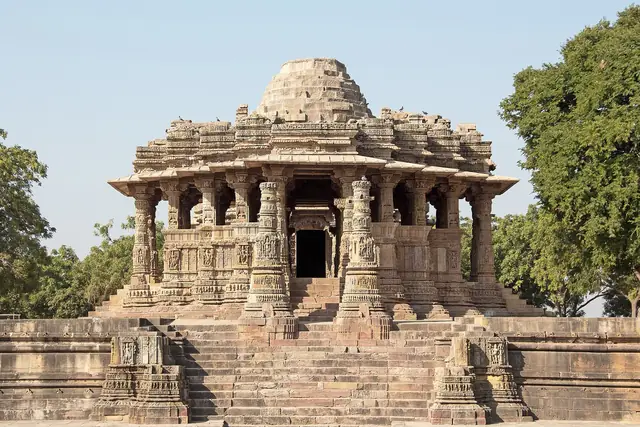
The text covers vastu, temple architecture; shilpa, sculpture; chitra, painting; and sangita and nritya, music and dance. It also treats housing, water works, pillars, domes and the arrangement of space, and it has chapters on Jain temples and their arts. Its accounts of temple types include the sub-styles of the bhumija temple, such as the vatta, navanga, chaturasra and ashtashala. The scholars Vohra and M. A. Dhaky call it one of the few and most valuable texts on the Nagara school, and it is counted among the six best-known and most complete surviving Hindu treatises on architecture and iconography, alongside works such as the Mayamata, Manasara and Samarangana Sutradhara.
03Built to its rules
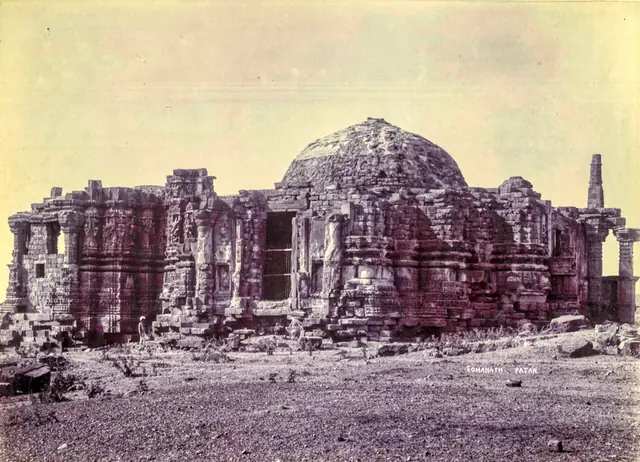
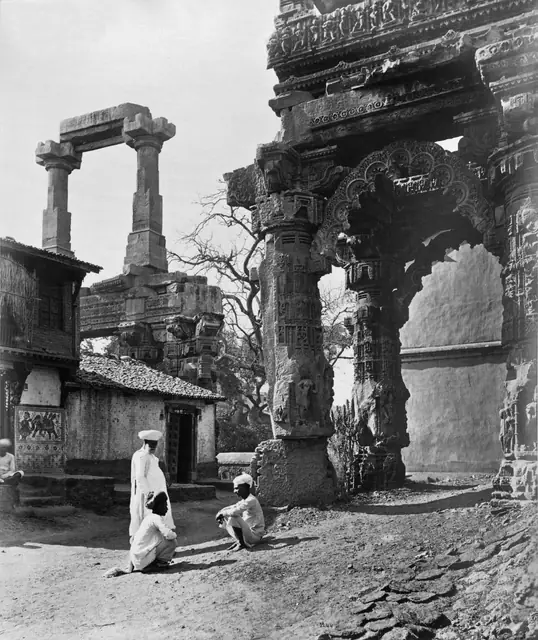
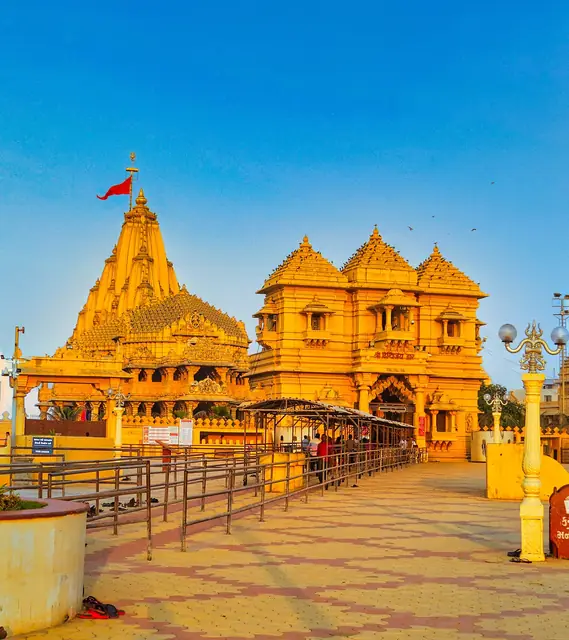
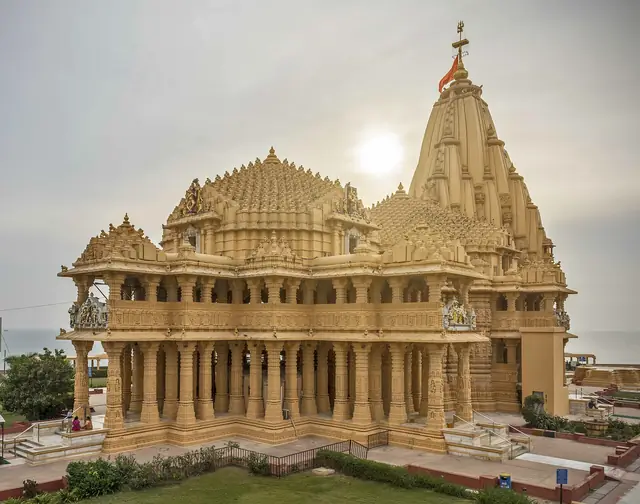
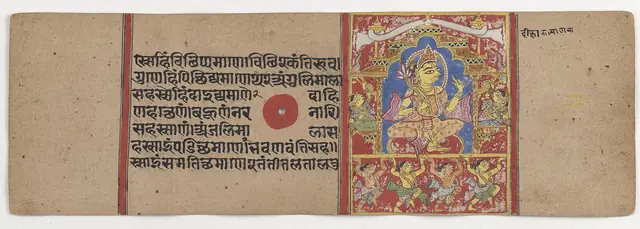
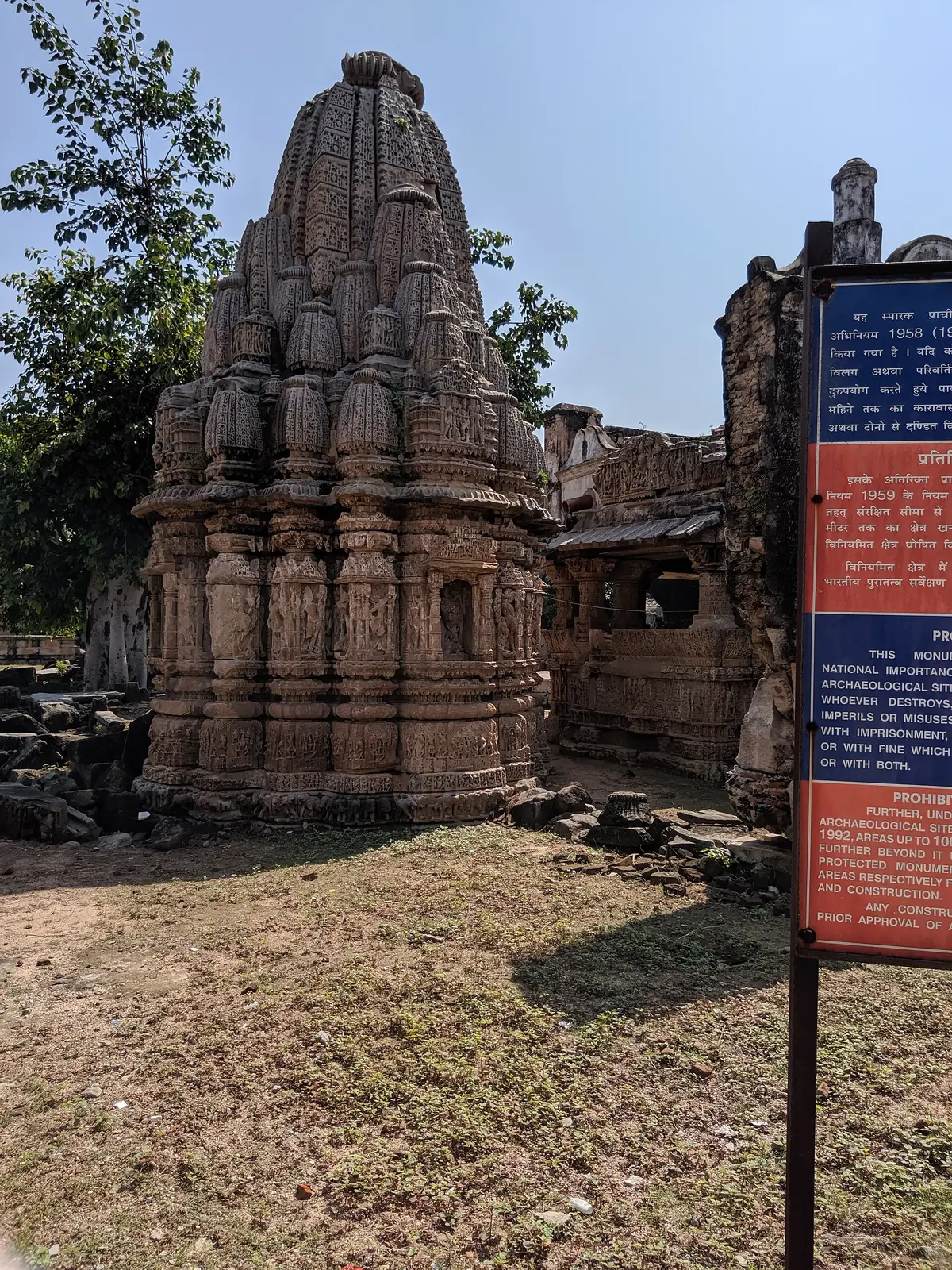
Several incomplete manuscripts were found in Gujarat in the early 20th century, especially at Baroda, and others later in central and northern India; centuries of copying left variant readings. Popatbhai Mankad published the first edition and translation in 1950, and Lal Mani Dubey a critical study with translation and commentary in 1987. What makes the text precious is that buildings follow it. The Ajitanatha Jain temple at Taranga, of 1161, and Hindu temples at Siddhpur and Prabhas Patan have been matched to its specifications. The hereditary salats of Gujarat still learn from it, and the new temples they raise in the Maru-Gurjara manner are in a real sense its latest commentary.