Cite
MLA
“Kumbh Mela.” Hindu History, 2026, https://www.hinduhistory.in/yatra/kumbh-mela-cycle/. Accessed .
APA
Hindu History. (2026). Kumbh Mela. Retrieved , from https://www.hinduhistory.in/yatra/kumbh-mela-cycle/
The route
- 1Prayagraj, Triveni Sangam
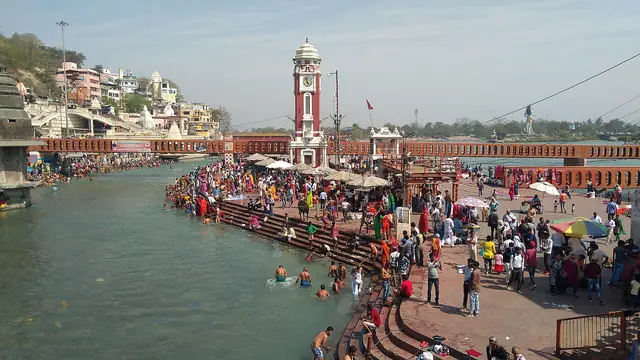
- 2Haridwar, Har ki Pauri
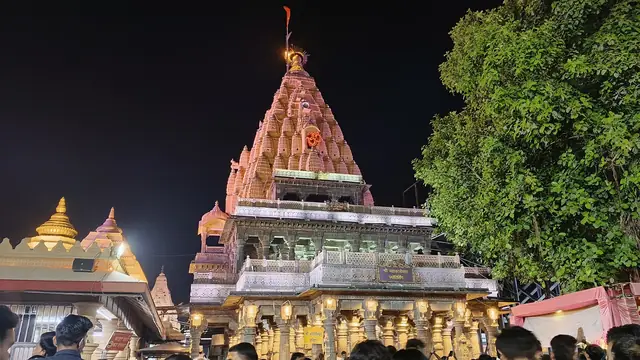
- 3Ujjain, Ramghat on the Shipra
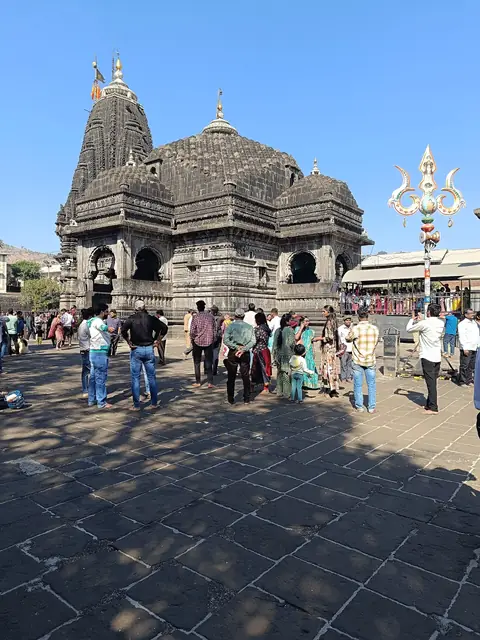
- 4Nashik, Ramkund on the Godavari
- 5Trimbakeshwar
What defines it
- 01
Four places: Prayagraj, Haridwar, Ujjain, Nashik–Trimbakeshwar
- 02
Timed by Brihaspati: Vrishabha, Kumbha, Simha
- 03
Shahi snan led by the thirteen akharas
- 04
Xuanzang’s account of Prayag, 644 CE
- 05
UNESCO intangible heritage, 2017
- 06
66.21 crore at Prayagraj, 2025 (UP government figure)
01Four drops of amrit
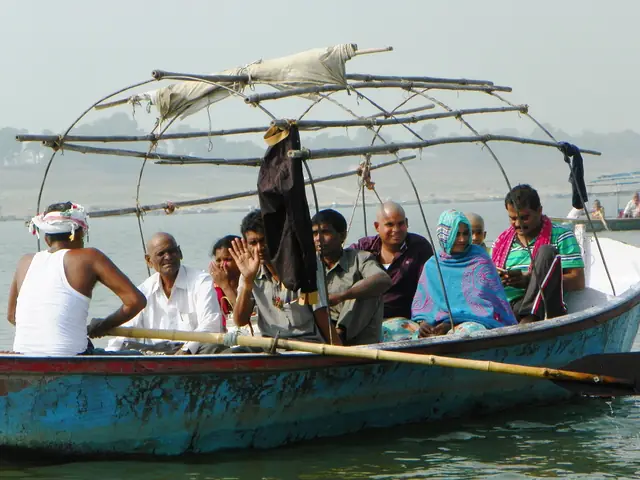
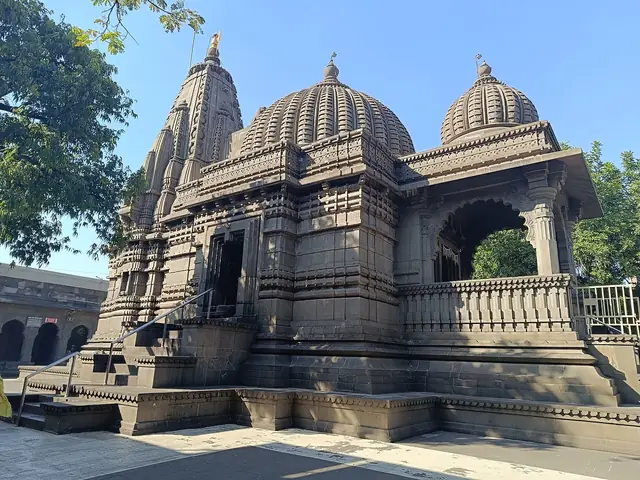
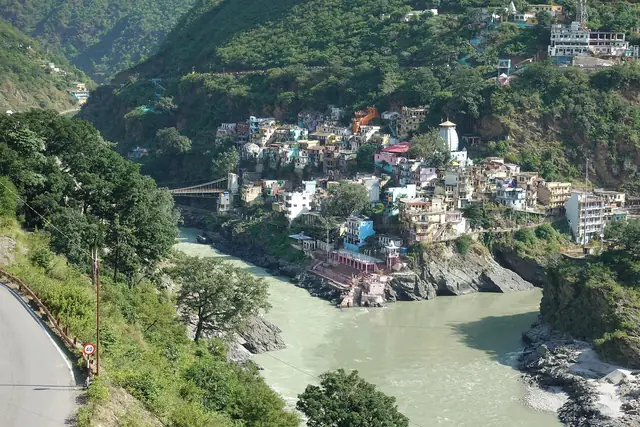
When the devas and asuras churned the ocean, the kumbha of amrit rose at last, and in the struggle for it drops fell at four places: Prayag, where the Ganga, Yamuna and unseen Sarasvati meet; Haridwar on the Ganga; Ujjain on the Shipra; and Nashik on the Godavari, with Trimbakeshwar near its source. The time of each mela is read from the sky. At Prayag it falls when Brihaspati is in Vrishabha and the Sun in Makara, in the month of Magha; at Haridwar when Brihaspati is in Kumbha; at Ujjain and Nashik when he is in Simha, which is why those two are called Simhastha. The main days are the shahi or amrit snans, led by the thirteen akharas of sadhus.
02What the records say
The Chinese pilgrim Xuanzang saw a vast gathering at the confluence of Prayag in 644 CE, where King Harsha, whom he calls Shiladitya, gave away his treasure to monks, Brahmins and the poor, a distribution held every five years; he also describes pilgrims bathing there to wash away sin. Whether this was the Kumbh is argued. The historian Kama Maclean finds no record of a twelve-year Kumbh at Prayag before the nineteenth century and thinks the Haridwar Kumbh the older; the Prayagwal pandas and the akharas hold the mela to be far more ancient, and the yearly Magh Mela at Prayag certainly is. Under Company rule the mela was taxed and policed, and pilgrims came by the new railways in huge numbers.
03The 2025 Maha Kumbh and after
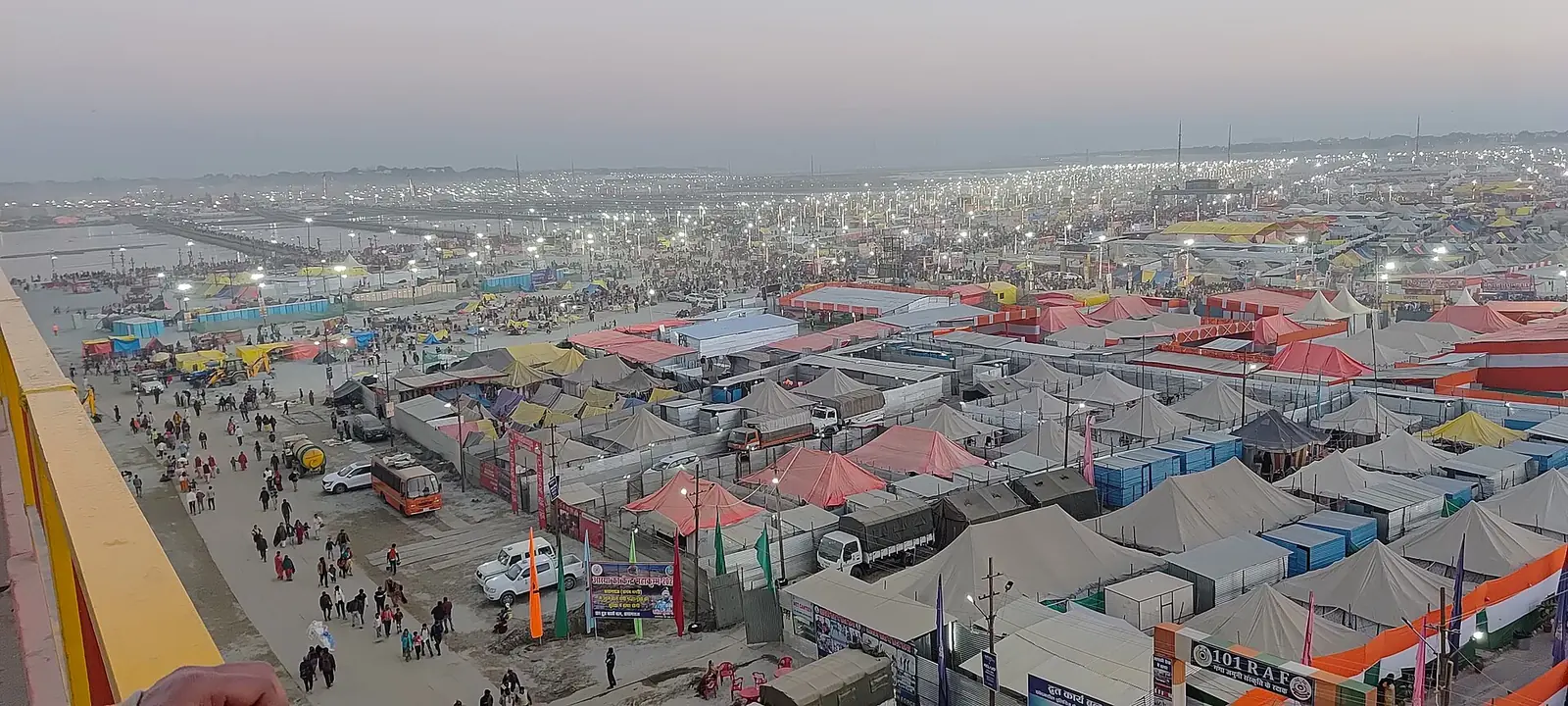
UNESCO inscribed the Kumbh Mela on its list of the intangible cultural heritage of humanity in December 2017. The Maha Kumbh at Prayagraj ran for 45 days, from Paush Purnima on 13 January to Mahashivratri on 26 February 2025, in a tent city on the sandbanks of the Sangam. On the last day Chief Minister Yogi Adityanath put the total at 66.21 crore bathers; the figure came from camera-based counting and some analysts doubt it, but no independent count exists. In the early hours of Mauni Amavasya, 29 January, a crush near the Sangam killed at least 30 people by the official figure. The next turns come at Nashik–Trimbakeshwar in 2027 and at Ujjain, the Simhastha, in 2028.