Cite
MLA
“Amarnath Yatra.” Hindu History, 2026, https://www.hinduhistory.in/yatra/amarnath-yatra/. Accessed .
APA
Hindu History. (2026). Amarnath Yatra. Retrieved , from https://www.hinduhistory.in/yatra/amarnath-yatra/
The route
- 1Pahalgam
- 2Chandanwari
- 3Sheshnag
- 4Panchtarni
- 5Amarnath cave
- 6Baltal
What defines it
- 01
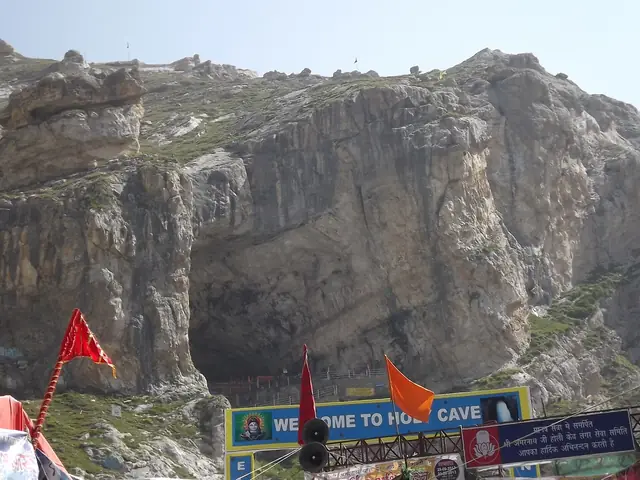
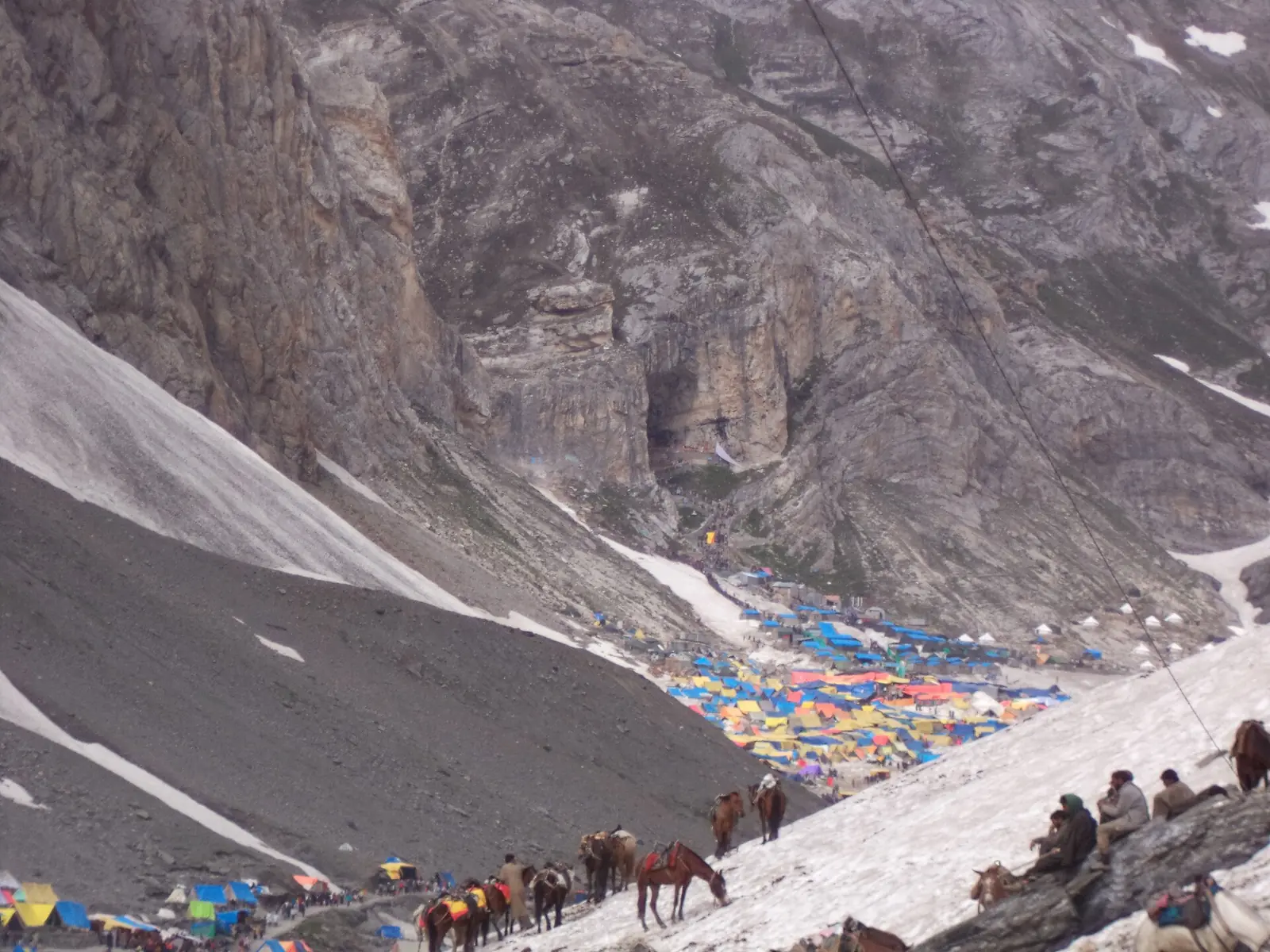
Ice linga in a cave at about 3,880 m
- 02
Pahalgam route by Sheshnag and Panchtarni; short route from Baltal
- 03
Chhari Mubarak from the Dashnami Akhara, Srinagar
- 04
Shri Amarnathji Shrine Board since 2000
- 05
About 4.14 lakh pilgrims in 2025; over 5.1 lakh in 2024
01The cave of the amar katha
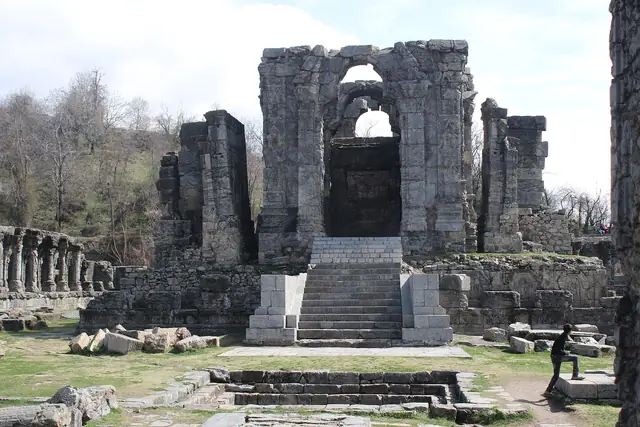
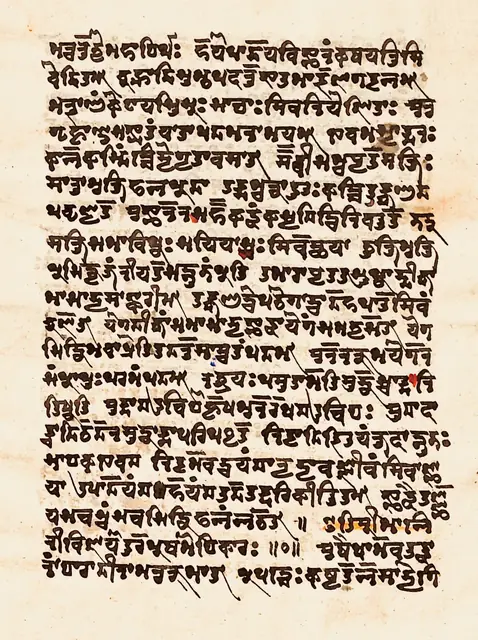
The katha told on the road is that Bhagwan Shiva, wishing to tell Mata Parvati the amar katha where no living thing could overhear, left Nandi at Pahalgam, the moon from his hair at Chandanwari, his serpents at Sheshnag, Ganesha at Mahagunas and the five elements at Panchtarni, and went into the cave alone with her. A pair of pigeons heard it all, and pilgrims still look for doves in the cave. The ice linga grows and wanes with the season, and beside it two smaller formations are worshipped as Parvati and Ganesha. Kalhana’s Rajatarangini, written in Kashmir in the twelfth century, already names Amareshvara as a tirtha.
02Shepherds, sadhus and the shrine board
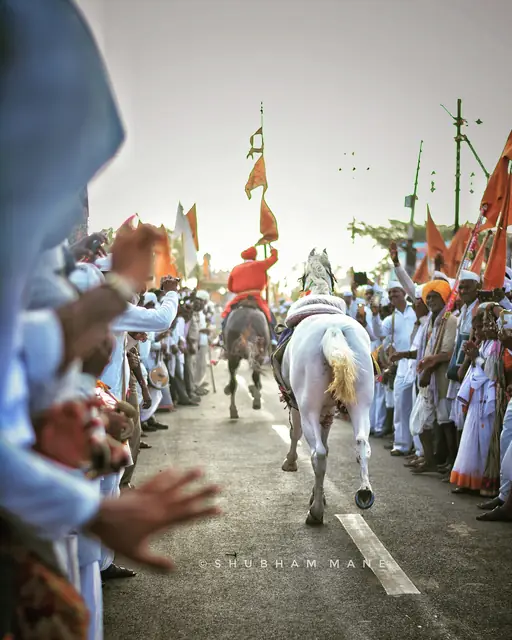
A popular story credits a Muslim shepherd, Buta Malik of Batakot, with finding the cave after a sadhu gave him a bag of coal that turned to gold. The dates given for him range from the fifteenth to the nineteenth century, and the cave is plainly older, since Kalhana knew it; what is true is that the Malik family long received a share of the offerings, and that local Muslim ponywallahs and porters have carried pilgrims for generations. The Chhari Mubarak, the silver mace of Shiva, is carried from the Dashnami Akhara in Srinagar to reach the cave on Shravan Purnima. Priests of the Dashnami Akhara and the Purohit Sabha of Mattan looked after the cave until the Shri Amarnathji Shrine Board was set up by law in 2000.
03Two routes and a guarded road
The old route starts at Pahalgam and climbs by Chandanwari, the lake of Sheshnag and the pass of Mahagunas to Panchtarni and the cave, a walk of three or four days. The shorter route from Baltal in the Sindh valley is about 14 km and steep. Since the 1990s the yatra has been held under the heaviest security of any pilgrimage in India: militants attacked pilgrims at Pahalgam in August 2000 and a bus of yatris near Anantnag in July 2017. Registration and a medical certificate are compulsory. More than 5.1 lakh pilgrims came in 2024; in 2025 heavy rain damaged the tracks, the yatra was cut short by about a week, and some 4.14 lakh had darshan.
In the texts
- Rajatarangini of Kalhana