Cite
MLA
“Char Dham Yatra.” Hindu History, 2026, https://www.hinduhistory.in/yatra/char-dham-yatra/. Accessed .
APA
Hindu History. (2026). Char Dham Yatra. Retrieved , from https://www.hinduhistory.in/yatra/char-dham-yatra/
The route
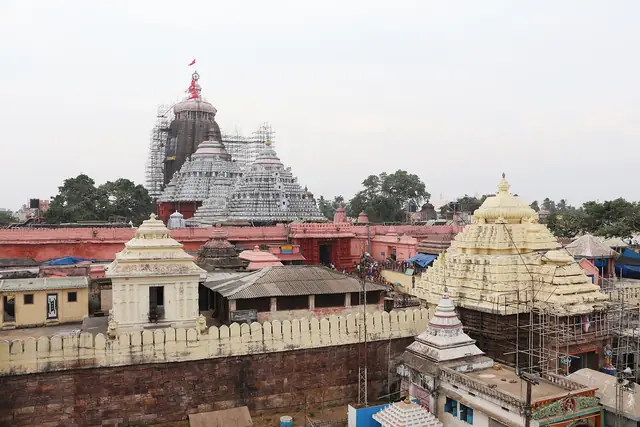
- 1Jagannath Puri
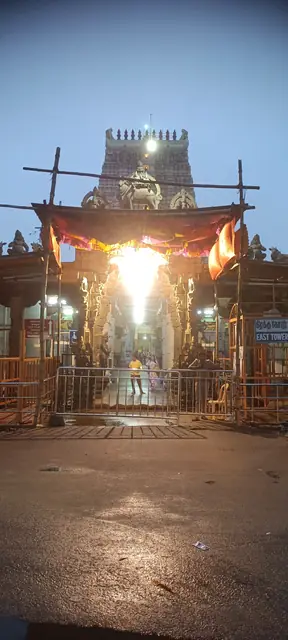
- 2Rameswaram
- 3Dwarka
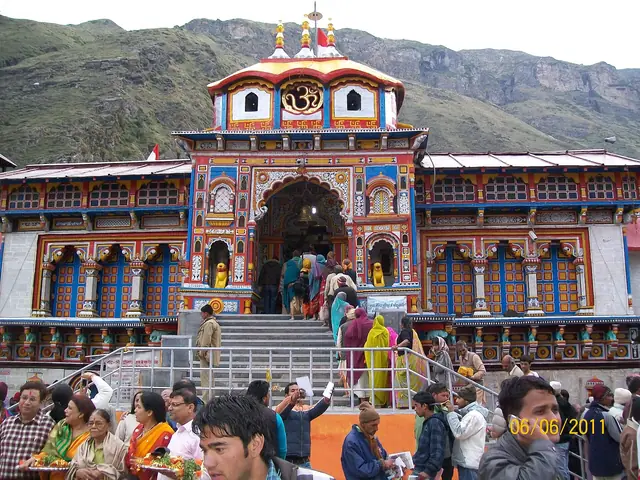
- 4Badrinath
What defines it
- 01
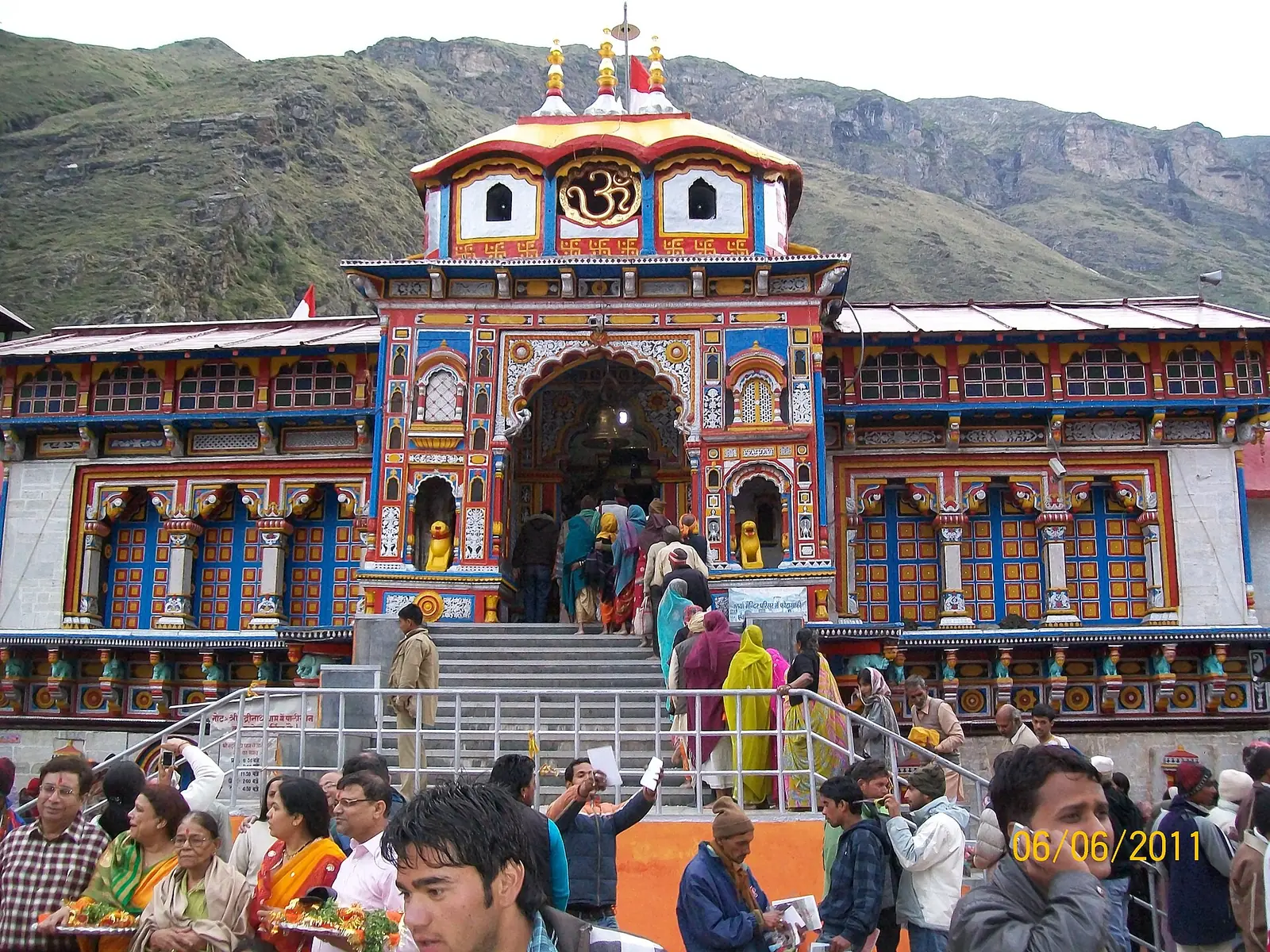
Badrinath (north), Jagannath Puri (east), Rameswaram (south), Dwarka (west)
- 02
Three Vaishnava dhams and one Shaiva dham
- 03
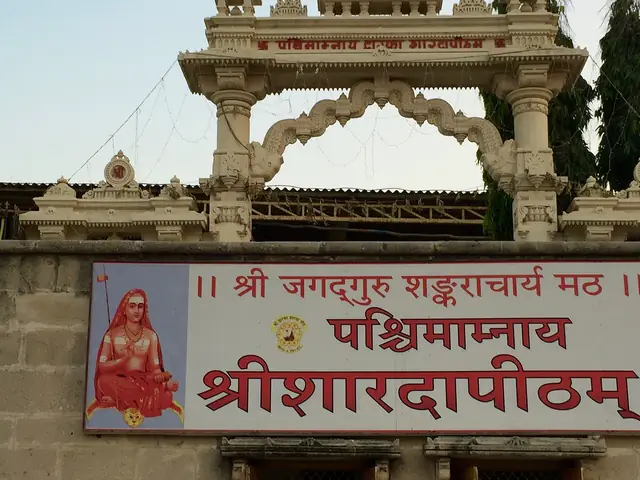
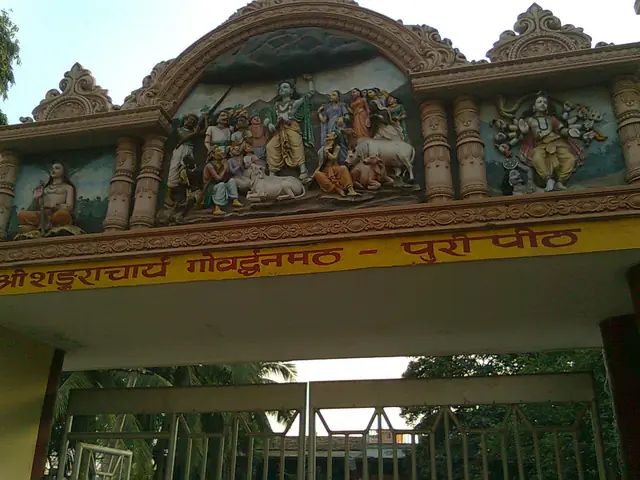
Four amnaya mathas: Jyotirmath, Govardhan Matha, Sharada Peetham, Sringeri
- 04
Badrinath’s Rawal is a Namboodiri from Kerala
- 05
Traditional order: east, south, west, north (pradakshina of Bharat)
01Four dhams, four mathas
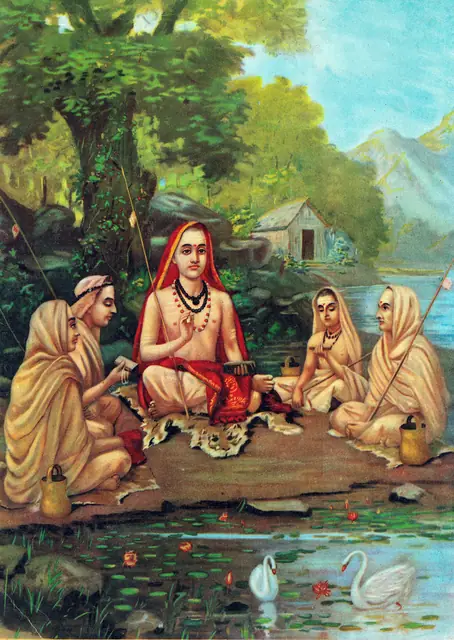
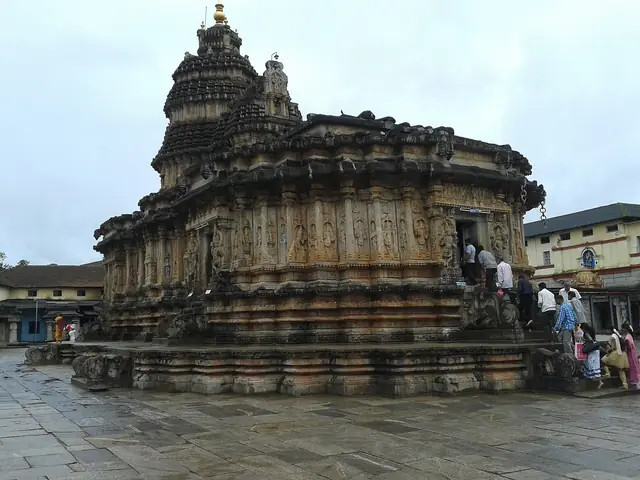
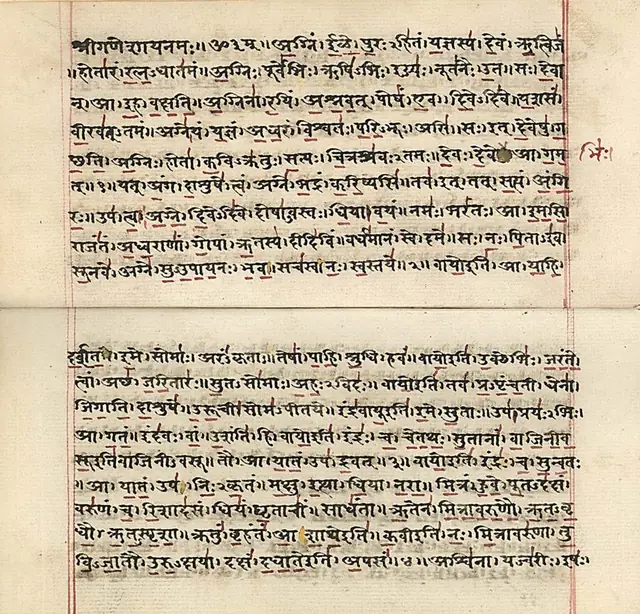
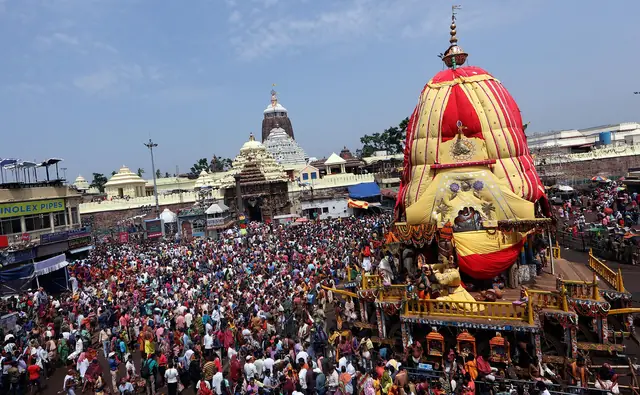
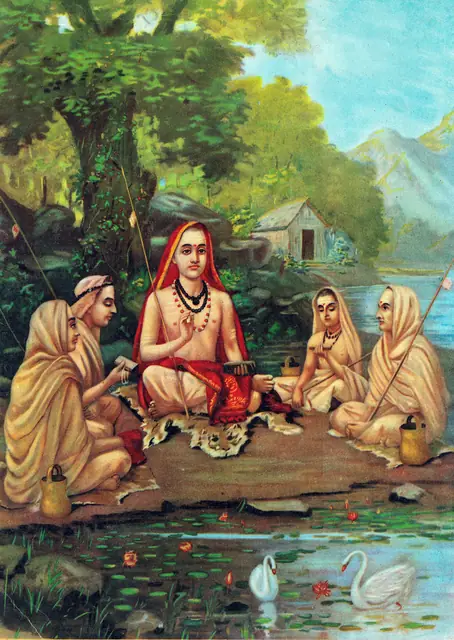
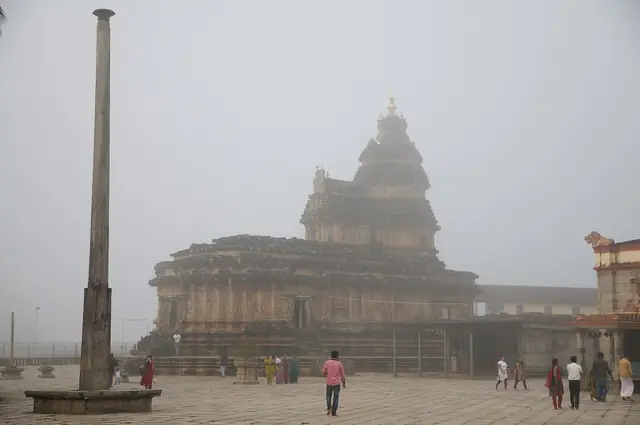
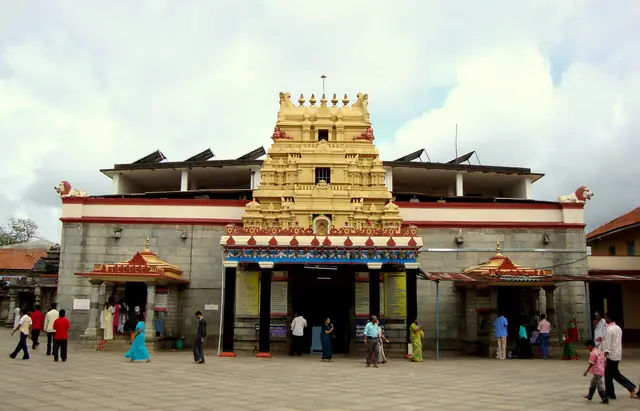
The Shankara tradition says that Adi Shankaracharya, after walking the length of Bharat, set up four amnaya mathas at its four quarters and gave each a Veda to guard: Jyotirmath near Badrinath (Atharva Veda), Govardhan Matha at Puri (Rig Veda), Sharada Peetham at Dwarka (Sama Veda) and Sringeri on the Tunga in the south (Yajur Veda). Three of the four dhams belong to Bhagwan Vishnu, Badri-Narayan, Jagannath and Dwarkadhish, and one to Bhagwan Shiva, at Rameswaram, where the Ramayana tradition says Shri Rama worshipped the linga before crossing to Lanka. The southern dham is Rameswaram, not Sringeri; the matha and the dham are different things.
02Priests from the far end of the land
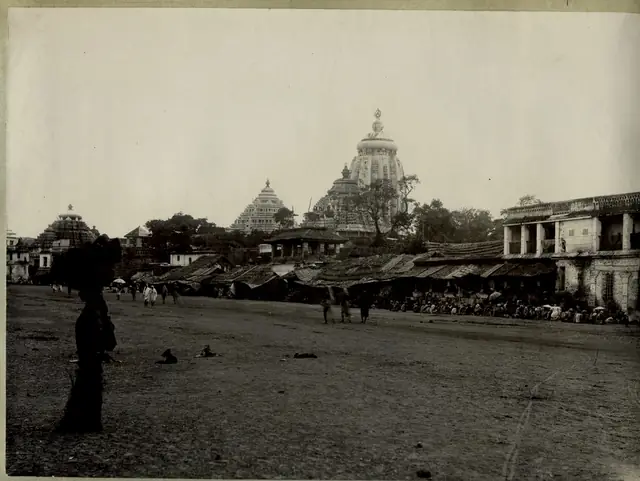
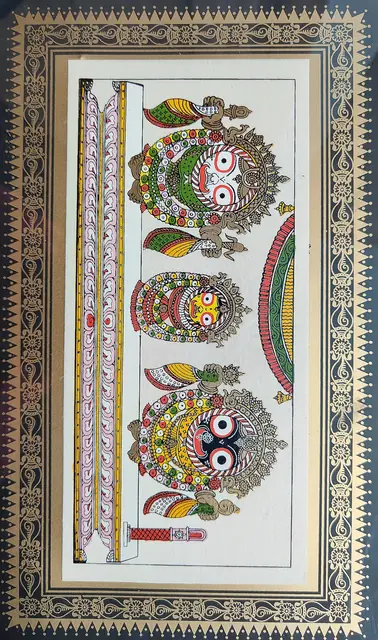
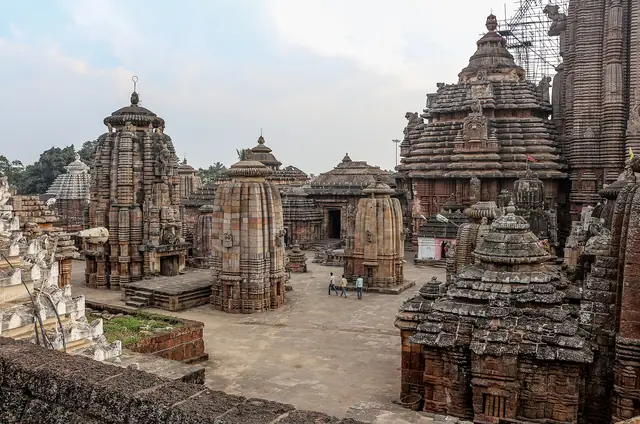
The four dhams are bound to each other in small, stubborn ways. The Rawal, the chief priest of Badrinath, is by long custom a Namboodiri Brahmin from Kerala, so a man from the southern tip of Bharat performs the abhisheka in the Himalaya. The Jagannath temple at Puri was raised by the Eastern Ganga king Anantavarman Chodaganga Deva in the twelfth century, and Puri’s Madala Panji chronicle records its rites year by year. At Rameswaram the Setupati rulers of Ramanathapuram built much of the long pillared corridors. Families of tirtha-purohits at each dham kept registers of the pilgrims who came, so a family can still find a great-grandfather’s name written in a panda’s book.
03Through invasion, by rail and road
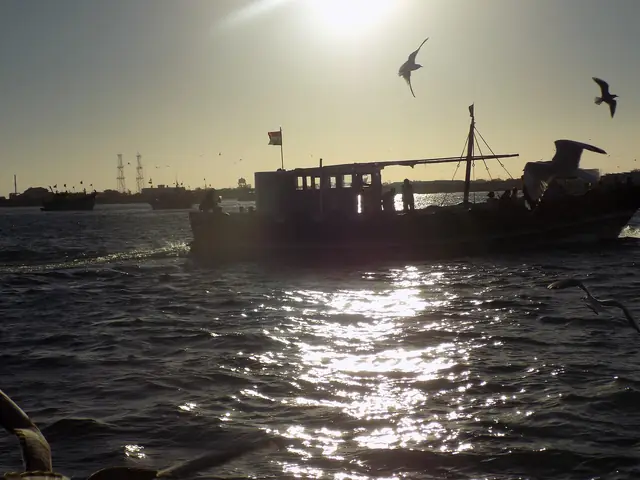
The dhams lived through hard centuries. In 1568 the Bengal general Kalapahad reached Puri; the servitors hid the images on an island in Chilika lake, and the images were found and burnt, after which the Rath Yatra was interrupted for years. Mahmud Begada of Gujarat attacked Dwarka in 1473. Each time the worship came back. In 1914 the Pamban railway bridge carried pilgrims across the sea to Rameswaram for the first time; its replacement, India’s first vertical-lift sea bridge, opened on 6 April 2025. What once took a lifetime on foot now takes a few weeks by train and bus, but most families still try to do it in the old order, beginning in the east.
Great masters
In the texts
- Madala Panji (Puri temple chronicle)