Cite
MLA
“Kanwar Yatra.” Hindu History, 2026, https://www.hinduhistory.in/yatra/kanwar-yatra/. Accessed .
APA
Hindu History. (2026). Kanwar Yatra. Retrieved , from https://www.hinduhistory.in/yatra/kanwar-yatra/
The route
- 1Gaumukh
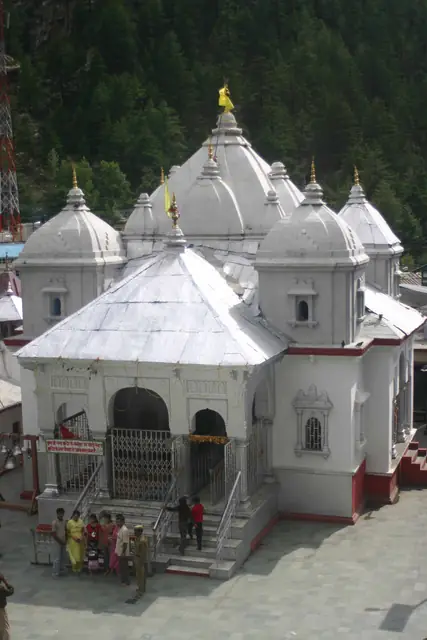
- 2Gangotri
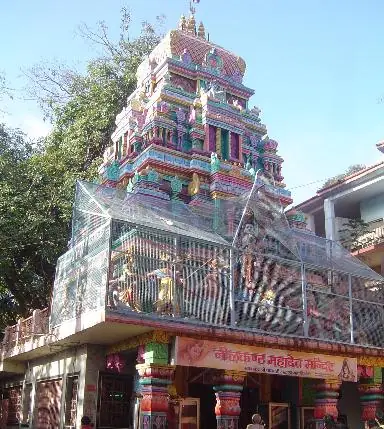
- 3Neelkanth Mahadev
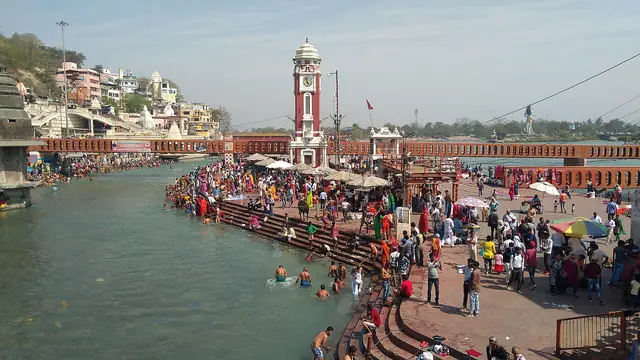
- 4Haridwar, Har ki Pauri
- 5Pura Mahadev, Baghpat
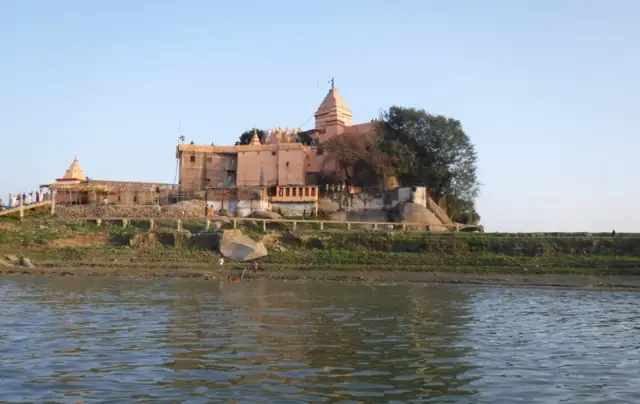
- 6Sultanganj, Ajgaibinath
- 7Baidyanath, Deoghar
What defines it
- 01
Bamboo kanwar with two pots; never set on the ground
- 02
Water poured on Shravan Shivaratri
- 03
Dak kanwar: run in relays without halting
- 04
Shravani Mela: Sultanganj to Baidyanath Deoghar, about 105 km
- 05
About 4.5 crore at Haridwar in 2025 (Mela control room)
01Water carried on the shoulder
A kanwar is a bamboo pole with a pot of Ganga water hung at each end, decorated with flags, bells and pictures of Mahadev. Once filled, it must not touch the ground; when the kanwariya rests, the kanwar is hung on a stand. The water is poured on the linga of the pilgrim’s home temple on the Shivaratri of Shravan. The explanation most often heard is from the Samudra Manthan: Bhagwan Shiva drank the halahala poison, and the devas poured Ganga water on him to cool its burning. In western Uttar Pradesh people say Parashurama was the first kanwariya, carrying Ganga water to the Pura Mahadev temple near Baghpat.
02Haridwar to the plains, Sultanganj to Deoghar
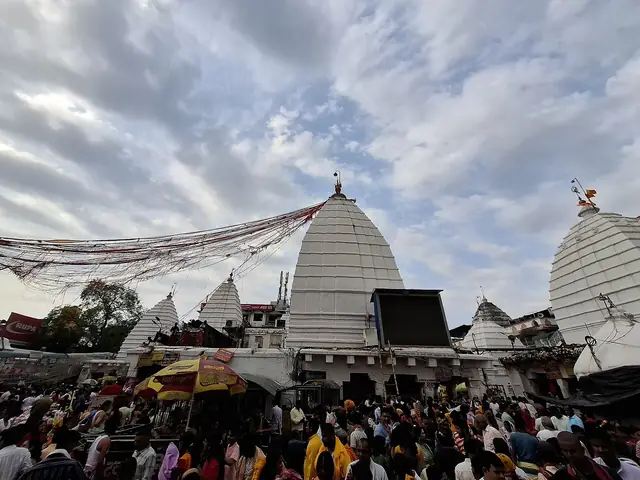
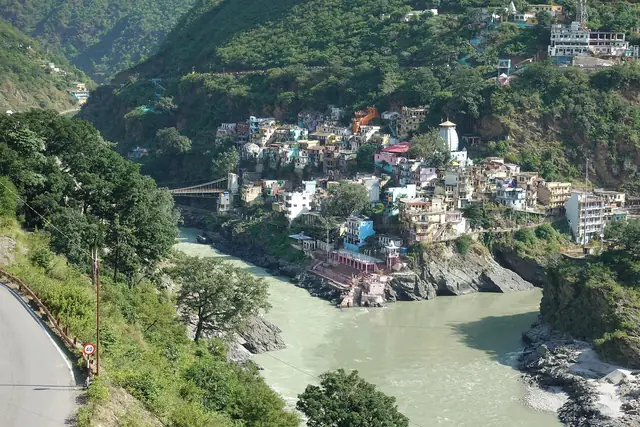
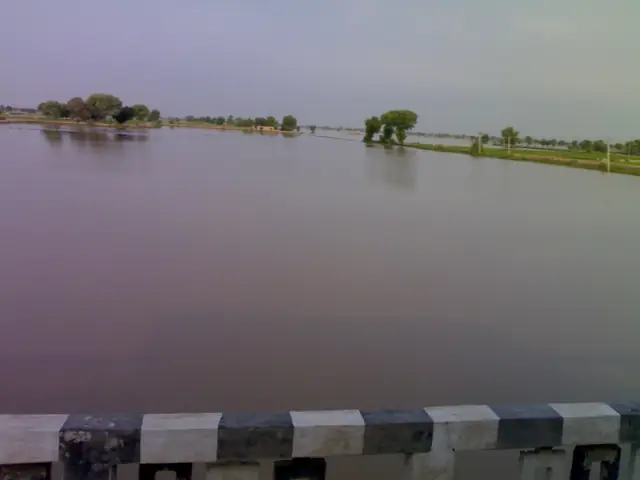
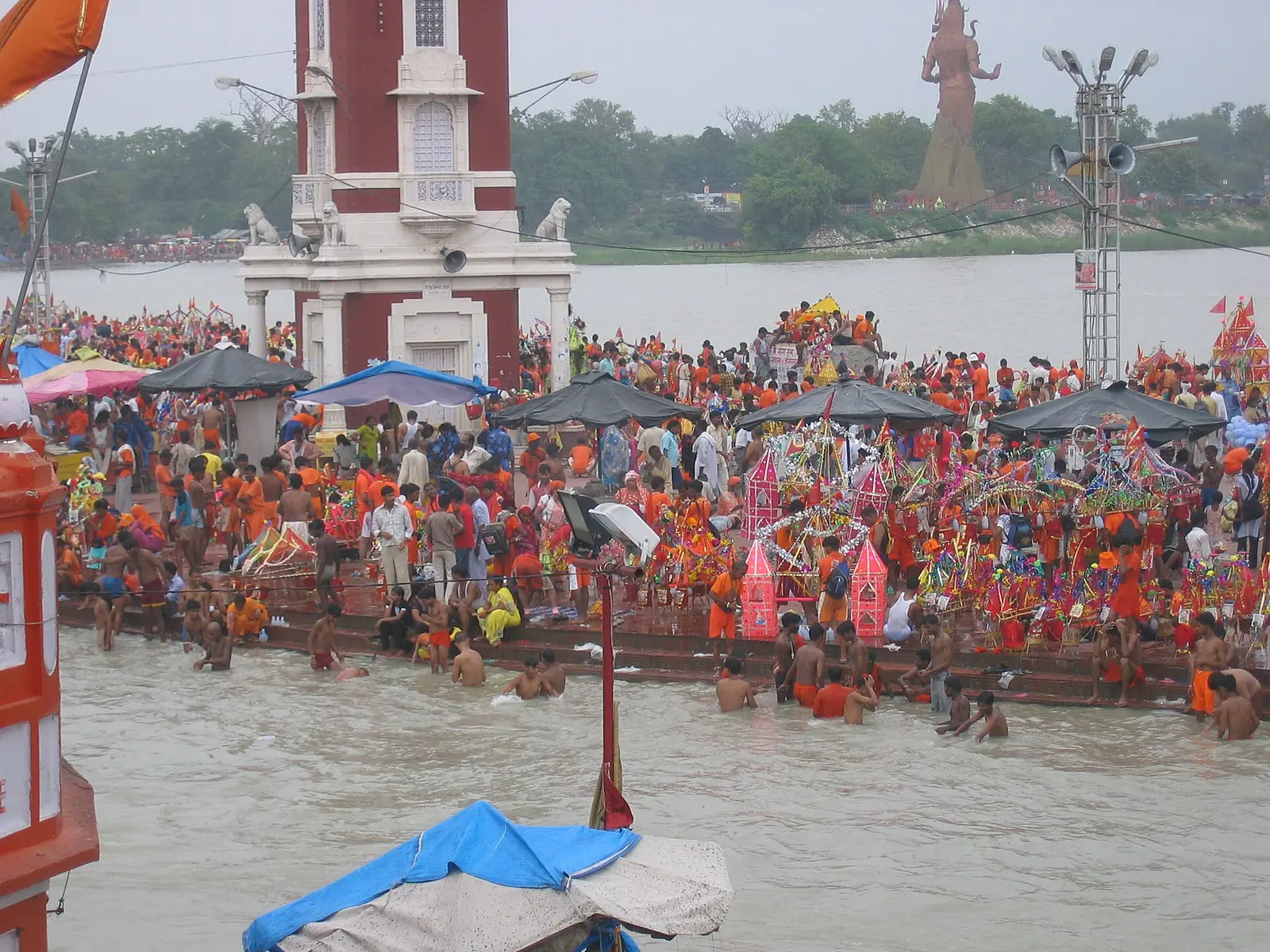
Most northern kanwariyas fill their pots at Har ki Pauri in Haridwar or at Neelkanth near Rishikesh and walk home to Delhi, Haryana, Rajasthan and western Uttar Pradesh, some 150 to 250 km; a few go up to Gangotri or Gaumukh for water from the source. The dak kanwar is carried in relays, running, without a halt. In the east the great route runs from Sultanganj in Bihar, where the Ganga flows north past the Ajgaibinath temple, about 105 km to the jyotirlinga of Baidyanath at Deoghar in Jharkhand; this is the Shravani Mela, and the kanwariyas there are called bol bam, from the cry they raise on the road.
03The largest walk on the calendar
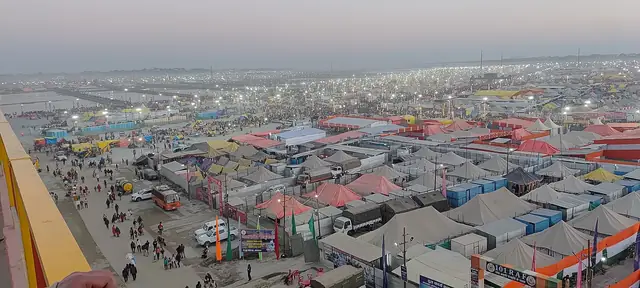
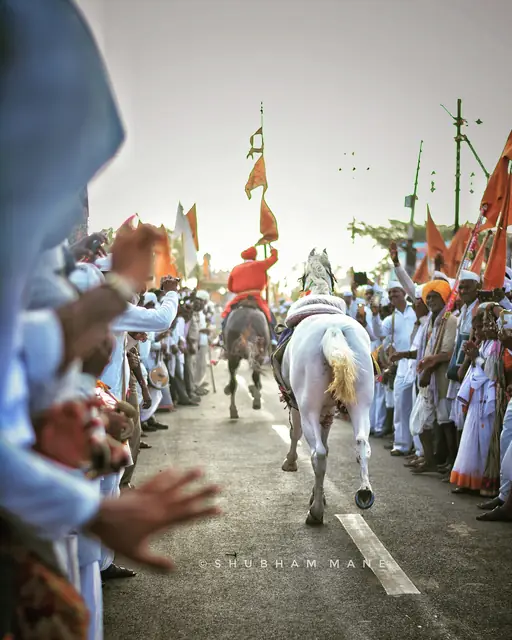
The kanwar has grown enormously in living memory, and it now closes highways for two weeks. In 2025 the Haridwar Kanwar Mela control room counted more than 4.5 crore kanwariyas collecting Gangajal over the fortnight, as reported by All India Radio on 23 July 2025; other reports from the same control room gave just over 4 crore. Haridwar was divided into 16 super zones with about 4,000 police and paramilitary personnel, and Uttar Pradesh deployed over 10,000 women police along its routes. The city’s municipal corporation cleared around 7,000 tonnes of waste afterwards. Roadside camps run by local committees give food, water and medical help free to every kanwariya.