Cite
MLA
“Were the Harappans Vedic?.” Hindu History, 2026, https://www.hinduhistory.in/vimarsha/harappan-vedic-relationship/. Accessed .
APA
Hindu History. (2026). Were the Harappans Vedic?. Retrieved , from https://www.hinduhistory.in/vimarsha/harappan-vedic-relationship/
What defines it
- 01
Fire altars at Kalibangan and Lothal
- 02
Hundreds of Harappan sites along the Ghaggar-Hakra
- 03
No layer of invasion in the cities
- 04
Horse and spoked chariot central to the Rigveda
- 05
Vedic deity names in the Mitanni treaty, c. 1380 BCE
- 06
The Indus script still unread
01Two records, one land
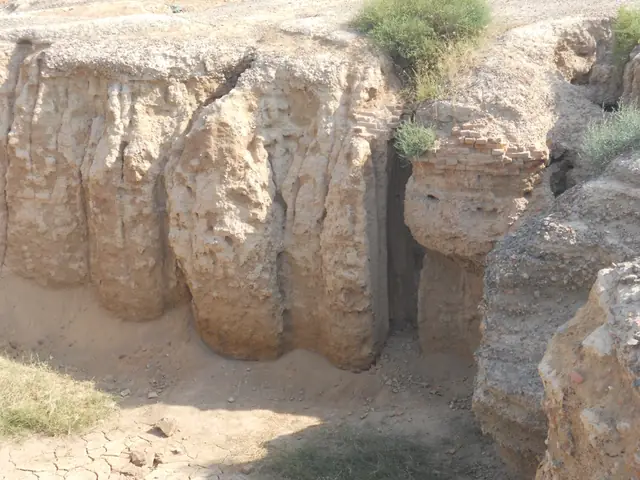
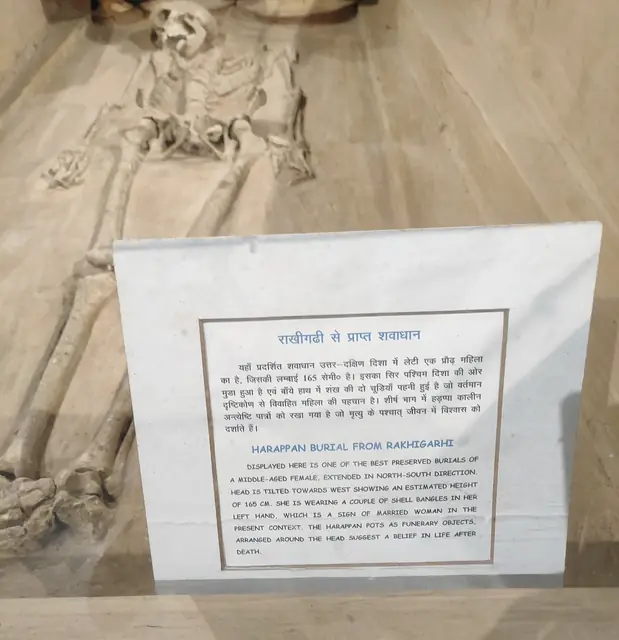
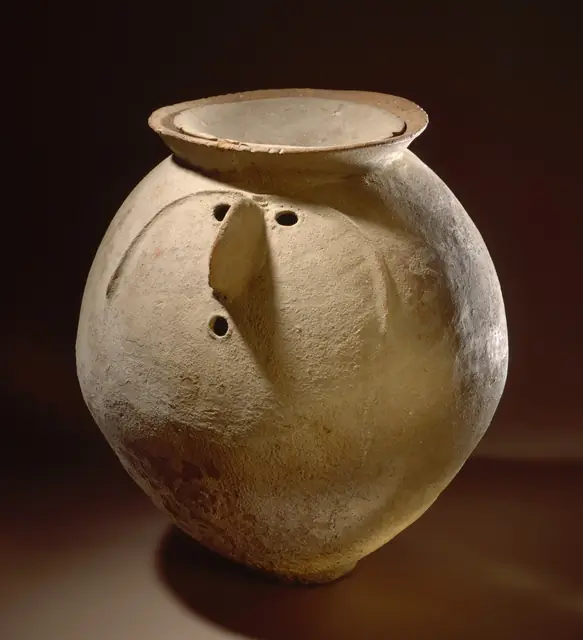
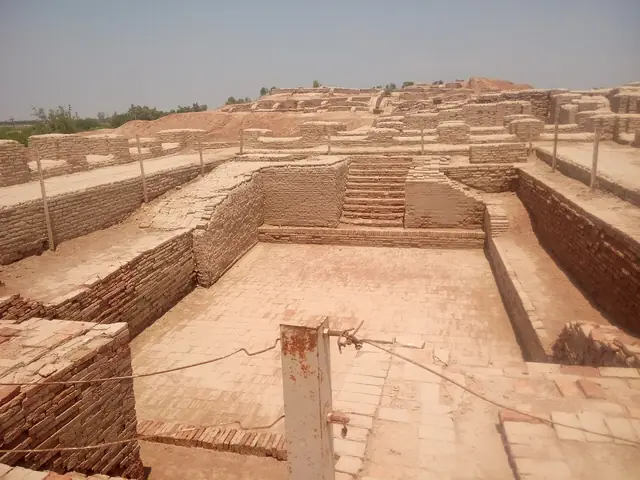
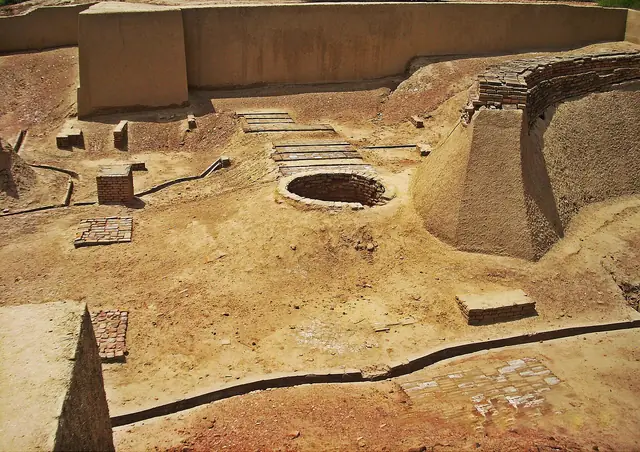
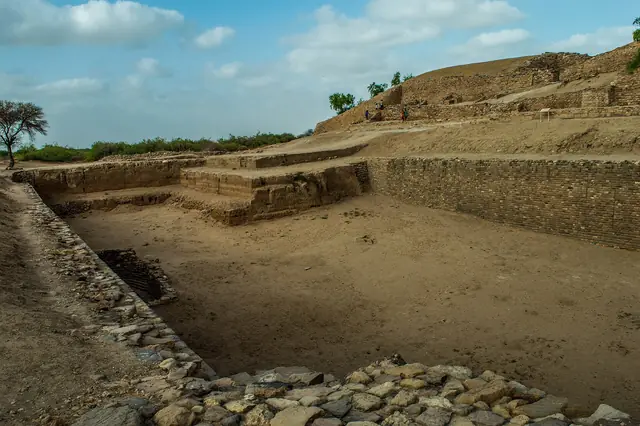
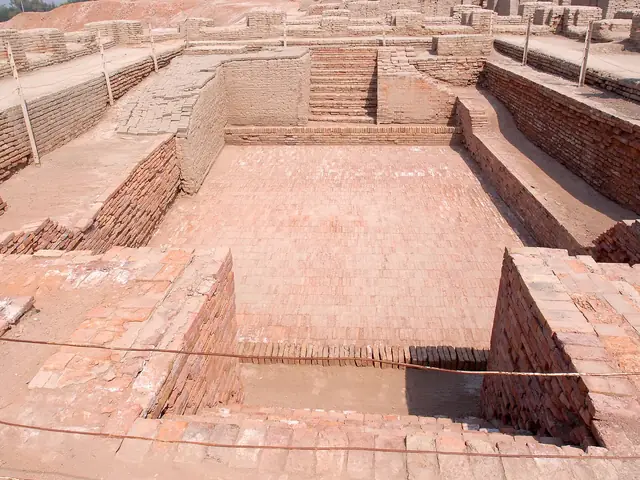
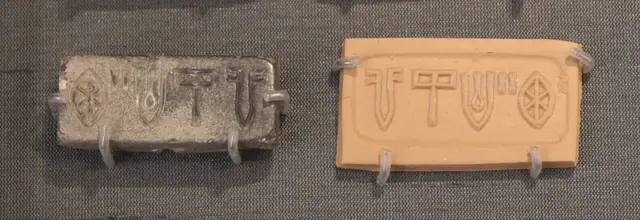
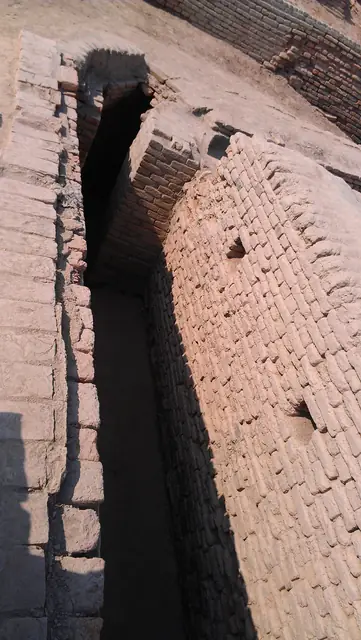
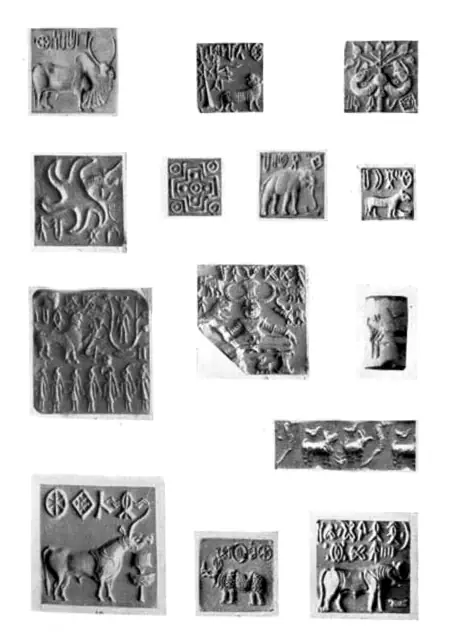
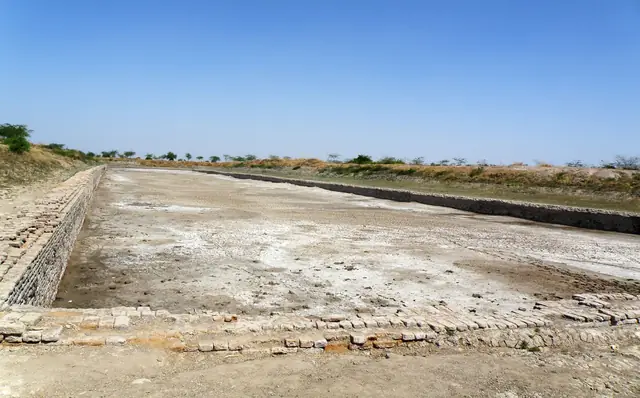
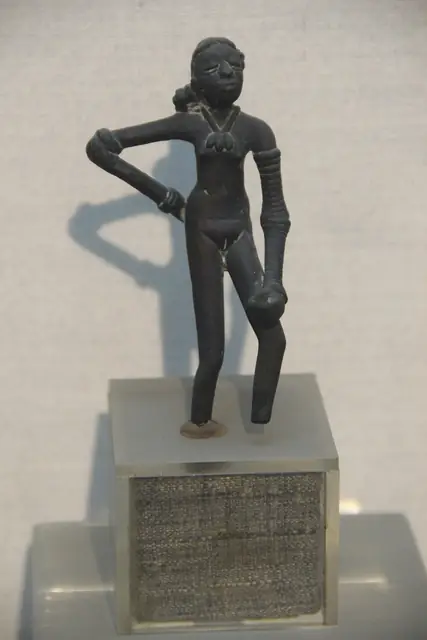
The Harappan record is all things and no words we can read: brick cities like Mohenjo-daro and Dholavira, seals, standard weights, covered drains, and rows of fire altars at Kalibangan and Lothal. The Vedic record is the reverse, all words and almost no things: the 1,028 hymns of the Rigveda, kept by memory with an exactness no manuscript can match, naming rivers from the Kubha (Kabul) to the Ganga and praising the Sarasvati above all. On the map the two overlap. The Ghaggar-Hakra, which many identify with the Sarasvati, is lined with Harappan sites such as Kalibangan, Banawali and Rakhigarhi. Because the Indus script is still unread, no Harappan has told us the name of his gods or his river, and every link between the two records has to be argued from indirect evidence.
02What the question is now
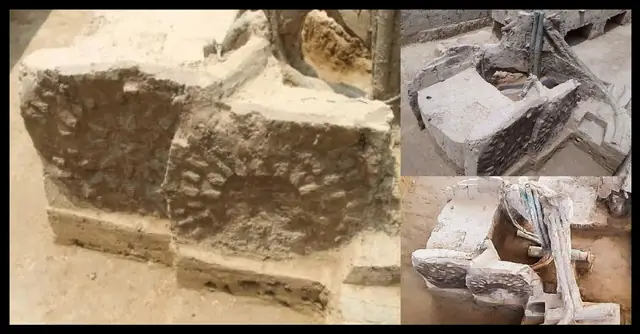
For a century the colonial answer was simple: the Vedic people were invaders who destroyed the cities. That version has collapsed, and our Myth vs Fact page on the Aryan invasion theory tells how. What survives is a subtler question. Did the people who built the cities also sing the hymns, or did speakers of an Indo-Aryan language enter after the cities declined and merge with their heirs? Since 2019 ancient DNA has joined the argument. In 2018 the ASI found chariot burials at Sinauli in the Ganga–Yamuna doab dated c. 2000–1800 BCE. And the date of the Rigveda is itself contested, which changes everything downstream. Each answer alters how the beginning of Bharat’s story is told, so the reader deserves to see each side at its strongest.
The positions
One civilisation: the Harappans were the Vedic people
B. B. Lal (The Sarasvati Flows On, 2002; The Rigvedic People, 2015), Michel Danino, Vasant Shinde
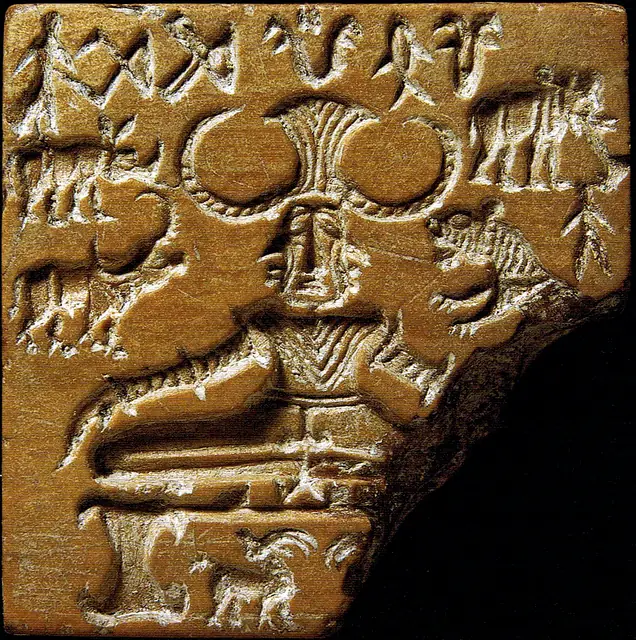
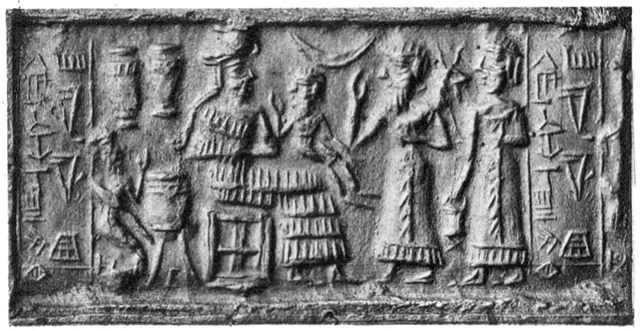
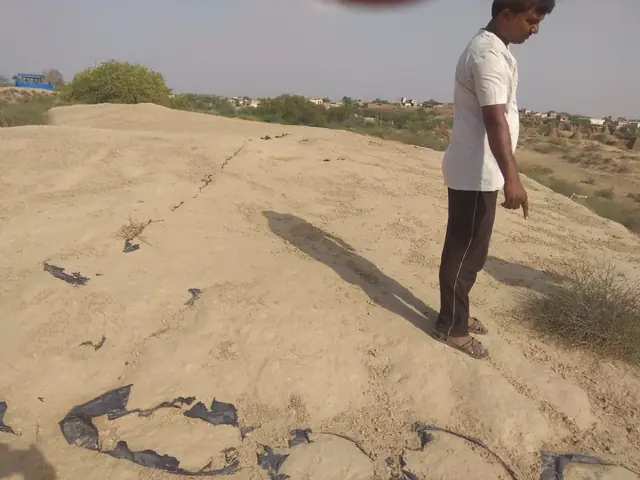
Lal argued that the Rigvedic people and the authors of the Harappan civilisation were the same. No layer of conquest or foreign intrusion has been found in the cities. Fire altars at Kalibangan and Lothal answer to the Vedic fire rite. The densest Harappan settlement lies along the Ghaggar-Hakra, which Lal identifies with the Sarasvati, a river the hymns describe as overflowing; if it had shrunk by the second millennium BCE, the hymns praising it must be older than any migration of that date. The seated yogi on the seals, conch bangles and the layout of villages carry on into later Hindu life.
The hymns describe a world of cattle, horses and spoked-wheel chariots, and give no clear picture of planned brick cities, drains or seals. Horse remains in mature Harappan levels are few and disputed. Without a readable script, the case matches material things to texts, which can prove continuity of culture without proving that the cities spoke Vedic Sanskrit.
Two peoples: Indo-Aryan speakers came after the cities
Asko Parpola (The Roots of Hinduism, 2015), Michael Witzel, Iravatham Mahadevan
On this view the Harappans spoke another language, most often proposed as early Dravidian, and speakers of Indo-Aryan entered from the north-west in the late Harappan period. Parpola traces two waves through the Bactria–Margiana culture of Central Asia, the later of which brought the Rigveda. The school points to the Rigveda’s closeness to the Avesta of Iran, the Indo-Aryan god names in the Mitanni treaty of about 1380 BCE in Syria, the central place of the horse and chariot in the hymns, and the steppe ancestry that ancient DNA shows arriving after 2000 BCE.
No clear archaeological trail of incoming people has been found in Bharat, and the material culture shows little break from Harappan to post-Harappan times, as even the geneticist Vagheesh Narasimhan has said. The Rigveda keeps no memory of a homeland elsewhere. And a Dravidian Harappa is itself a reading of a script nobody can read.
Fusion: later Bharat grew from both, and the case is open
Edwin Bryant (The Quest for the Origins of Vedic Culture, 2001), Vagheesh Narasimhan; Parpola on the Harappan roots of Hindu worship
Bryant’s survey of every argument, Indian and Western, found that much of the linguistic and archaeological evidence can be read for migration or for indigenous origin, and that little is decisively proved either way. Many who accept a migration also hold that the newcomers took up local practice: Narasimhan notes that the Soma and homa rites have no precedent on the steppe, and Parpola named his book The Roots of Hinduism because he finds Harappan elements in later Hindu worship. On this view continuity on the ground is the firm fact, whatever the languages were.
A middle position can blur a real disagreement: the language of the cities either was Indo-Aryan or it was not. Saying both postpones the answer, and it does not settle the date of the Rigveda, on which every other step depends.
Three things would decide it. A readable Harappan inscription, ideally a bilingual found in Mesopotamia where Harappan traders lived, showing what language the cities spoke. A firm date for the oldest hymns of the Rigveda. And ancient DNA from late Harappan and post-Harappan burials across north India, above all the Ganga plain, showing who lived where in the second millennium BCE.
Great masters
In the texts
- Rigveda Samhita
- B. B. Lal, The Sarasvati Flows On (2002)
- Asko Parpola, The Roots of Hinduism (2015)