Cite
MLA
“Which river was the Sarasvati?.” Hindu History, 2026, https://www.hinduhistory.in/vimarsha/sarasvati-river-identity/. Accessed .
APA
Hindu History. (2026). Which river was the Sarasvati?. Retrieved , from https://www.hinduhistory.in/vimarsha/sarasvati-river-identity/
What defines it
- 01
Rigveda 2.41.16: naditame, best of rivers
- 02
Rigveda 7.95.2: from the mountains to the sea
- 03
Rigveda 10.75.5: between Yamuna and Shutudri
- 04
Mahabharata: lost in the sands at Vinashana
- 05
Sutlej leaves the channel c. 8,000 years ago (Singh et al., 2017)
- 06
Avestan Haraxvaiti
01The river of the hymns
The Rigveda praises Sarasvati as ambitame, naditame, devitame, best of mothers, best of rivers, best of goddesses (2.41.16). Hymn 7.95 says she flows pure from the mountains to the sea, giribhya a samudrat. The river hymn of the tenth mandala, the Nadistuti (10.75.5), names the rivers in order from east to west, Ganga, Yamuna, Sarasvati, Shutudri, so the Sarasvati lay between the Yamuna and the Sutlej. Much later the Mahabharata says she disappears into the desert at Vinashana, and the tirtha tradition holds that she flows unseen to join Ganga and Yamuna at Prayag. The hymns speak of a living, great river; the Itihasa already remembers a vanishing one.
02The dry bed between
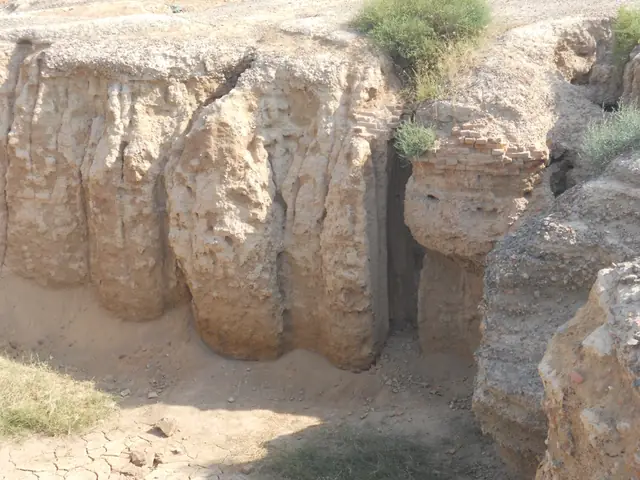
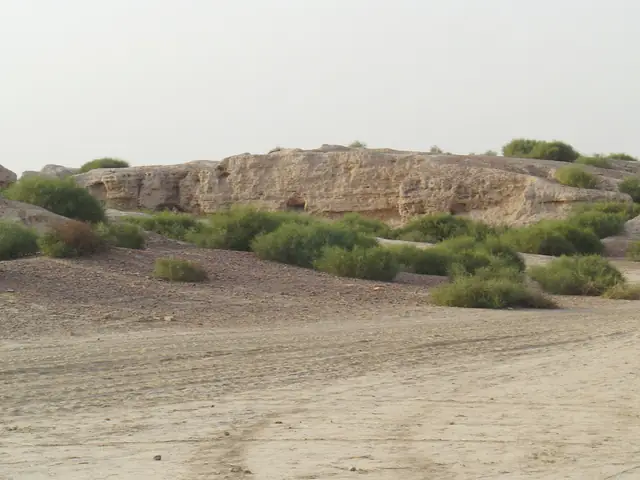
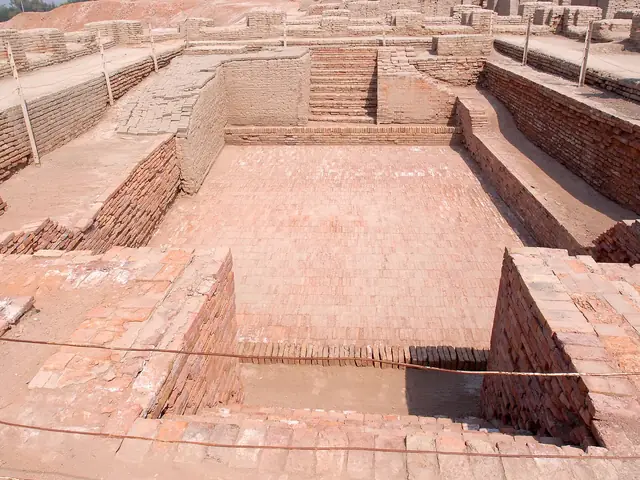
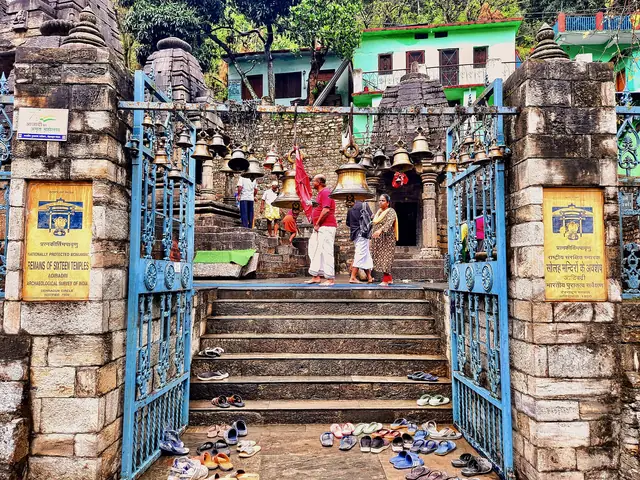
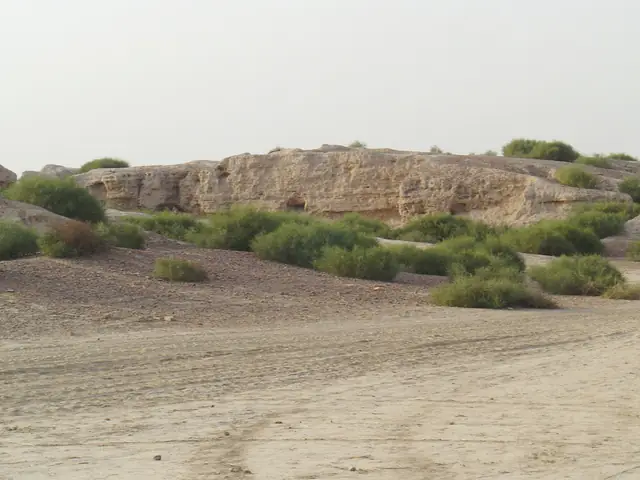
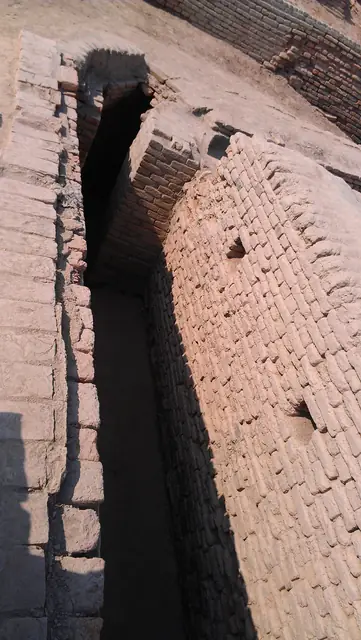
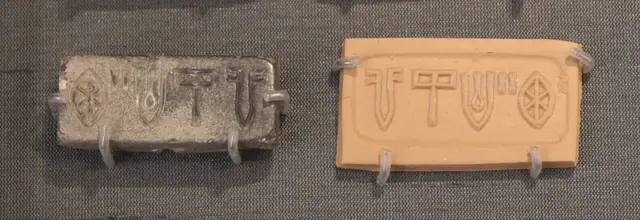
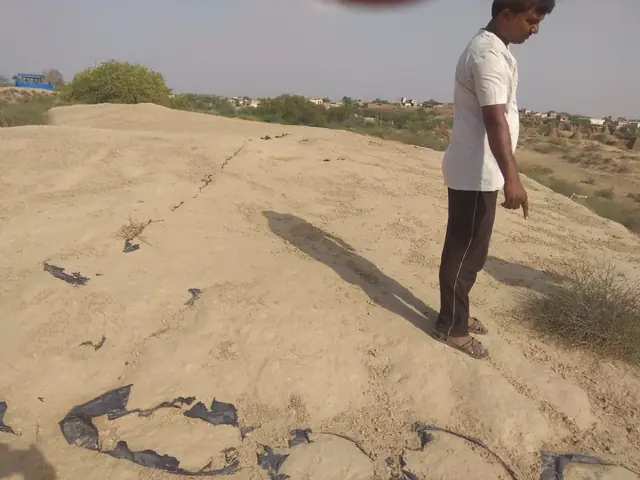
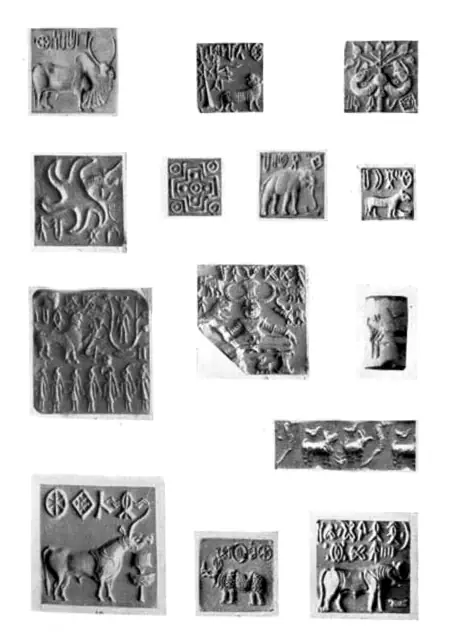
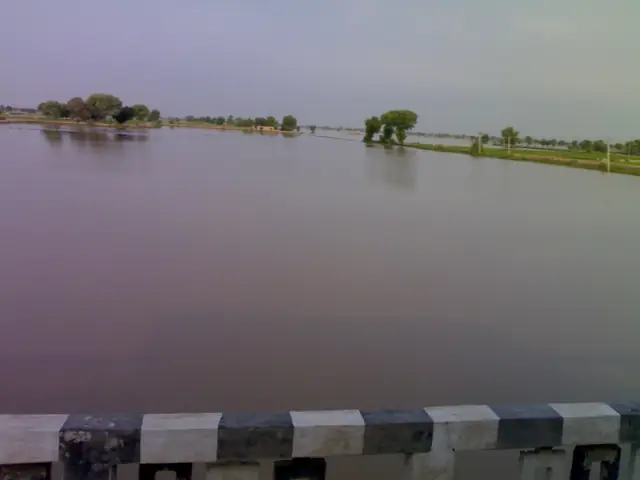
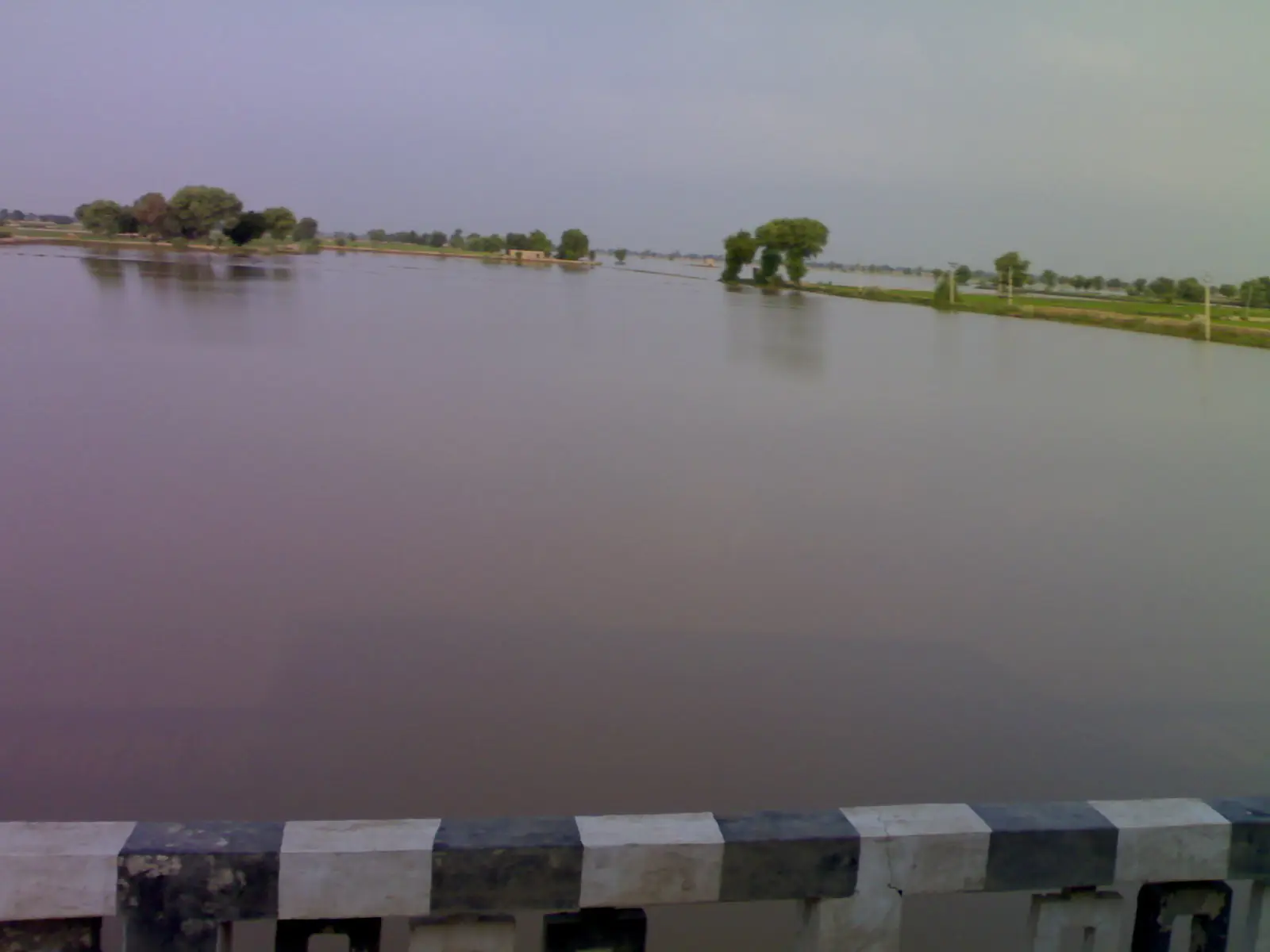
Between the Yamuna and the Sutlej today runs the Ghaggar, a seasonal stream rising in the Shivalik hills near Panchkula, which crosses Haryana and northern Rajasthan and becomes the Hakra in Cholistan in Pakistan before it is lost in the sands. Its wide, dry bed was identified with the Sarasvati by British surveyors in the 19th century, before the Harappan civilisation was even known. Hundreds of Harappan sites line it, among them Kalibangan, Banawali, Bhirrana and Rakhigarhi, and in Haryana its source is honoured at Adi Badri. Geologists now drill its buried channel and date the sand grains, and their results are the heart of the present argument.
The positions
The Ghaggar-Hakra was the Sarasvati, once a great Himalayan-fed river
B. B. Lal; K. S. Valdiya (Saraswati: The River That Disappeared, 2002); Michel Danino (The Lost River, 2010); Chatterjee and colleagues (Scientific Reports, 2019)
The Ghaggar’s place between the Yamuna and the Sutlej matches hymn 10.75 exactly. Its dry bed is wide, and the density of Harappan settlement along it shows a river that once sustained cities. In 2019 Chatterjee and colleagues traced the source of sediments along some 300 km of the basin and reported a perennial river carrying sediment from the Higher and Lesser Himalaya, with one phase of such flow reported around 9,000 to 4,500 years ago, covering the rise of the cities. Its decline matches the abandonment of sites and the Mahabharata’s memory of Vinashana.
Other sediment studies disagree on when Himalayan rivers last fed the channel; on one major study the Sutlej had left it before the cities rose. And from the mountains to the sea may be the language of praise, or describe a time before the Harappan cities, which would push the hymn very far back.
The same river, but monsoon-fed in Harappan times
Liviu Giosan and colleagues (PNAS, 2012); Ajit Singh, Sanjeev Gupta, Rajiv Sinha and colleagues (Nature Communications, 2017)
Giosan’s team found no deep-cut channel joining the Yamuna or the Sutlej to the Ghaggar-Hakra over the last ten thousand years, and concluded that it was a monsoon-fed river. Singh and colleagues, of IIT Kanpur and Imperial College London, dated sand grains by luminescence and showed that the Ghaggar-Hakra palaeochannel was an old course of the Sutlej, which had moved to its present course shortly after about 8,000 years ago, well before the Harappans. The valley it left then gathered monsoon water, and the cities grew along a gentler, seasonal river.
This view explains the geology but does not deny that the Ghaggar was the Sarasvati; the hymns’ praise of a great river must then refer to an older time or to poetry. Other studies, including the 2019 work on Himalayan sediment, read the same channel differently, and the debate among geologists is live.
The first Sarasvati was the Helmand of Afghanistan
Rajesh Kochhar (The Vedic People, 2000)
The Avesta of Iran names a river and land Haraxvaiti, the same word as Sarasvati in Iranian sound. Kochhar argues that the naditama Sarasvati of the oldest hymns, a large river ending in a lake or sea, resembles the Helmand of southern Afghanistan and its terminal lakes, and that the Rigvedic people later gave the name to the upper Ghaggar after the river they had left behind. He keeps the identification of the later Sarasvati with the Ghaggar.
Hymn 10.75 places the Sarasvati between the Yamuna and the Sutlej, in Bharat, and no hymn places her in the west. The theory requires a migration with a renamed river, which is the very point in dispute, and critics say the Rigvedic description does not fit the Helmand.
More dated cores from the buried channel along its whole length, with results that the competing laboratories agree on, showing when Himalayan water last flowed there. A firm date for the hymns that describe the river in full flood. And dated sites on the channel, early and late, like Bhirrana and Kalibangan, showing exactly when people followed the water and when they left it.
Great masters
In the texts
- Rigveda 2.41, 7.95, 10.75 (Nadistuti)
- Mahabharata, Shalya Parva (the Sarasvati tirthas)