01Three towns, one mound
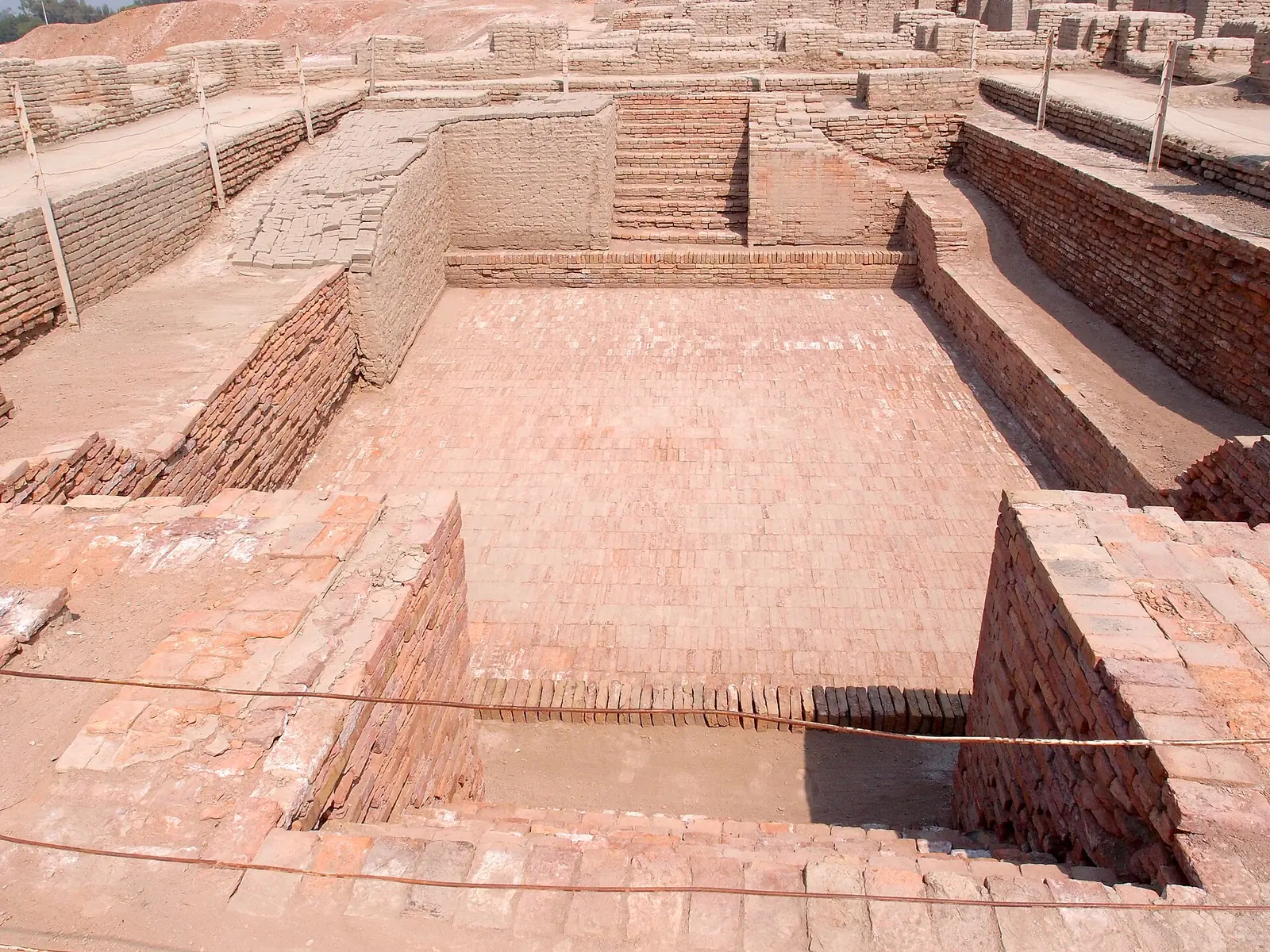
R. S. Bisht of the Haryana archaeology department dug Banawali from 1974. He found three layers. The first, like the early level at Kalibangan, was a village of mud-brick houses with distinctive pottery. Over it rose a mature Harappan town with a fortification wall, a moat, and an inner enclosure for the leading households, though here the inner walled part was joined to the town rather than set apart. Its streets fan out at angles. The last, late Harappan, phase was poorer. Seals, weights, gold and carnelian beads, and Harappan pottery show the town belonged to the wider civilisation of the Sindhu and Sarasvati.
02The clay plough and the fire altars
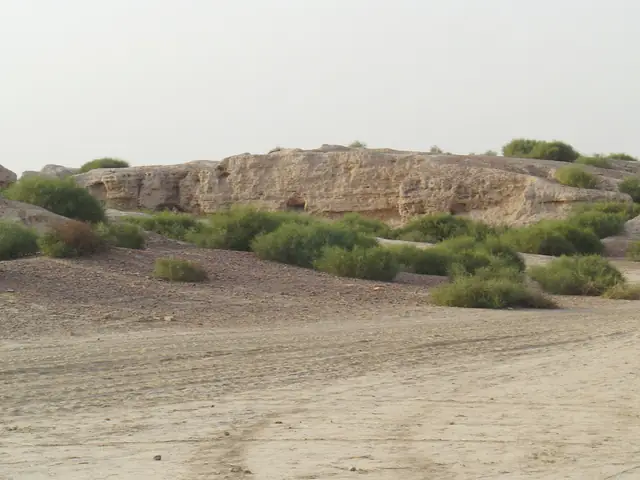
Banawali gave the finest clay model of a plough yet found at a Harappan site, small enough to hold in the hand, with the share and the beam clearly shaped. Together with the ploughed field at Kalibangan it shows the farming that fed these towns, on a plain that still grows two crops a year. Fire altars, like those at Kalibangan and Lothal, were found in a large apsidal building, a reminder of the continuity of the fire rite in the Sarasvati country. Banawali lies about 15 km from Fatehabad; the excavated mound is protected but there is little to see on the surface today.
The life of this place
- c. 2500 BCEThe mature Harappan town with its fortification wall is built over an earlier village.
- 1974–77R. S. Bisht excavates the site for the Haryana archaeology department.