01The ploughed field
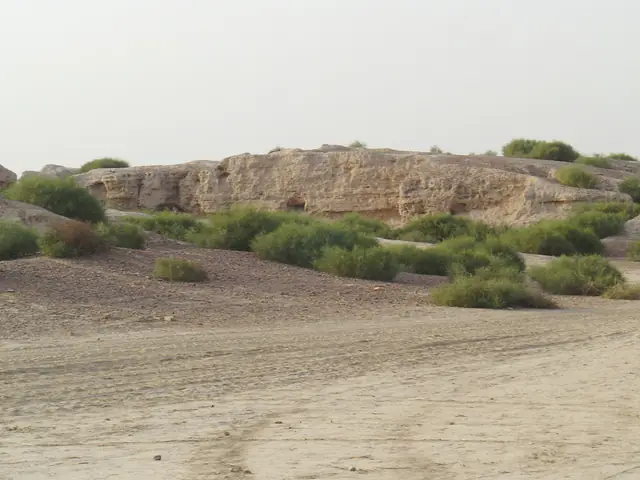
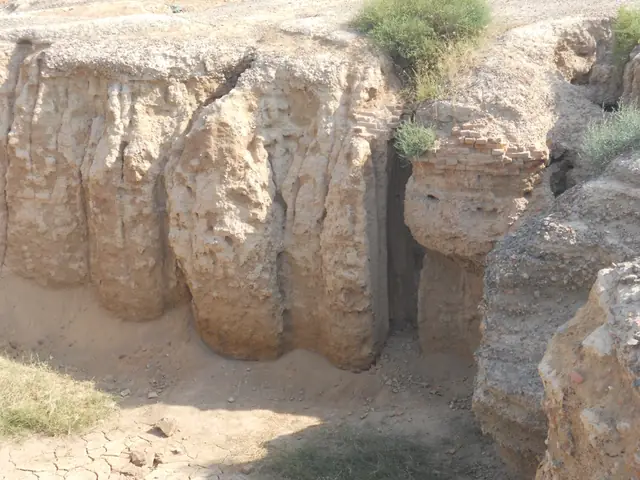
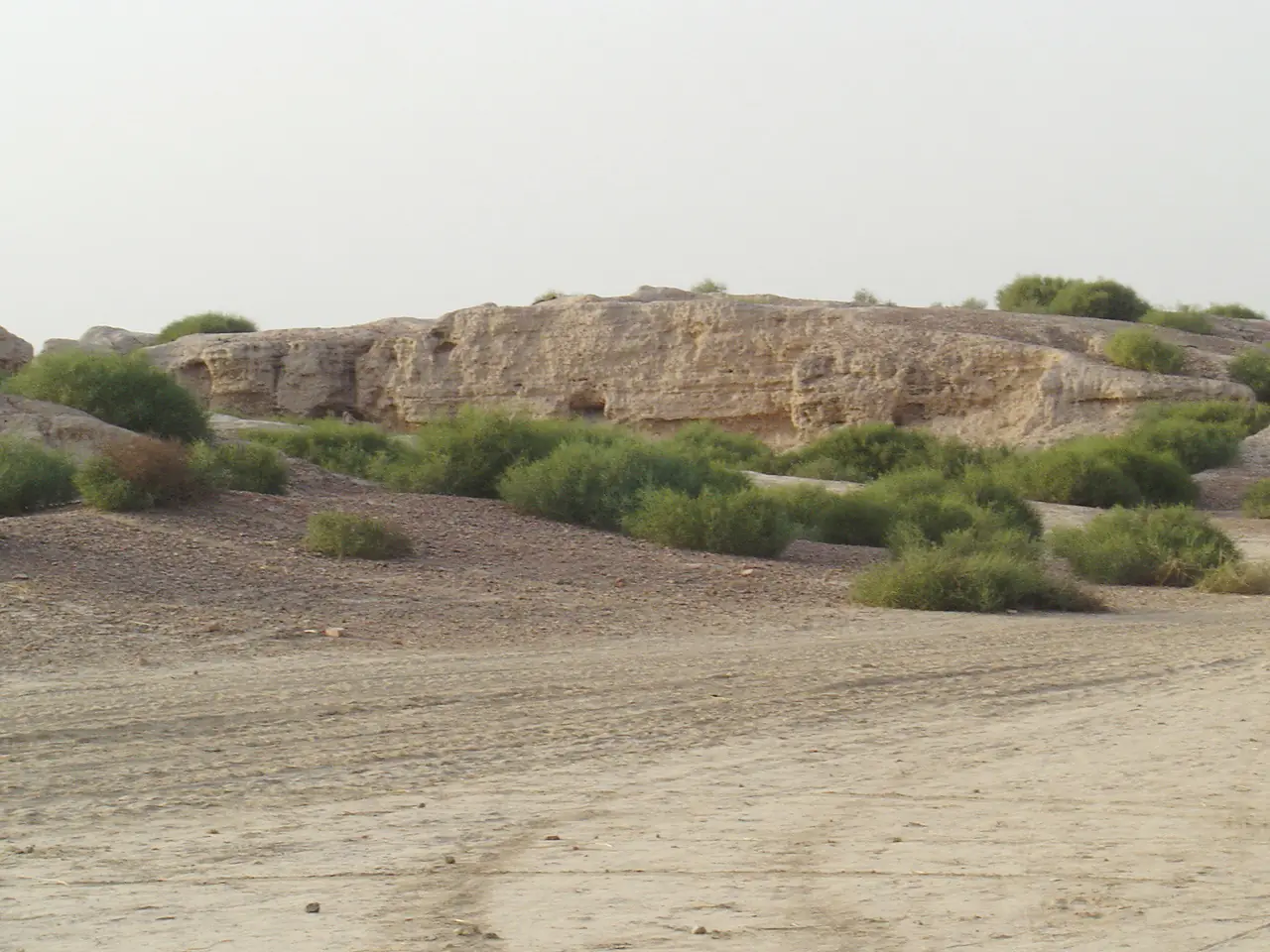
Kalibangan means black bangles, after the broken terracotta bangles that litter its mounds. The Italian scholar L. P. Tessitori noticed the site in the early 20th century and A. Ghosh identified it as Harappan in the 1950s. B. B. Lal and B. K. Thapar of the Archaeological Survey excavated it from 1961 to 1969. Under the early town they found a field ploughed in a criss-cross grid of furrows, the method farmers of the region still use to grow two crops in one field, mustard in one direction and gram in the other. They also found signs of an earthquake that broke the early settlement, among the oldest recorded.
02Fire altars
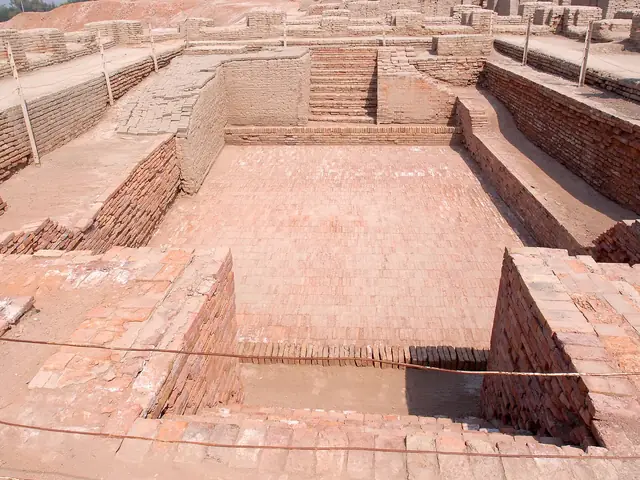
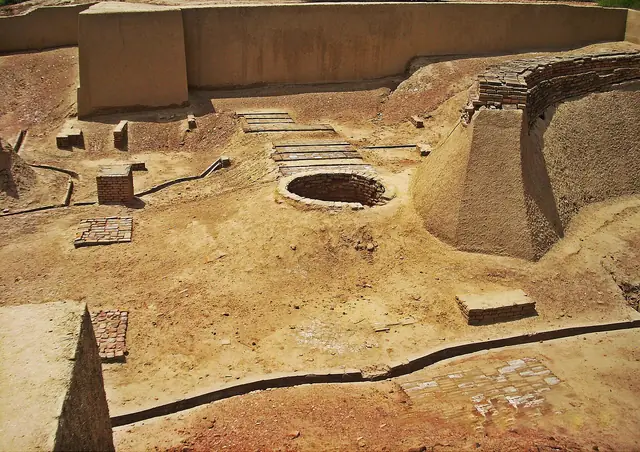
On a raised platform of the citadel the excavators found a row of seven fire altars, clay-lined pits with ash and charcoal, beside a well and bathing pavements, and more altars in the houses of the lower town. Lal read them as places of ritual fire. The same practice of the sacred fire is at the centre of the Vedic yajna, and Kalibangan, with Lothal and Banawali, is the evidence most often cited for continuity between the cities of the Sarasvati basin and the later Vedic world.
The life of this place
- c. 3500 BCEEarly settlement with the ploughed field.
- c. 2600 BCEPlanned Harappan town with citadel and fire altars.
- 1961–69ASI excavation under B. B. Lal and B. K. Thapar.
Near Pilibanga, Hanumangarh district, Rajasthan; a small ASI museum stands by the mounds.