01Seven mounds
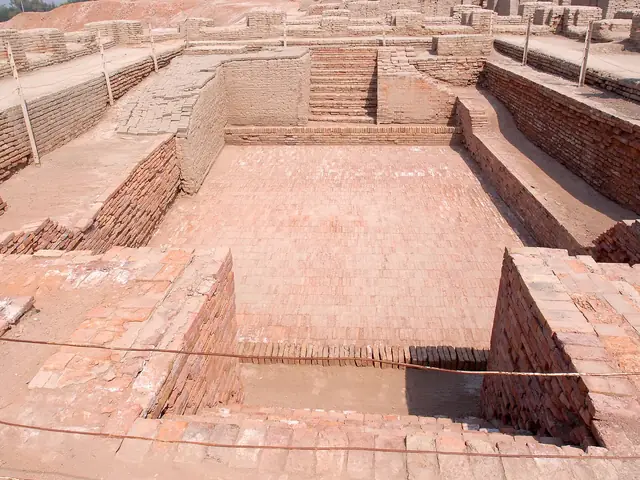
Rakhigarhi is a cluster of mounds, seven of them excavated so far, around two villages on the dry bed that once fed the Drishadvati. Amarendra Nath of the Archaeological Survey dug here from 1997 to 2000; Vasant Shinde of Deccan College led excavations in 2013–16; the ASI returned in 2021–23. Together they traced the whole span of the civilisation: early farming villages, then a planned city with brick drains, lanes, a bead workshop, fire altars and seals, and finally the late phase. The houses and lanes of mound 7 and the cemetery are the best known.
02The genome of 2019
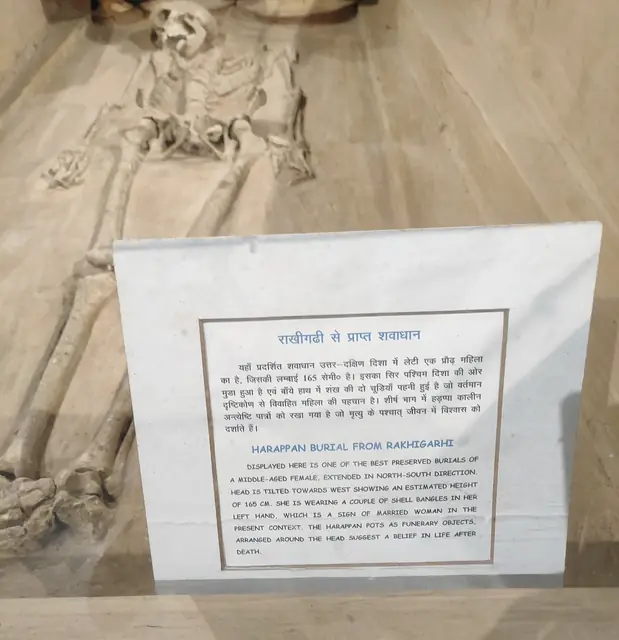
In September 2019 a team led by Vasant Shinde and David Reich published in the journal Cell the first genome from a Harappan burial, a woman from the Rakhigarhi cemetery. Her ancestry was a mix of ancient Iran-related hunter-gatherers and ancient South Asian hunter-gatherers, with no trace of steppe pastoralist ancestry and no ancestry from the farmers of the Iranian plateau. The Iran-related strand had split from that of Iran’s people before farming began, so farming in Bharat was not carried in from the west. Her line is the largest source of ancestry for people of South Asia today. The 19th-century idea of an "Aryan invasion" was a colonial-era theory; this was the first direct ancient DNA from the cities themselves.
03The site today
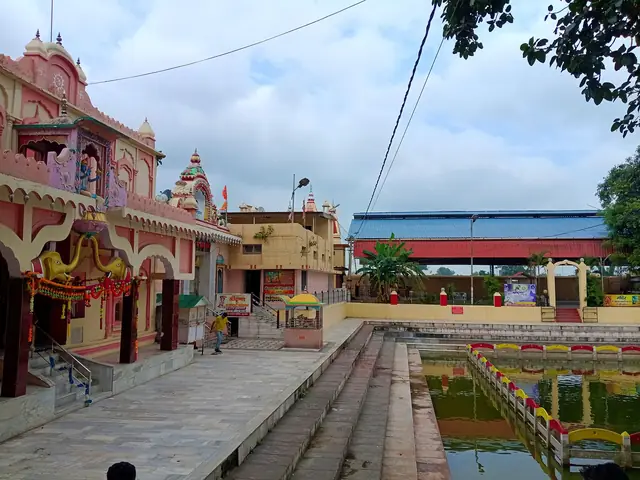
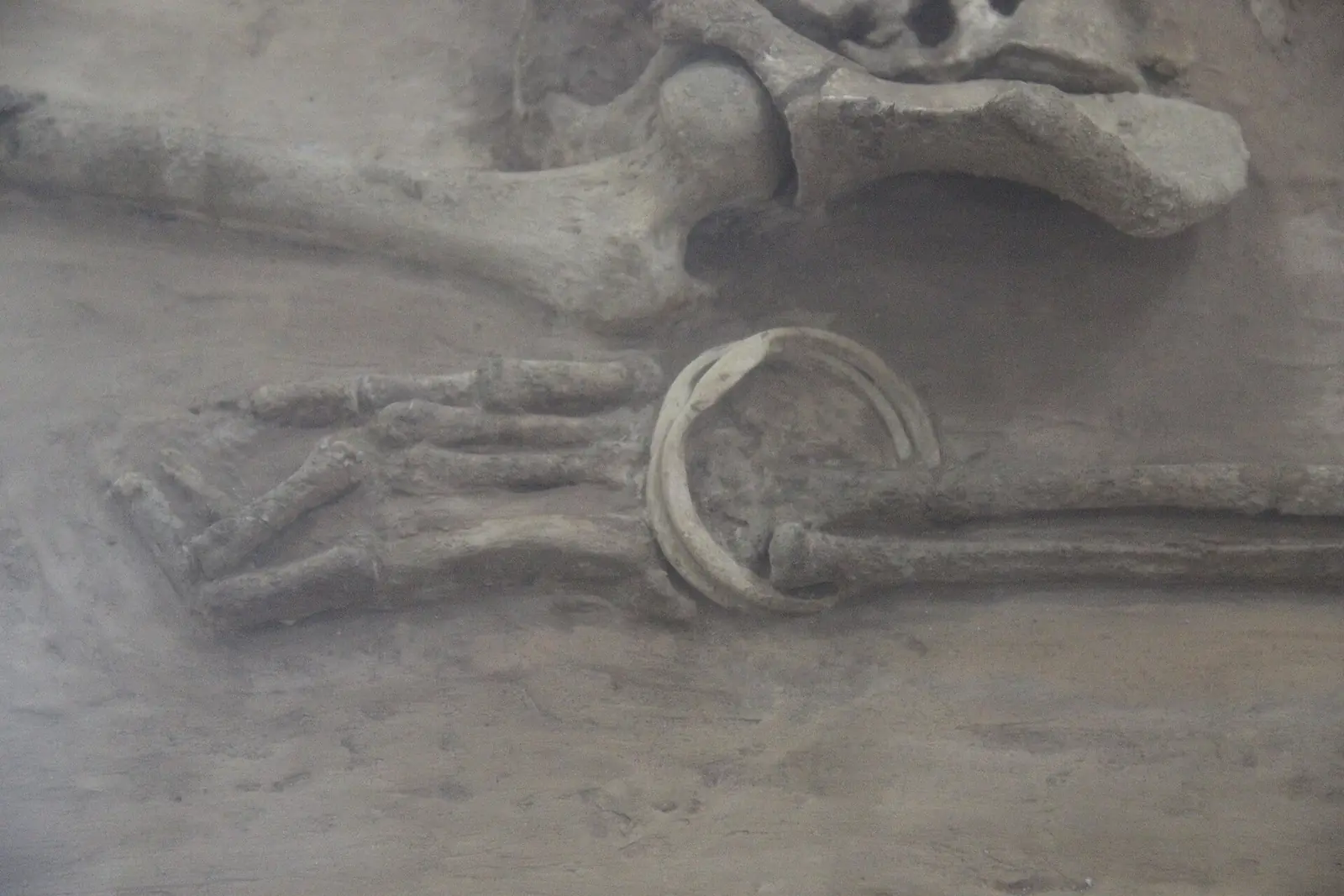
In 2020 the Union Budget named Rakhigarhi one of five iconic archaeological sites to be developed, and a museum has been built at the village. Much of the ancient city still lies under the houses and fields of Rakhi Khas and Rakhi Shahpur, and villagers turn up beads and potsherds every time they plough. One grave in the cemetery held a man and a woman laid side by side, faces turned toward each other, and its finds, with the pots and beads buried beside the dead, are kept for the museum.
The life of this place
- 1997–2000ASI excavation under Amarendra Nath.
- 2013–16Deccan College excavation under Vasant Shinde; burials sampled for DNA.
- September 2019Harappan genome published in Cell: no steppe ancestry.
- 2021–23ASI resumes excavation.
Rakhi Khas village, Hisar district, about 150 km north-west of Delhi; the mounds are open, the museum by the village.