Cite
MLA
“Ganga.” Hindu History, 2026, https://www.hinduhistory.in/yatra/ganga-sacred-river/. Accessed .
APA
Hindu History. (2026). Ganga. Retrieved , from https://www.hinduhistory.in/yatra/ganga-sacred-river/
The route
- 1Gaumukh
- 2Gangotri
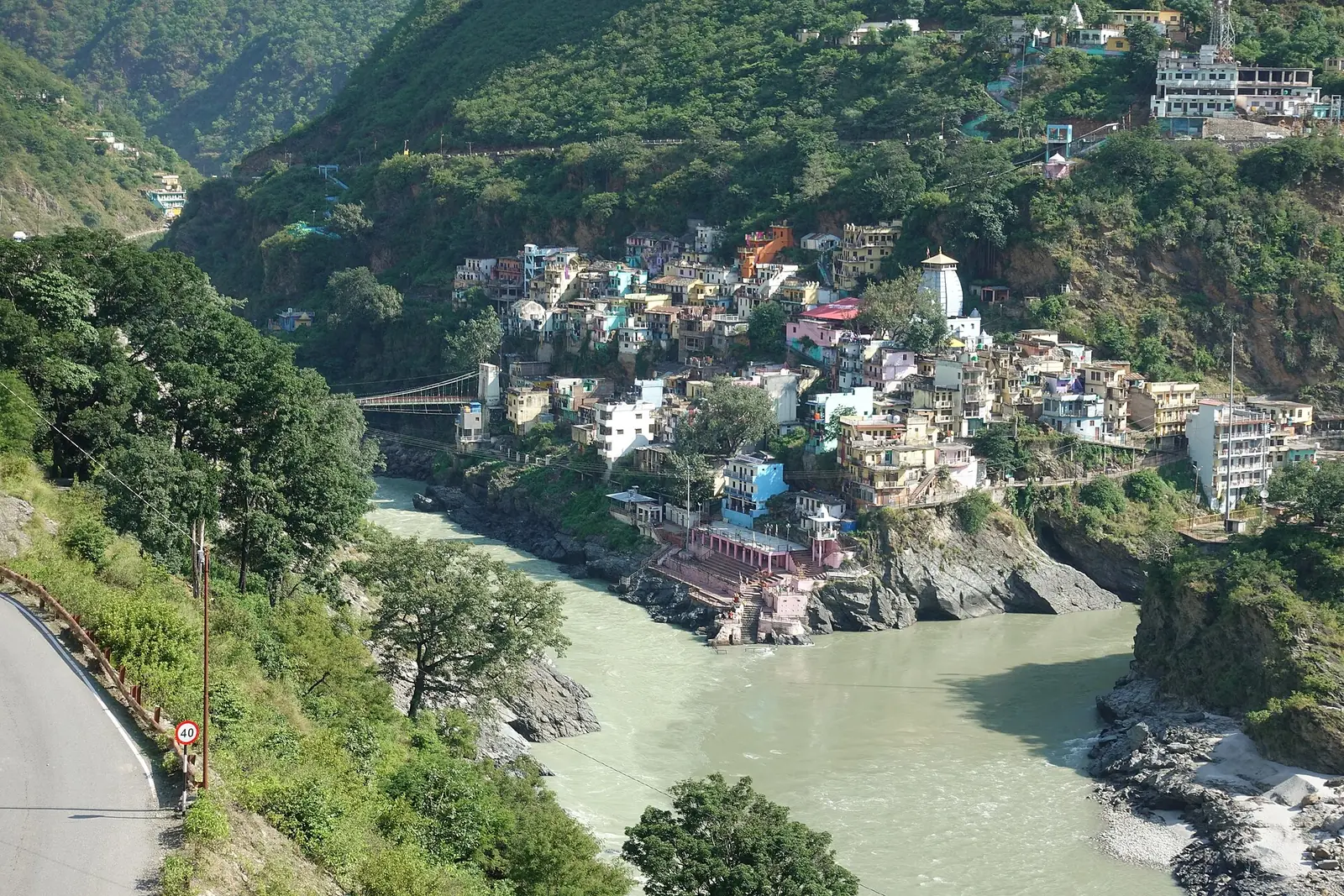
- 3Devprayag
- 4Rishikesh
- 5Haridwar
- 6Garhmukteshwar
- 7Prayagraj, Sangam
- 8Kashi, Dashashwamedh Ghat
- 9Sultanganj
- 10Kolkata (Hooghly)
- 11Gangasagar
What defines it
- 01
About 2,525 km from Gaumukh to the Bay of Bengal
- 02
Bhagirathi and Alaknanda become Ganga at Devprayag
- 03
Haridwar, Prayag, Kashi, Gangasagar
- 04
Ganga Dussehra marks her descent
- 05
National River since 4 November 2008
01Bhagiratha’s Ganga
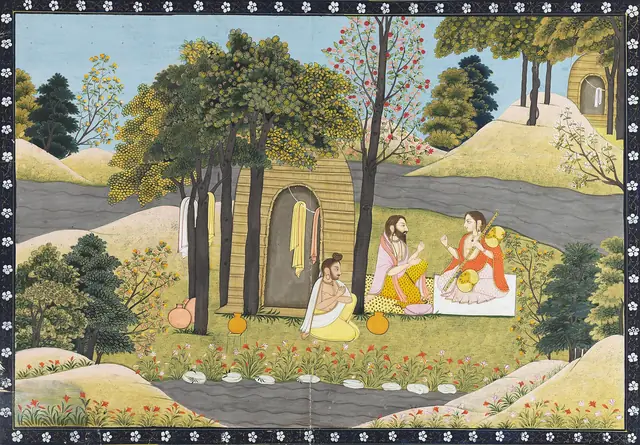
The Nadistuti hymn of the Rig Veda, 10.75.5, begins its roll of rivers with her: ‘imam me gange yamune sarasvati’. The Valmiki Ramayana tells, in the Bala Kanda, how the sixty thousand sons of King Sagara were burnt to ash by the gaze of Kapila Muni, and how their descendant Bhagiratha did tapas for years until Ganga agreed to come down. Her fall would have split the earth, so Bhagwan Shiva caught her in his matted hair and let her out in streams. Bhagiratha led her across the land to the sea, where her water touched the ashes and freed his ancestors. That is why the stream at Gangotri is called the Bhagirathi, and why the last tirtha, Gangasagar, has the ashram of Kapila Muni.
02From the glacier to the sea
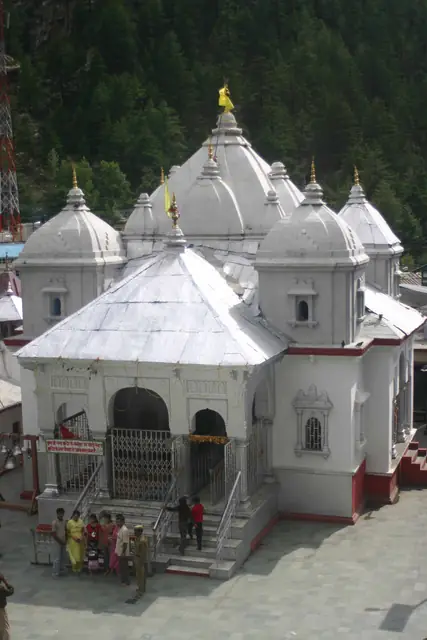
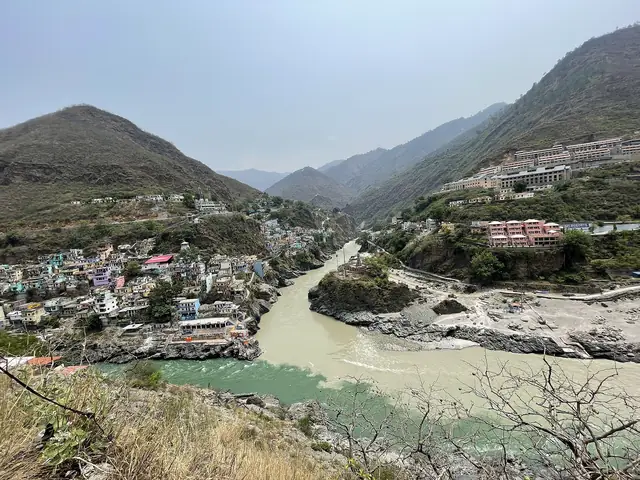
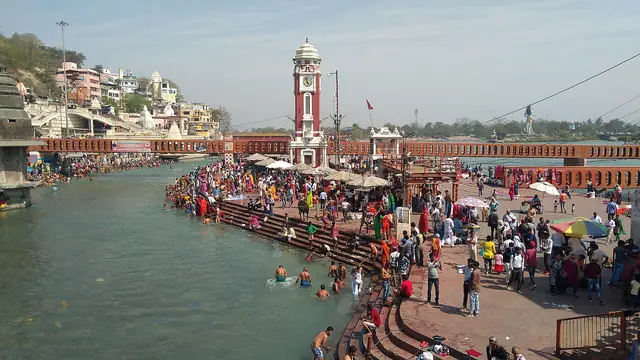
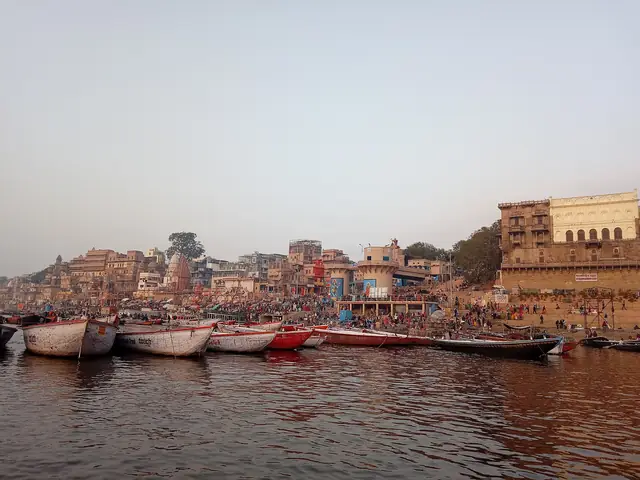
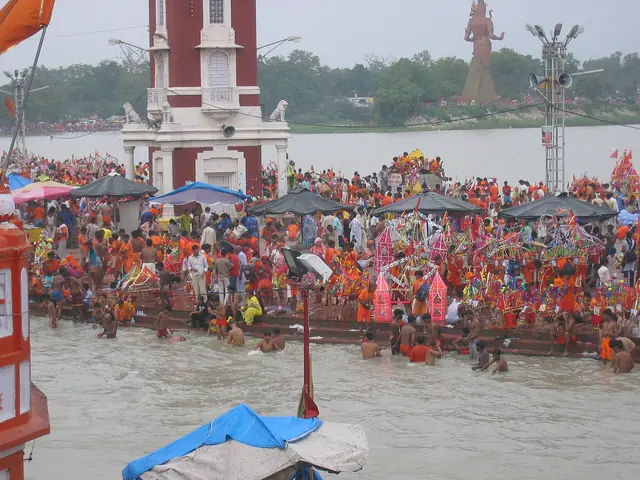
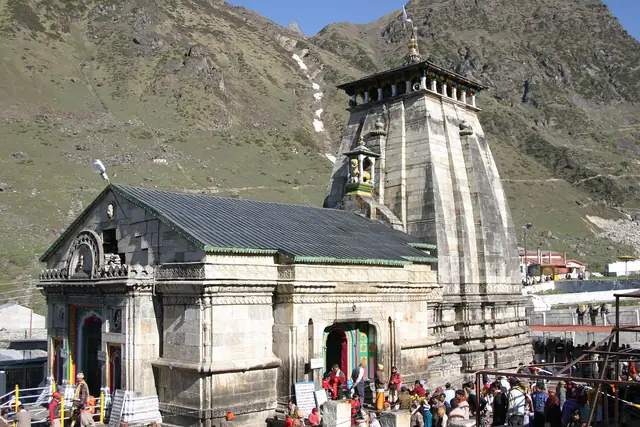
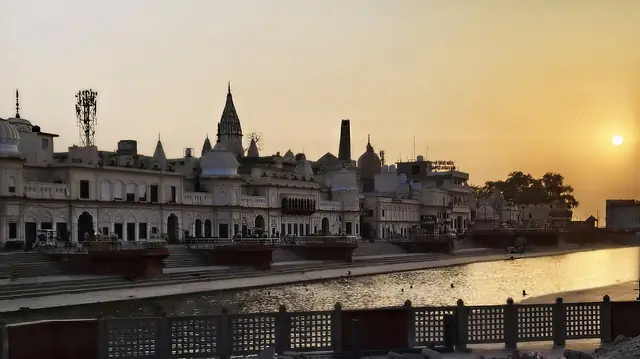
The Bhagirathi leaves the snout of the Gangotri glacier at Gaumukh, passes the temple at Gangotri, and meets the Alaknanda from Badrinath at Devprayag, where the joined river first takes the name Ganga. She leaves the mountains at Rishikesh and enters the plain at Haridwar, where the evening aarti at Har ki Pauri is the best known in India. At Prayag the Yamuna joins her at the Sangam; at Kashi she turns north, and the city lines her western bank with eighty-odd ghats. Below Patna and Bhagalpur she divides into the Padma, flowing into Bangladesh, and the Bhagirathi–Hooghly past Kolkata to Sagar island. Families everywhere keep a sealed pot of Gangajal for the last moments of life.
03Emperors, dams and the clean-up
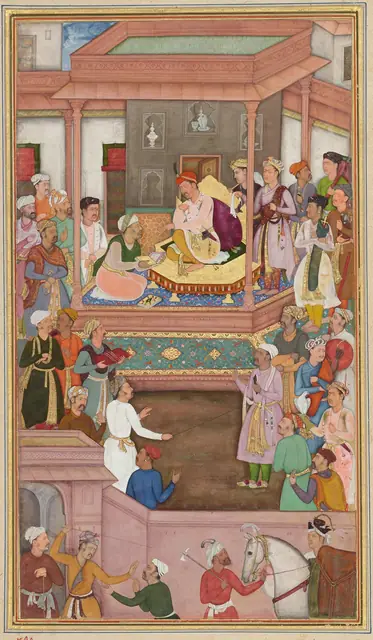
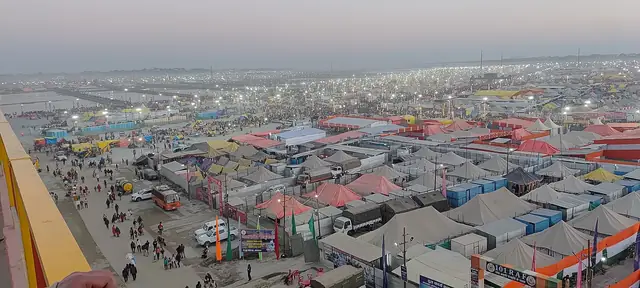
Her water was prized even at the Mughal court: Abul Fazl writes in the Ain-i-Akbari that Akbar called it the water of immortality and drank it at home and on his travels, with men stationed at Soron and Haridwar to send it in sealed jars. In 1916 Madan Mohan Malaviya won an agreement from the British that an uninterrupted flow would always be kept at Haridwar, after protests against the new canal headworks. On 4 November 2008 the Government of India declared the Ganga the National River, and in 2014 it launched the Namami Gange programme for sewage treatment and river cleaning. At Gangasagar the West Bengal government counted about 30 lakh bathers on Makar Sankranti, 14 January 2025.
In the texts
- Rig Veda 10.75 (Nadistuti)
- Valmiki Ramayana, Bala Kanda
- Ain-i-Akbari of Abul Fazl