Cite
MLA
“Shikhara and vimana: the tower.” Hindu History, 2026, https://www.hinduhistory.in/sthapatya/shikhara-and-vimana/. Accessed .
APA
Hindu History. (2026). Shikhara and vimana: the tower. Retrieved , from https://www.hinduhistory.in/sthapatya/shikhara-and-vimana/
What defines it
- 01
North: shikhara = the whole tower
- 02
South: vimana = shrine and tower; shikhara = the top dome
- 03
Rathas, gavakshas and urushringas on Nagara towers
- 04
Talas edged with kutas and shalas on Dravida towers
- 05
Always over the garbhagriha, on its axis
01Two words, two meanings
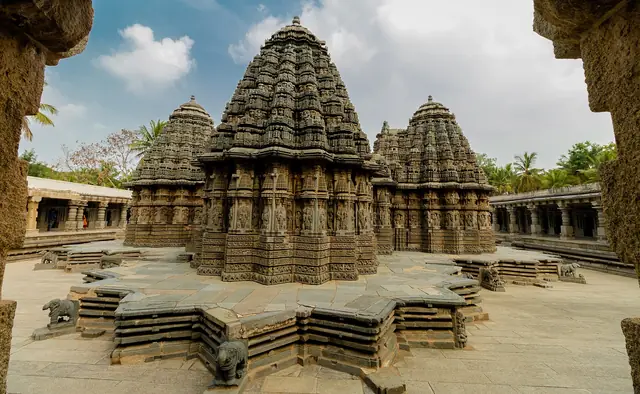
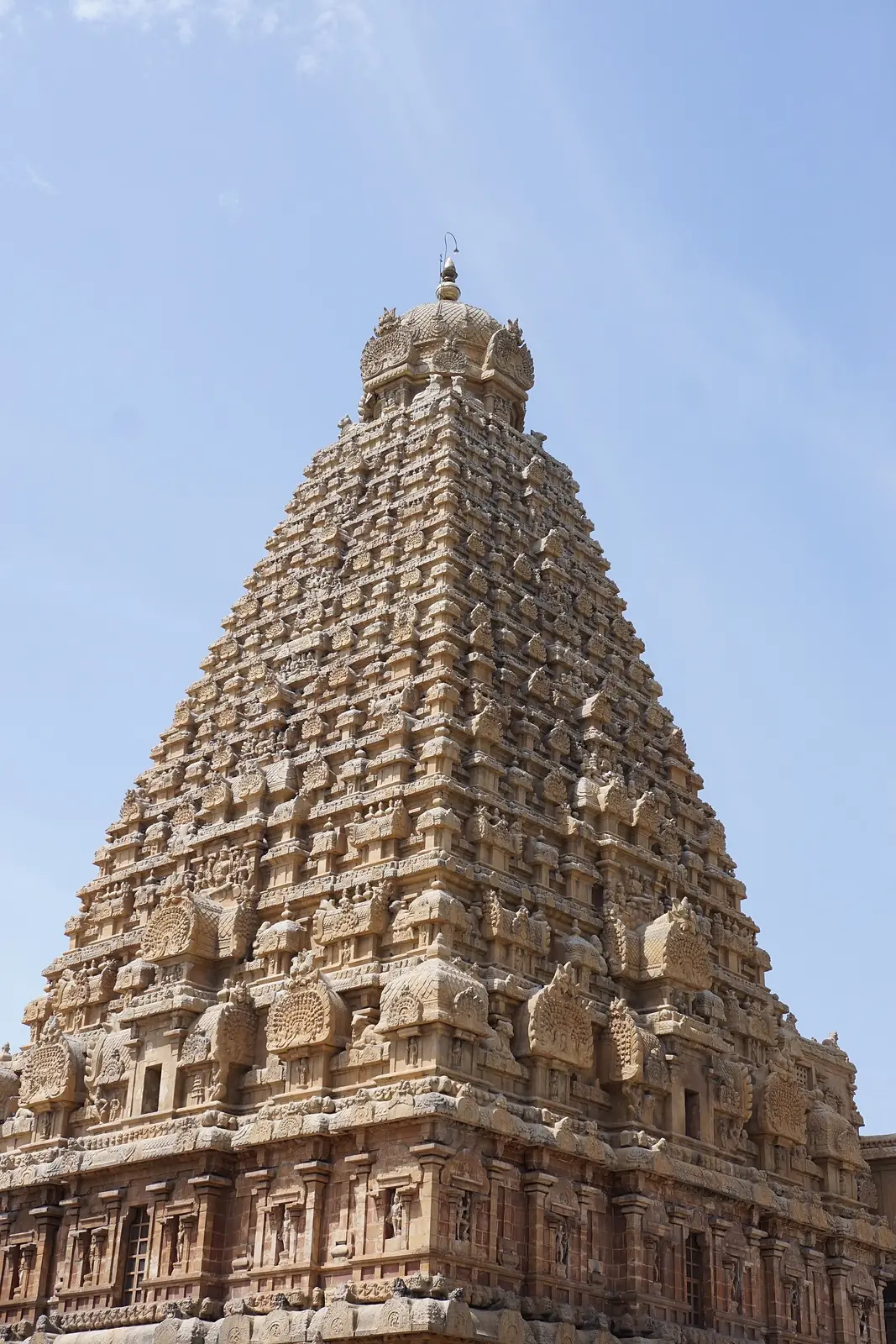
Shikhara means mountain peak. In the north it names the whole tower rising over the garbhagriha. In the south the word for the whole shrine with its tower is vimana, and shikhara is kept for the topmost member only, the dome, usually capped with a finial. So a Tamil sthapati and a Gujarati salat use the same word for different things. In both, the tower rises over the sanctum and nowhere else; the halls in front get lower roofs. The earliest picture of such a tower may be the Kumrahar plaque of about 150–200 CE, which shows the Mahabodhi shrine at Bodh Gaya as a stepped, truncated pyramid.
02How the northern tower grew
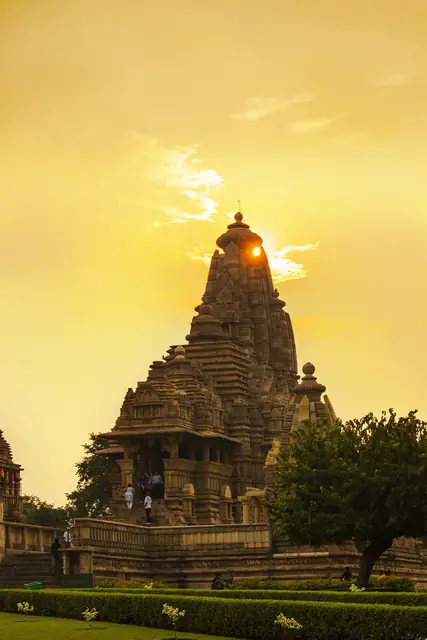
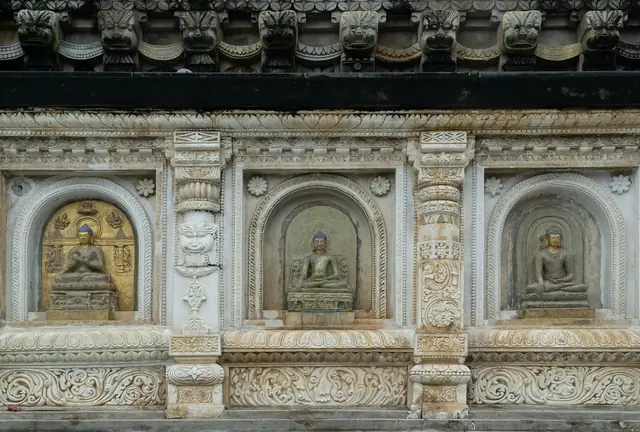
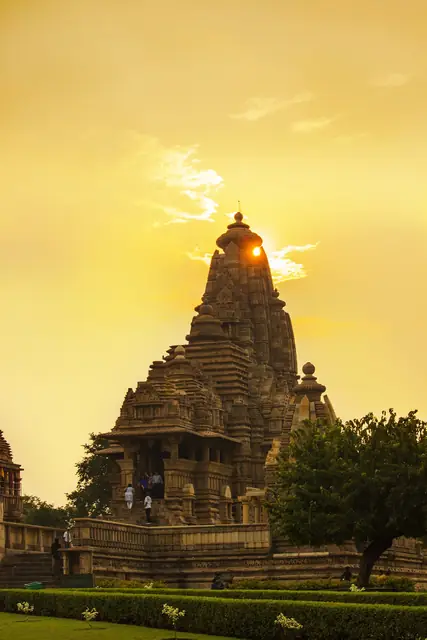
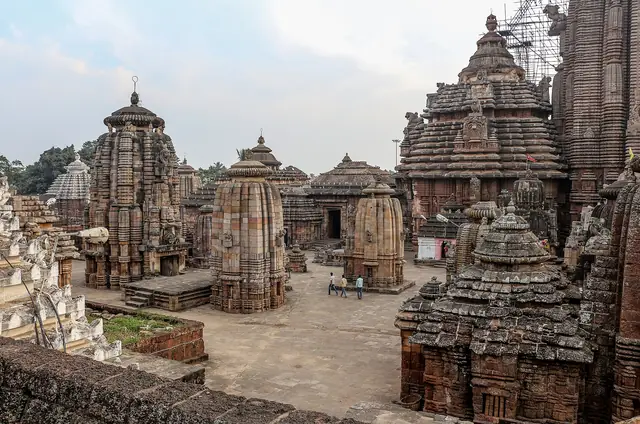
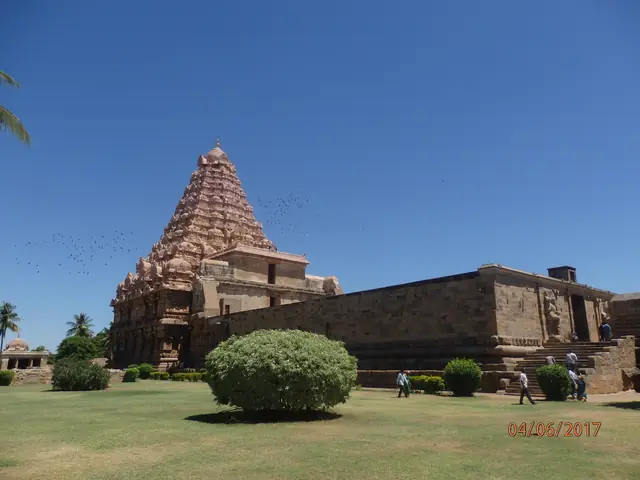
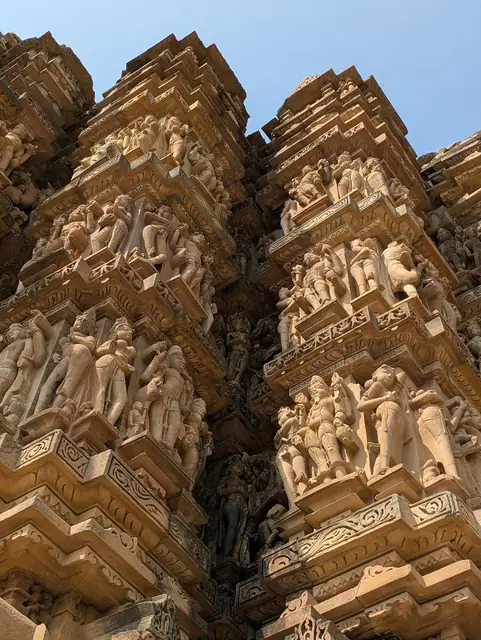
The Mahabodhi temple itself, in its present Gupta-period form of the 5th–6th century, has a straight-sided tower over 55 metres high. The curved latina tower was well established in Odisha by about 600 CE. Its faces carry rathas, vertical projections, and up them runs a mesh of gavaksha, the horseshoe window motif. From the 10th century builders began to set smaller spires, urushringas, against the main one, until at Khajuraho's Kandariya Mahadeva 84 of them gather into one mountain. The bhumija tower, with rows of tiny spires, probably appears around 1000–1025. All of them end in the ribbed amalaka and the kalasha.
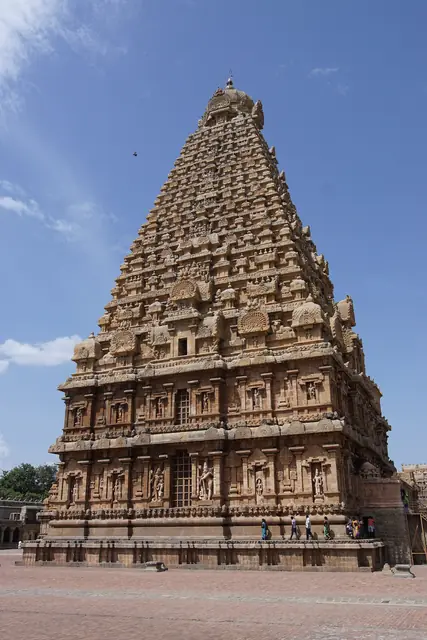
03The vimana of Thanjavur
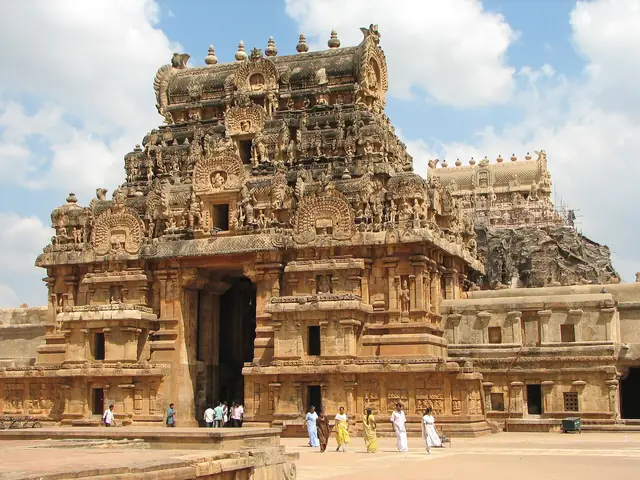
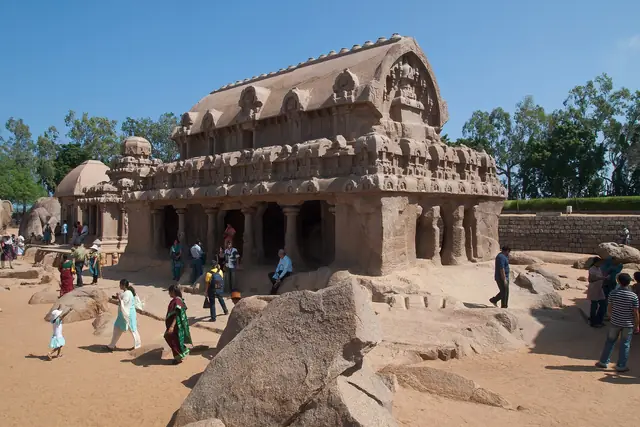
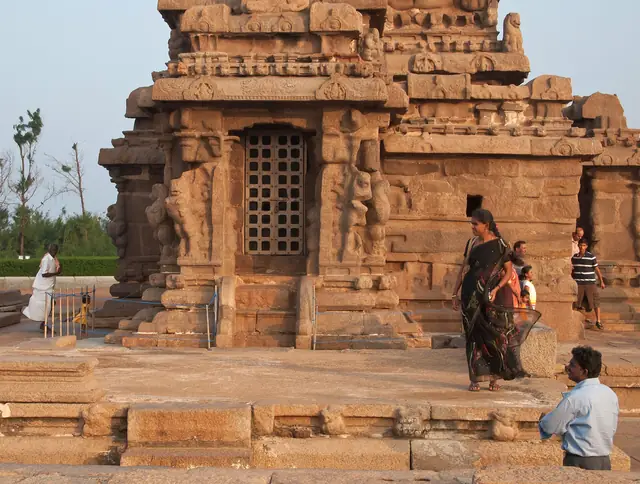
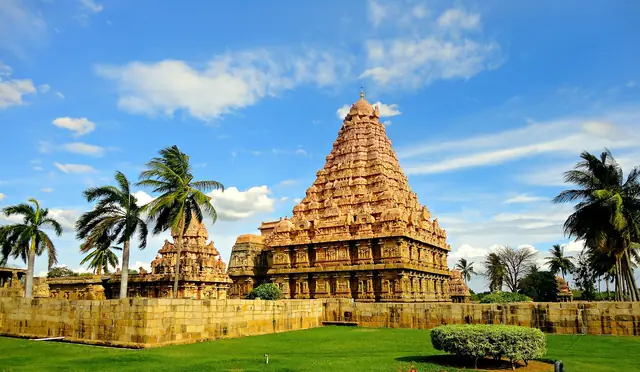
The southern vimana is a pyramid of storeys, talas, each edged with miniature pavilions, kutas at the corners and shalas between. At Mamallapuram the Pallava rock-cut rathas show the forms at small scale, one, two and three talas high. Rajaraja Chola's Brihadeeswara at Thanjavur, completed in 1010, takes the idea to fourteen talas and about 66 metres in granite, a stone not quarried near the city. Above the last tala the griva or neck carries the domed shikhara. That cap is often said to be a single stone of about 80 tonnes, but studies suggest it may be in several pieces, and the figure is not certain.