Cite
MLA
“Jagati and adhishthana: the base.” Hindu History, 2026, https://www.hinduhistory.in/sthapatya/jagati-and-adhishthana/. Accessed .
APA
Hindu History. (2026). Jagati and adhishthana: the base. Retrieved , from https://www.hinduhistory.in/sthapatya/jagati-and-adhishthana/
What defines it
- 01
Adhishthana (pitha): the moulded plinth under walls and pillars
- 02
Jagati: the projecting terrace for pradakshina
- 03
Upana, jagati, kumuda, kantha, pattika mouldings
- 04
Upapitha: optional sub-base
- 05
Odisha: pota pit and ashtadala padma slab on the axis
01Two kinds of base
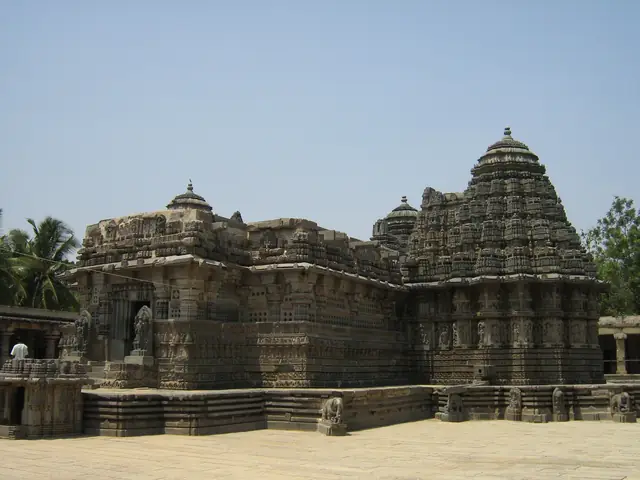
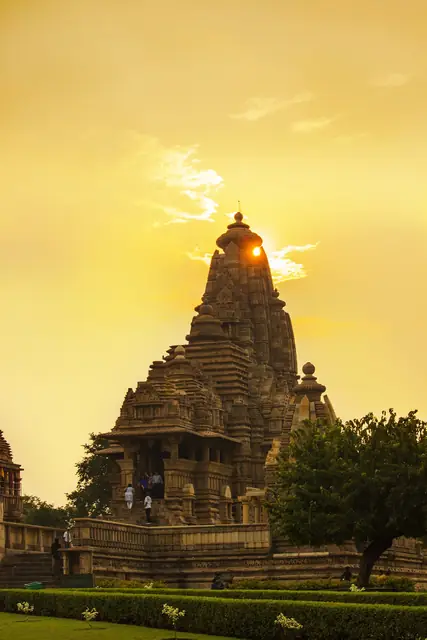
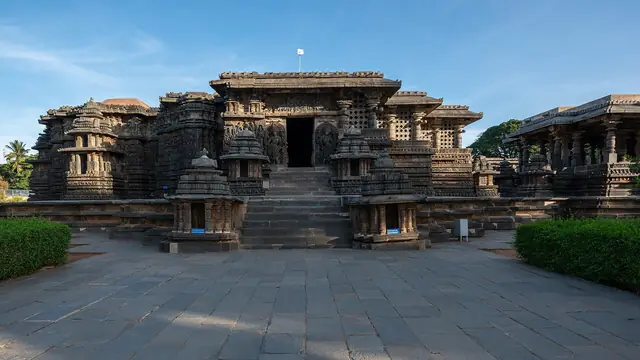
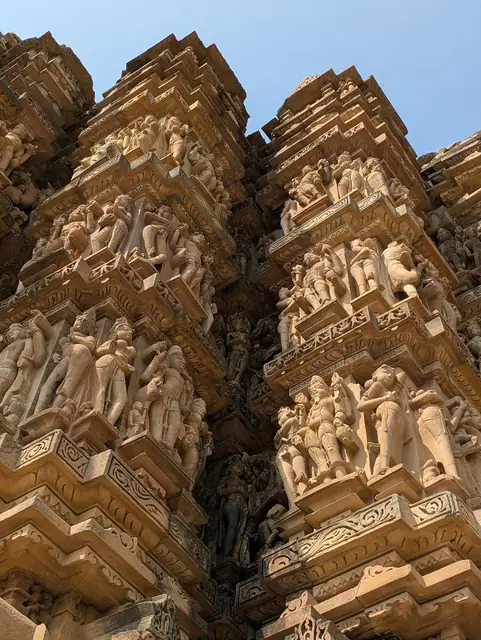
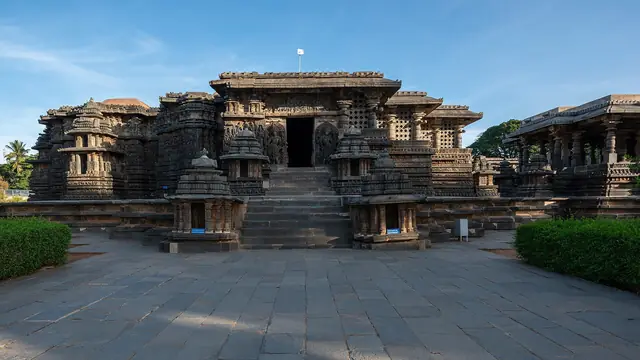
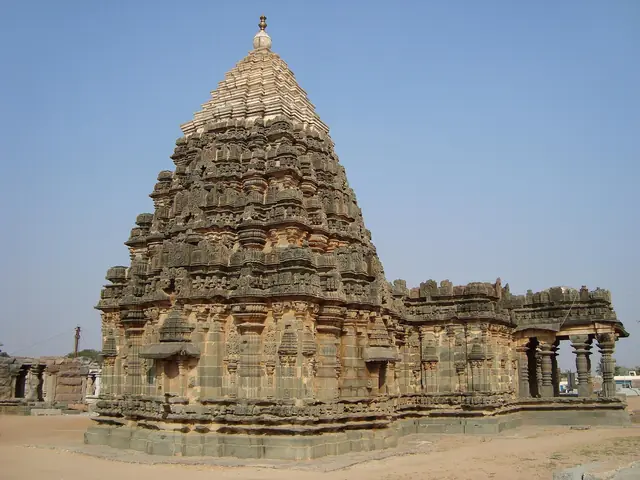
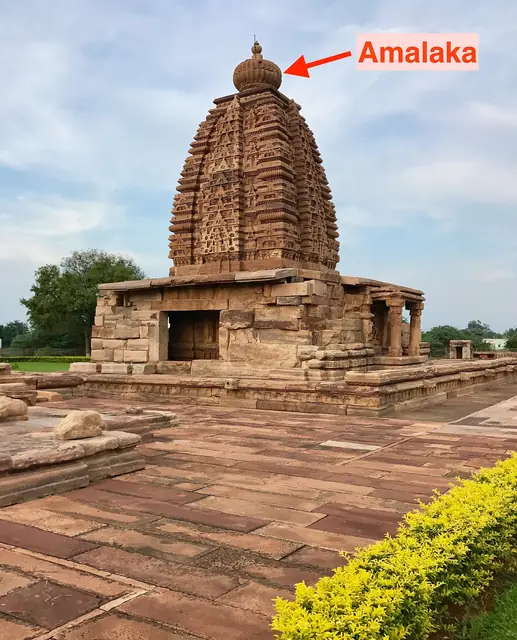
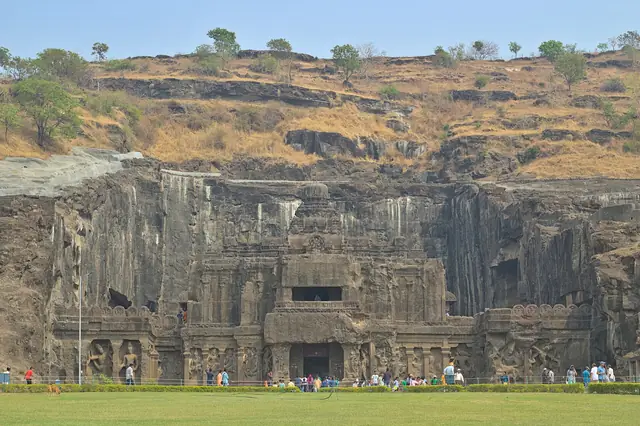
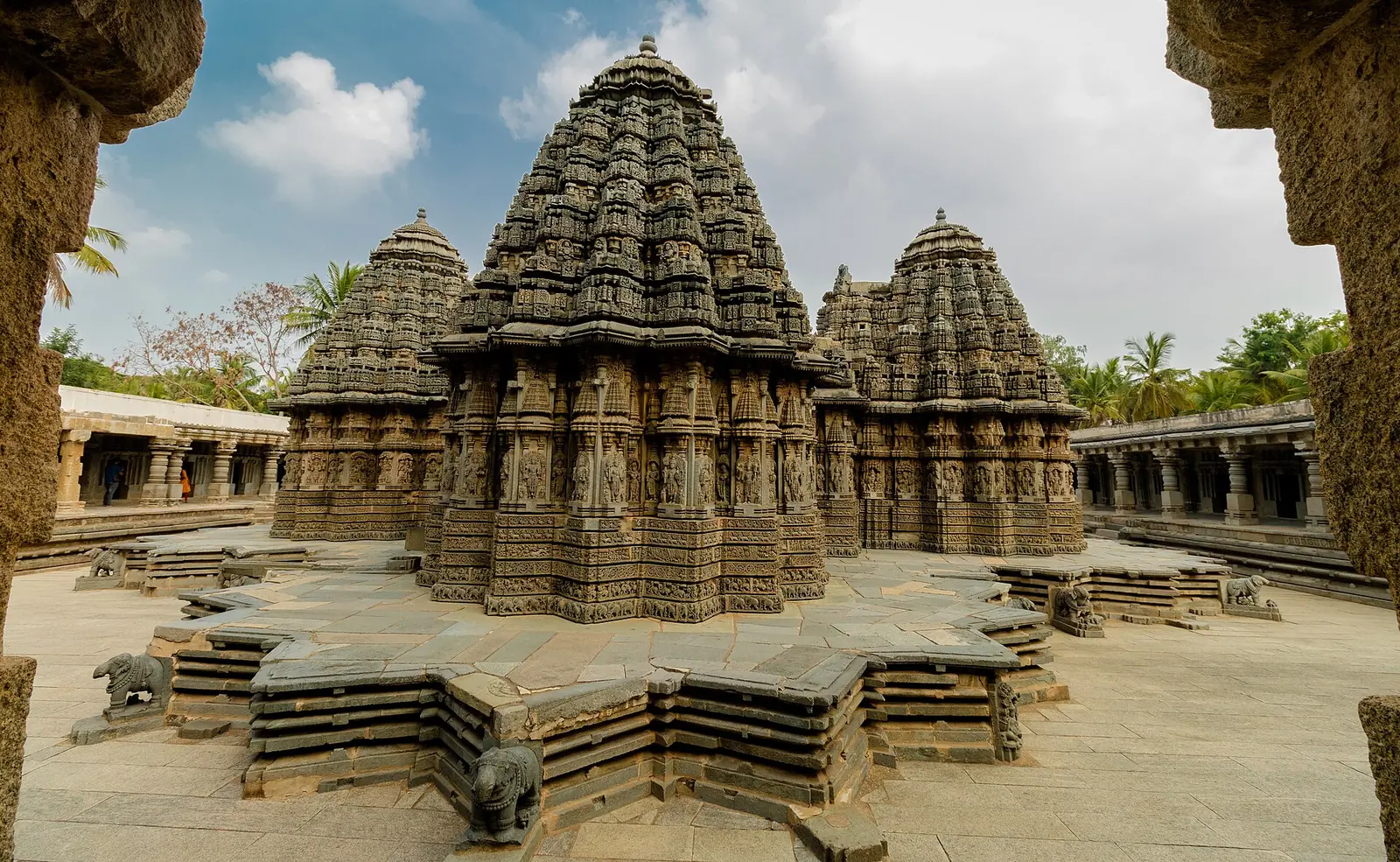
The adhishthana, also called pitha or pishta, is the solid moulded base on which the walls and pillars of the temple stand. The jagati, also called jagata, pithika or vasudha, is a broader platform that projects outward beyond the walls and forms a terrace. On it the devotee walks the pradakshina and reads the carved friezes at eye level. At Khajuraho the Kandariya Mahadeva rises on a massive plinth about 4 metres high, so that its towers seem to lift off the ground. The Hoysalas made the jagati follow the star shape of the shrine, and at Somanathapura its edges zigzag around the temple in dozens of points.
02The southern mouldings
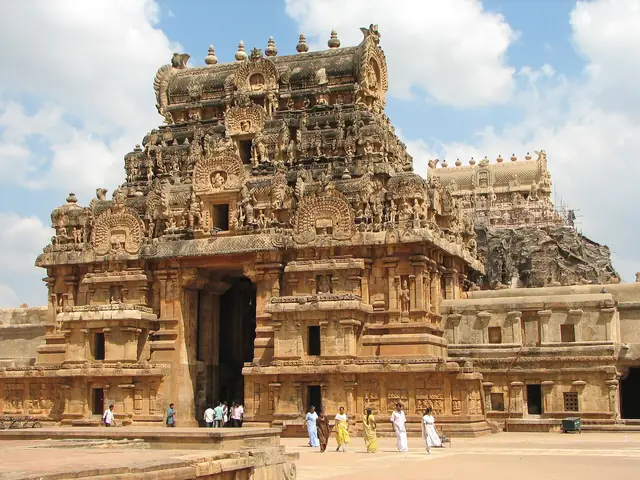
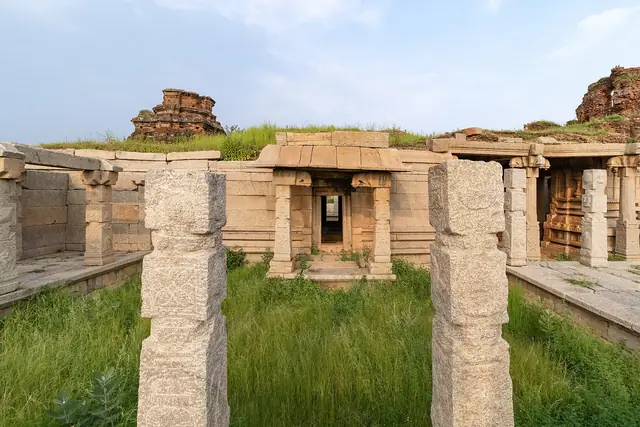
In the south the adhishthana is built up from named mouldings, proportioned to the whole building. A common sequence runs upana, the footing; jagati, here a flat moulding of the same name; kumuda, a rounded torus; gala or kantha, a recessed neck; and pattika or prati, a band at the top, though the names and order vary between texts and temples. The Mayamata gives the procedure for the adhishthana in its 14th chapter, and one study notes that it assigns deities to the mouldings, Vishnu to the jagati and Brahma to the kumuda. Larger temples add an upapitha, a plainer sub-base beneath, to raise the building. Some bases carry rows of leogryphs, read as Dharma, Adharma, Jnana and Vairagya.
03The Odia foundation
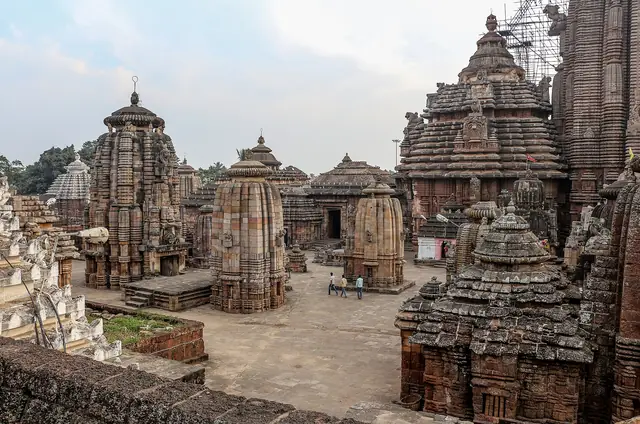
Odisha's builders recorded the work below ground as well. The foundation pit, the pota, is dug to a depth of one third of the temple's height above the plinth. On the central axis they set an eight-petalled lotus slab, the ashtadala padma, its position fixed by the shanku, the gnomon used to find the cardinal directions. Above ground the optional pishta platform carries the bada, whose lowest part, the pabhaga, is itself a stack of mouldings usually named khura, kumbha, pata, kani and basanta. In Kerala, too, the adhishthana is of granite even when the walls above are laterite. Whatever the region, the base is where proportion begins: every moulding is a fraction of the module.
In the texts
- Mayamata, chapter 14
- Shilpa Chandrika