Cite
MLA
“The Chola navy and the 1025 expedition.” Hindu History, 2026, https://www.hinduhistory.in/samudra/chola-navy-1025/. Accessed .
APA
Hindu History. (2026). The Chola navy and the 1025 expedition. Retrieved , from https://www.hinduhistory.in/samudra/chola-navy-1025/
What defines it
- 01
Rajaraja I: northern Lanka and the Maldives
- 02
Rajendra I’s fleet takes Kadaram (Kedah), 1025
- 03
King Sangrama Vijayottungavarman captured
- 04
Title Kadaram-konda
- 05
Chola embassies to Song China, 1015 and 1033
01Rajaraja’s islands
The meykirtti, the official preamble of Rajaraja’s inscriptions, lists among his conquests Ilamandalam, northern Lanka, where Anuradhapura was taken and Polonnaruwa became a Chola seat, and the old islands of the sea numbering twelve thousand, understood to be the Maldives. These were sea campaigns: armies had to be carried, supplied and reinforced across open water.
02Kadaram taken
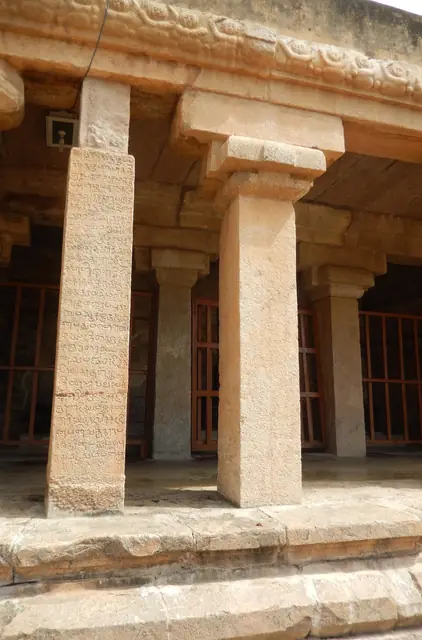
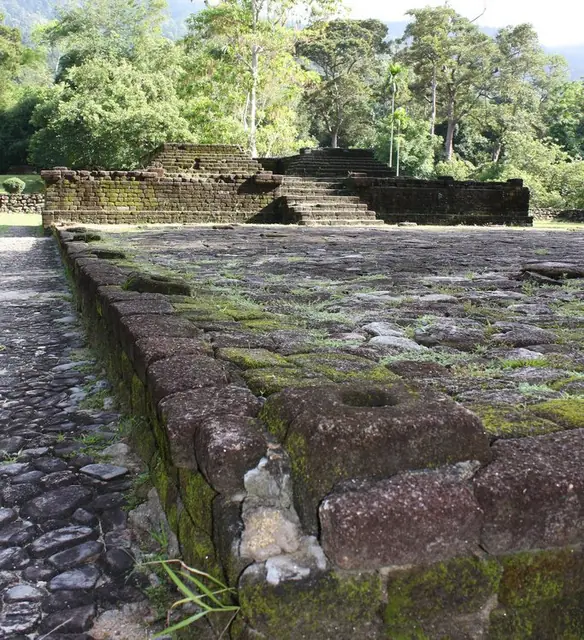
Rajendra’s inscription at Thanjavur records that he sent many ships into the rolling sea, captured Sangrama Vijayottungavarman, king of Kadaram, with his elephants and treasure, and took the jewelled gate called Vidyadhara-torana. It then names the places taken one by one: Srivijaya, Malaiyur, Mayirudingam, Ilangasogam, Mappappalam, Talaittakkolam, Ilamuri-desam, Nakkavaram (the Nicobars) and Kadaram itself, now Kedah. Rajendra took the title Kadaram-konda, the one who took Kadaram.
03Why it was done
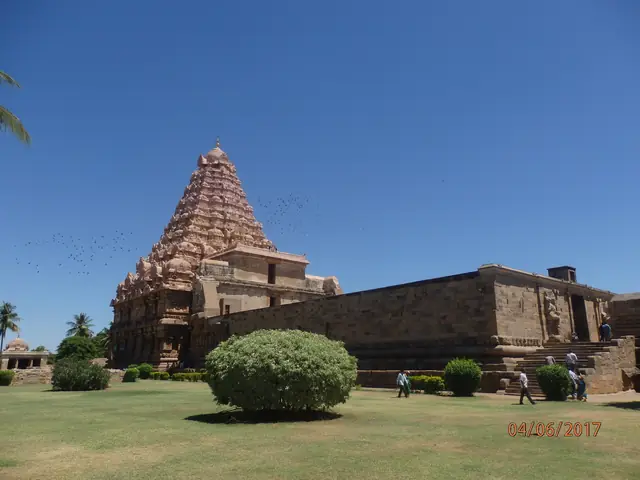
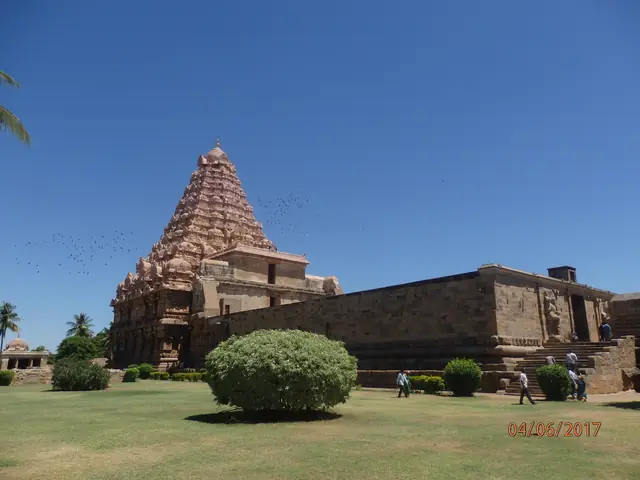
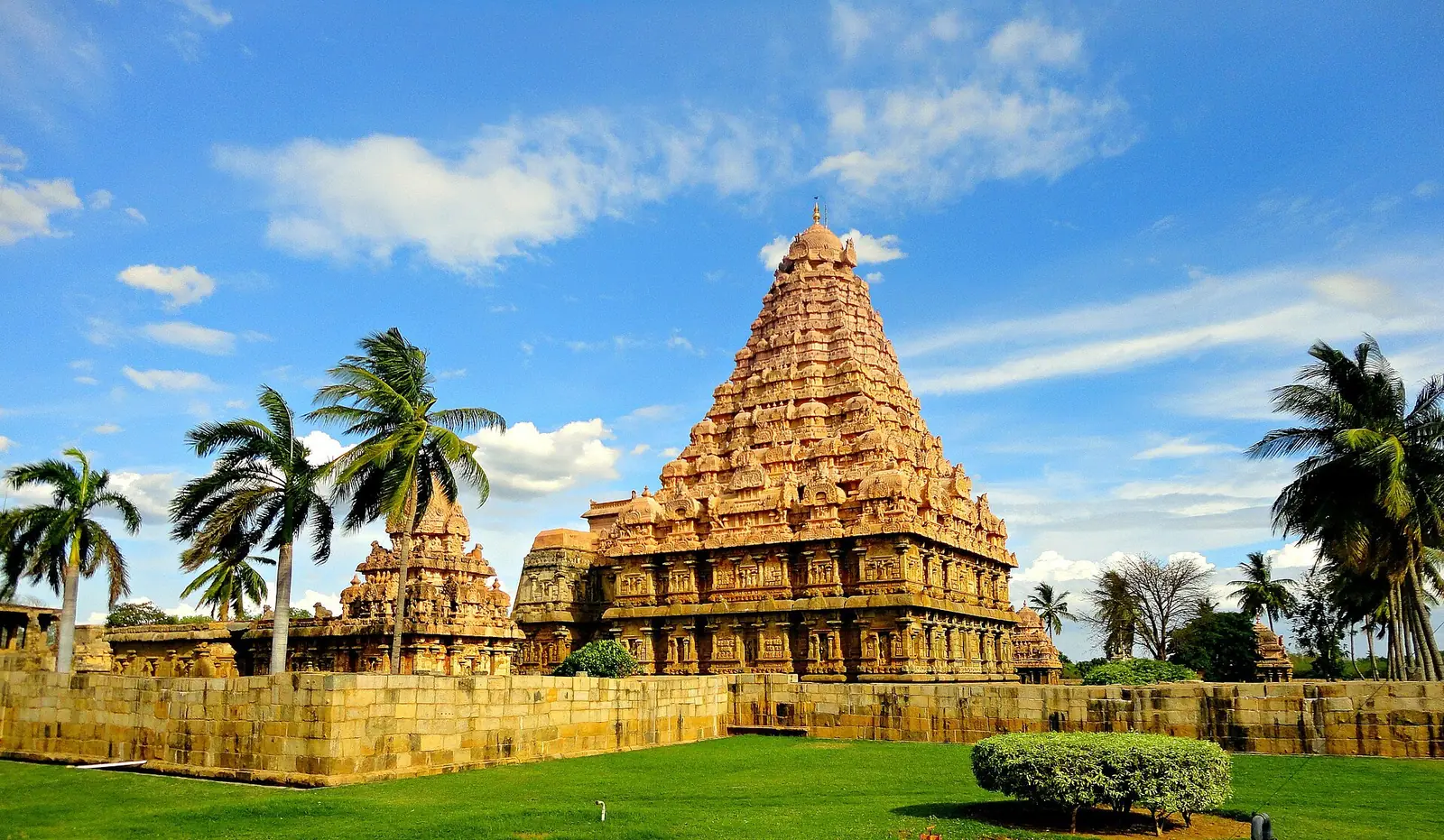
The inscriptions do not give a reason. Historians mostly read it as a strike to keep the strait open for Tamil merchants trading with Song China, after Srivijaya began taxing or blocking them. Chola envoys reached the Song court in 1015 and 1033, and Tamil guilds went on trading in the region for generations after. The capital Gangaikonda Cholapuram still stands, with its great temple.