Cite
MLA
“Yamuna.” Hindu History, 2026, https://www.hinduhistory.in/yatra/yamuna-sacred-river/. Accessed .
APA
Hindu History. (2026). Yamuna. Retrieved , from https://www.hinduhistory.in/yatra/yamuna-sacred-river/
The route
- 1Yamunotri
- 2Paonta Sahib
- 3Delhi
- 4Vrindavan, Keshi Ghat
- 5Mathura, Vishram Ghat
- 6Bateshwar
- 7Prayagraj, Sangam
What defines it
- 01
About 1,376 km from Yamunotri to Prayag
- 02
Daughter of Surya, sister of Yama
- 03
Bhai Dooj bath at Vishram Ghat, Mathura
- 04
Kaliya Daman and Keshi Ghat at Vrindavan
- 05
Surya Kund hot spring at Yamunotri
01Sister of Yama
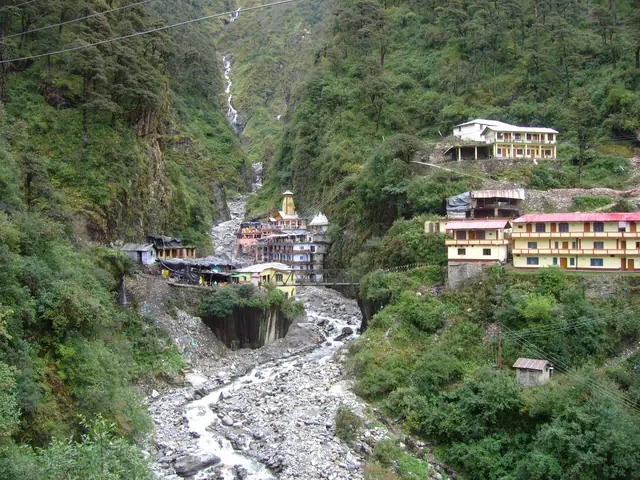
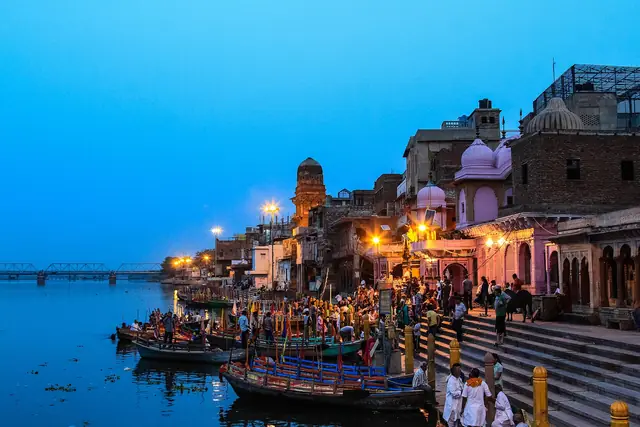
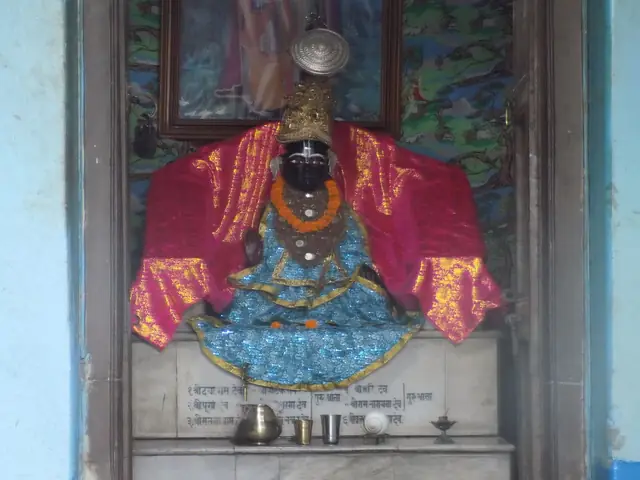
Yamuna and Yama are the twin children of Surya, and the Puranas tell that when Yama visited his sister on the second day of the bright half of Kartik she fed him and asked a boon: that any brother and sister who bathe in her water on that day should be free of the fear of death. So on Yama Dwitiya, the Bhai Dooj after Diwali, the ghats of Mathura, above all Vishram Ghat, fill with brothers and sisters. Her source lies at the foot of Bandarpunch in Garhwal. The Yamunotri temple stands at about 3,290 metres, and beside it the hot spring of Surya Kund boils rice and potatoes tied in cloth, which pilgrims take home as prasad. She is also called Kalindi, from the Kalinda mountain.
02The river of Braj
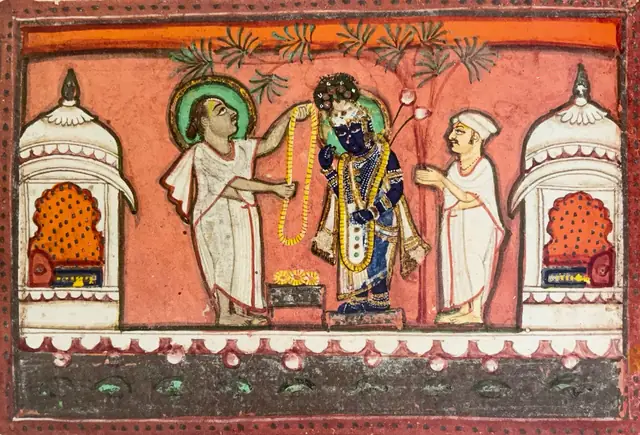
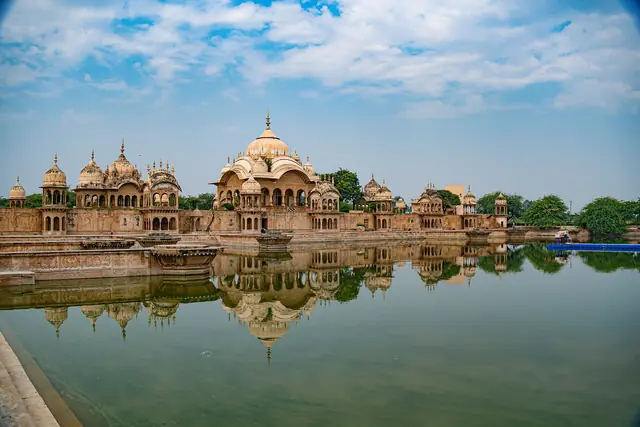
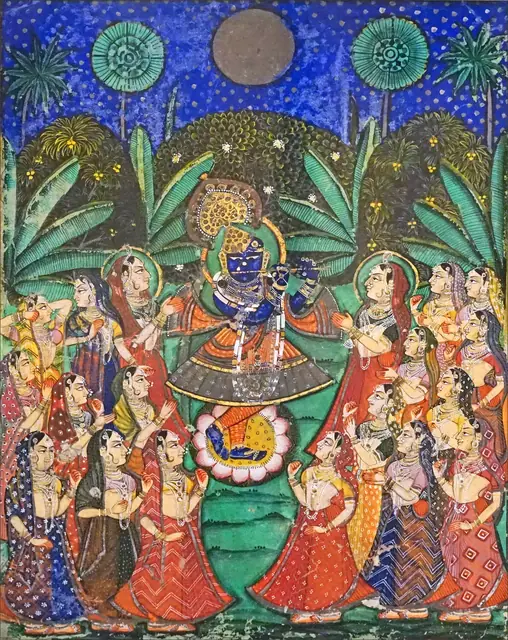
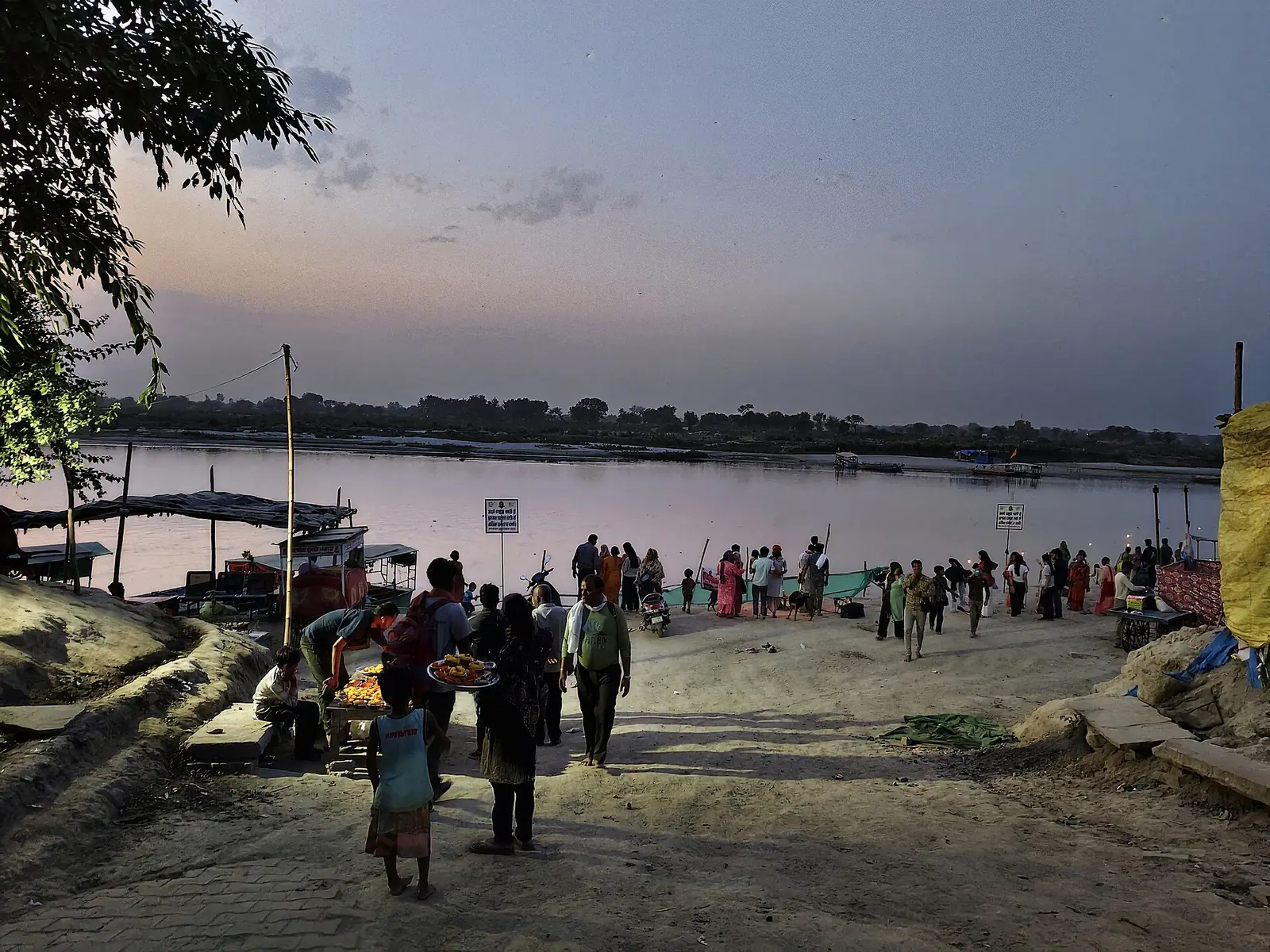
For Vaishnavas the Yamuna is above all Krishna’s river. Vasudeva carried the new-born child across her in flood on the night of his birth, from Mathura to Gokul. At Vrindavan he subdued the serpent Kaliya in her pool, played with the gopas on her sands, and danced the rasa by her moonlit banks; at Keshi Ghat he killed the horse-demon Keshi. After killing Kamsa at Mathura he rested at Vishram Ghat, which gave it its name. Vallabhacharya’s Yamunashtakam praises her as the beloved of Krishna, and in the Pushtimarg she is worshipped as a goddess in her own right. Evening aarti is offered at Vishram Ghat and at Keshi Ghat in Vrindavan.
03Down to Prayag
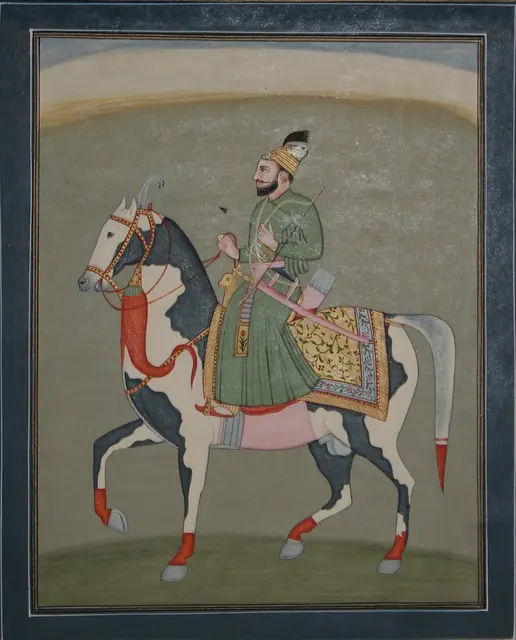
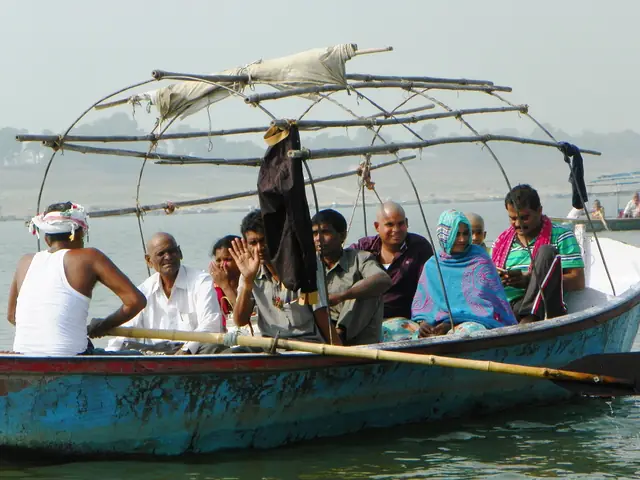
Out of the hills the Yamuna passes Paonta Sahib, where Guru Gobind Singh lived and wrote, and Tajewala and Hathnikund, where its water is diverted into the Western and Eastern Yamuna canals, first dug under the Delhi sultans and Mughals and rebuilt by the British. It flows past Delhi, the capital of so many dynasties, and then through Mathura, Vrindavan and Agra, past Bateshwar with its row of Shiva temples, to join the Ganga at Prayag. Its Delhi stretch is today among the most polluted river reaches in India, and courts and governments have tried for decades to restore it. Pilgrims at the Sangam can still see the two waters, the darker Yamuna and the paler Ganga, running side by side before they mix.
Great masters
In the texts
- Rig Veda 10.75
- Bhagavata Purana, Book 10
- Yamunashtakam of Vallabhacharya