Cite
MLA
“The temple builders: Sompuras, Vishwakarmas and sthapatis.” Hindu History, 2026, https://www.hinduhistory.in/sthapatya/sompura-and-vishwakarma-shilpis/. Accessed .
APA
Hindu History. (2026). The temple builders: Sompuras, Vishwakarmas and sthapatis. Retrieved , from https://www.hinduhistory.in/sthapatya/sompura-and-vishwakarma-shilpis/
What defines it
- 01
Five crafts of the Vishwakarma communities
- 02
Sompura salats: Nagara temple architects of Gujarat and Mewar
- 03
Sthapati, sutragrahi, takshaka: the builder ranks in the texts
- 04
Hoysala signed sculpture
- 05
Mamallapuram school of architecture and sculpture (1957)
01Children of Vishwakarma
Bhagwan Vishwakarma is the divine architect of the universe, and the artisan communities who claim descent from him are known across Bharat by many names. Their tradition counts five crafts, said to come from five children of Vishwakarma: the carpenter, the blacksmith, the bronze-smith and metal caster, the goldsmith and the stone-mason or sculptor. In Tamil Nadu they are the Kammalar, with groups such as the Tachar who work wood, the Kollar of iron, the Kannar of brass, the Tattar of gold and the Kartachar who carve stone. In Andhra and Telangana they are the Viswabrahmin or Viswakarma, with local names such as Kamsali, Kammari and Silpi. The temple needed all five.
02The Sompura salats
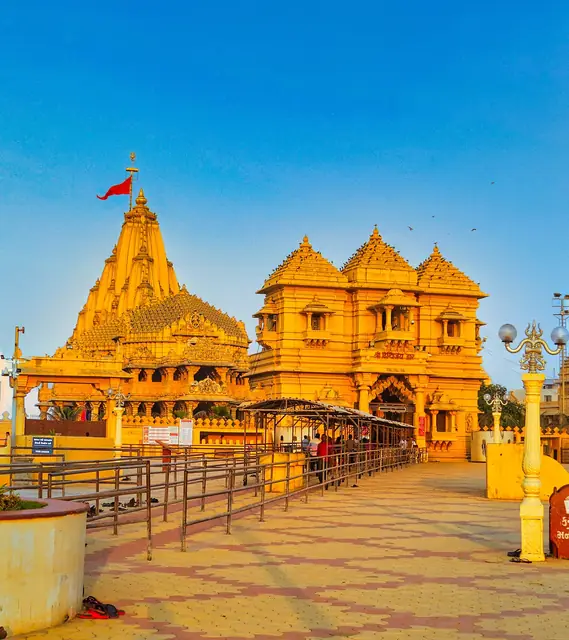
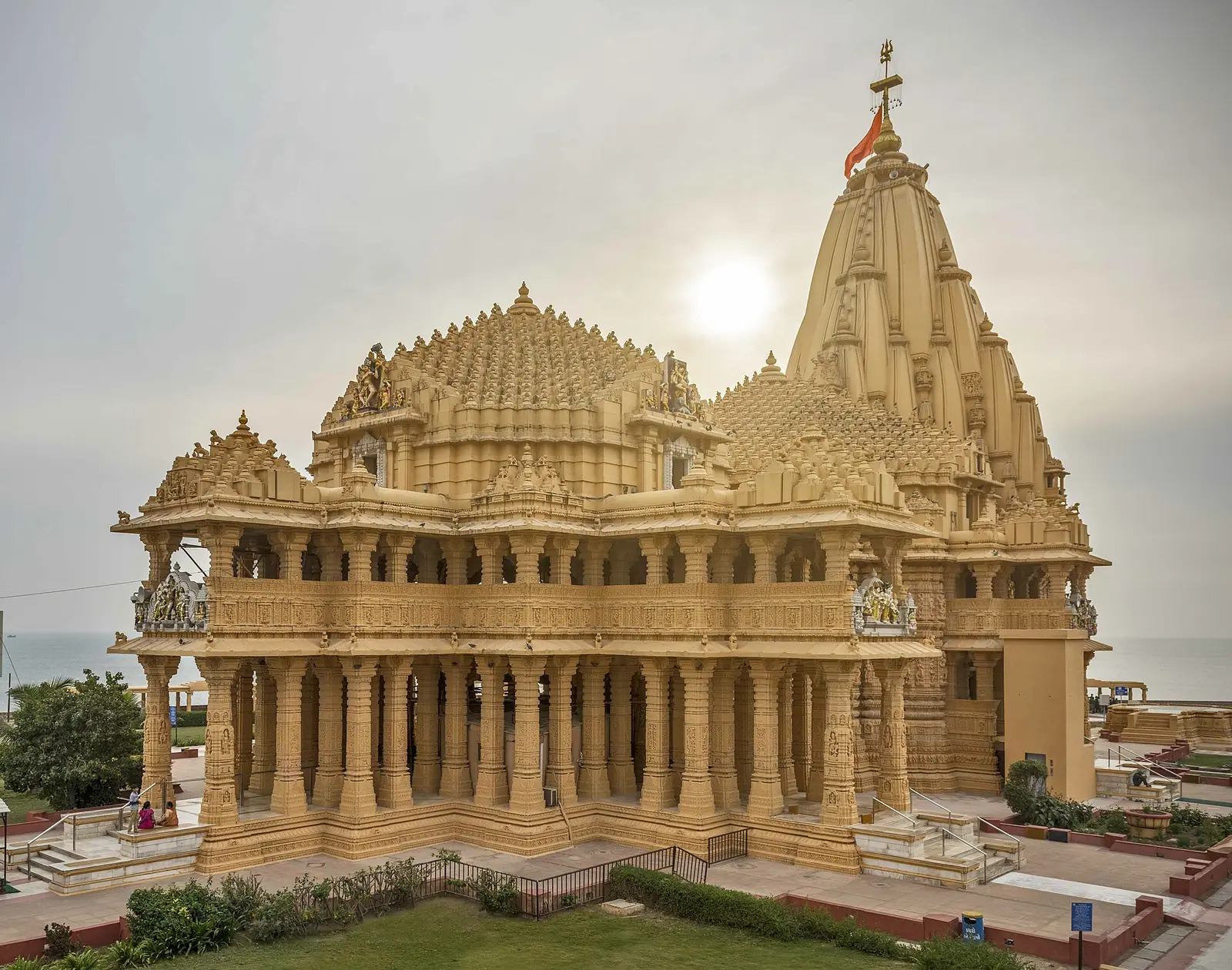
The Sompuras trace their line to Prabhas Patan, the town of Somnath, and to Vishwakarma; salat is said to come from shilavat, an old word for a temple architect. They live mainly in Saurashtra and Mewar, and they build from 15th-century western texts such as the Prasada Manjari. Prabhashankar Oghadbhai Sompura of Palitana, a leading designer of Nagara temples, designed the new Somnath, the Maha Meru Prasada, inaugurated by President Rajendra Prasad in 1951; he was honoured with the Padma Shri and published editions of the old texts. His grandson Chandrakant Sompura designed the Akshardham at Gandhinagar in 1992 and is chief architect of the Ram Mandir at Ayodhya, with his sons Ashish and Nikhil.
03Sthapatis, sutradharas and signed stones
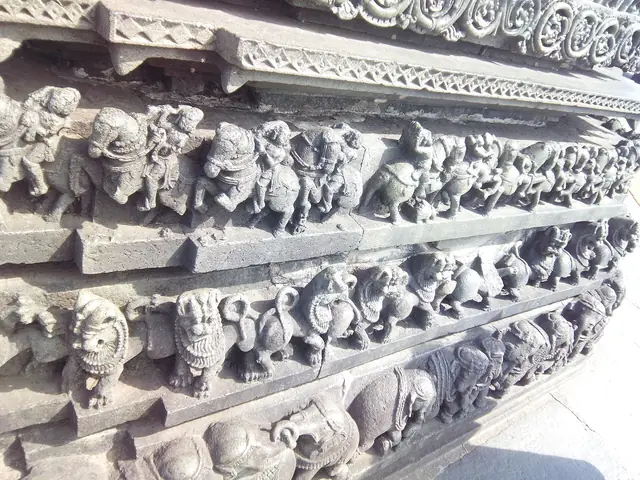
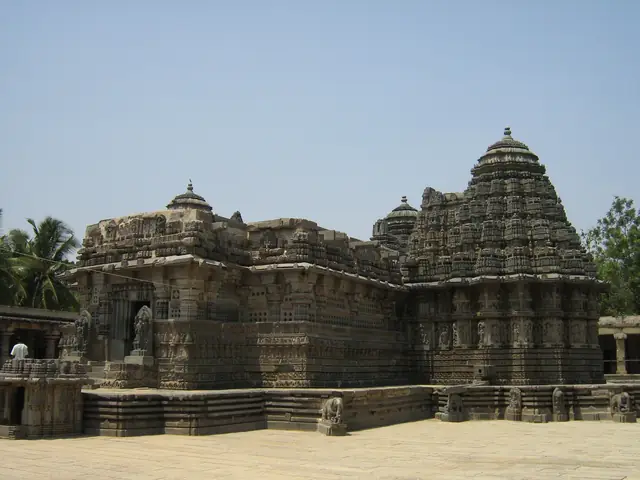
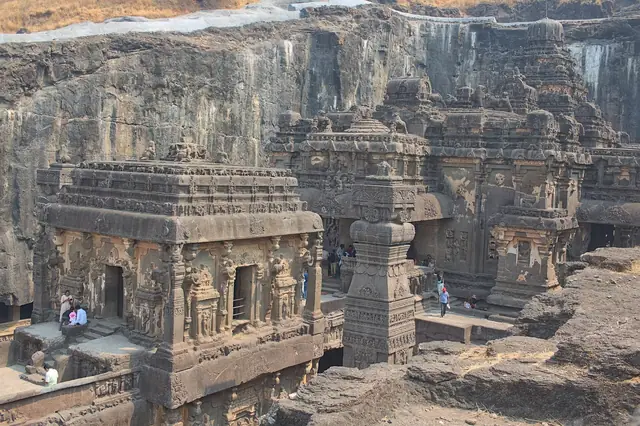
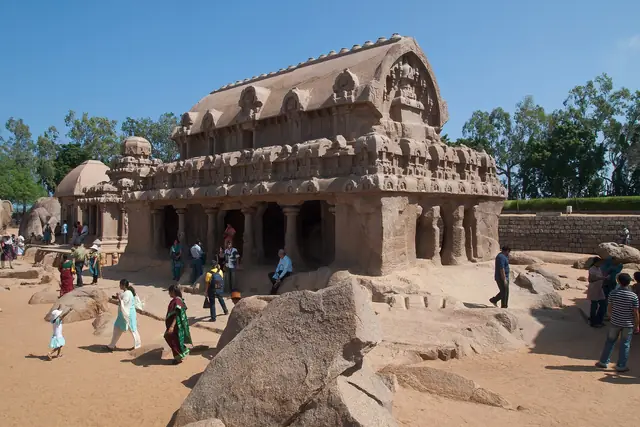
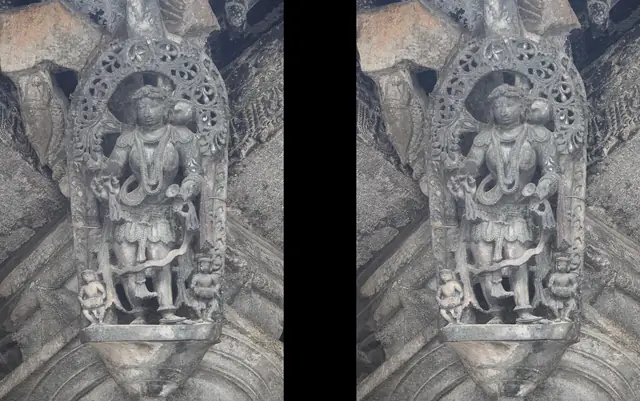
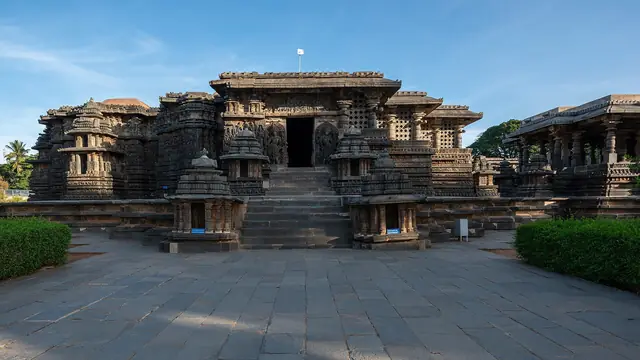
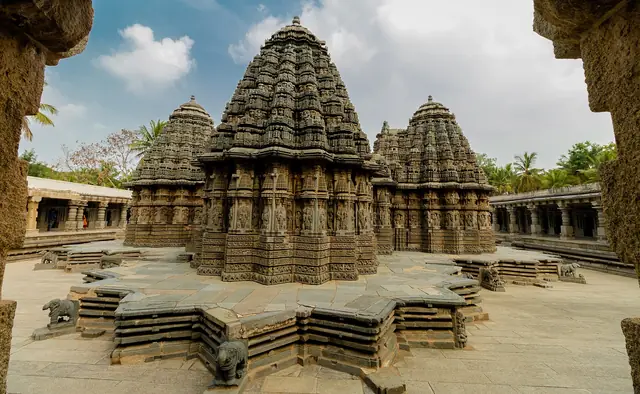
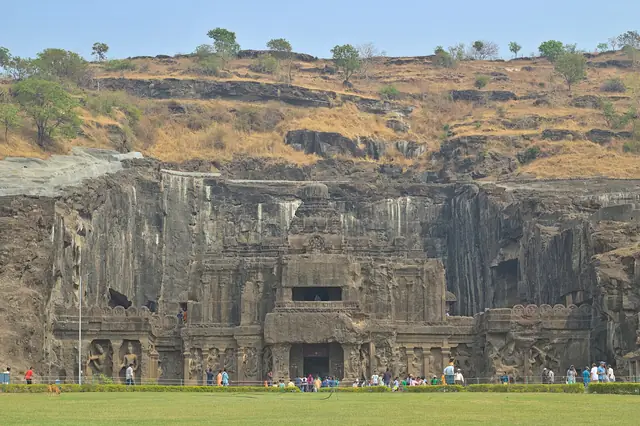
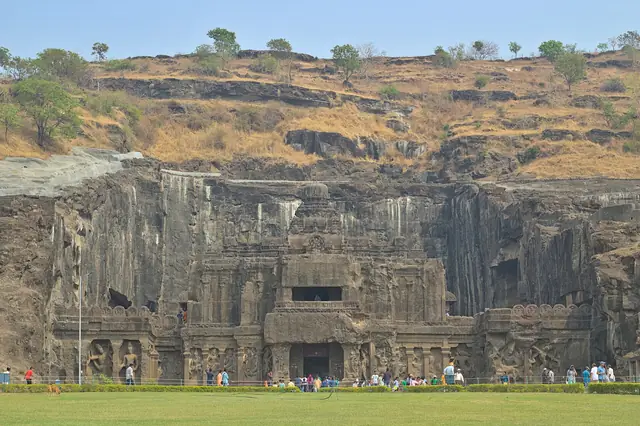
The texts name the builder's ranks. Odia manuals list the karta or patron, the mukhya sthapati or chief architect, the sutragrahi who holds the measuring cord, the masons and the takshaka or sculptor. At Ellora a 9th-century copper plate says even the architect of the Kailasa was astonished by his work. In Karnataka the Hoysala carvers signed their panels: Dasoja and his son Chavana at Belur, Kedaroja at Halebidu, Ruvari Mallitamma at Somanathapura. In Tamil Nadu the line runs to modern times. Vaidyanatha Sthapati headed the school of sculpture at Mamallapuram from 1957; his son V. Ganapati Sthapati (1927–2011) made the 133-foot Thiruvalluvar statue at Kanyakumari and received the Padma Bhushan in 2009.
Great masters
In the texts
- Prasada Manjari
- Mayamata