Cite
MLA
“Manasara.” Hindu History, 2026, https://www.hinduhistory.in/sthapatya/manasara/. Accessed .
APA
Hindu History. (2026). Manasara. Retrieved , from https://www.hinduhistory.in/sthapatya/manasara/
What defines it
- 01
70 chapters, about 10,000 verses
- 02
Measurement (ch. 2), towns (ch. 9–10), palaces (ch. 40–44), images (ch. 51–57)
- 03
Nagara, Dravida, Vesara tied to north, south and middle
- 04
Chapter 70: opening the eyes of the image
01Seventy chapters
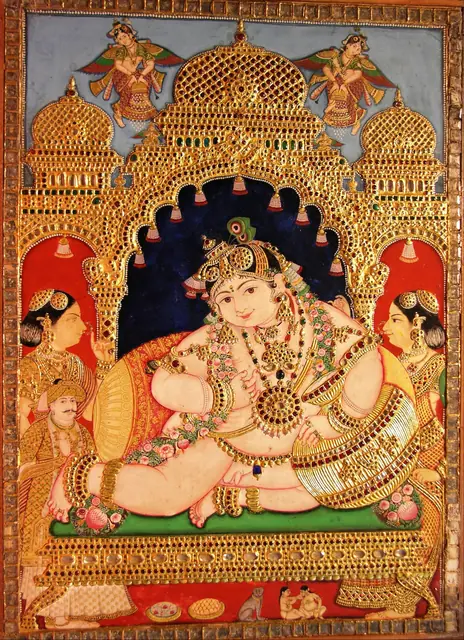
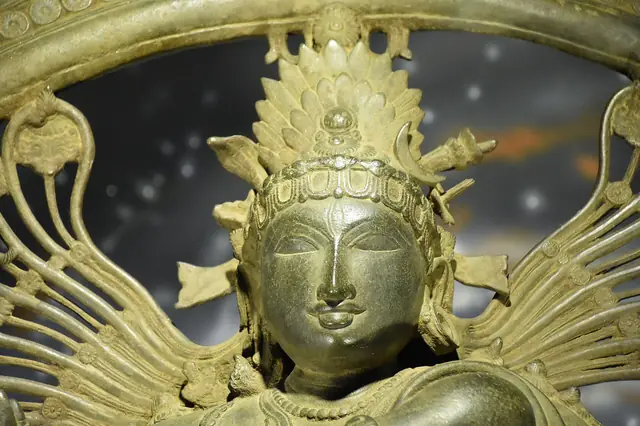
The Manasara is laid out in 70 adhyayas and about 10,000 shlokas. It opens with the system of measurement in its second chapter and then the choice of site and the ground plan. Chapters 9 and 10 deal with villages and towns. The temple chapters lay out shrines of one storey up to many, with their mouldings, pillars and gateways. Chapters 40 to 44 treat royal palaces and chariots, and chapters 51 to 57 the images of Hindu, Jain and Buddhist deities, with their proportions. The last chapter, the 70th, describes the opening of the eyes of an image. The work covers houses, gardens and water tanks too, so it is a manual for a whole settled world, not only the temple.
02North, south and between
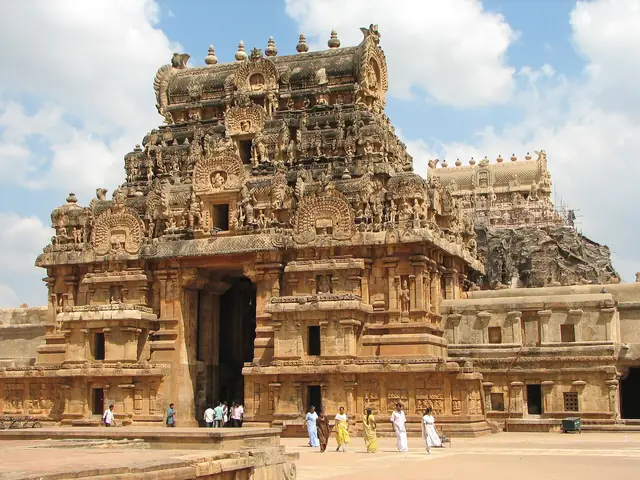
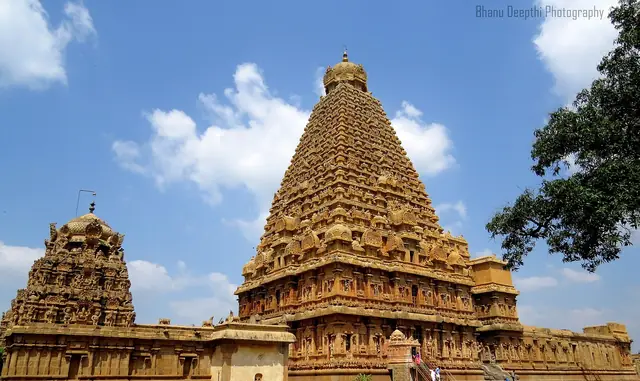
The Manasara is one of the southern texts that name three classes of temple, Nagara, Dravida and Vesara, and it ties them to regions: Nagara in the north, Dravida in the south, Vesara in the middle country. This threefold scheme, repeated in later handbooks, is still how most Indians are taught to sort their temples, even though the buildings themselves are more varied than any scheme. The text works through a module: every height and width is a multiple or fraction of a basic unit, so that the same rules can make a shrine one storey high or many. That is what allowed sthapatis across centuries to raise temples that look like one family.
03Dating and editions
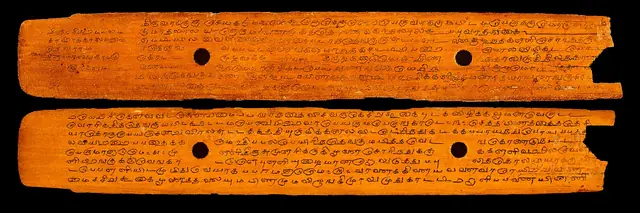
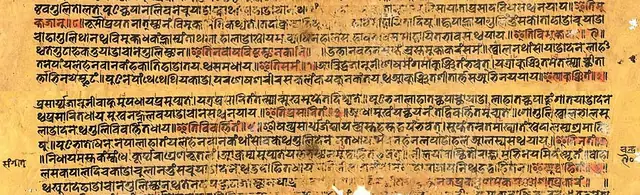
The first complete manuscript was found in a temple at Thanjavur, so the text has always been read in a southern setting. Its date is debated. P. K. Acharya thought it reached its final form by about 700 CE, possibly as early as the 5th century. Tarapada Bhattacharya saw layers going back to the Gupta period and earlier, with the complete surviving manuscript a southern recension of about the 11th century or after. George Michell places it in the 7th–8th centuries. Acharya published Indian Architecture according to the Manasara Shilpa Shastra (Oxford, 1927), a critical edition, and Architecture of Manasara, translated from the original Sanskrit (Oxford, 1934).