Cite
MLA
“Gujarati merchants of the Indian Ocean.” Hindu History, 2026, https://www.hinduhistory.in/samudra/gujarati-merchants-indian-ocean/. Accessed .
APA
Hindu History. (2026). Gujarati merchants of the Indian Ocean. Retrieved , from https://www.hinduhistory.in/samudra/gujarati-merchants-indian-ocean/
What defines it
- 01
Tomé Pires: 1,000 Gujarati merchants in Malacca
- 02
Gujarati cotton exchanged for spices
- 03
Virji Vora of Surat, 17th-century merchant prince
- 04
Hundi credit across the ocean
01Cambay and Malacca
Tomé Pires, a Portuguese apothecary who lived in Malacca from 1512 and wrote the Suma Oriental, says that a thousand Gujarati merchants lived there, and four or five thousand Gujarati seamen came and went. He wrote that Malacca could not live without Cambay, nor Cambay without Malacca, if they wanted to stay rich. Gujarati cotton cloth was the currency that bought the spices of the islands.
02Surat’s great houses
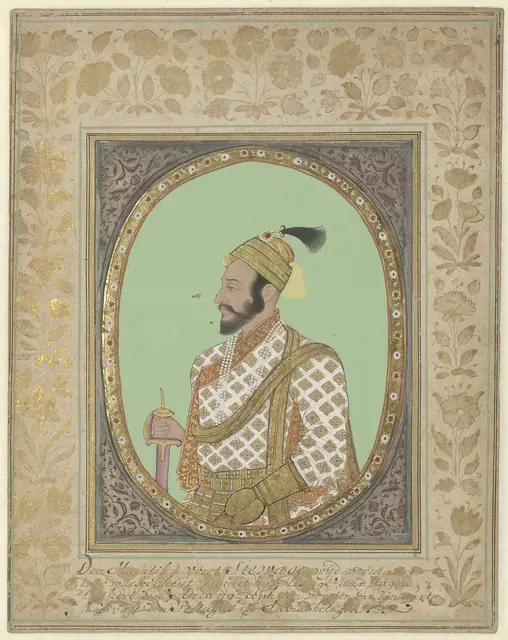
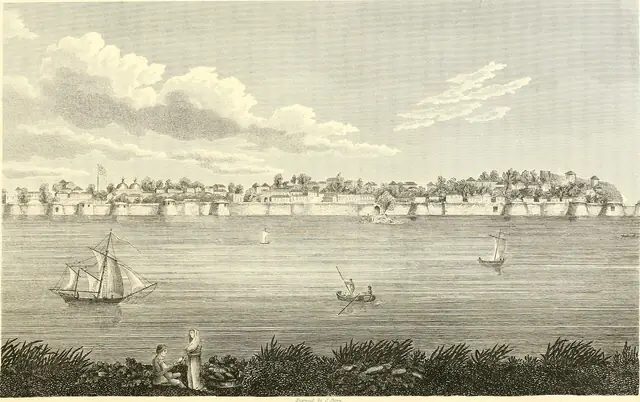
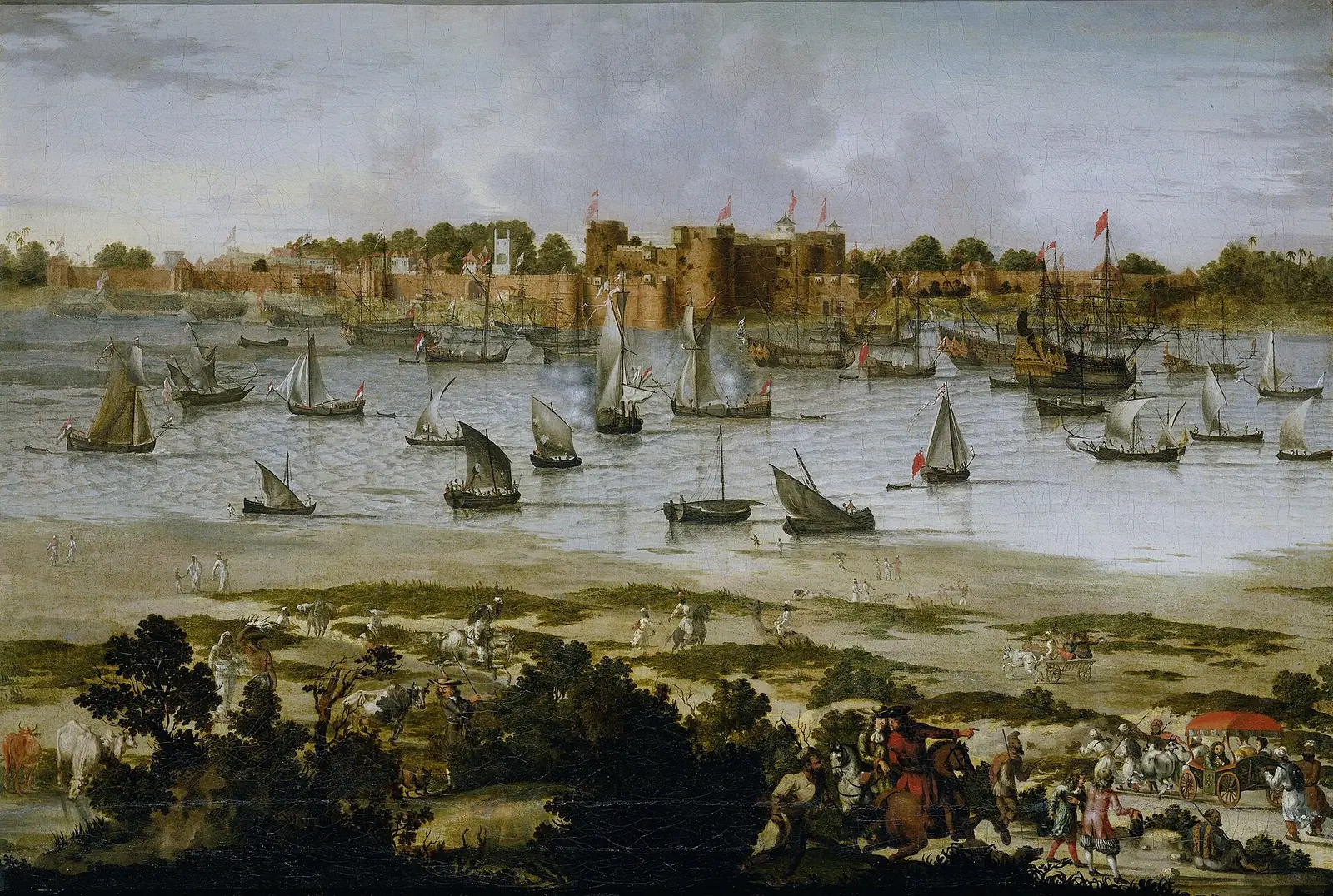
In the 17th century Surat became the Mughal empire’s chief port. Its Hindu and Jain bania houses ran credit across the ocean with the hundi, the bill of exchange. Virji Vora, a Jain merchant of Surat, appears again and again in English factory records as the richest trader in the city, lending to the English Company itself. Shivaji’s raids on Surat in 1664 and 1670 struck at this wealth.
03Muscat and Zanzibar
Kutchi and Gujarati traders, Bhatias, Lohanas and others, settled in Muscat and along the East African coast. By the 19th century they ran much of the customs and credit of Zanzibar. Their temples and their families are still in Oman and East Africa today.