Cite
MLA
“Kalinga’s sea trade and Bali Yatra.” Hindu History, 2026, https://www.hinduhistory.in/samudra/kalinga-bali-yatra/. Accessed .
APA
Hindu History. (2026). Kalinga’s sea trade and Bali Yatra. Retrieved , from https://www.hinduhistory.in/samudra/kalinga-bali-yatra/
What defines it
- 01
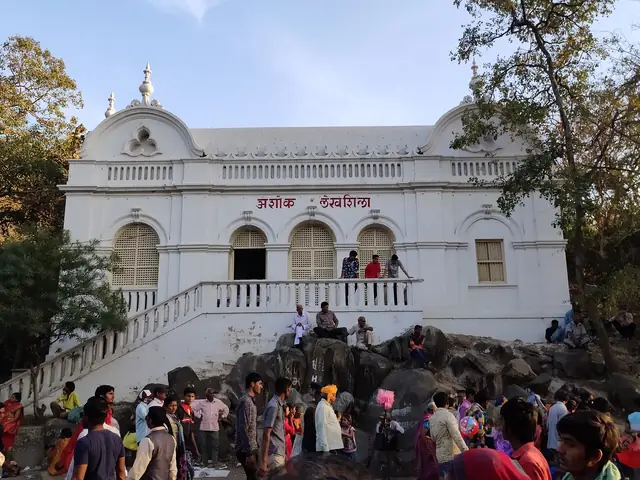
Ashoka’s Kalinga war, c. 261 BCE (Rock Edict XIII)
- 02
Boita Bandana: floating lamps in toy boats at dawn on Kartik Purnima
- 03
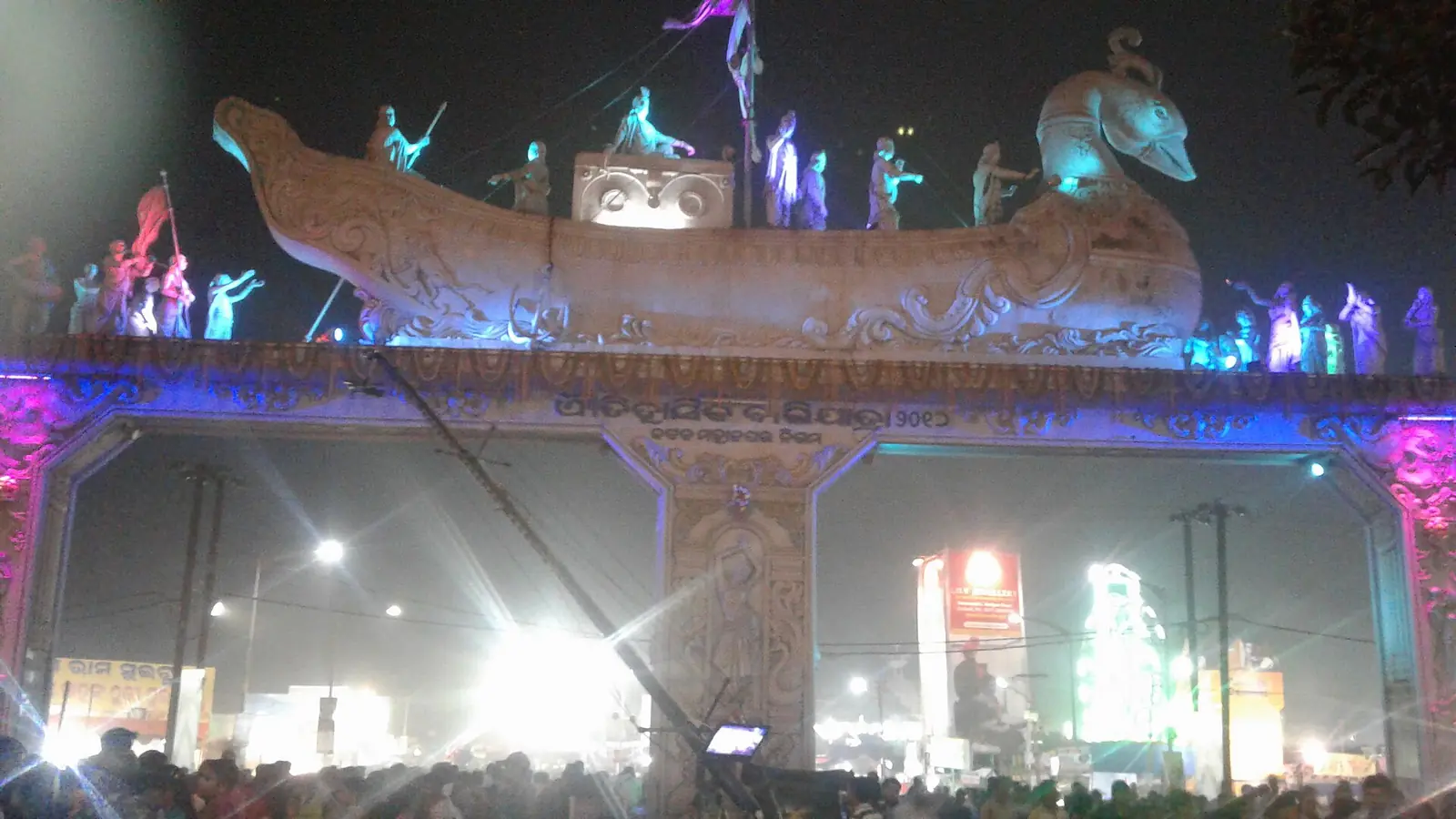
Bali Yatra fair on the Mahanadi at Cuttack
- 04
Malay word Keling, from Kalinga, for Indians
01A kingdom worth a war
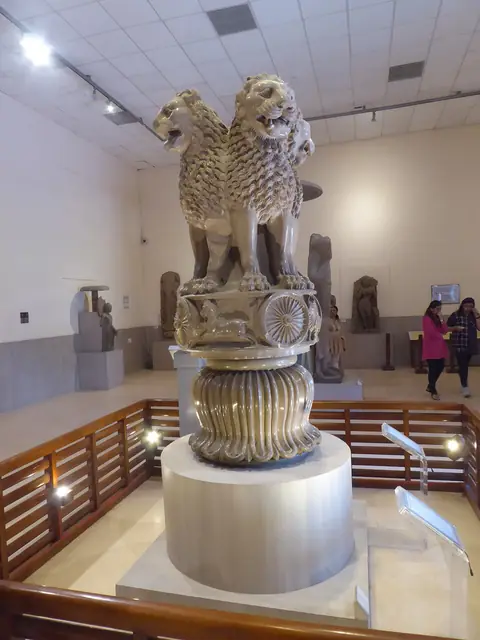
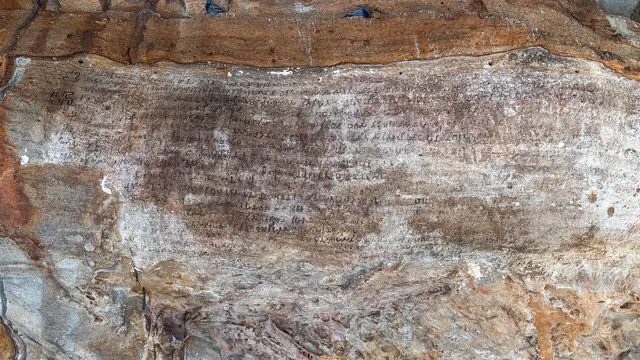
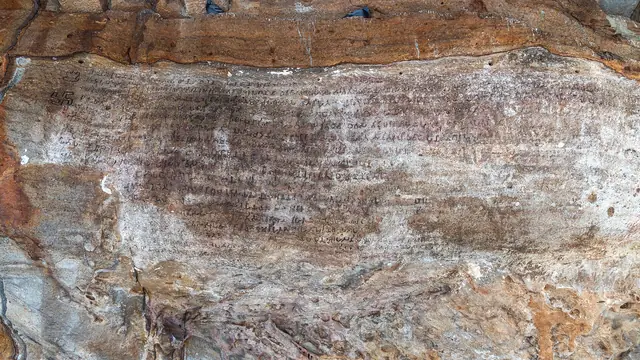
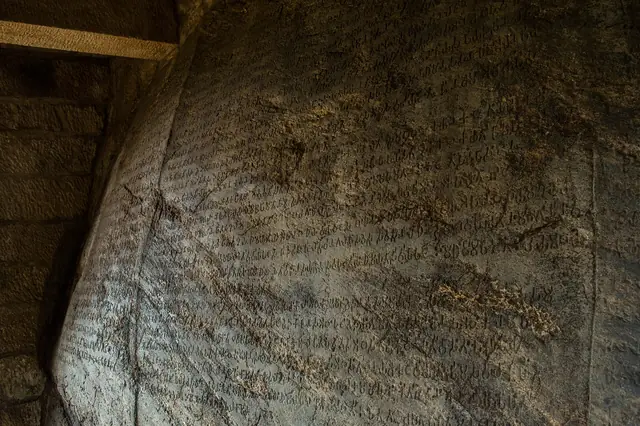
Ashoka fought the Kalinga war around 261 BCE, and his own Rock Edict XIII counts the dead and the deported. Kalinga controlled the coast between the Mahanadi and the Godavari and the sea lanes to the south-east. A century later Kharavela’s Hathigumpha inscription speaks of the wealth of a Kalinga that had recovered its strength. In the Malay world the word Keling, from Kalinga, long meant a person from India.
02Boita Bandana at dawn
On Kartik Purnima, before sunrise, families across Odisha go to rivers, ponds and the sea with little boats made of banana bark, paper or cork, lit with a lamp and loaded with betel and flowers. Women once did this to see their men off on the voyage, timed for the north-east wind that carried ships south-east. The custom is called Boita Bandana, the worship of the boat.
03The fair at Cuttack
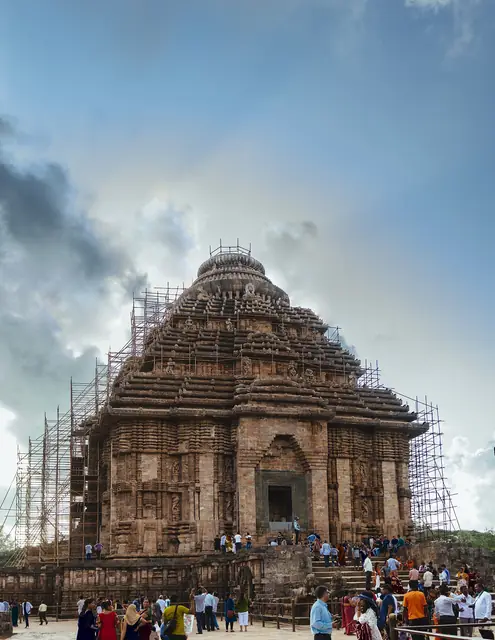
At Cuttack, on the bank of the Mahanadi by Gadagadia Ghat, the Bali Yatra fair opens on the same day and runs for about a week. It is among the largest open-air fairs in India. Stone boitas carved in Odisha temples, one now kept in the Konark museum, show what those ships looked like.