Cite
MLA
“The monsoon, Hippalus and the Periplus.” Hindu History, 2026, https://www.hinduhistory.in/samudra/monsoon-periplus/. Accessed .
APA
Hindu History. (2026). The monsoon, Hippalus and the Periplus. Retrieved , from https://www.hinduhistory.in/samudra/monsoon-periplus/
What defines it
- 01
Periplus ch. 57 credits Hippalus with the direct monsoon crossing
- 02
Pliny: India drained at least 50 million sesterces a year
- 03
Strabo: up to 120 ships a year from Myos Hormos
- 04
Ports named: Barbarikon, Barygaza, Kalliena, Muziris, Nelkynda, Poduke
01Sailing on the wind
The south-west monsoon blows steadily from June to September; the north-east wind blows back in winter. Ships that used them could leave the Red Sea in midsummer, cross straight to Muziris and come home in December. Chapter 57 of the Periplus says the pilot Hippalus first worked out this direct route, and Pliny the Elder writes that the wind itself was called Hippalus. The sailors of the Indian and Arabian coasts who already made the crossing left no Greek books, so the credit in our sources goes to him.
02A port-by-port guide
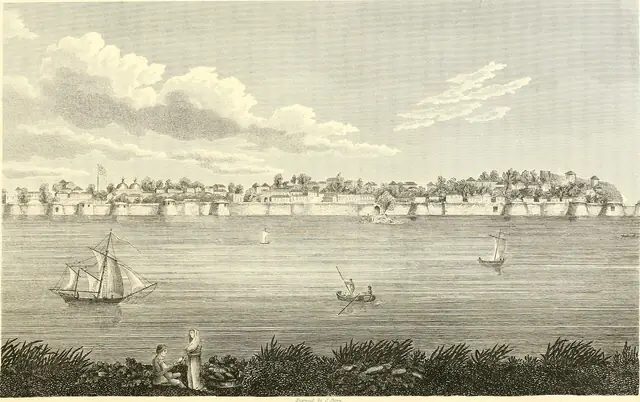
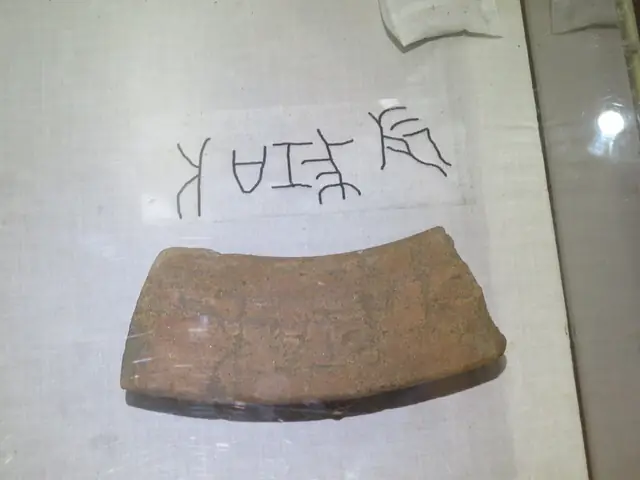
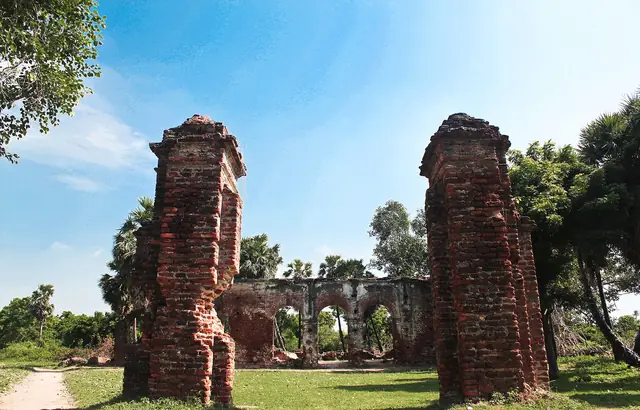
The anonymous author names Barbarikon on the Sindhu, Barygaza (Bharuch) with its tidal bore and local pilots who towed ships upriver, Kalliena, Muziris and Nelkynda on the Malabar coast, and Poduke on the east coast, usually identified with Arikamedu. From India went pepper, malabathrum, pearls, ivory, fine cotton and gemstones. Into India came gold and silver coin, wine, coral, glass and tin.
03Rome’s complaint
Pliny, writing in the 70s CE, grumbled that in no year did India take less than fifty million sesterces out of the Roman empire. Strabo heard that as many as 120 ships a year sailed for India from Myos Hormos on the Red Sea. Hoards of Roman gold and silver coins found in South India, many of them of Augustus and Tiberius, bear out the scale.
In the texts
- Periplus of the Erythraean Sea
- Pliny the Elder, Natural History, Book 6
- Strabo, Geography, Book 2