Cite
MLA
“Pallava links to Southeast Asia.” Hindu History, 2026, https://www.hinduhistory.in/samudra/pallava-southeast-asia/. Accessed .
APA
Hindu History. (2026). Pallava links to Southeast Asia. Retrieved , from https://www.hinduhistory.in/samudra/pallava-southeast-asia/
What defines it
- 01
Mamallapuram, port named after Narasimhavarman I
- 02
Pallava Grantha: parent of Old Khmer, Kawi and Old Mon scripts
- 03
Takuapa Tamil inscription, 9th century, Thailand
- 04
Pallava embassy to the Tang court, 720
01The port of Mamalla
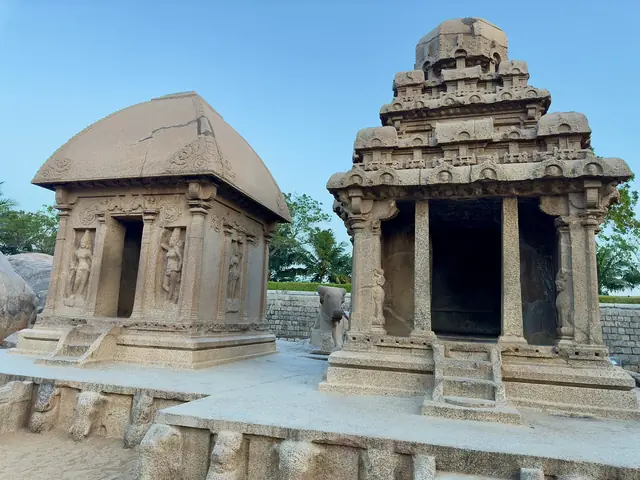
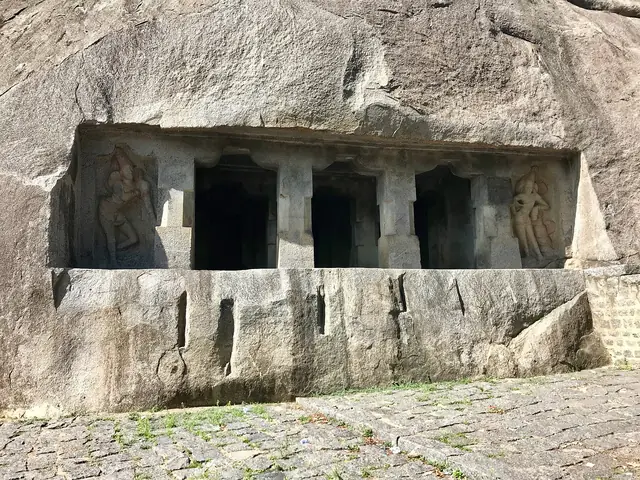
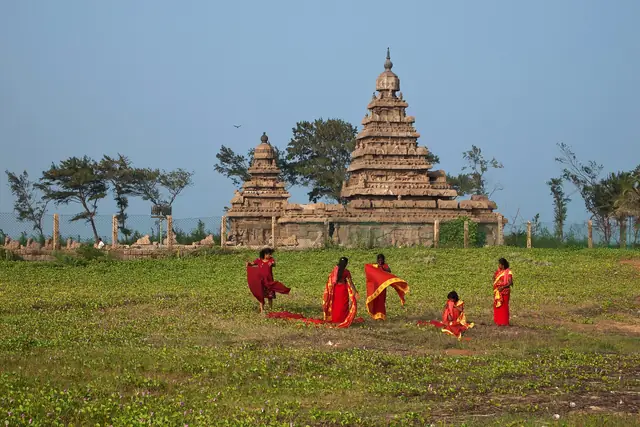
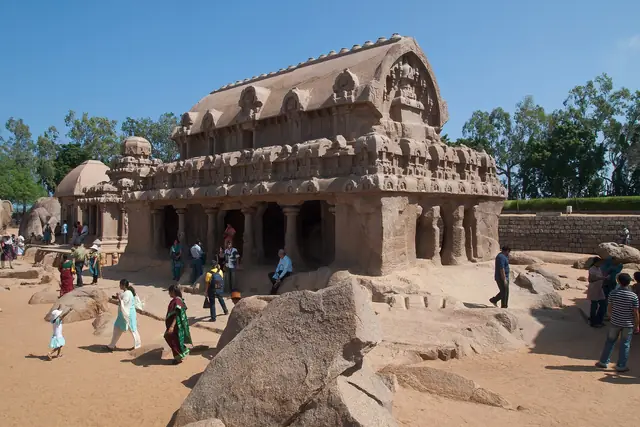
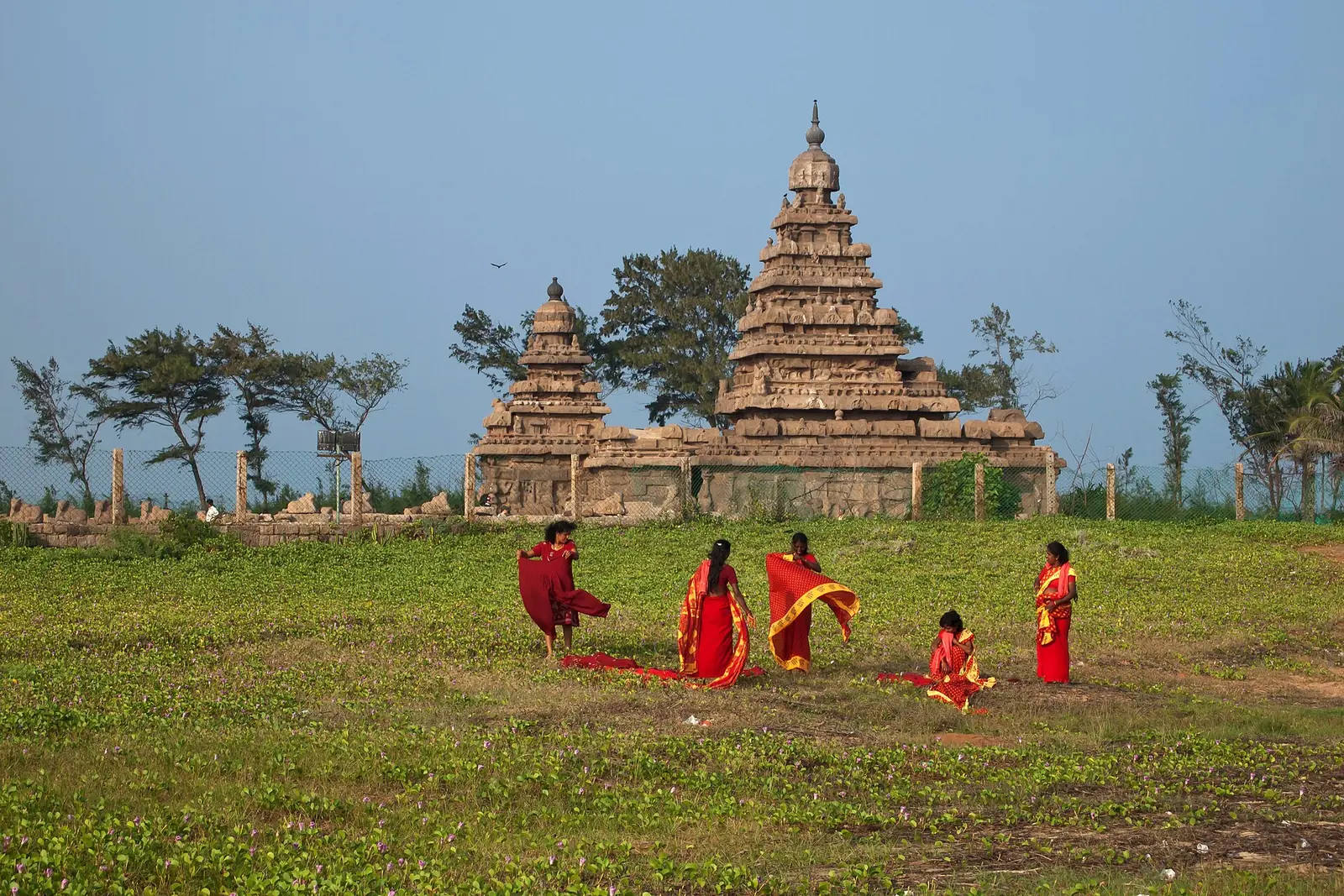
Narasimhavarman I, called Mamalla, the great wrestler, gave his name to the port town where his family cut the rathas and the Arjuna’s Penance relief. The Shore Temple was raised there by Rajasimha around 700 CE, right on the beach, its towers a landmark for ships. The Mahavamsa of Lanka records that Narasimhavarman sent a fleet to put the Lankan prince Manavamma on the throne.
02A script that crossed the sea
The rounded southern Brahmi of Pallava inscriptions, often called Pallava Grantha, is the script of the oldest Sanskrit inscriptions of Southeast Asia: the Vo Canh stone in Vietnam, the Yupa posts of Kutai in Borneo, the inscriptions of Tarumanagara in Java. From it grew Old Khmer, Kawi of Java and Old Mon. Every Thai, Lao, Khmer and Javanese reader today uses a letter-shape whose ancestor was carved on the Coromandel coast.
03Takuapa and the merchants
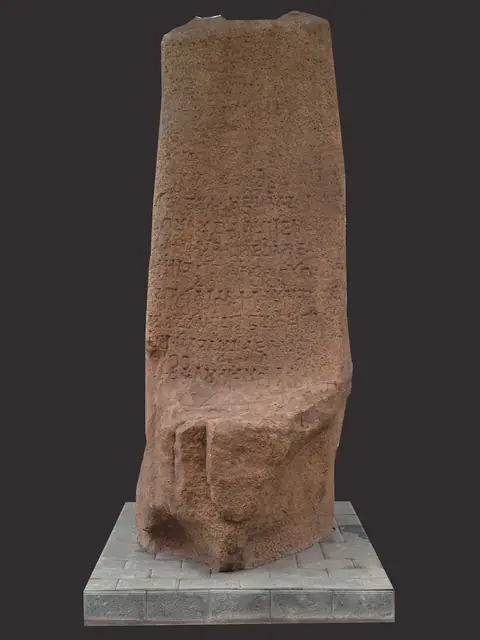
At Takuapa on the west coast of Thailand, a 9th-century Tamil inscription records a tank named Avani-naranam, after a title of the Pallava king Nandivarman III, dug by a man from Nangur and placed in the care of the Manigramam merchants and the soldiers stationed there. Vishnu images in South Indian style have been found nearby. Pallava kings also sent envoys to the Tang court; Chinese records note one in 720.