Cite
MLA
“Indian sailors and shipwrights in the European age.” Hindu History, 2026, https://www.hinduhistory.in/samudra/indian-sailors-shipwrights-colonial/. Accessed .
APA
Hindu History. (2026). Indian sailors and shipwrights in the European age. Retrieved , from https://www.hinduhistory.in/samudra/indian-sailors-shipwrights-colonial/
What defines it
- 01
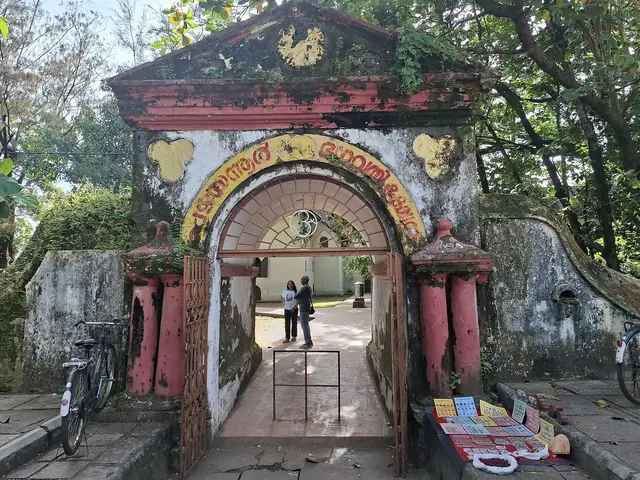
Portuguese ships built in Goa, Kochi and Bassein by Indian carpenters
- 02
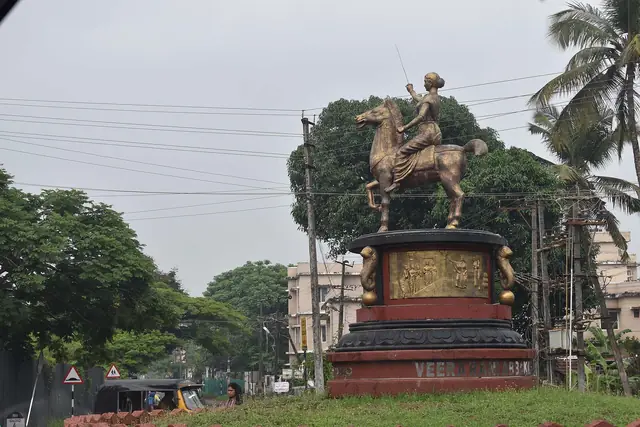
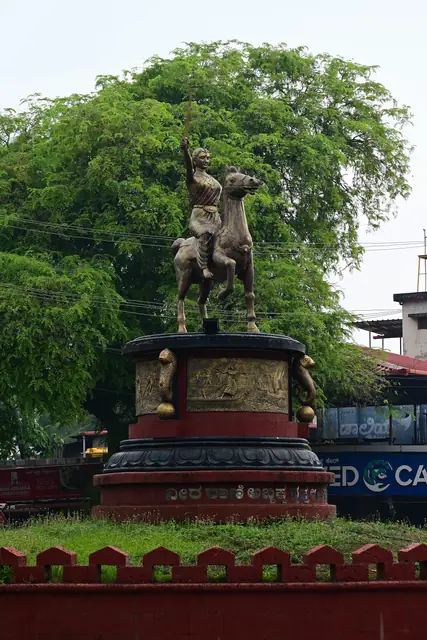
Rani Abbakka of Ullal resists the Portuguese
- 03
Wadia dockyard, Bombay, from 1736
- 04
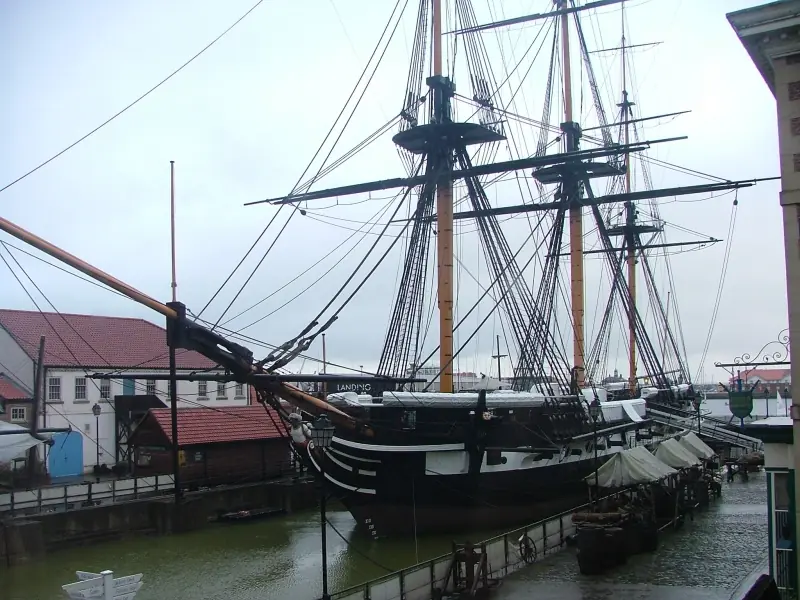
HMS Trincomalee (Bombay, 1817) still afloat
01The Portuguese and their Indian crews
Within a few years of 1498 the Portuguese held Goa (1510), Kochi and a string of forts, but there were never enough Portuguese to sail the ships. Their carracks for the Lisbon run and their coastal fleets were built in Goa, Kochi and Bassein by Indian carpenters, and crewed by Indian seamen. Not every coast submitted: Rani Abbakka of Ullal, near Mangaluru, fought the Portuguese for years in the 16th century and refused to pay them tribute.
02The Wadias of Bombay
In 1736 the English Company brought Lowjee Nusserwanjee Wadia, a Parsi shipwright of Surat, to Bombay to build a dockyard. His family ran it for more than a century. Teak hulls from the Wadia yard outlasted oak hulls from England. HMS Trincomalee, built in Bombay under Jamsetjee Bomanjee Wadia and launched in 1817, still floats at Hartlepool in England; HMS Cornwallis, also Bombay-built, was the ship on which the Treaty of Nanking was signed in 1842.
03The lascars
By the 19th century tens of thousands of Indian seamen, called lascars, served on British merchant ships across the world, often on harsher terms than European sailors. Many came from the Konkan, Gujarat, Bengal and the Malabar coast. Their descendants and their records are part of the history of Indian communities in London, Liverpool and Cardiff.