Cite
MLA
“Muziris, the pepper port.” Hindu History, 2026, https://www.hinduhistory.in/samudra/muziris-pepper-port/. Accessed .
APA
Hindu History. (2026). Muziris, the pepper port. Retrieved , from https://www.hinduhistory.in/samudra/muziris-pepper-port/
What defines it
- 01
Akananuru 149: Yavana ships bring gold, take pepper
- 02
Named in the Periplus and in Pliny
- 03
Pattanam excavations since 2007 (KCHR)
- 04
Templum Augusti marked on the Peutinger Table
01Gold in, pepper out
Akananuru 149, a Sangam poem, describes the great, well-made ships of the Yavanas churning the white foam of the Periyar as they come to Muchiri with gold and go back loaded with pepper. Yavana was the Indian word for Greeks and, by then, for any westerner. The Periplus calls Muziris a town full of ships from Arabia and from the Greeks, and Pliny names it as the first market of India for a ship coming from Egypt.
02Lost and looked for
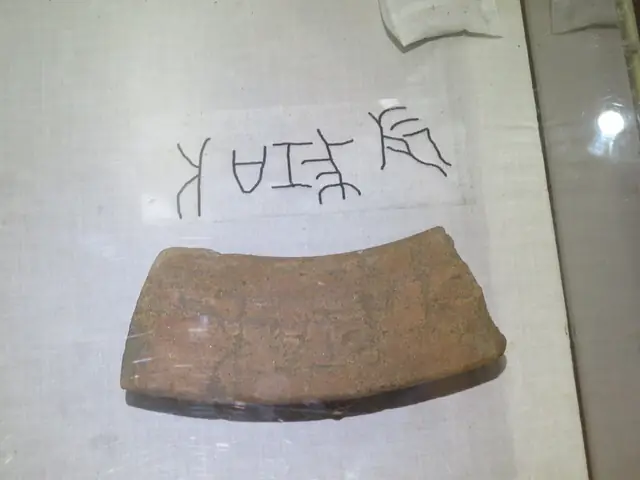
The port faded after the Roman trade declined, and Kerala tradition holds that a great flood of the Periyar in 1341 silted its mouth and opened the harbour at Kochi instead. For centuries no one could point to the site. Since 2007 the Kerala Council for Historical Research has dug at Pattanam, near North Paravur, and found Roman amphorae, Mediterranean glass, beads, a brick wharf and a dugout canoe. Many scholars now place Muziris there, though some still keep the question open.
03On a Roman road map
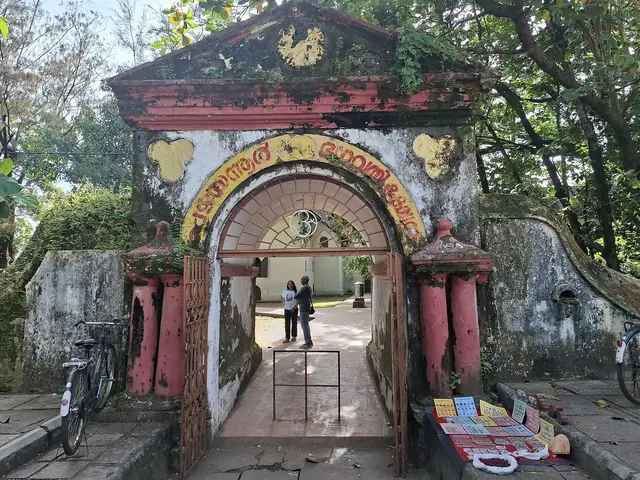
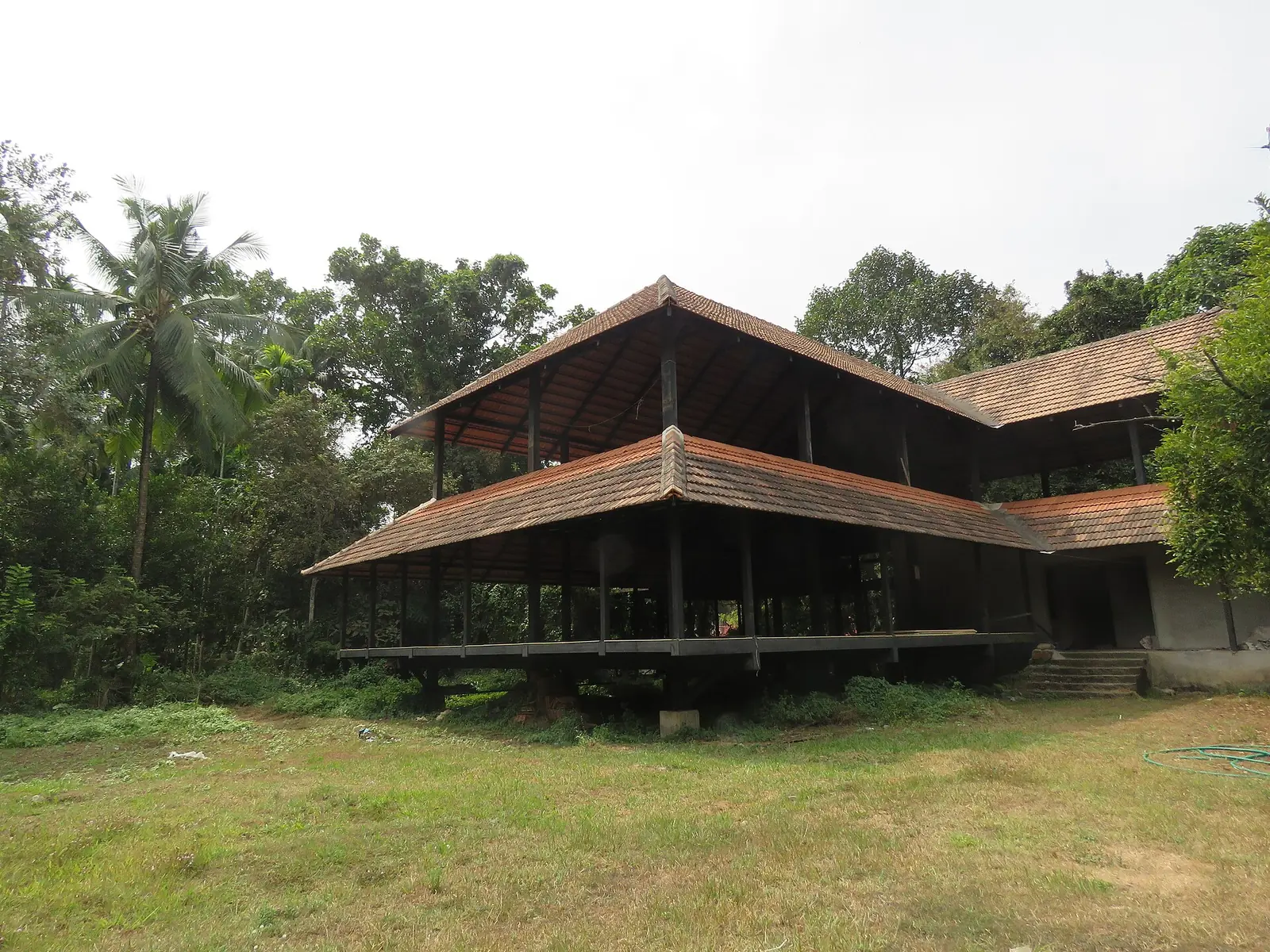
The Peutinger Table, a medieval copy of a Roman route map, marks Muziris and beside it a Templum Augusti, a temple of Augustus, which suggests a settled community of Roman traders. Today the Muziris Heritage Project links the Pattanam museum with old Kodungallur and Kottappuram on the same backwaters.