Cite
MLA
“Kolachel 1741: Travancore stops the Dutch.” Hindu History, 2026, https://www.hinduhistory.in/samudra/kolachel-1741-sea-power/. Accessed .
APA
Hindu History. (2026). Kolachel 1741: Travancore stops the Dutch. Retrieved , from https://www.hinduhistory.in/samudra/kolachel-1741-sea-power/
What defines it
- 01
Dutch force surrendered, 10 August 1741
- 02
Eustachius De Lannoy taken prisoner, later Travancore’s commander
- 03
Treaty of Mavelikkara, 1753
- 04
Victory pillar at Kolachel
01The pepper war
The Dutch East India Company had taken Kochi from the Portuguese in 1663 and wanted the pepper of the south Kerala coast for itself. Marthanda Varma, building Travancore out of small chiefdoms, refused to let them dictate terms and annexed kingdoms the Dutch protected. The Dutch landed troops from Ceylon at Kolachel, a small port on the coast of Travancore, and bombarded the shore.
02The battle and De Lannoy
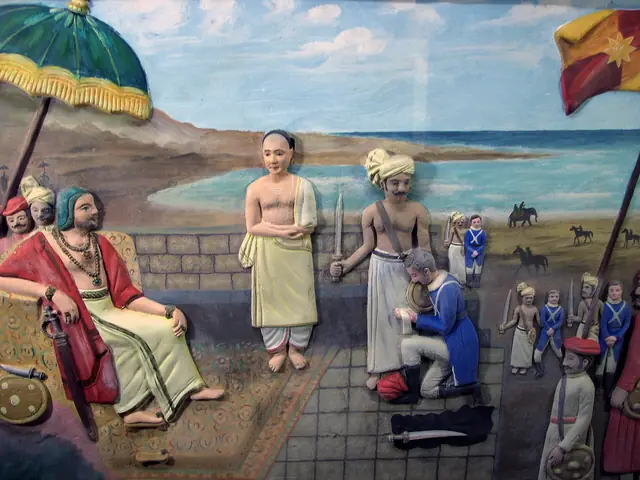
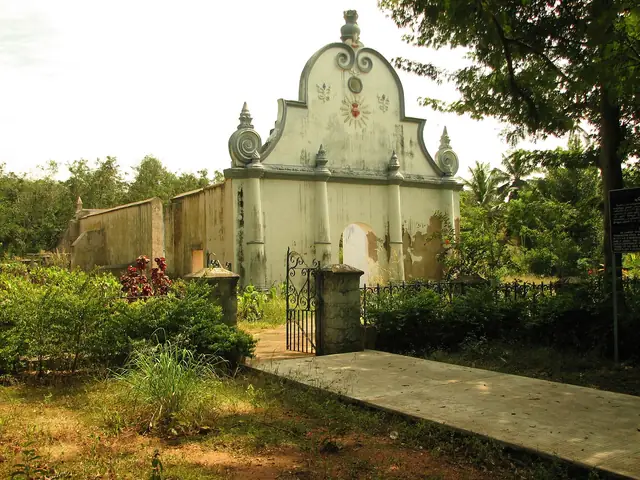
Travancore’s army hemmed the Dutch in on the beach, and on 10 August 1741 the Dutch force surrendered. Among the prisoners was Eustachius De Lannoy, a Flemish officer. Marthanda Varma took him into service; De Lannoy trained the Travancore army in European drill and rebuilt the Udayagiri fort, and rose to command it. A victory pillar stands at Kolachel today.
03What followed
Dutch power on the Malabar coast never recovered. By the Treaty of Mavelikkara in 1753 the Company agreed not to oppose Travancore’s expansion. Marthanda Varma dedicated his kingdom to Sri Padmanabha in 1750 and ruled thereafter as Padmanabhadasa, the servant of the deity.