Cite
MLA
“Yijing (I-tsing).” Hindu History, 2026, https://www.hinduhistory.in/sakshi/yijing/. Accessed .
APA
Hindu History. (2026). Yijing (I-tsing). Retrieved , from https://www.hinduhistory.in/sakshi/yijing/
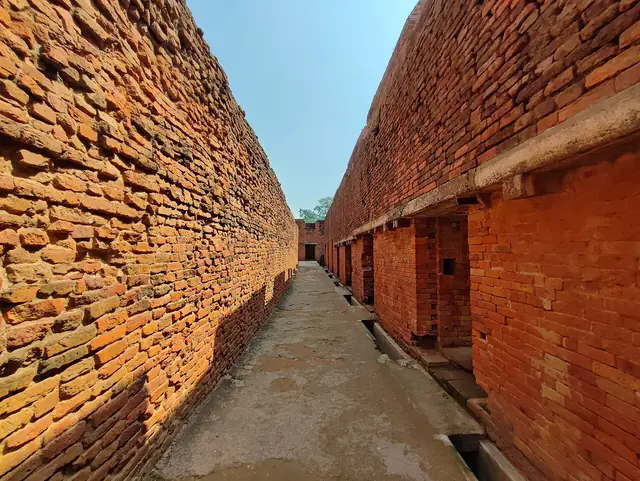
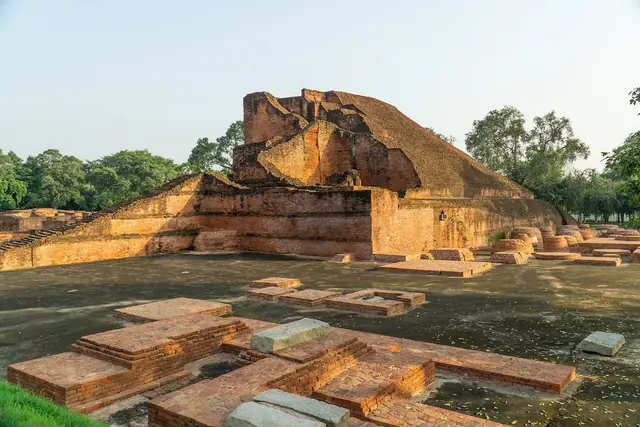
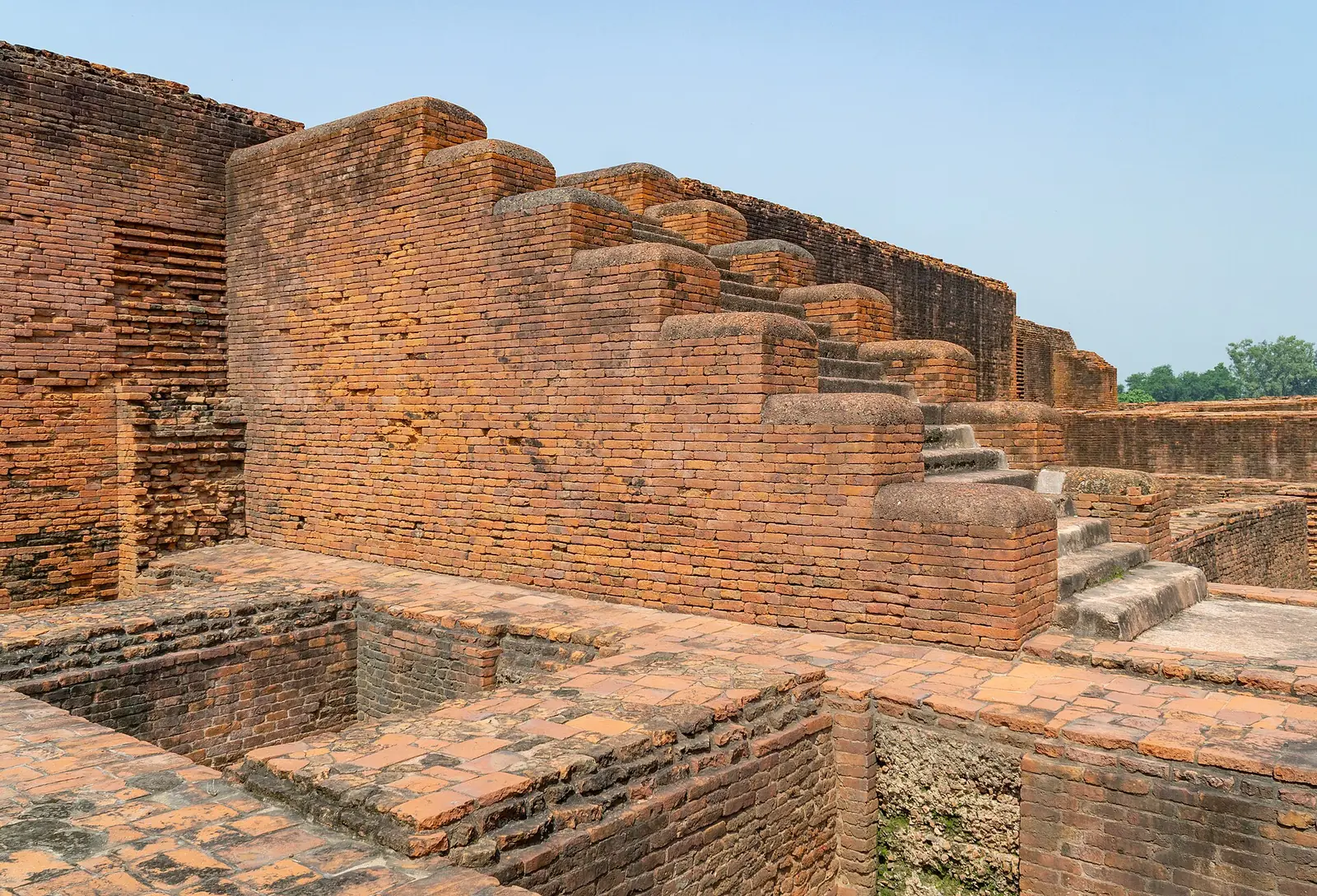
the number of the residents is great and exceeds 3,000. The lands in its possession contain more than 200 villages. They have been bestowed (upon the monastery) by kings of many generations.
The route
What defines it
- 01
Landed at Tamralipti, 673 CE
- 02
About ten years at Nalanda
- 03
Course of Sanskrit grammar from primer to Kashika
- 04
Date of Bhartrihari’s death
- 05
Nalanda: over 3,000 residents, over 200 villages
01By sea to Tamralipti
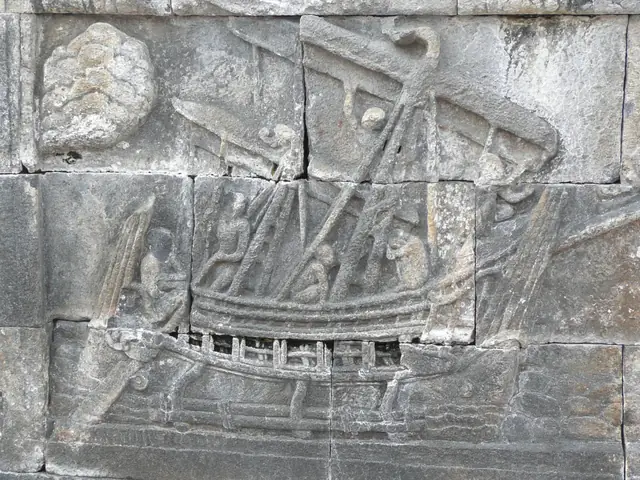
Yijing tells us himself that he embarked at Guangzhou in the eleventh month of 671, stopped in Sumatra at Srivijaya, then called Shribhoja, to learn Sanskrit, and reached Tamralipti, the port of eastern India, on the eighth day of the second month of 673. In the fifth month he went west with other travellers to Nalanda and to the Diamond Seat at Bodh Gaya, and visited the holy places. He studied at Nalanda for about ten years, then went back to Tamralipti and sailed to Srivijaya, carrying some four hundred Sanskrit texts. There, around 691, he wrote his Record and sent it to China with a returning monk. He went home in 695 and spent his last years translating.
02Grammar, Bhartrihari and the eight branches of medicine
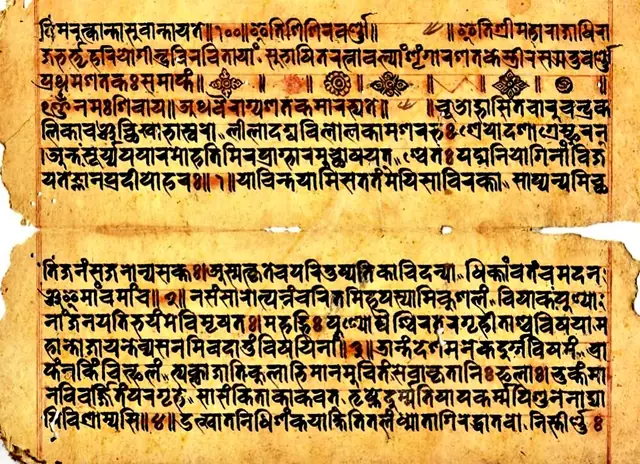
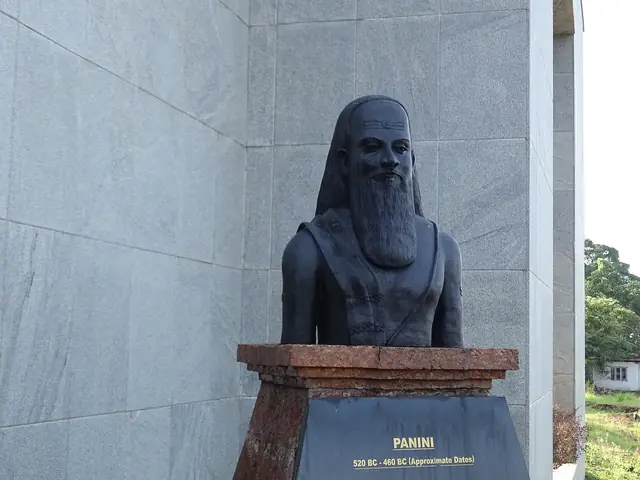
Yijing is at his best on learning. He lays out the course a Sanskrit student follows: an alphabet primer, the sutras of Panini, the book of roots, and then a commentary he calls the Vritti-sutra, which scholars identify with the Kashika of Jayaditya, before the advanced works. He names Bhartrihari as a great grammarian who had died about forty years before he wrote, and mentions his Vakya treatise, our Vakyapadiya. That remark is the main evidence for dating Bhartrihari. He describes Indian medicine as eight sciences, matching the eight angas of Ayurveda, and he praises the Indian habit of fasting and simple diet for illness. He also notes that Srivijaya had over a thousand monks and advised Chinese pilgrims to train there before going on to India.
03What he is worth
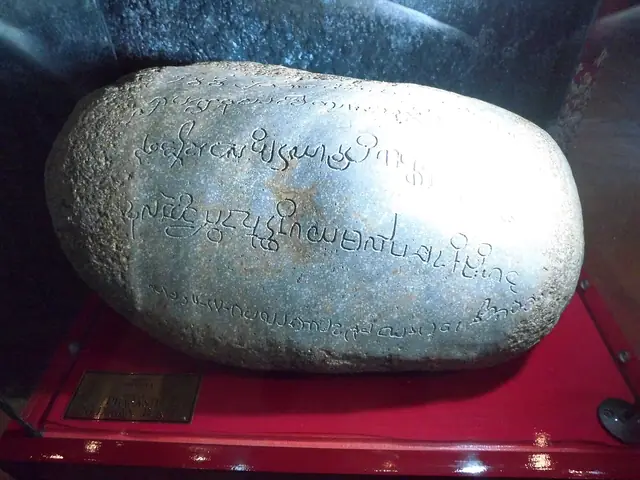
Yijing wrote as a teacher of the Vinaya, and his purpose was to shame lax Chinese monks with Indian strictness, so he dwells on rules about robes, water jars, toothsticks and bathing, and tends to praise whatever is Indian. That is a bias, but it gives detail no one else bothered to record. His figure for Nalanda, more than three thousand residents and lands of over two hundred villages given by kings of many generations, fits the scale of the excavated site and the copper-plate grants found there, such as the Pala king Devapala’s plate of the ninth century. His dates for Srivijaya agree with the Kedukan Bukit inscription of 682. Unlike Xuanzang, he says little about kings or wars, so he cannot be used for politics.
In the texts
- Nanhai jigui neifa zhuan, Record of the Buddhist Religion (c. 691 CE)
- Memoirs of eminent monks who went to the West
- Translation by J. Takakusu (Oxford, 1896)