Cite
MLA
“Samarangana Sutradhara of Raja Bhoja.” Hindu History, 2026, https://www.hinduhistory.in/sthapatya/samarangana-sutradhara/. Accessed .
APA
Hindu History. (2026). Samarangana Sutradhara of Raja Bhoja. Retrieved , from https://www.hinduhistory.in/sthapatya/samarangana-sutradhara/
What defines it
- 01
7,430 verses in 83 chapters; all versions incomplete
- 02
Temples in chapters 52–67; vastu mandalas in 11–15
- 03
Chapter 65: bhumija temple, sixteen variants
- 04
Chapter 31: yantras (mechanical devices)
- 05
Linked to the Bhojpur temple and its rock-cut line drawings
01A king's treatise
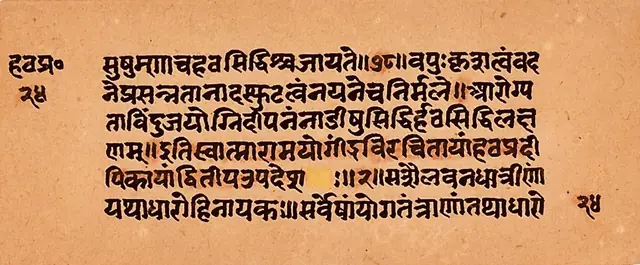
Raja Bhoja of the Paramara line, who ruled Malwa from Dhar in the 11th century, was famed as a scholar-king, and the Samarangana Sutradhara is credited to him; some scholars doubt that he wrote all of it alone and see a compilation made in his name. The title means the sutradhara, the master builder, of the battlefield of construction. The fullest manuscript, probably a 15th-century copy, has 7,430 verses in 83 chapters, and every known version is incomplete. It deals with town planning, houses, temple architecture in chapters 52 to 67, the vastu mandalas in chapters 11 to 15, and iconography, painting and sculpture. T. Ganapati Sastri edited it in 1924.
02Nagara, Dravida, bhumija, and machines
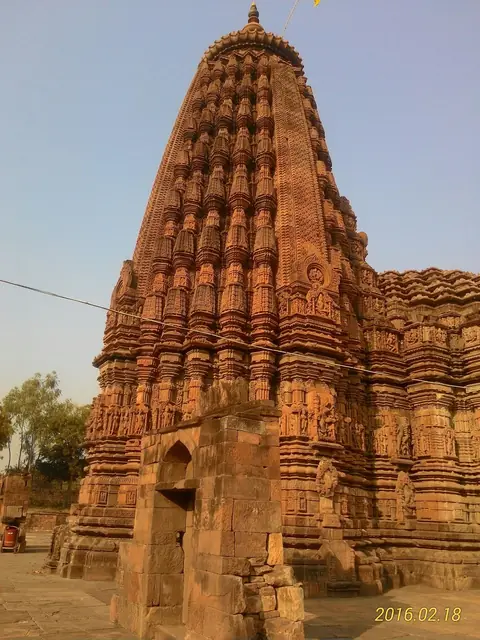
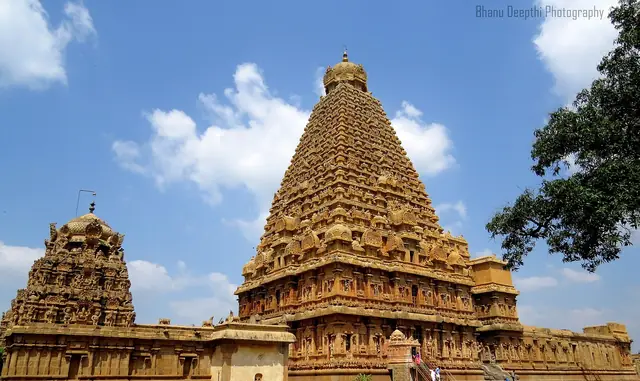
The temple chapters discuss the Nagara, Dravida and bhumija types. Chapter 65 describes the bhumija temple with sixteen variants, and Adam Hardy, who published its verses with their mathematical ratios in 2015, found that most surviving temples of the type before the 13th century follow its rules. Chapter 31 is famous for its yantras, mechanical contrivances: birds and bees that move, dolls that refill oil lamps and dance. It also has verses on machines that fly through the air, but the author says he will not explain how to build them, and they are best read as a poet-king's vision rather than a working design. The Aparajitaprccha a century later acknowledges its debt to this text.
03The drawings at Bhojpur
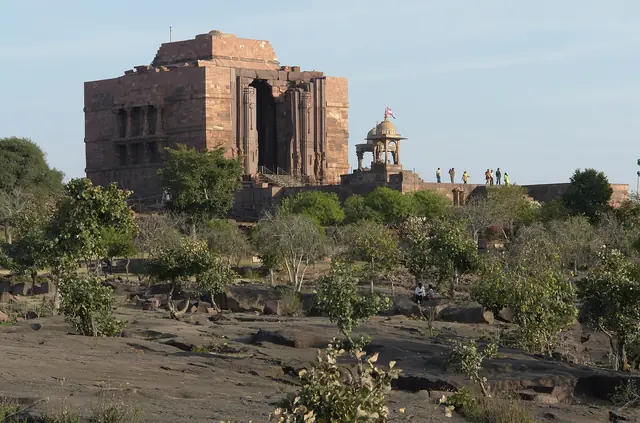
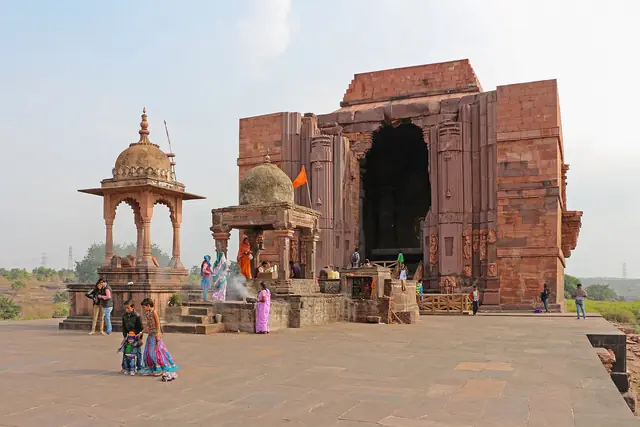
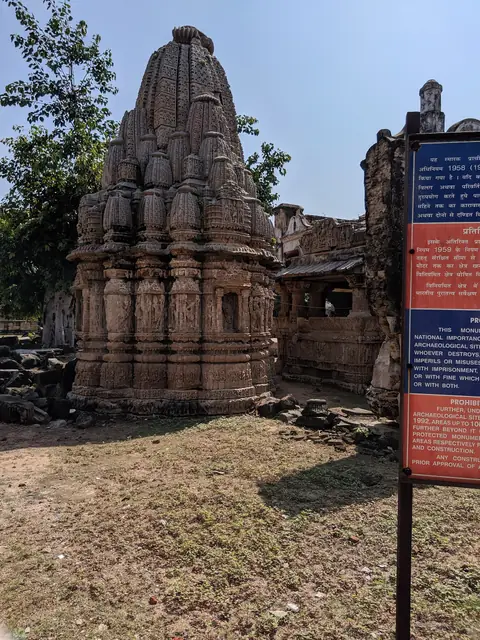
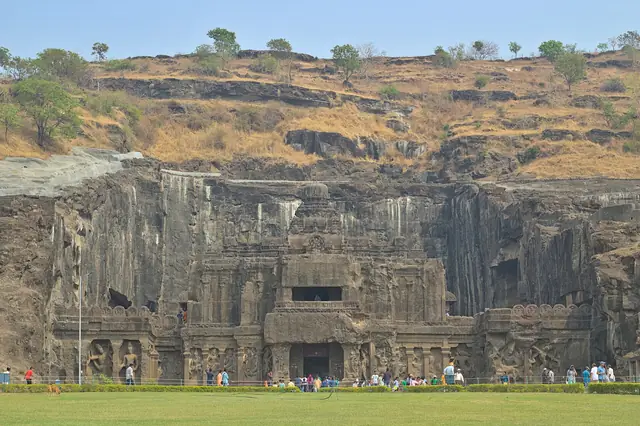
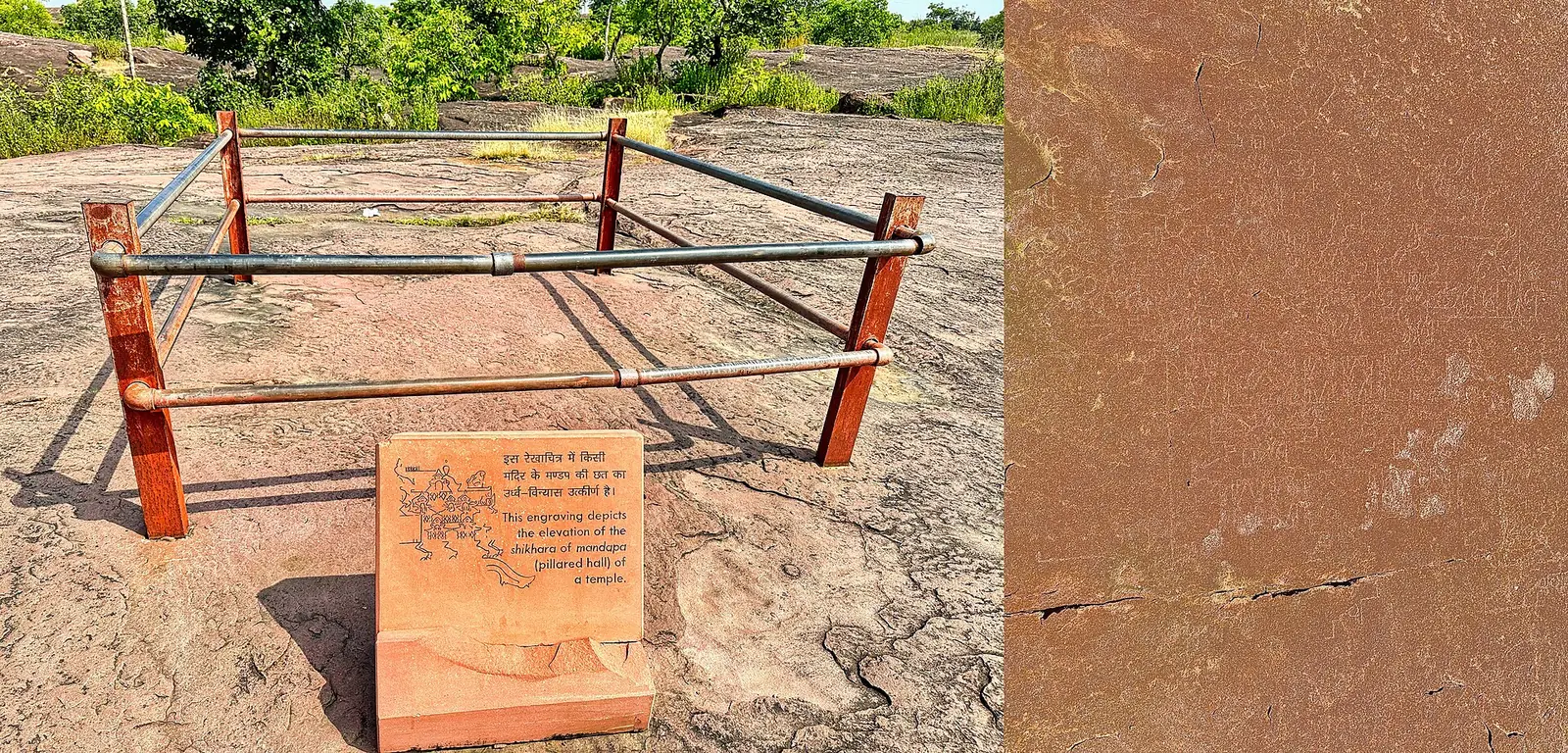
Near Bhopal, at Bhojpur, stands an enormous unfinished Shiva temple of the 11th century, the Bhojeshwar. On the flat rocks around it the builders incised line drawings of mouldings, pillars, plans and the elevation of a temple, the earliest known architectural drawings of a Hindu temple. Scholars have found that parts of the Samarangana Sutradhara match the forms both of the building and of these drawings. Because the work stopped before completion, the site keeps what a finished temple hides, the builders' own plans, and gives a rare look at the shilpa text and the working site side by side.