Cite
MLA
“Kailasa at Ellora: a temple cut from the hill.” Hindu History, 2026, https://www.hinduhistory.in/sthapatya/kailasa-ellora-monolith/. Accessed .
APA
Hindu History. (2026). Kailasa at Ellora: a temple cut from the hill. Retrieved , from https://www.hinduhistory.in/sthapatya/kailasa-ellora-monolith/
What defines it
- 01
Monolith carved downward from the hilltop
- 02
Dravida shikhara over the shrine; 16-pillared mandapa
- 03
Two-storeyed Nandi mandapa and two dhvajastambhas
- 04
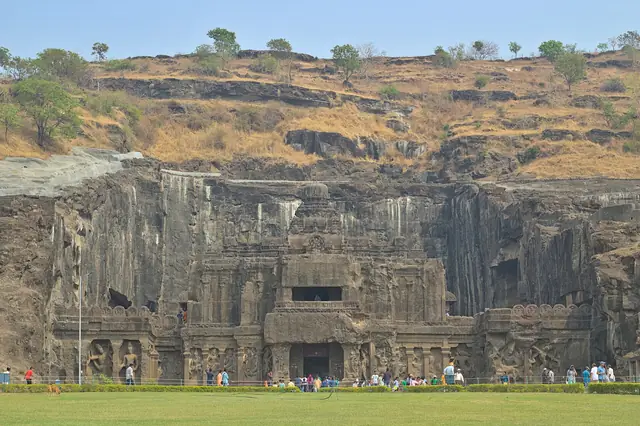
Court 82 × 46 m; sanctuary 32.6 m above it
- 05
Ravana shaking Kailash relief
01Carved from the top down
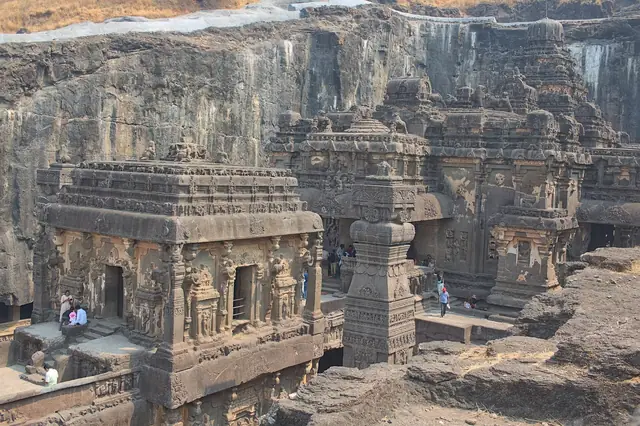
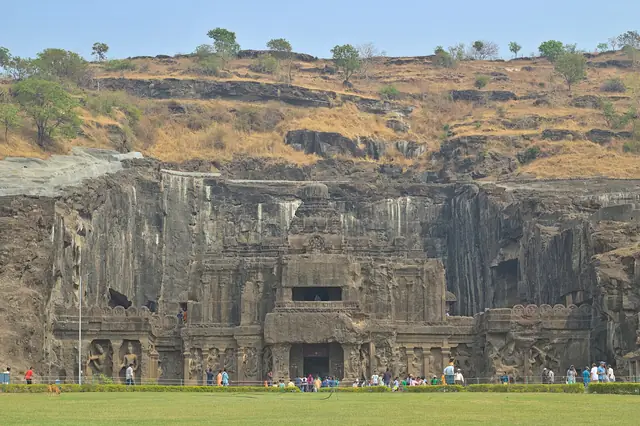
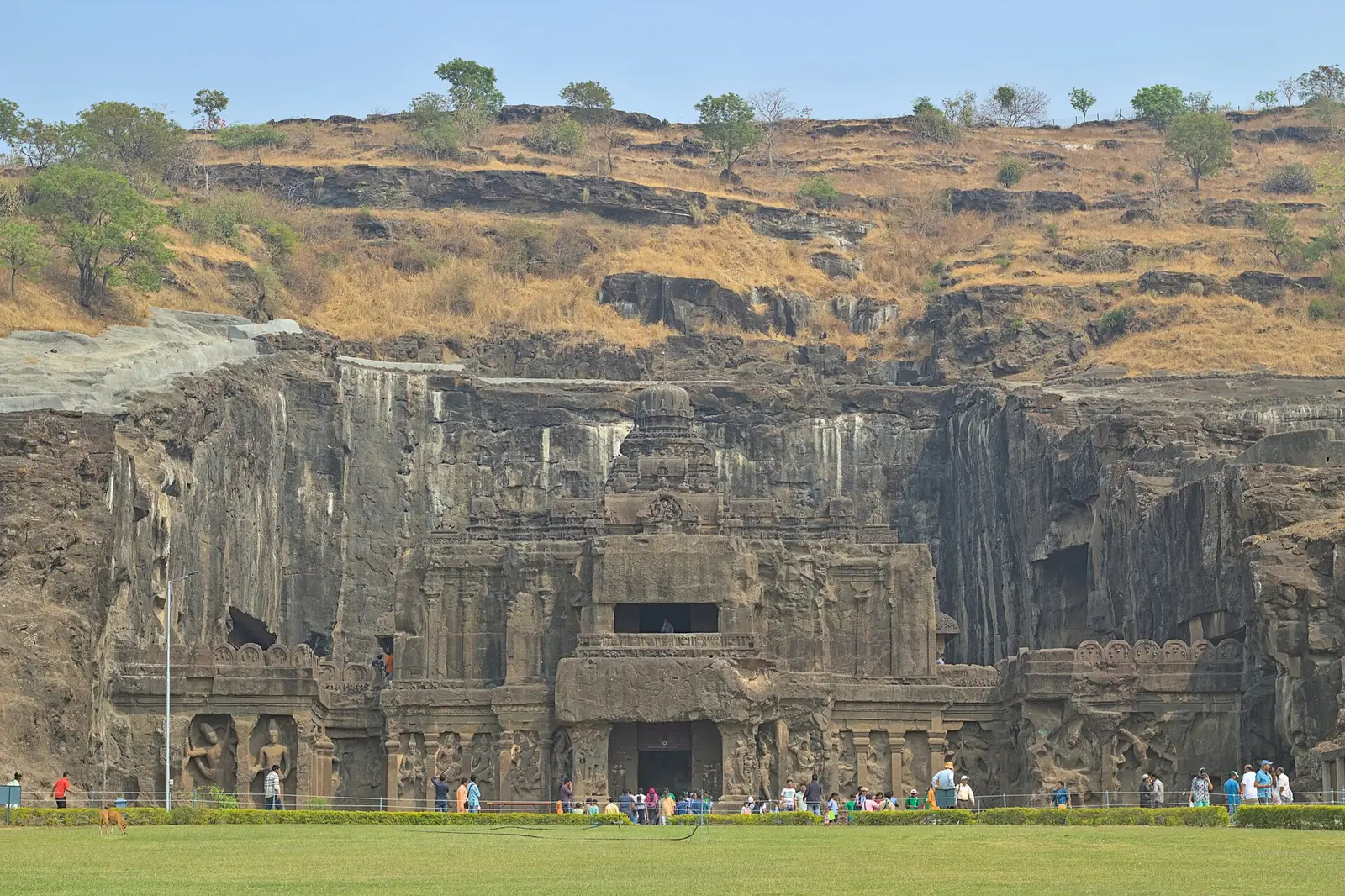
Ellora has 34 cave temples and monasteries, Hindu, Buddhist and Jain, and the Kailasa, Cave 16, is the largest. The carvers began at the top of the hillside and worked downward, cutting trenches around a block of living rock and then hollowing and sculpting it, so that nothing was ever lifted into place. The top of the sanctuary stands 32.6 metres above the court below, and the court measures 82 by 46 metres at its base. Whatever was cut away could not be put back, so the whole plan had to be fixed in the mind before the first stroke. Mahadev's mountain, Kailash, gives the temple its name.
02Krishna I and the copper plate
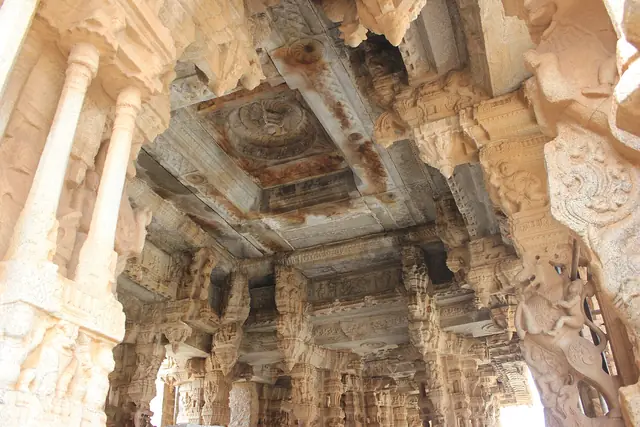
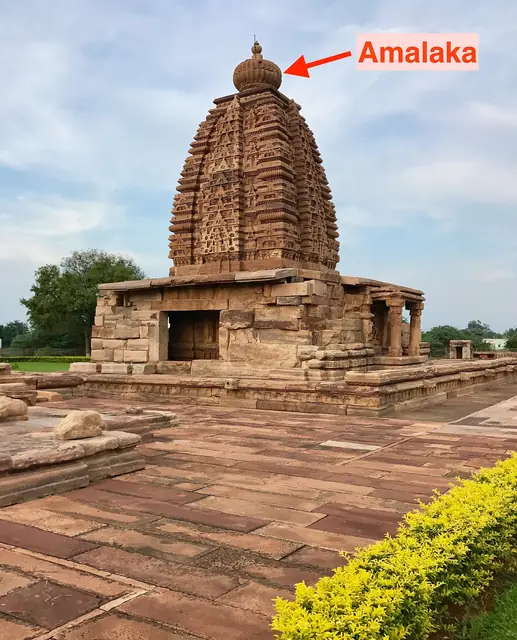
The temple is generally attributed to the Rashtrakuta king Krishna I, who ruled about 756–773, though the attribution is not completely certain. The evidence is a copper-plate grant from Baroda of about 812–813 CE, which names Krishnaraja as the patron of the temple and says it was so wondrous that even the gods and its own architect were astonished. The style is Dravida: the shrine carries a southern shikhara, and before it stands a flat-roofed mandapa on 16 pillars. A two-storeyed Nandi mandapa about 7 metres high faces the shrine, and two dhvajastambhas, flagstaff pillars, rise in the courtyard on either side.
03Ravana and Kailash
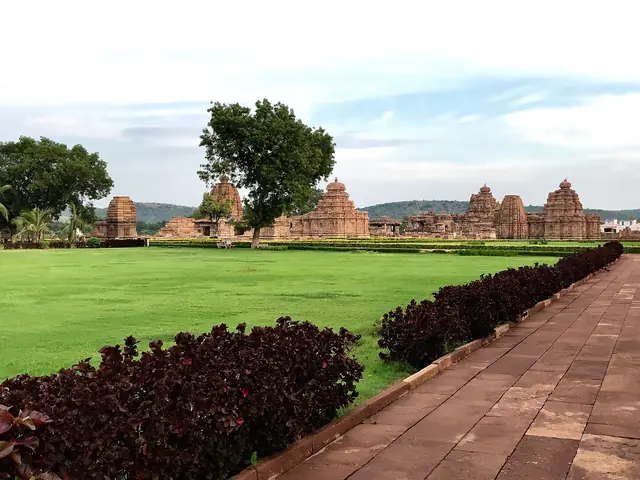
The walls of the courtyard and the base of the temple are crowded with the kathas of Mahadev and of Bhagwan Vishnu, and with long relief panels from the Mahabharata. The most famous shows Ravana, trapped beneath Mount Kailash, trying to shake it with his many arms while Shiva, seated above with Mata Parvati, presses down with one toe; it is counted among the finest sculptures of Bharat. The archaeologist M. K. Dhavalikar attributes the nearby Lankeshvara cave to later Rashtrakuta rulers and compares its tandava with this Ravana panel. The Kailasa shows the same masters who built in stone at Pattadakal now working in reverse, by taking away.