01Three hundred verses
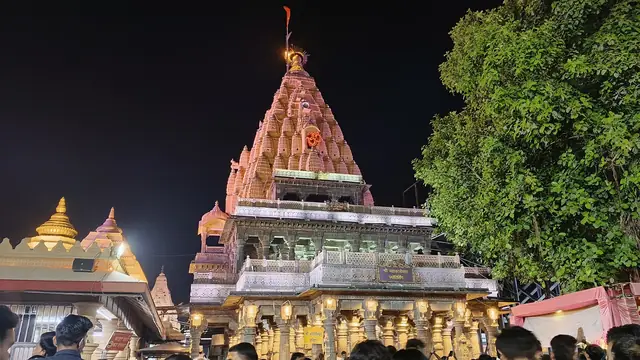
The Nitishataka, Shringarashataka and Vairagyashataka have been learned by heart in Indian homes for centuries; their lines on the fool, the learned man and the good friend are still quoted in Hindi and Marathi as proverbs. The well-known katha, told in Ujjain and in the songs of the Nath yogis, says that King Bhartrihari gave a fruit of immortality to his queen, found it had passed from hand to hand and come back to him, and left the throne to his brother Vikramaditya to become a disciple of Gorakhnath. A cave by the Shipra at Ujjain is shown as the place of his tapas.
02The word is Brahman
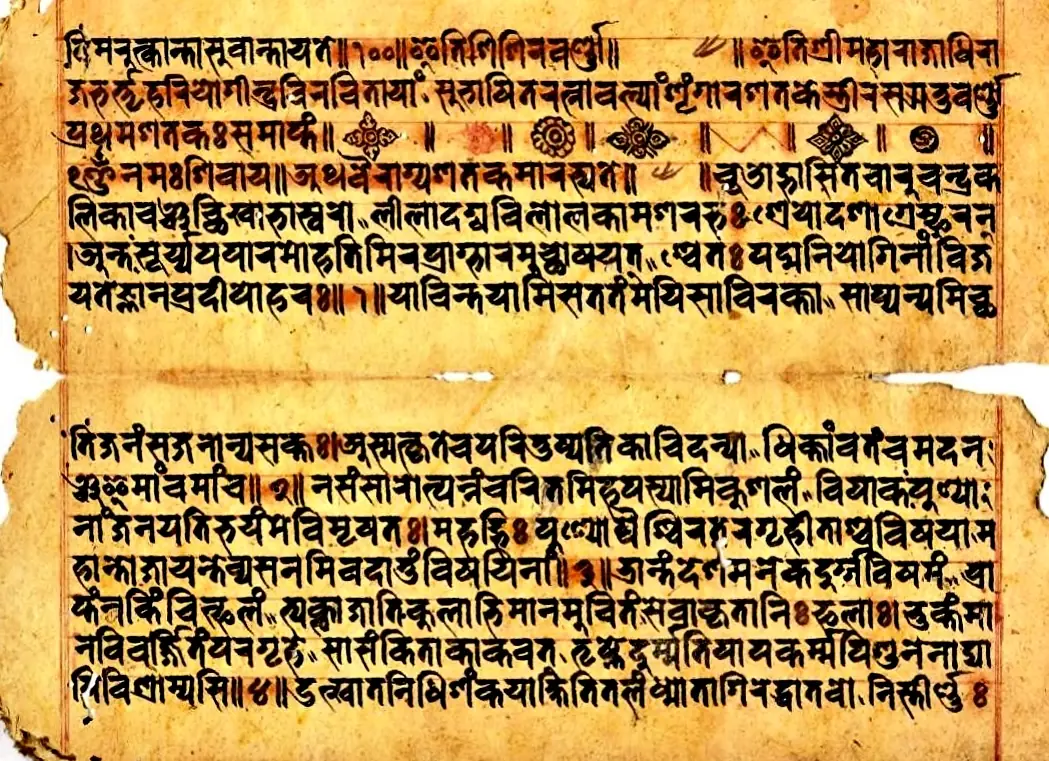
The Vakyapadiya, in three kandas, opens by calling Brahman beginningless and endless, whose essence is the Word (shabda-tattva), from which the world unfolds. Bhartrihari argued that meaning is grasped whole, in a flash (sphota), not built up letter by letter, and that the sentence, not the single word, is the true unit of meaning. Later grammarians, Mimamsakas and Kashmir Shaiva philosophers all argued with him or built on him. The Chinese pilgrim Yijing, who studied at Nalanda in the late 7th century, wrote of a renowned grammarian named Bhartrihari; whether the poet and the grammarian are one person is still debated.