Cite
MLA
“Bhagwan Dhanvantari.” Hindu History, 2026, https://www.hinduhistory.in/devata/dhanvantari/. Accessed .
APA
Hindu History. (2026). Bhagwan Dhanvantari. Retrieved , from https://www.hinduhistory.in/devata/dhanvantari/
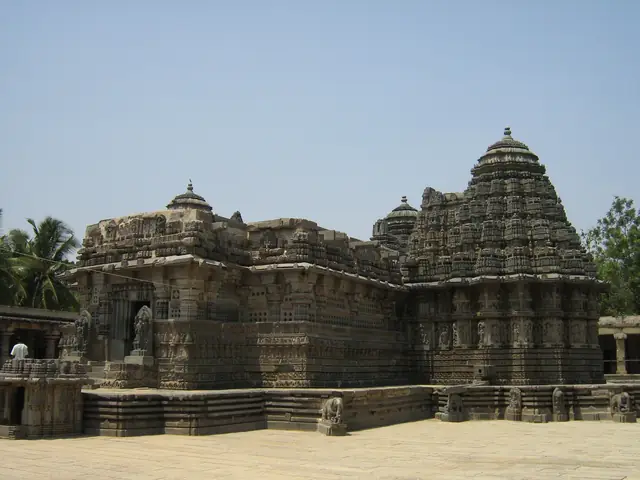
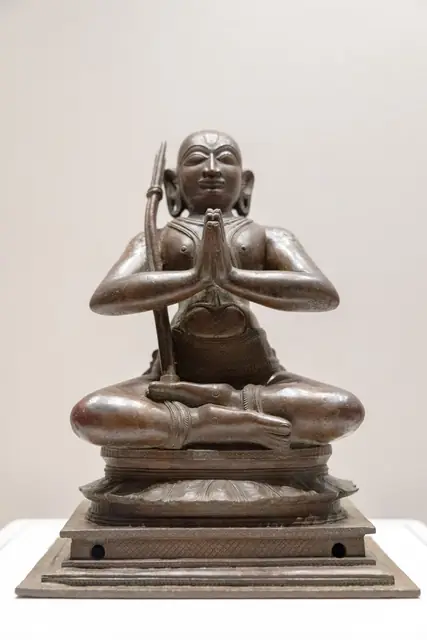
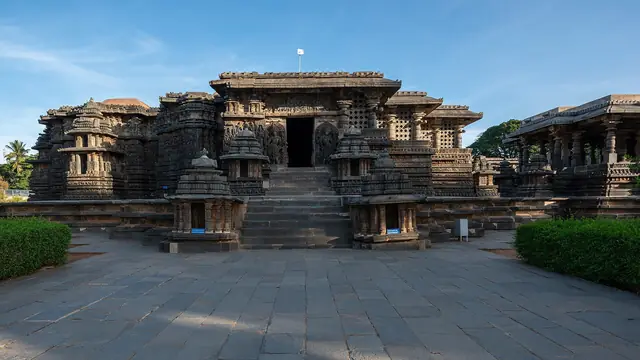
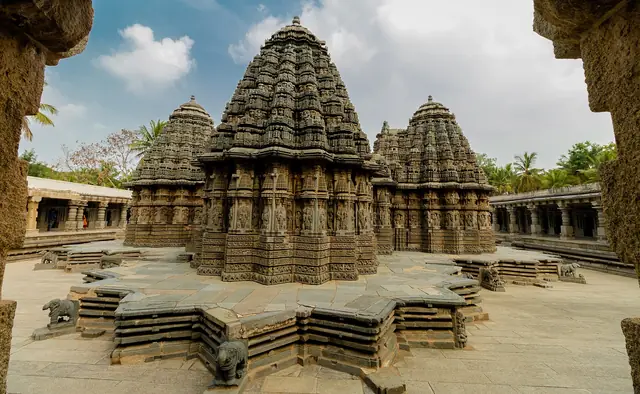
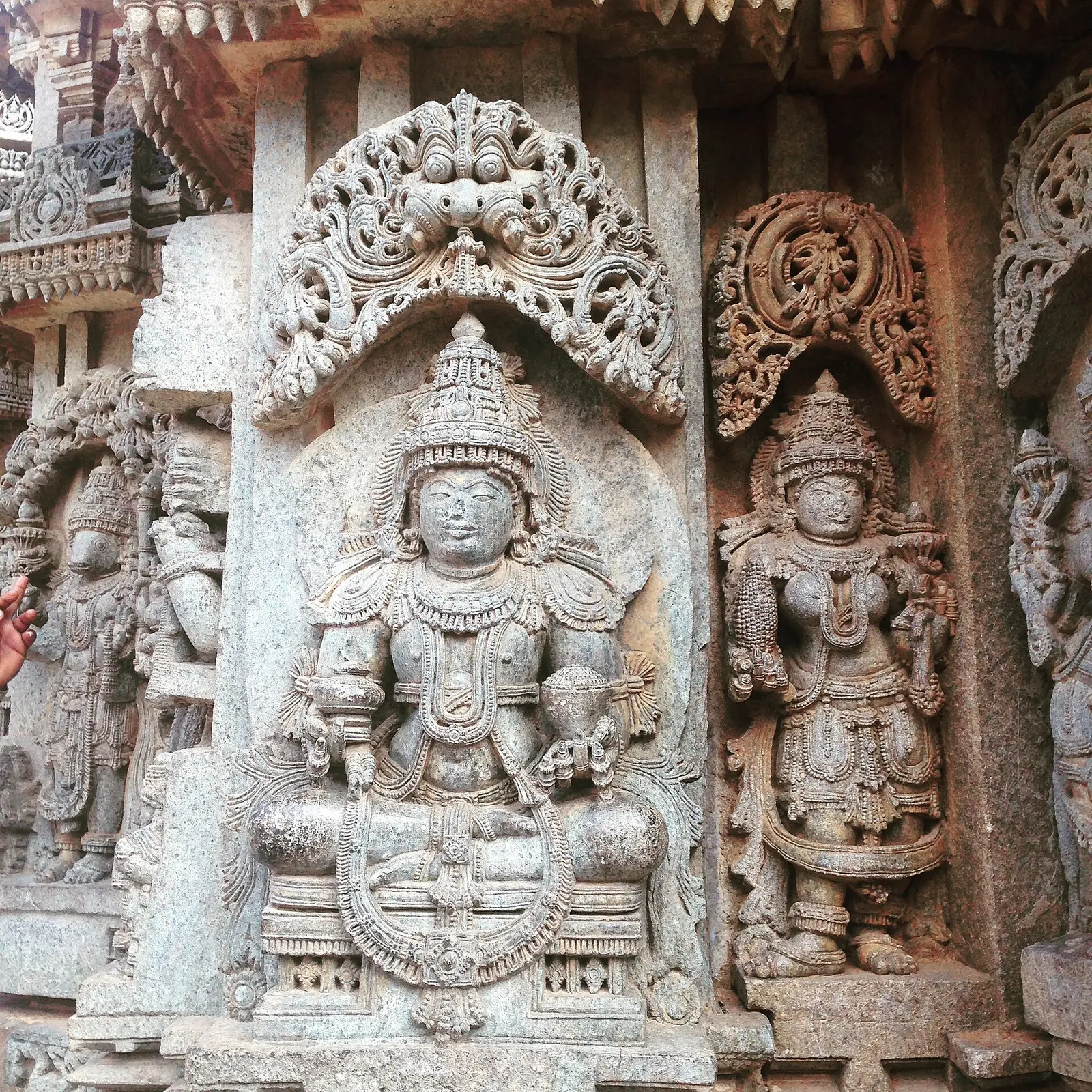
Four-armed like Vishnu, holding the shankha and chakra in the upper hands, and below the pot of amrita and a leech or a bunch of healing herbs. He is often shown standing, dark and crowned, in the robes of a king. A 13th-century Hoysala image on the outer wall of the Keshava temple at Somanathapura shows him so.
01From the ocean of milk
When the devas and asuras churned the ocean of milk, with Mount Mandara as the churning rod and Vasuki the serpent as the rope, poison came first, then the treasures one by one: the wish-cow, the white horse, the elephant Airavata, Lakshmi herself. Last of all rose a dark, shining figure with a pot in his hands. It was Dhanvantari, carrying the amrita. The Bhagavata Purana tells the katha in its eighth skandha and counts him in its first skandha among the avatars of Vishnu; the Bala Kanda of the Valmiki Ramayana tells it too. The asuras snatched the pot, and Vishnu had to take the form of Mohini to win it back for the devas.
02Divodasa and the Sushruta Samhita
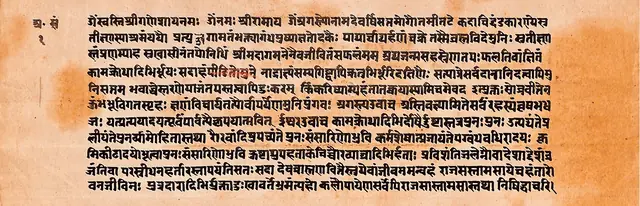
The Vishnu Purana places Dhanvantari in the royal line of Kashi, as the great-grandfather of King Divodasa, and the tradition of Ayurveda holds Divodasa of Kashi to be Dhanvantari come again. The Sushruta Samhita opens in his court: Sushruta and other sages come to the king, who is called Dhanvantari, and ask to be taught the healing art, and he teaches them shalya, surgery, as the first of the eight limbs of Ayurveda. This is why surgeons in the Ayurvedic tradition are called the school of Dhanvantari, and why so many Ayurvedic colleges and pharmacies keep his image at the door.
03Dhanteras and his temples
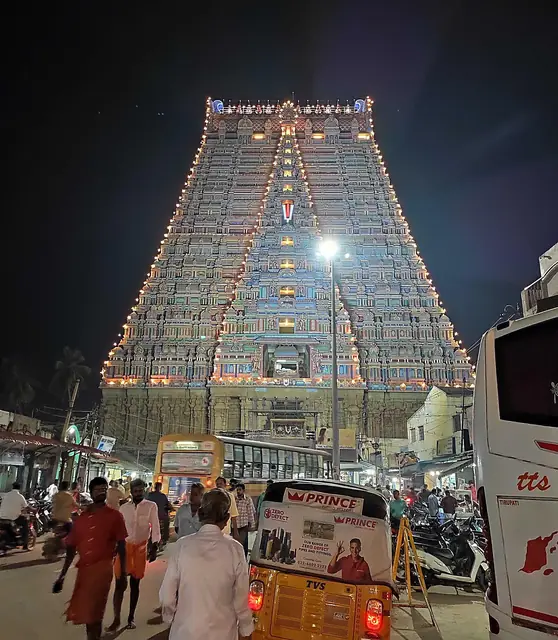
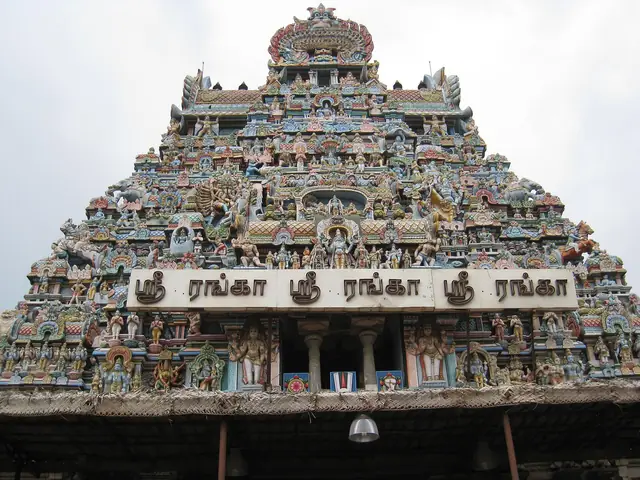
Dhanteras, two days before Diwali, is kept as his day of appearance, Dhanvantari Jayanti, and families light a lamp and pray for health before they buy new metal for the house. Since 2016 the Government of India has marked it as National Ayurveda Day. His temples are fewest in the north and most in Kerala, the home of a living Ayurvedic tradition: at Thottuva near Perumbavoor the murti is almost six feet tall and faces east, and another old Dhanvantari temple stands at Nelluvai near Wadakkanchery in Thrissur district. In Tamil Nadu, the Dhanvantari shrine in the courtyard of the Srirangam temple is held to be the oldest in the state.
In the texts
- Bhagavata Purana, Skandha 8 (the churning) and Skandha 1.3 (the avatars)
- Vishnu Purana, Amsha 4 (the line of Kashi)
- Sushruta Samhita, Sutrasthana 1