Cite
MLA
“Diwali (Deepavali).” Hindu History, 2026, https://www.hinduhistory.in/utsav/diwali/. Accessed .
APA
Hindu History. (2026). Diwali (Deepavali). Retrieved , from https://www.hinduhistory.in/utsav/diwali/
How it is kept
- 01
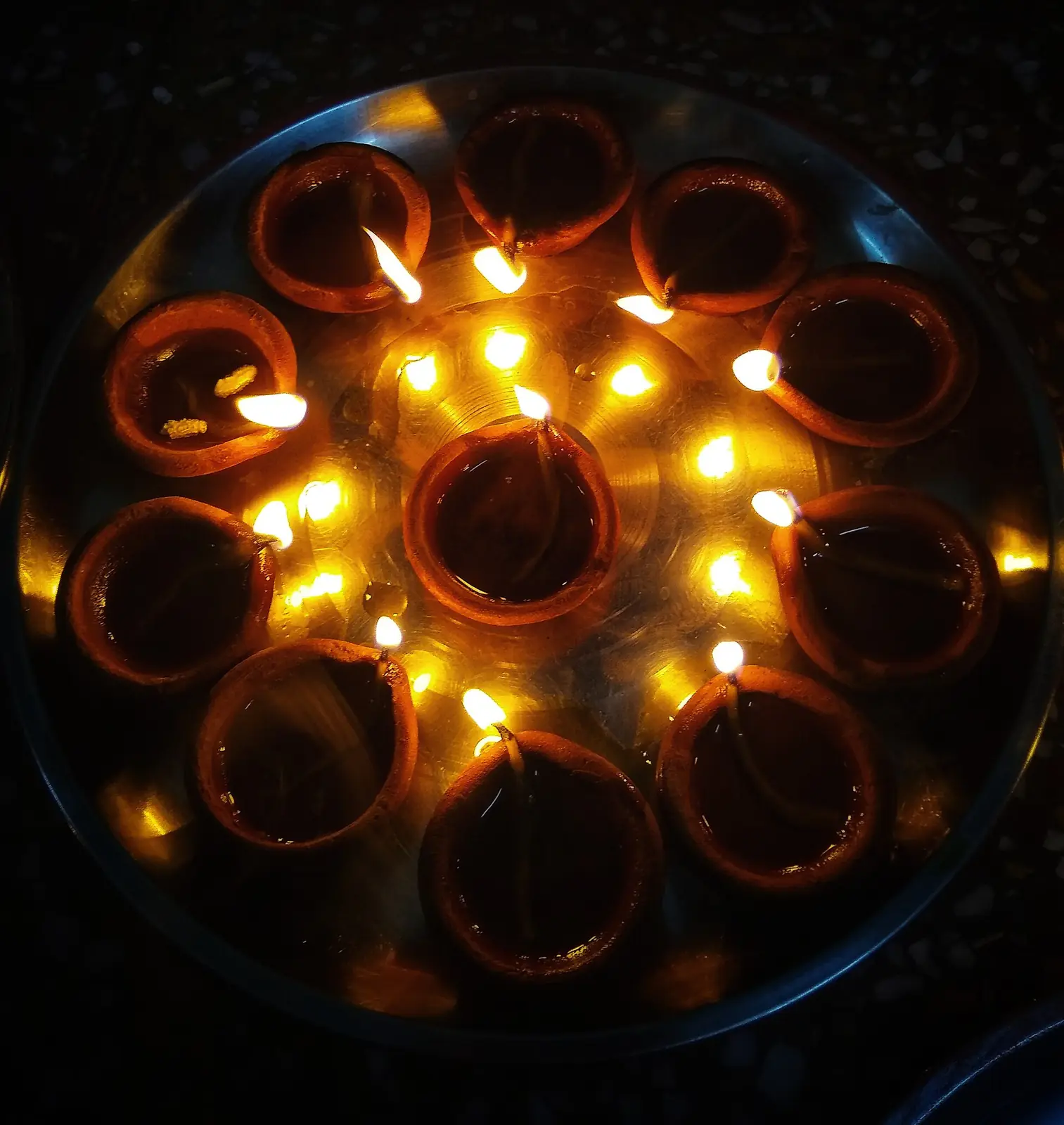
Rows of clay diyas with sesame or mustard oil on doorsteps, walls and roofs
- 02
Lakshmi–Ganesha puja after sunset, with new account books for traders
- 03
Pre-dawn oil bath on Naraka Chaturdashi in the south
- 04
Rangoli or kolam at the threshold and Lakshmi’s footprints drawn inward
- 05
Sweets and gifts exchanged among neighbours and kin
01Lamps for Rama and Krishna
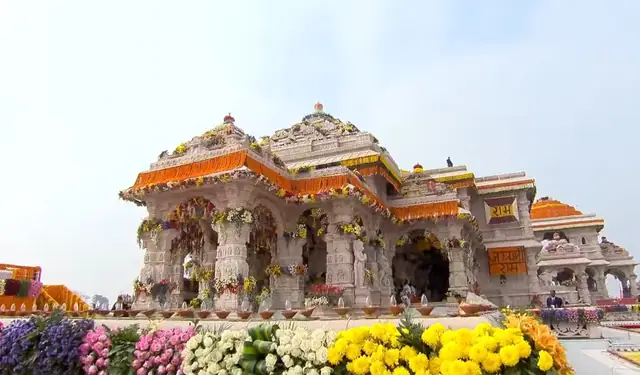
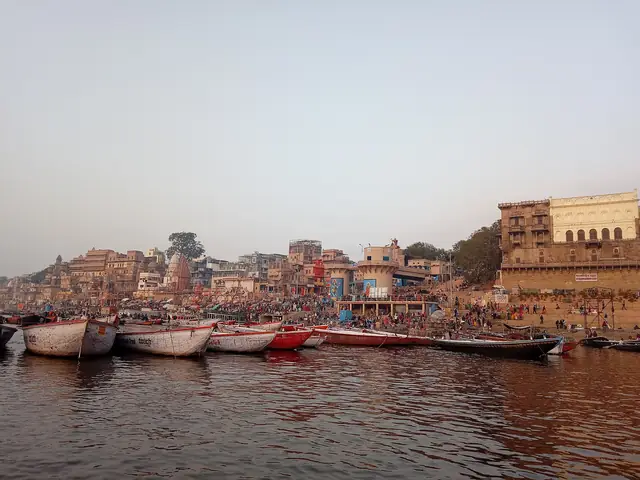
In Ayodhya the people lit lamps to welcome Shri Rama, Sita and Lakshmana home after fourteen years of exile and the war in Lanka; that is how the north tells it, and Ayodhya’s ghats on the Sarayu still blaze on this night. In Tamil Nadu, Karnataka and Andhra the day before, Naraka Chaturdashi, is the main Deepavali: Shri Krishna with Satyabhama slew Narakasura of Pragjyotisha, and families rise before dawn for an oil bath, as the Bhagavata Purana’s tenth skandha is remembered in every house.
On the amavasya itself Lakshmi is worshipped with Ganesha after sunset. Traders open new account books, the chopda puja of Gujarat and the Marwari firms.
02What the old books record
King Harsha’s seventh-century play Nagananda names a Dipapratipadutsava, a festival of lamps on the first day after the new moon. Rajashekhara, in his tenth-century Kavyamimamsa, calls it Dipamalika, the garland of lamps. Al-Biruni, who lived in India in the early eleventh century, wrote that Hindus kept a feast on the new moon of Kartika, lighting lamps and giving gifts, and that Lakshmi was honoured on it.
In December 2025 UNESCO inscribed Deepavali on its Representative List of the Intangible Cultural Heritage of Humanity, at a session held at the Red Fort in New Delhi.
03Five days of light
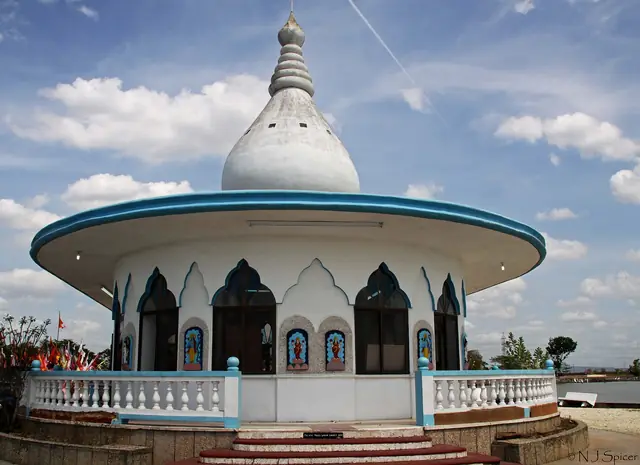
Across most of the north Diwali is the middle of five days: Dhanteras, Naraka Chaturdashi (Chhoti Diwali), Lakshmi Puja on the amavasya, Govardhan Puja or Bali Pratipada, and Bhai Dooj. In Bengal, Assam and Odisha the same night is Kali Puja. Nepal keeps five days as Tihar, honouring the crow, the dog and the cow before Lakshmi and Bhai Tika. In Trinidad, Guyana, Fiji and Mauritius, where girmitiya families carried the festival in the nineteenth century, Divali is a public holiday.
All of Bharat, Nepal (as Tihar) and every Hindu home abroad: Fiji, Mauritius, Trinidad, Guyana, Suriname, Malaysia, Singapore, Sri Lanka, Britain, North America