Cite
MLA
“Kali Puja (Shyama Puja).” Hindu History, 2026, https://www.hinduhistory.in/utsav/kali-puja/. Accessed .
APA
Hindu History. (2026). Kali Puja (Shyama Puja). Retrieved , from https://www.hinduhistory.in/utsav/kali-puja/
How it is kept
- 01
Midnight puja with red hibiscus garlands and 108 lamps
- 02
Choddo prodip: fourteen lamps lit for ancestors on the eve
- 03
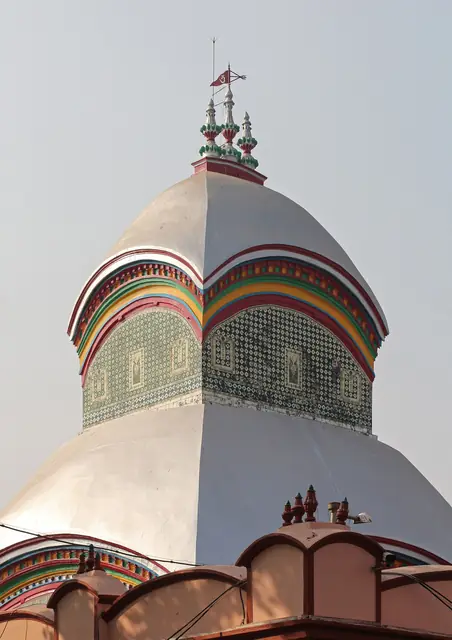
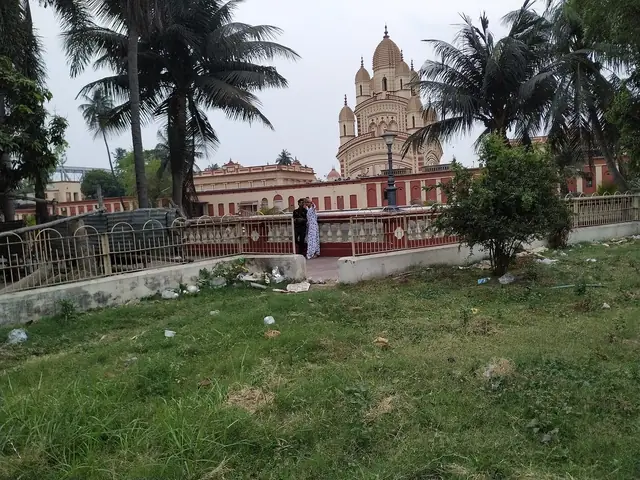
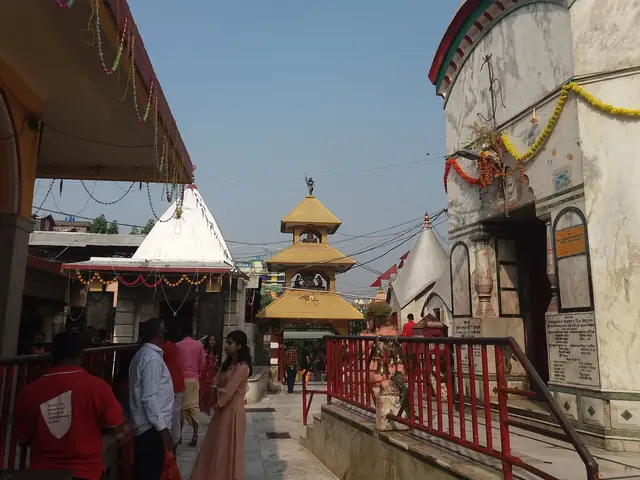
Night-long vigil at Kalighat, Dakshineswar and Tarapith
- 04
Immersion of the image in the river after the puja
01The Devi of the dark night
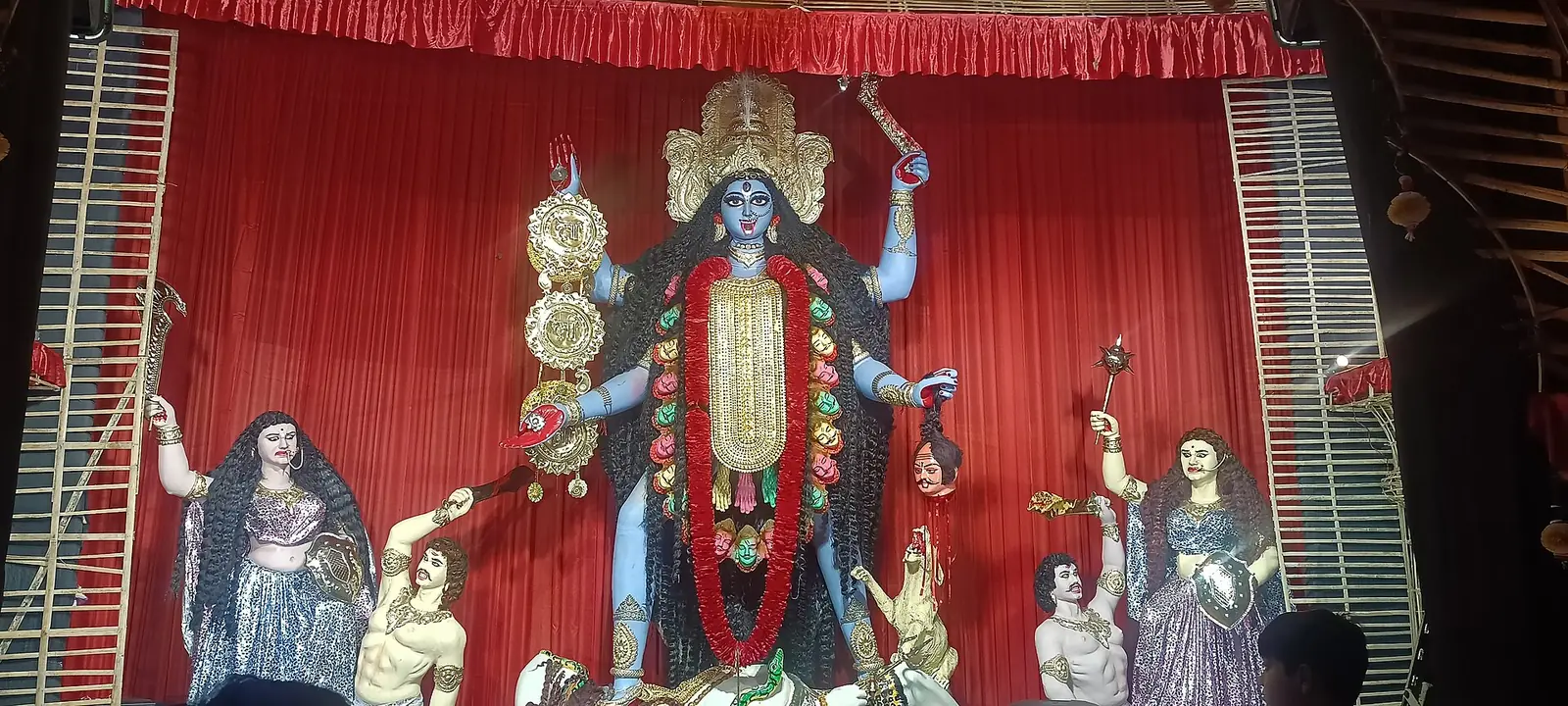
The Devi Mahatmya tells how Kali sprang from the brow of Ambika on the battlefield, dark and terrible, and drank the blood of Raktabija so that no new demon could rise from its drops. Bengal worships her as Shyama, the dark mother, who destroys fear itself. Tantric texts set her worship on the darkest amavasya, and the households of Bengal keep it with a fast through the day, the puja at night and bhog of khichuri and fried vegetables given out next morning.
02Kalighat to Tarapith
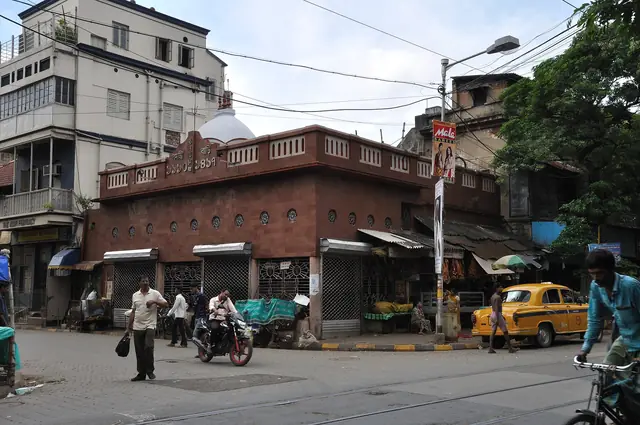
Raja Krishnachandra Ray of Nadia in the eighteenth century is credited in Bengal with making Kali Puja a festival of whole towns. In Kolkata the night draws crowds to Kalighat, to Dakshineswar where Sri Ramakrishna served Bhavatarini, and to Thanthania. At Tarapith in Birbhum, the shrine of Ma Tara and the cremation ground of Bamakhepa, the night is kept awake. Idols are immersed in the Hooghly over the next days.
Bengal, Assam, Tripura, Odisha, Bangladesh, and Bengali Hindus everywhere