Cite
MLA
“Bhagwan Shri Rama.” Hindu History, 2026, https://www.hinduhistory.in/devata/rama/. Accessed .
APA
Hindu History. (2026). Bhagwan Shri Rama. Retrieved , from https://www.hinduhistory.in/devata/rama/
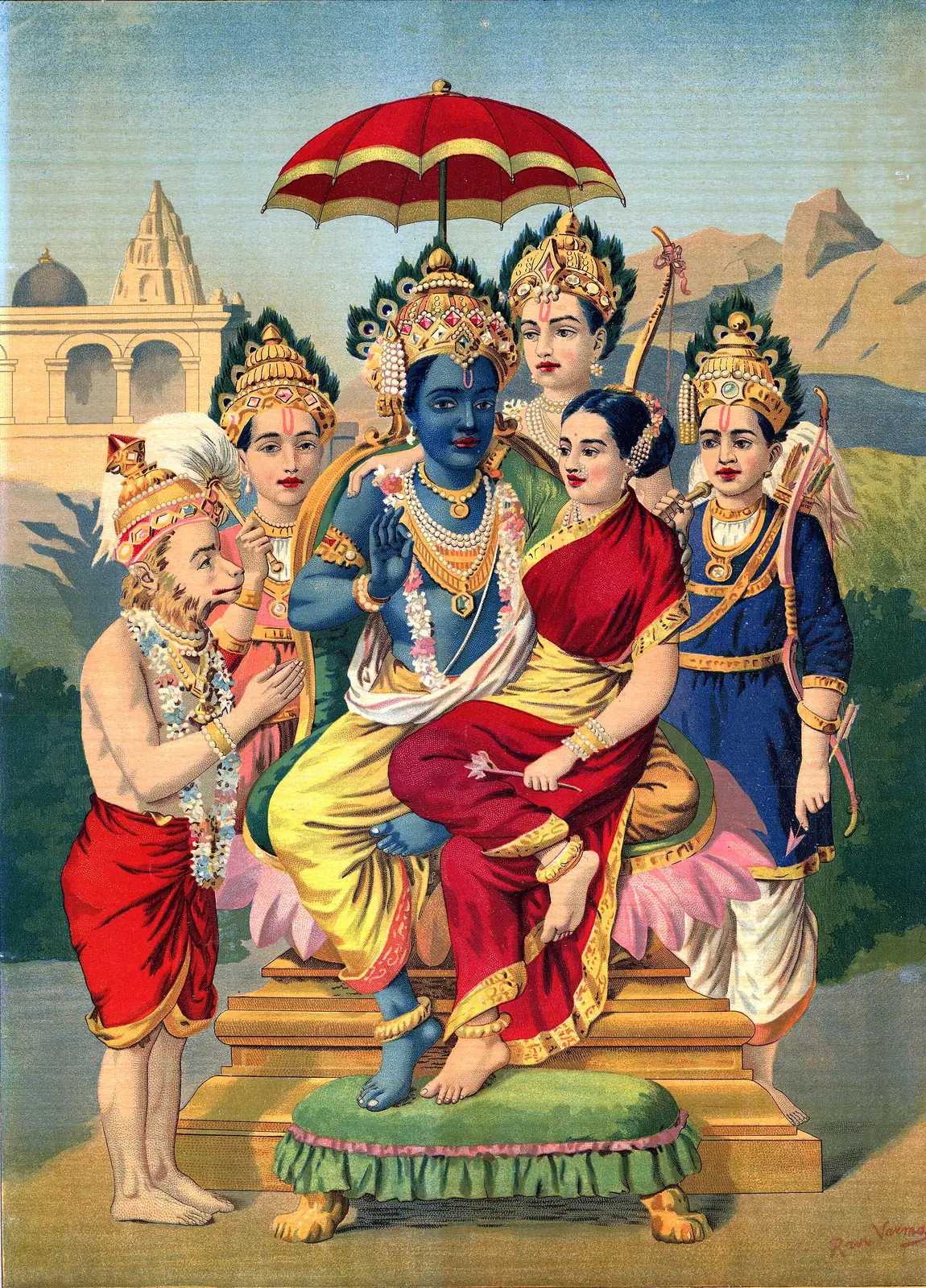
Dark-complexioned like a raincloud, two-armed, holding the bow Kodanda and an arrow, wearing a crown or, in exile, matted hair. He stands with Sita on his left and Lakshmana on his right, Hanuman kneeling before them; at the coronation, the Rama Panchayatana, the whole family is seated together.
01The Adi Kavya
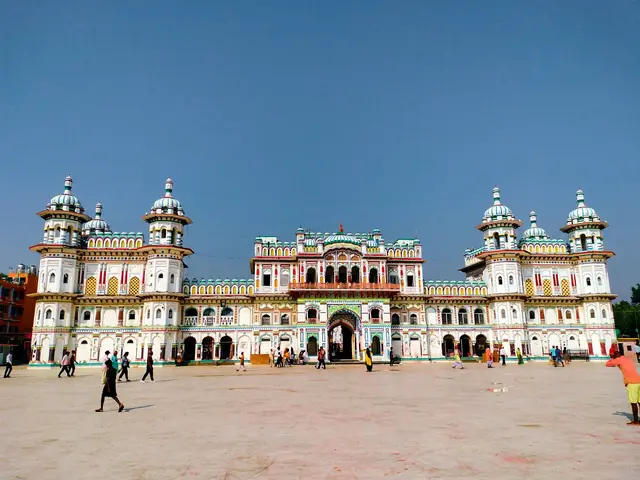
Maharshi Valmiki saw a hunter shoot one of a pair of krauncha birds, and his grief came out as the first shloka; Narada then told him the life of Rama, and he composed the Ramayana in seven kandas, the Adi Kavya. Rama was born to Kausalya and King Dasharatha on Chaitra Shukla Navami. He went with Vishvamitra to guard his yajna, broke Shiva’s bow at Mithila to win Sita, and on the eve of his coronation accepted fourteen years of exile so that his father’s word to Kaikeyi would not be broken.
02Exile, war and return
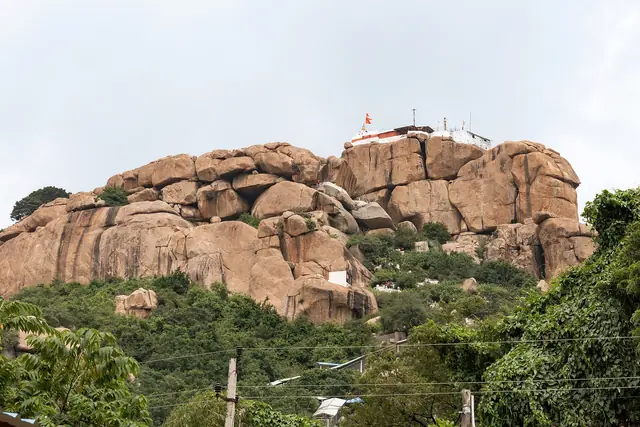
Chitrakoot, Panchavati, the hermitage of Shabari, Kishkindha: the forest years are a map of Bharat that pilgrims still walk. Ravana carried Sita off from Panchavati; Hanuman found her in Lanka; the vanara army built the bridge from Rameswaram, where Rama first worshipped Shiva in a linga of sand. After Ravana fell, Rama returned to Ayodhya on the new moon of Kartik, and the people lit rows of lamps, which is why Diwali is kept that night. Vijayadashami remembers the victory.
03Ramayanas of every tongue
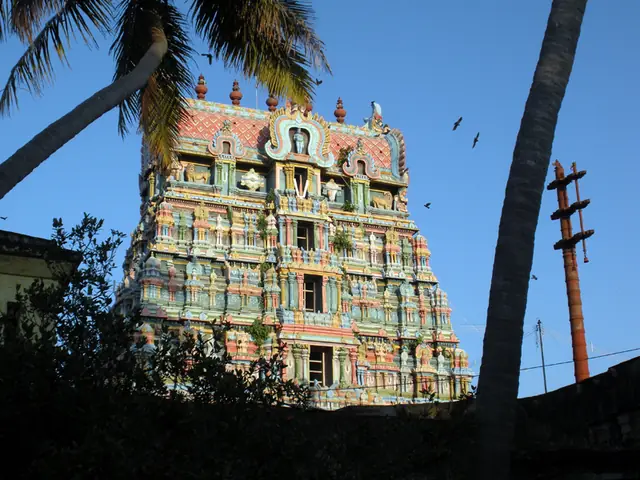
Every language of India retold the Ramayana. Kamban wrote the Ramavataram in Tamil in the twelfth century, Krittibas Ojha the Bengali Ramayana in the fifteenth, and Goswami Tulsidas began the Ramcharitmanas in Awadhi in 1574 at Ayodhya. The Manas is sung in the Ramlila of every north Indian town in the nights before Dussehra. Bhakta Ramadasu built the Bhadrachalam temple on the Godavari in the seventeenth century, and the Ramakien of Thailand and the Kakawin of Java carried the katha across the sea.
04Ayodhya and other dhams
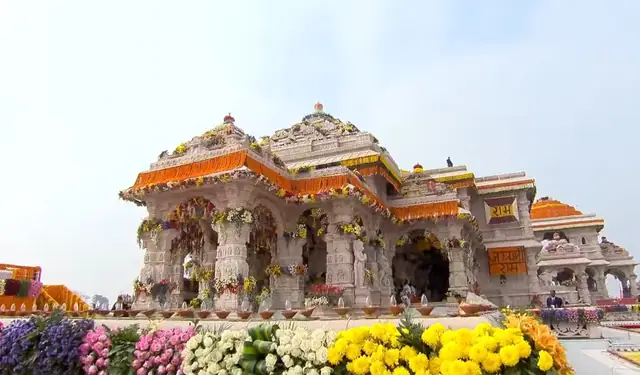
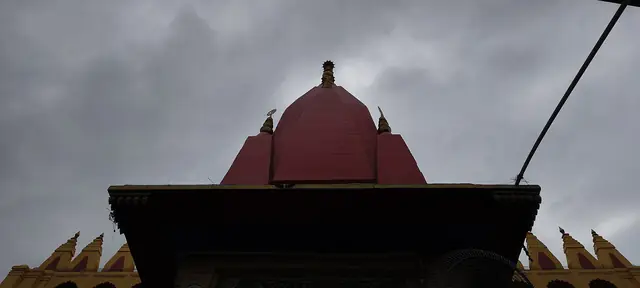
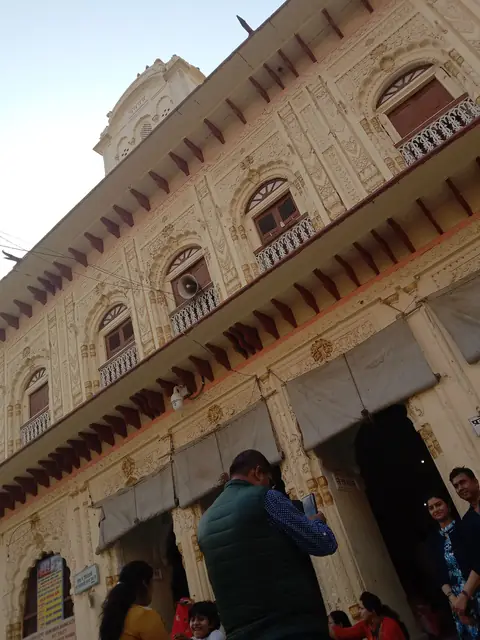
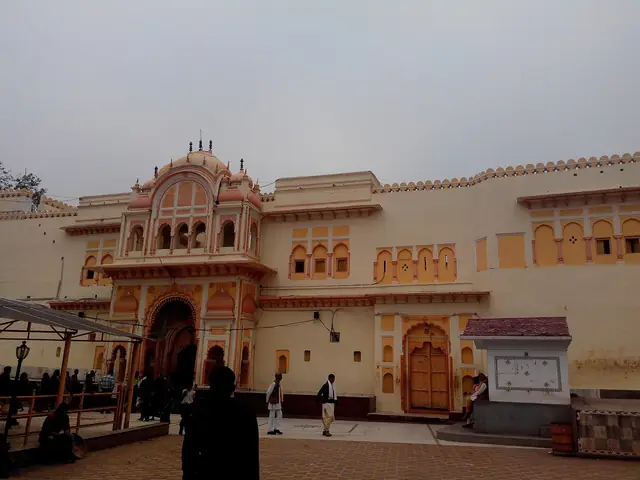
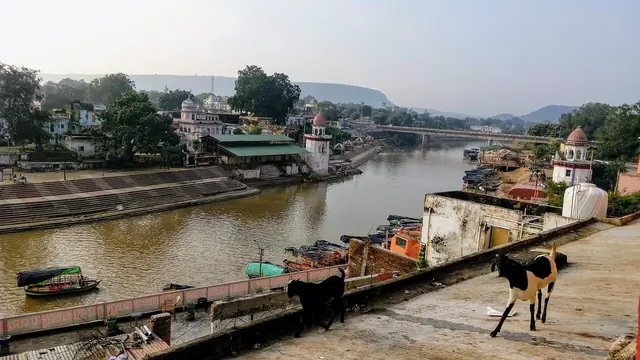
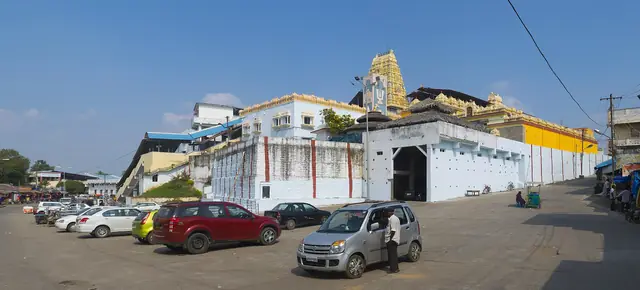
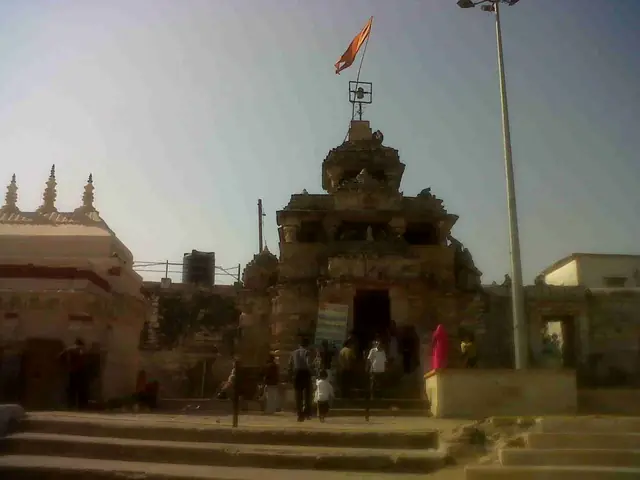
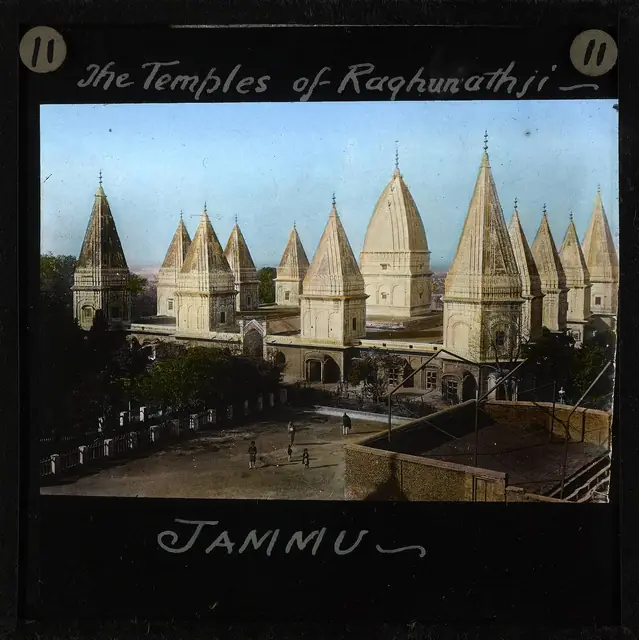
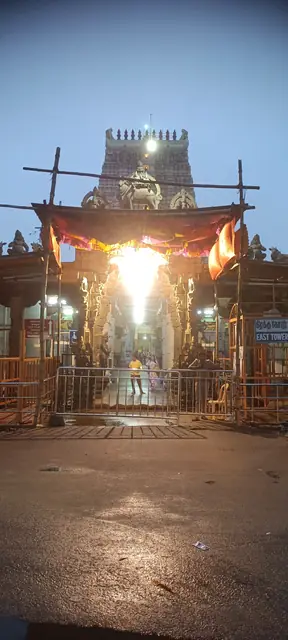
At Ayodhya the new temple on the Ram Janmabhoomi saw the pran pratishtha of Ram Lalla, the child Rama, on 22 January 2024, after a dispute of centuries and a long legal case that ended with the Supreme Court’s verdict of 2019. Kanak Bhawan, held to be Kaikeyi’s gift to Sita, and Hanuman Garhi are close by. At Orchha, Rama is worshipped as the reigning king and given a guard of honour each day. Chitrakoot, Bhadrachalam, Ramtek and the Raghunath temple of Jammu are among his other great shrines.
In the texts
- Valmiki Ramayana
- Adhyatma Ramayana (Brahmanda Purana)
- Ramcharitmanas of Tulsidas
- Kamba Ramayanam
- Mahabharata, Vana Parva (Ramopakhyana)