Cite
MLA
“Mata Parvati.” Hindu History, 2026, https://www.hinduhistory.in/devata/parvati/. Accessed .
APA
Hindu History. (2026). Mata Parvati. Retrieved , from https://www.hinduhistory.in/devata/parvati/
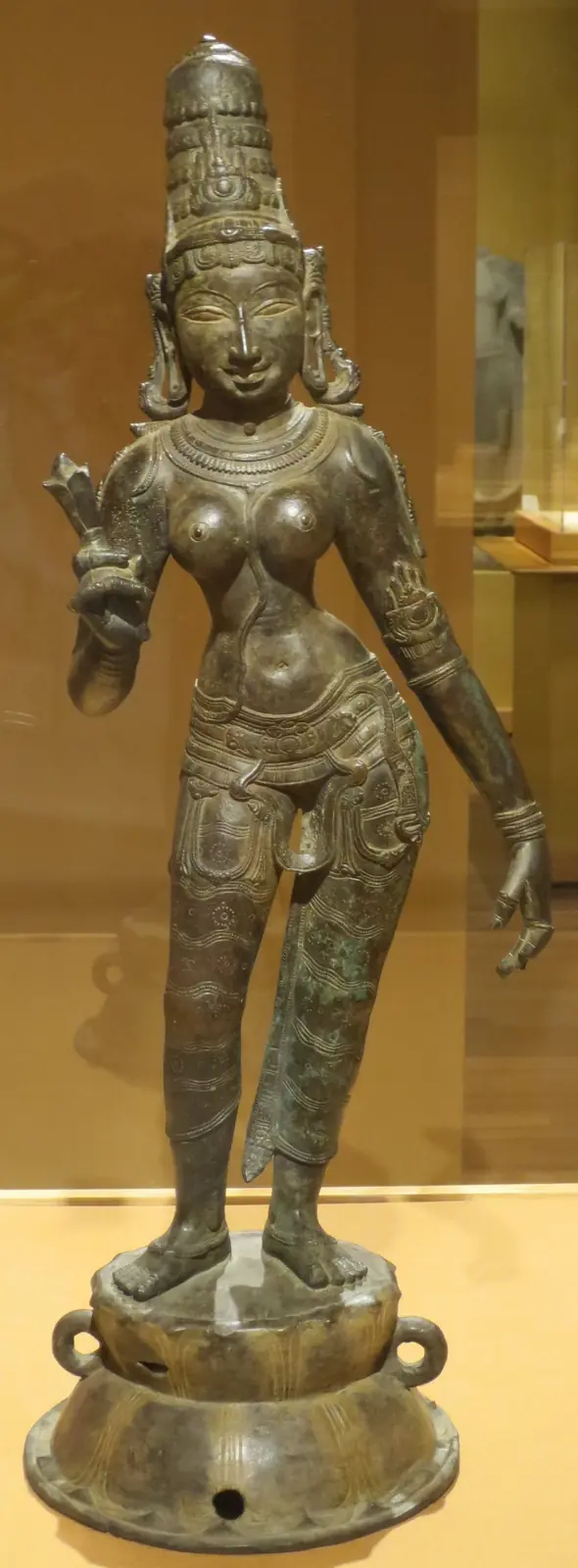
Beside Shiva she has two arms, one holding a blue lily or lotus, the body in a gentle tribhanga; seated on his left knee as Uma-Maheshvara, or with the infant Skanda between them as Somaskanda. Alone she may be four-armed. As Ardhanarishvara she is the left half of Shiva’s own body.
01From Sati to Parvati
As Sati, daughter of Daksha, she married Shiva against her father’s will. When Daksha held a great yajna and insulted her husband, she gave up her body in the sacrificial fire. Shiva carried her through the worlds in grief, and where the parts of her body fell, the Shakti Peethas arose; the lists count fifty-one or more. She was born again to Himavan and Mena as Parvati. The Shiva Purana’s Parvati Khanda and Kalidasa’s Kumarasambhava tell her tapas in the snows, until Shiva himself came disguised as a young brahmachari to test her.
02Uma who taught the devas
The Kena Upanishad has one of the oldest appearances of the Devi. After a victory the devas grew proud, and a mysterious being appeared that Agni could not burn and Vayu could not lift. When Indra approached, it vanished, and in its place stood a radiant woman, Uma Haimavati, daughter of the Himalaya, who told him it was Brahman that had won the victory (Kena Upanishad 3.12 to 4.1). Shaktas read in her the Adi Shakti; for Shaivas she is Shiva’s own power, never apart from him.
03Vratas of the household
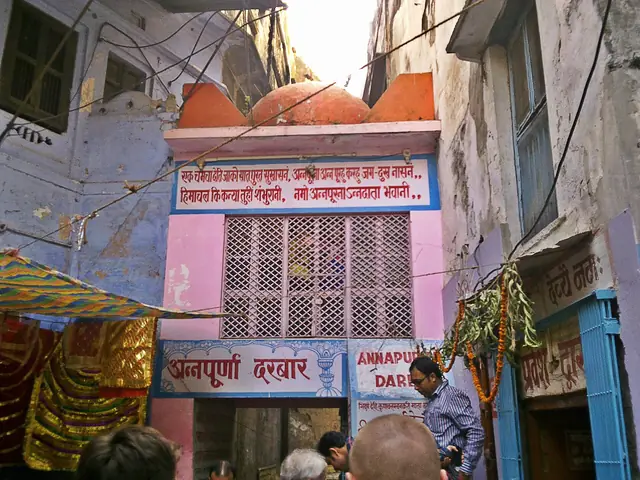
Women across north India keep Hartalika Teej in Bhadrapada, fasting without water as Parvati fasted for Shiva. In Rajasthan, Gangaur fills the lanes for eighteen days after Holi with clay images of Gauri and Isar. Newly married women keep the Mangala Gauri vrat on the Tuesdays of Shravan. In Kashi she is Annapurna, the mother who feeds the world, and Shiva himself holds out his bowl to her for alms.
04Meenakshi, Kamakshi and the peethas
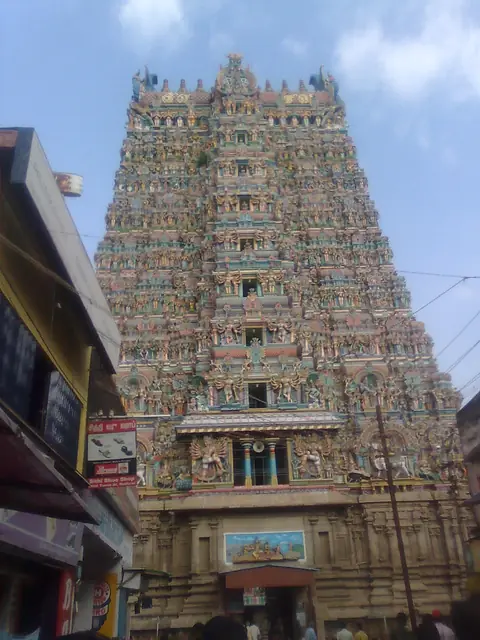
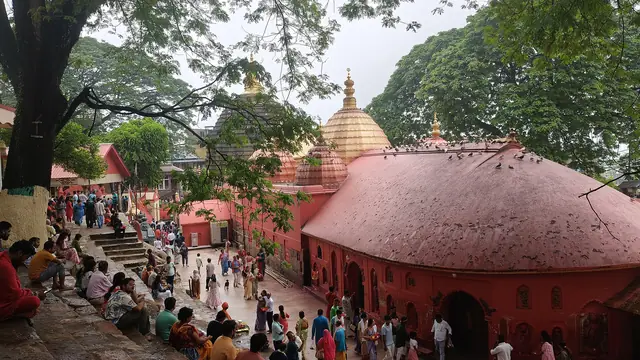
At Madurai she is Meenakshi, the fish-eyed princess of the Pandyas, whose wedding to Sundareswarar is enacted every year in the month of Chithirai. At Kanchipuram she sits in tapas as Kamakshi, worshipped as Lalita Tripurasundari before a Shri Chakra. On Kailash and around Mansarovar the pilgrims walk her parikrama with Shiva’s. In the Shakti Peethas she has a different name in each place, and Shiva stands beside her as Bhairava.
In the texts
- Kena Upanishad 3.12–4.1 (Uma Haimavati)
- Shiva Purana, Rudra Samhita, Sati and Parvati Khandas
- Kumarasambhava of Kalidasa
- Devi Bhagavata Purana