Cite
MLA
“Teej.” Hindu History, 2026, https://www.hinduhistory.in/utsav/teej/. Accessed .
APA
Hindu History. (2026). Teej. Retrieved , from https://www.hinduhistory.in/utsav/teej/
How it is kept
- 01
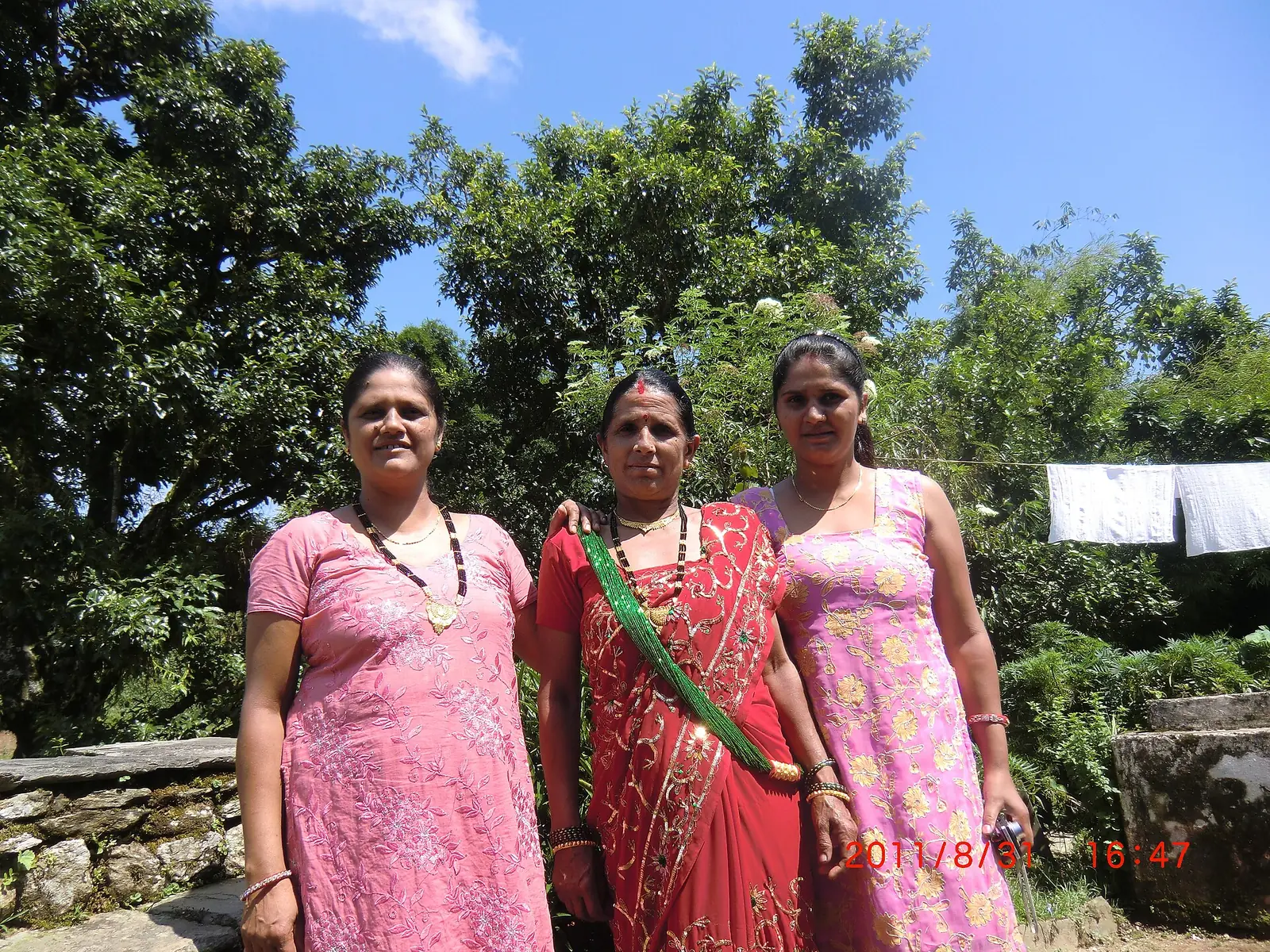
Green lehariya, bangles and mehndi
- 02
Swings hung from trees and Sawan songs sung in groups
- 03
Sindhara gifts sent to married daughters
- 04
Hartalika: a waterless fast and clay Shiva-Parvati worshipped at night
01Parvati’s tapas
The Shiva Purana tells how Parvati, daughter of Himavan, resolved to have no husband but Shiva and went into the forest for tapas, living on leaves and then on nothing, until Shiva, testing her in disguise, was won. Hartalika takes its name from harat, to carry off, and alika, a friend: the household katha says her friends carried her away to the forest so that her father could not give her to Vishnu. Women make sand or clay images of Shiva and Parvati, keep the fast through the day and night, and break it next morning.
02Swings and the Teej Mata sawari
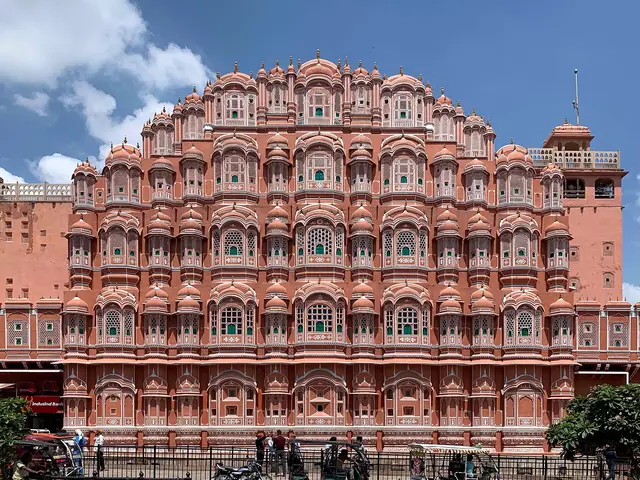
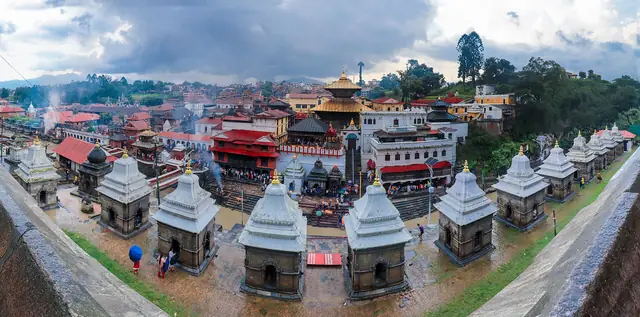
Hariyali Teej comes when the fields are green. Married daughters return to their parents’ homes, receive the sindhara of clothes, bangles and ghevar, put on green lehariya and mehndi, and swing on jhulas hung from neem and peepal trees, singing the songs of Sawan. In Jaipur the Teej Mata procession leaves the City Palace on two evenings with elephants and palanquins. In Nepal Teej is a three-day festival of women who dance and sing at Pashupatinath in red saris.
Rajasthan, Haryana, Uttar Pradesh, Bihar, Madhya Pradesh, Uttarakhand; Hartalika in Maharashtra and Karnataka; Teej in Nepal