Cite
MLA
“Shri Ganesha.” Hindu History, 2026, https://www.hinduhistory.in/devata/ganesha/. Accessed .
APA
Hindu History. (2026). Shri Ganesha. Retrieved , from https://www.hinduhistory.in/devata/ganesha/
गणानां त्वा गणपतिं हवामहे कविं कवीनामुपमश्रवस्तमम्। ज्येष्ठराजं ब्रह्मणां ब्रह्मणस्पत आ नः शृण्वन्नूतिभिः सीद सादनम्॥
gaṇānāṃ tvā gaṇapatiṃ havāmahe kaviṃ kavīnām upamaśravastamam | jyeṣṭharājaṃ brahmaṇāṃ brahmaṇaspata ā naḥ śṛṇvann ūtibhiḥ sīda sādanam ||
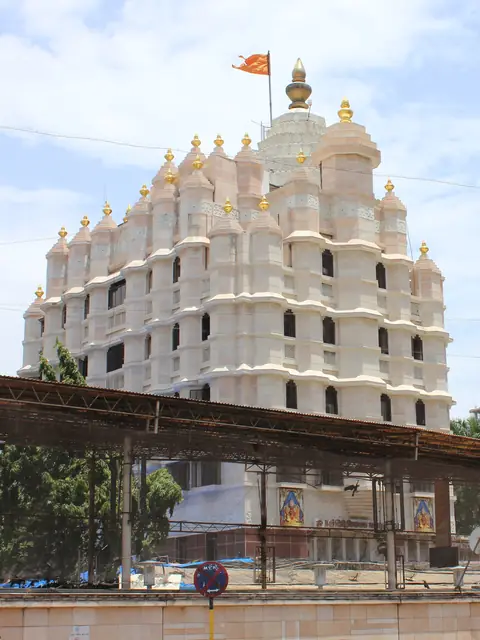
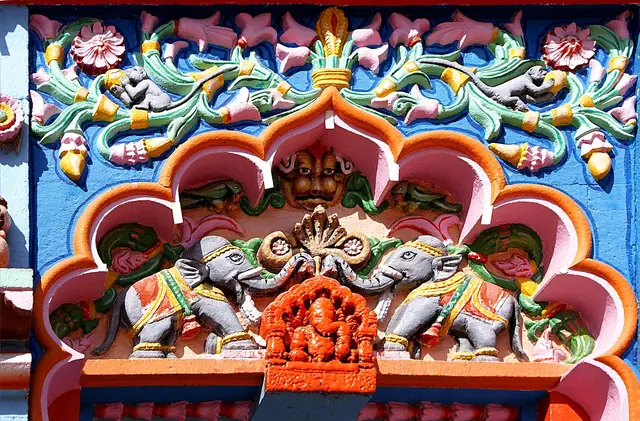
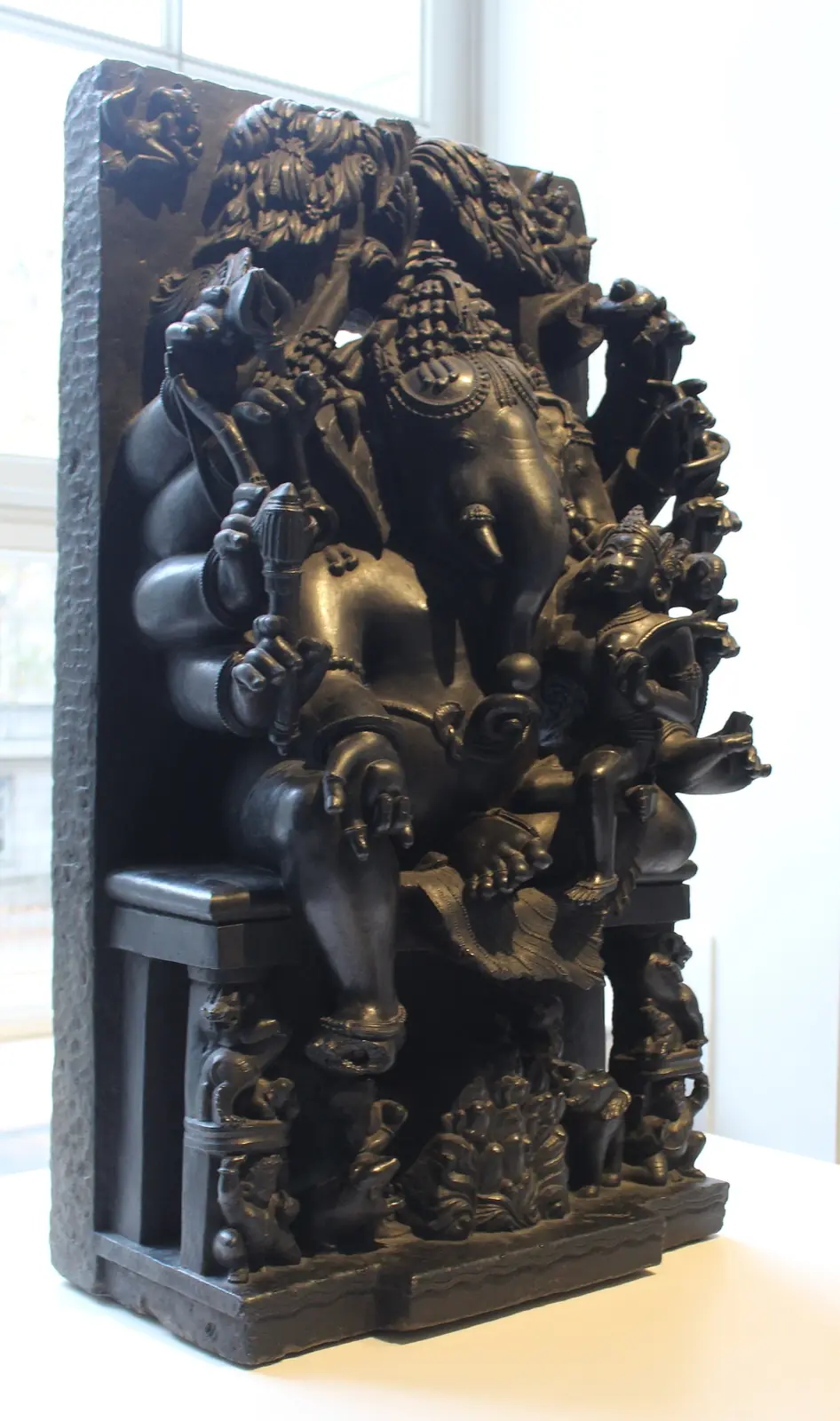
Elephant head on a round-bellied body, usually four-armed: the ankusha (goad) and pasha (noose) in the upper hands, a modaka and his own broken tusk or the abhaya mudra below. The trunk usually turns to his left; a right-turned trunk (dakshinamukhi, as at Siddhivinayak) calls for stricter worship. A mouse sits at his feet.
01In the Veda and Purana
Every Ganesh puja opens with a Rigvedic line, gaṇānāṃ tvā gaṇapatiṃ havāmahe (Rigveda 2.23.1). The hymn is addressed to Brahmanaspati, and the tradition has recited it for Ganapati for as long as anyone remembers. The Ganapati Atharvashirsha calls him the visible Brahman, tvameva pratyakṣaṃ tattvamasi. The Shiva Purana, in the Kumara Khanda of the Rudra Samhita, tells his birth: Mata Parvati shaped a son from the paste of her own body and set him at her door. He stopped even Shiva from entering, lost his head in the fight, and was given the head of an elephant and the first place in all worship.
02Kathas of the tusk and the race
When Maharshi Vyasa needed a scribe for the Mahabharata, Shri Ganesh agreed on one condition: the dictation must never pause. Vyasa answered with his own: Ganesh must understand every verse before writing it. The Puranas give more than one katha of the broken tusk, and devotees keep them all. In the best-loved one, Shiva and Parvati set their sons a race around the world. Kartikeya flew off on his peacock. Ganesh walked around his parents, saying they were the world to him, and won the fruit.
03Worship through the year
Ganesh Chaturthi falls on Bhadrapada Shukla Chaturthi. In Maharashtra it runs ten days and ends at Anant Chaturdashi with the immersion of the murti. Lokmanya Tilak made it a public festival in Pune in 1893, and the pandals have grown every year since. Each month has a Sankashti Chaturthi, a fast broken only after sighting the moon. Durva grass in twenty-one blades, red flowers and modakas are his offerings. Tulsi is kept away from his puja in most traditions.
04The Ashtavinayak and other seats
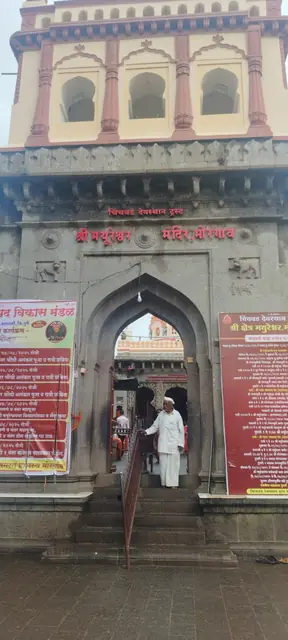
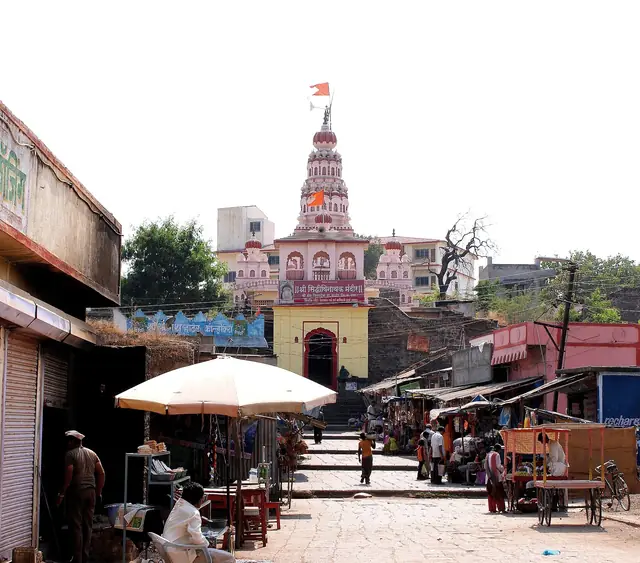
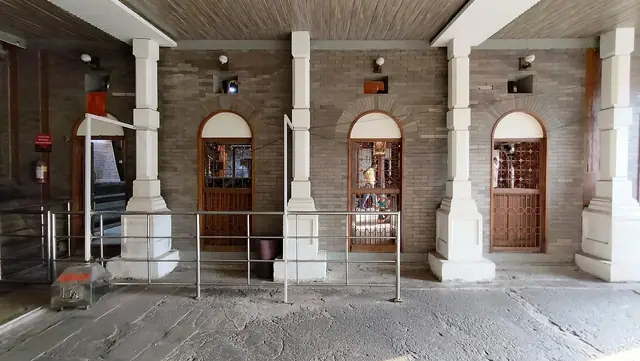
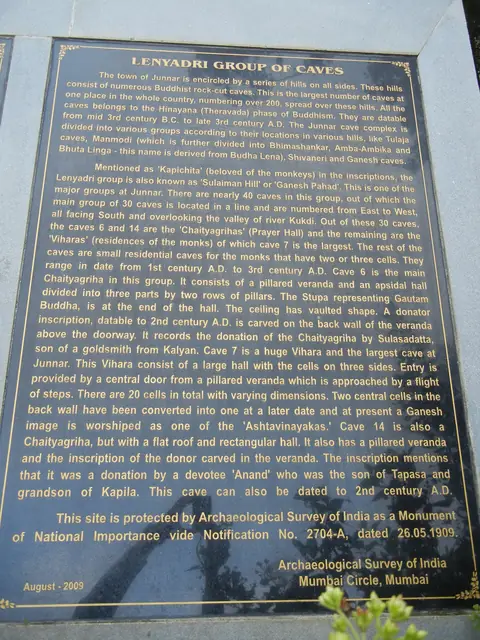
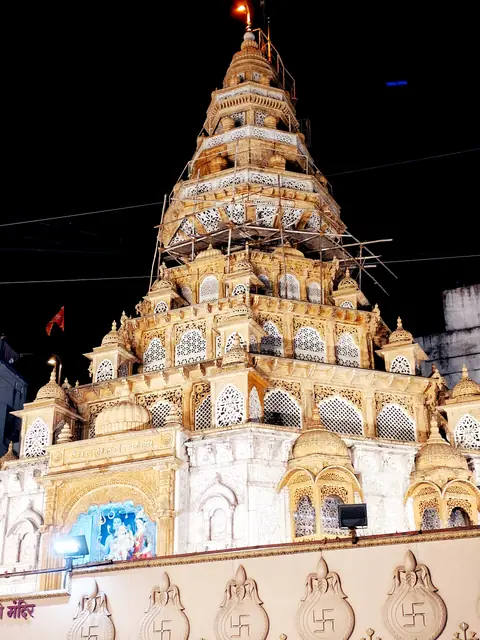
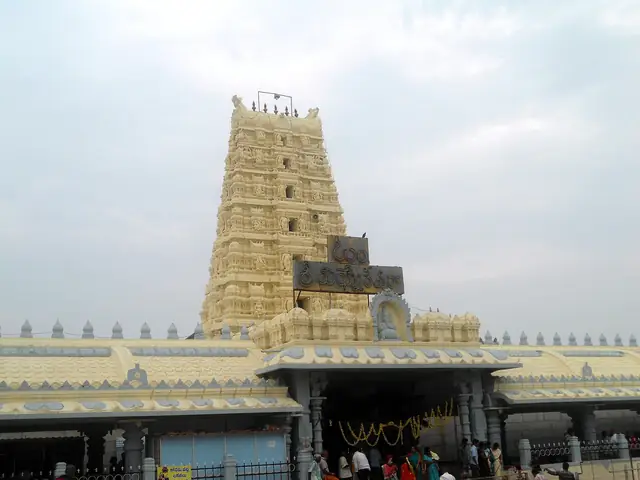
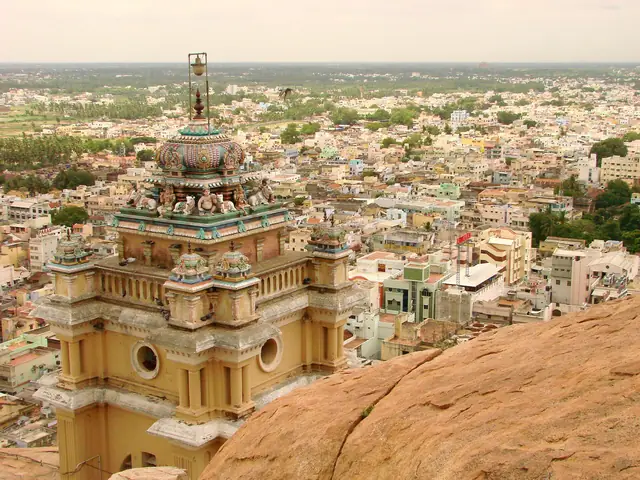
Around Pune lie the eight swayambhu Ganesh shrines of the Ashtavinayak yatra: Morgaon, Siddhatek, Pali, Mahad, Theur, Lenyadri, Ozar and Ranjangaon. The yatra begins and ends at Mayureshwar of Morgaon. In Mumbai, Siddhivinayak at Prabhadevi draws lakhs on Tuesdays. Down south, Ucchi Pillaiyar sits on top of the Tiruchirappalli rock, and at Kanipakam the swayambhu Vinayaka rises from a well. At Ranthambore fort, letters and wedding cards are still posted to Trinetra Ganesh.
In the texts
- Rigveda 2.23.1 (gaṇānāṃ tvā gaṇapatim)
- Ganapati Atharvashirsha
- Shiva Purana, Rudra Samhita, Kumara Khanda
- Ganesha Purana and Mudgala Purana