Cite
MLA
“Ganesh Chaturthi.” Hindu History, 2026, https://www.hinduhistory.in/utsav/ganesh-chaturthi/. Accessed .
APA
Hindu History. (2026). Ganesh Chaturthi. Retrieved , from https://www.hinduhistory.in/utsav/ganesh-chaturthi/
How it is kept
- 01
Pranapratishtha of a clay Ganapati at home or in a pandal
- 02
Twenty-one modaks and twenty-one blades of durva grass
- 03
Aarti morning and evening: Sukhakarta Dukhaharta
- 04
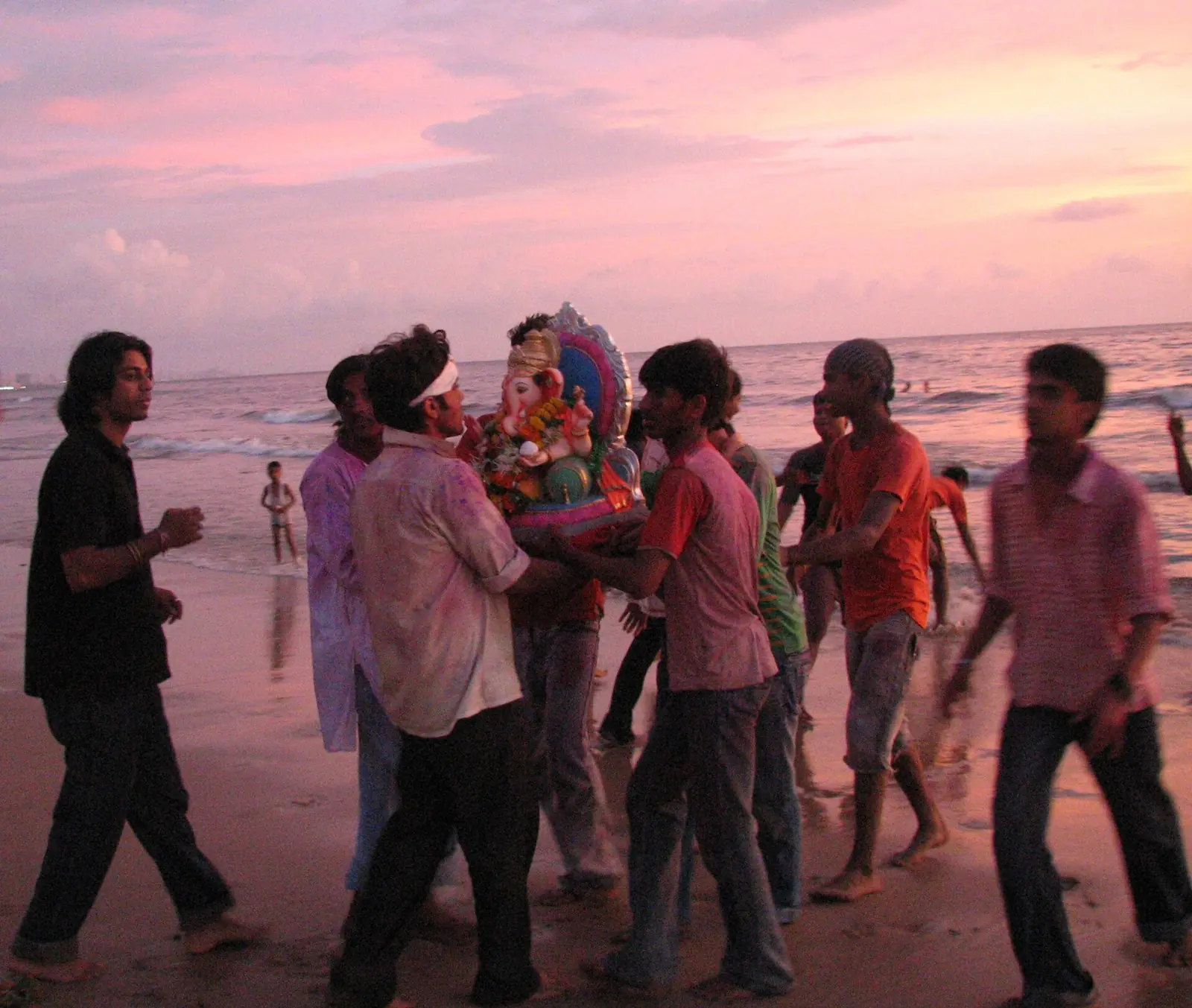
Visarjan on the 1½th, 5th, 7th or Anant Chaturdashi
- 05
Not looking at the moon on Chaturthi night
01Born of Parvati
The Shiva Purana (Rudra Samhita, Kumara Khanda) tells how Parvati shaped a boy from the turmeric paste of her body and set him at the door while she bathed. Shiva, returning, was refused entry; in the fight the boy’s head was struck off. To console Parvati, Shiva sent his ganas north for the first head they found, that of an elephant, and made the boy whole and chief of his ganas, Ganapati, to be worshipped before every other deity. Households also keep the rule of not looking at the moon this night, and read the katha of the Syamantaka jewel to undo the fault if they do.
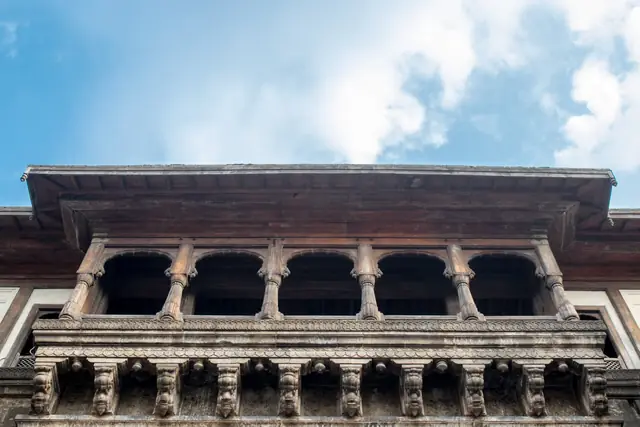
02From Shaniwar Wada to the street
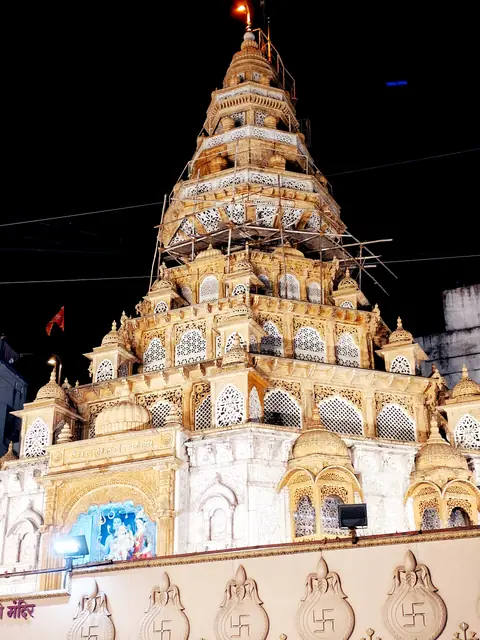
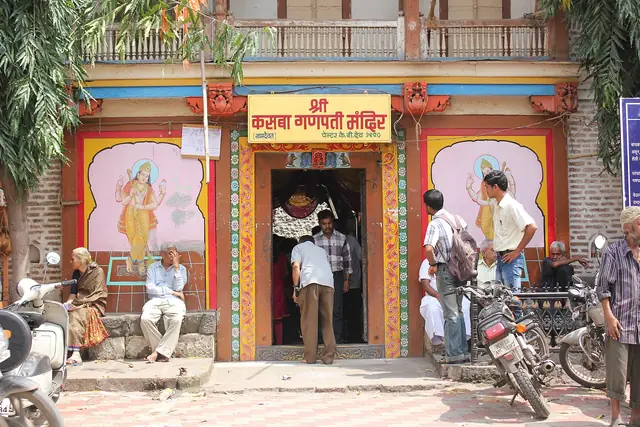
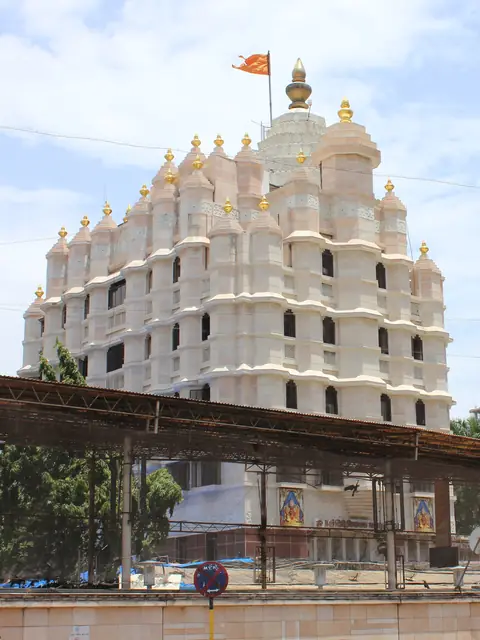
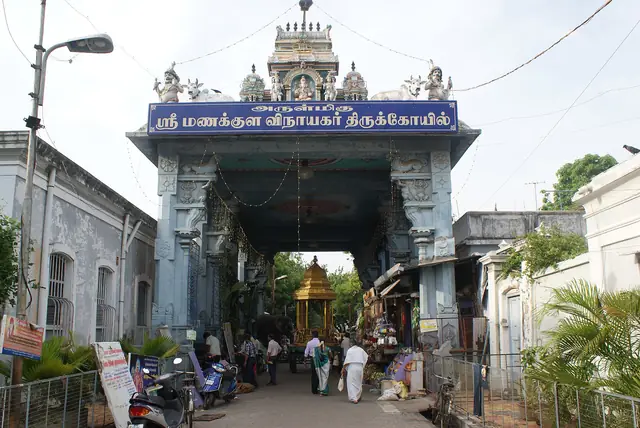
The Peshwas kept Ganeshotsav as a court festival at Shaniwar Wada in Pune, and the Ashtavinayak shrines round Pune were long-standing tirthas. In 1893 Lokmanya Bal Gangadhar Tilak turned the household festival into a sarvajanik, public one, with images in the lanes, lectures and melas, at a time when the British forbade political meetings. Pune’s Kasba Ganpati and Dagdusheth Halwai Ganpati lead its immersion processions, and Mumbai’s Lalbaug draws lakhs. In the south the day is Vinayaka Chaturthi, with kozhukattai and small clay Pillaiyars.
Maharashtra above all; Goa, Karnataka, Andhra, Telangana, Tamil Nadu (Vinayaka Chaturthi), Gujarat; Marathi communities worldwide