Cite
MLA
“The War of 1857.” Hindu History, 2026, https://www.hinduhistory.in/battles/war-of-1857/. Accessed .
APA
Hindu History. (2026). The War of 1857. Retrieved , from https://www.hinduhistory.in/battles/war-of-1857/
The Company recovered Delhi, Lucknow and central India by 1858; the Crown took over the government of India and the Company was wound up.
01The spark and the causes
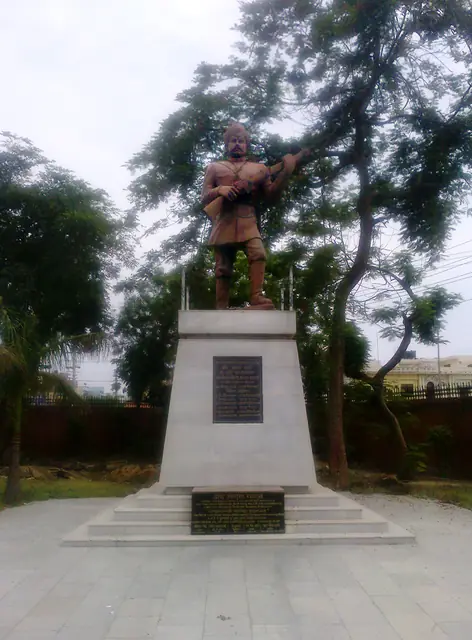
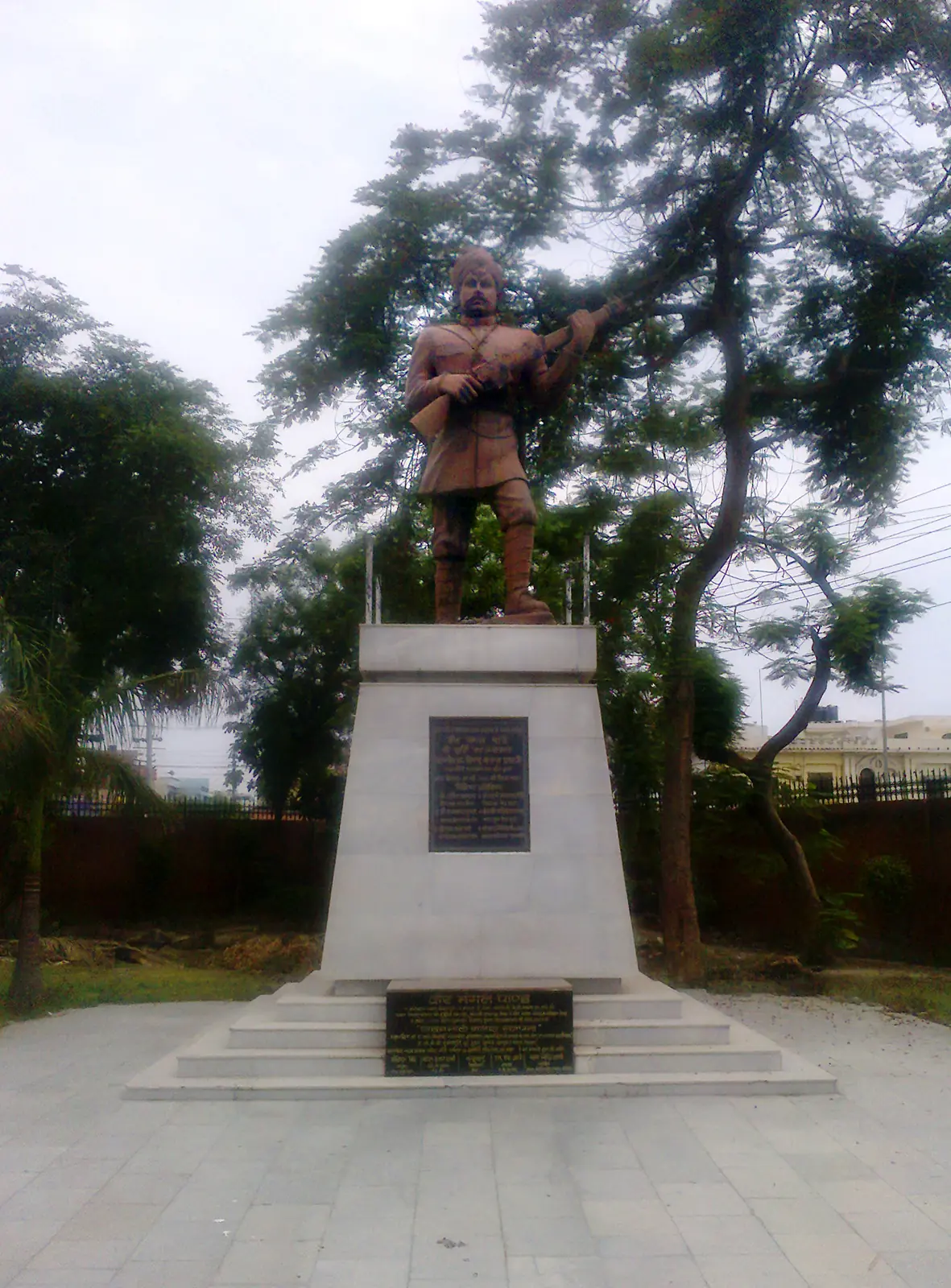
The sepoys of the Bengal army were largely high-caste men from Awadh and Bihar. The greased cartridges of the new Enfield rifle, believed to carry cow and pig fat, struck at their dharma; behind that lay years of grievance over pay, overseas service, the annexation of Awadh in 1856 and Dalhousie’s seizure of states such as Jhansi and Nagpur under the doctrine of lapse. Mangal Pandey fired on his officers at Barrackpore on 29 March 1857. On 10 May the regiments at Meerut rose and rode for Delhi.
02Delhi, Kanpur, Lucknow, Jhansi
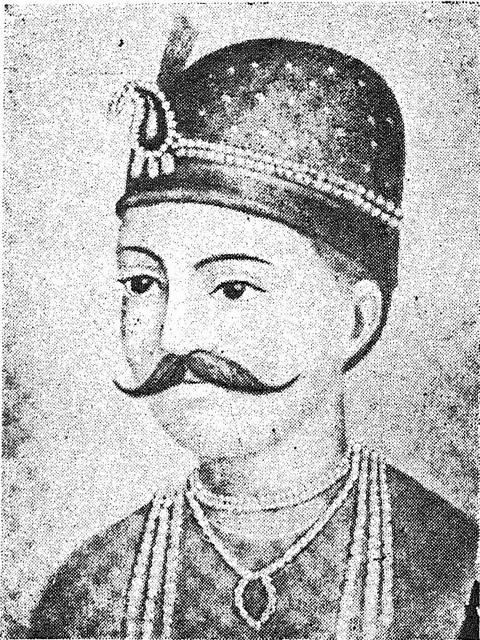
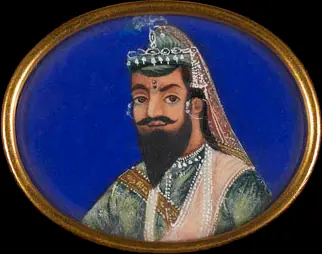
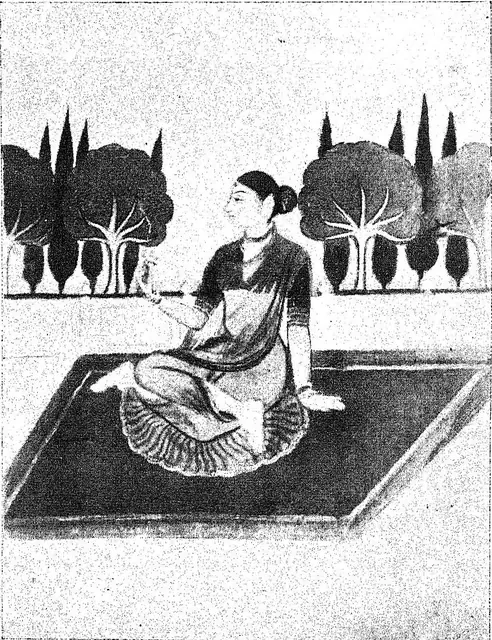
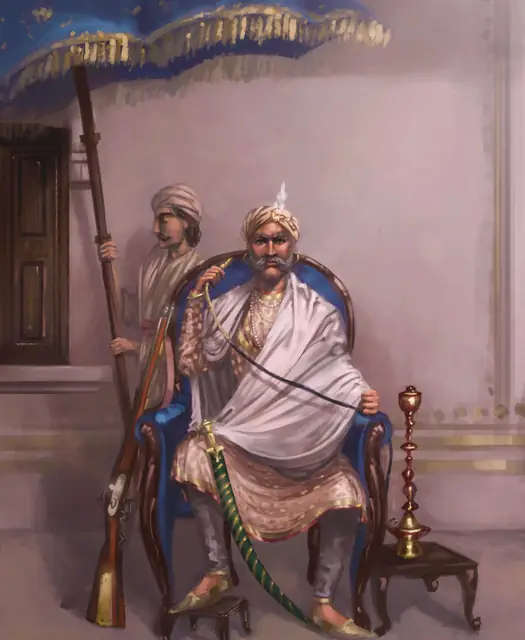
At Delhi the sepoys proclaimed the old Bahadur Shah Zafar emperor of Hindustan, and the city held out till September 1857. Nana Saheb took Kanpur in June; Awadh rose almost to a man, and the Residency at Lucknow was besieged for months. Kunwar Singh, past seventy, fought across Bihar and died in his own fort at Jagdishpur in April 1858. In central India Rani Lakshmibai defended Jhansi and fell at Gwalior in June 1858, and Tatya Tope kept up the war until his capture and hanging in 1859.
03How it ended
The rising never had one command or one plan, and the Punjab, the south and most of the princes stayed out of it; the Sikh and Gorkha regiments fought for the Company. British troops came from Persia, China and home, and the reconquest of 1857–58 was carried out with mass hangings and the burning of villages. On 1 November 1858 Queen Victoria’s proclamation was read at Allahabad: the Company was gone, and India was ruled directly by the Crown.
1857 ended Company rule and became the first chapter in the long struggle that ended in 1947; its names, from Mangal Pandey to Lakshmibai, are still the first heroes Indian children learn.