01The cemetery of 2005
Farmers levelling a field turned up pottery and bones, and in 2005–06 the Archaeological Survey under D. V. Sharma excavated 116 burials. Many held pots, beads and copper antennae swords of the type known from the Copper Hoards of the Ganga–Yamuna doab. The pottery is the ochre-coloured ware of the late phase of the Sindhu–Sarasvati world. Some bodies were laid with a pot at the head and food offerings, and a few graves were symbolic, holding goods but no body, a practice that points to careful rites for the dead.
02The chariots of 2018
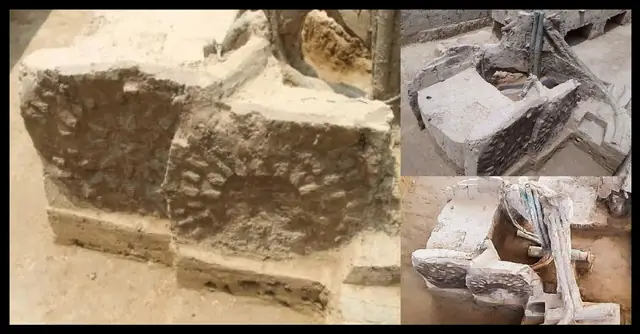
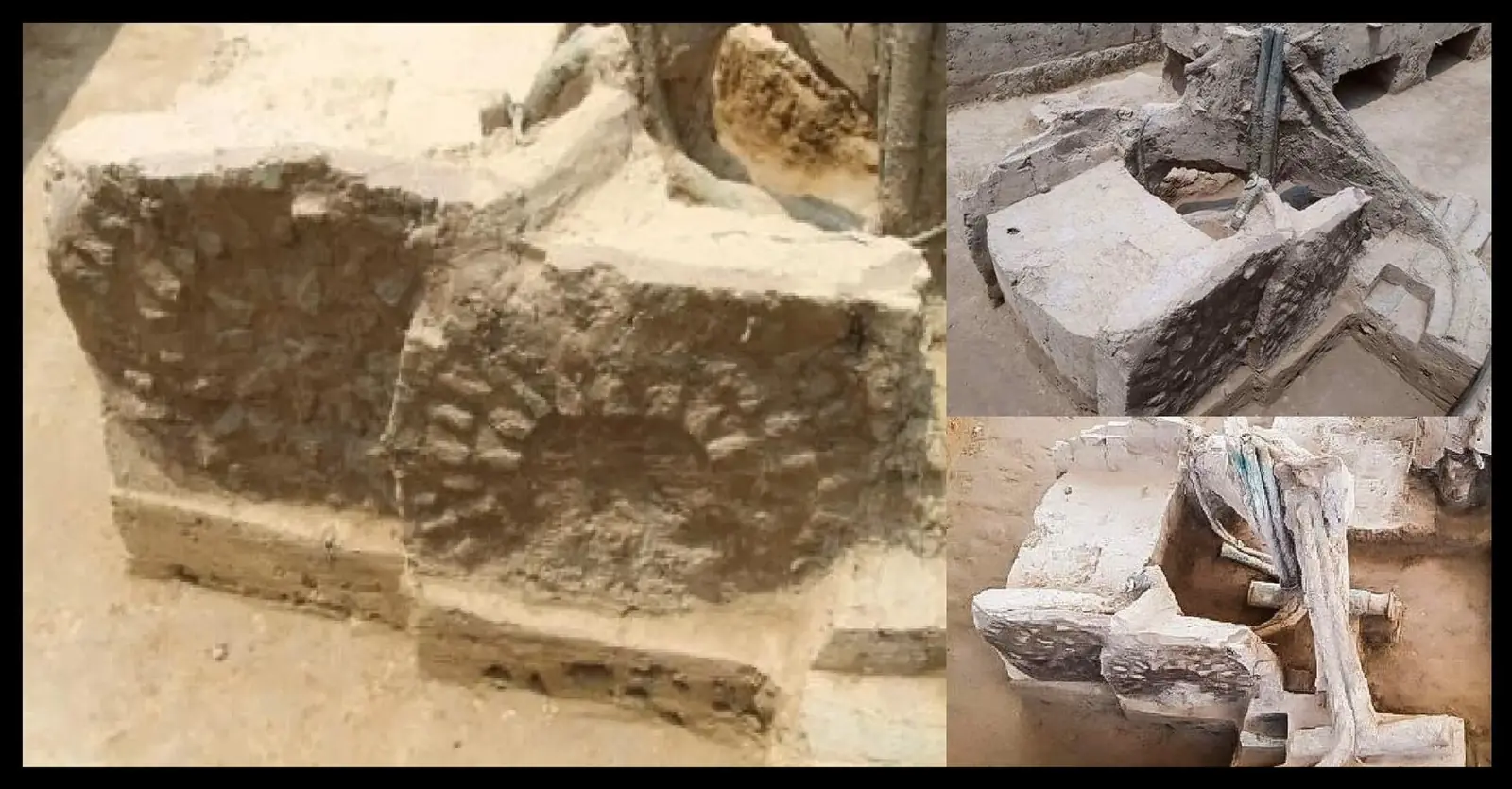
In 2018 the ASI returned under S. K. Manjul and opened three burial chambers of a different order. Coffins on legs were covered with copper sheet and decorated. Beside them lay three chariots with solid wheels, their wooden parts long rotted but traced in the soil and clad in copper, with swords, daggers, shields, a copper helmet and a mirror. Manjul read the chariots as war chariots drawn by horses or oxen; others prefer to call them carts until the draught animal is settled. Dated to around 2000–1800 BCE, they are the oldest wheeled vehicles found in Bharat, and they show a warrior elite in the doab long before the date the colonial-era invasion theory gave for chariots arriving from outside.
The life of this place
- 2005–06ASI excavates 116 burials under D. V. Sharma.
- 2018 CEASI under S. K. Manjul finds three chariots and royal burials.
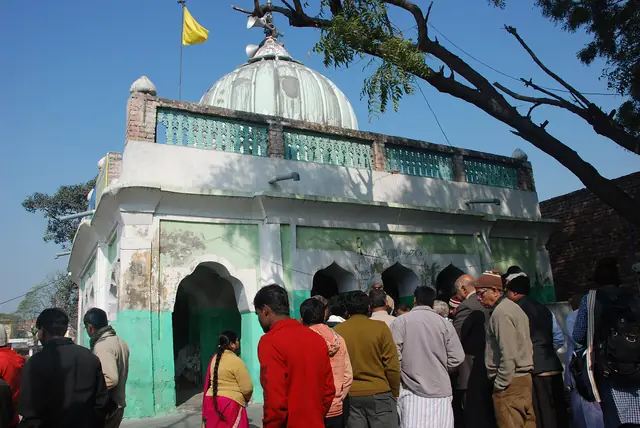
Sinauli village, Baghpat district, about 70 km north of Delhi; the excavated trenches are backfilled, and finds are with the ASI.