Cite
MLA
“Swami Shraddhanand.” Hindu History, 2026, https://www.hinduhistory.in/people/swami-shraddhanand/. Accessed .
APA
Hindu History. (2026). Swami Shraddhanand. Retrieved , from https://www.hinduhistory.in/people/swami-shraddhanand/
Life in moments
- 011856
Born Brihaspati (later Munshi Ram) at Talwan, Jalandhar, on 22 February 1856.
- 021902
Founded the Gurukul at Kangri near Haridwar in 1902, now Gurukul Kangri university.
- 031917
Took sannyasa in 1917 as Swami Shraddhanand Saraswati.
- 041919
Led the Rowlatt protest in Delhi in 1919 and the Shuddhi movement from 1923.
- 051926
Assassinated at his home in Delhi on 23 December 1926.
01Munshi Ram and the swami at Bareilly
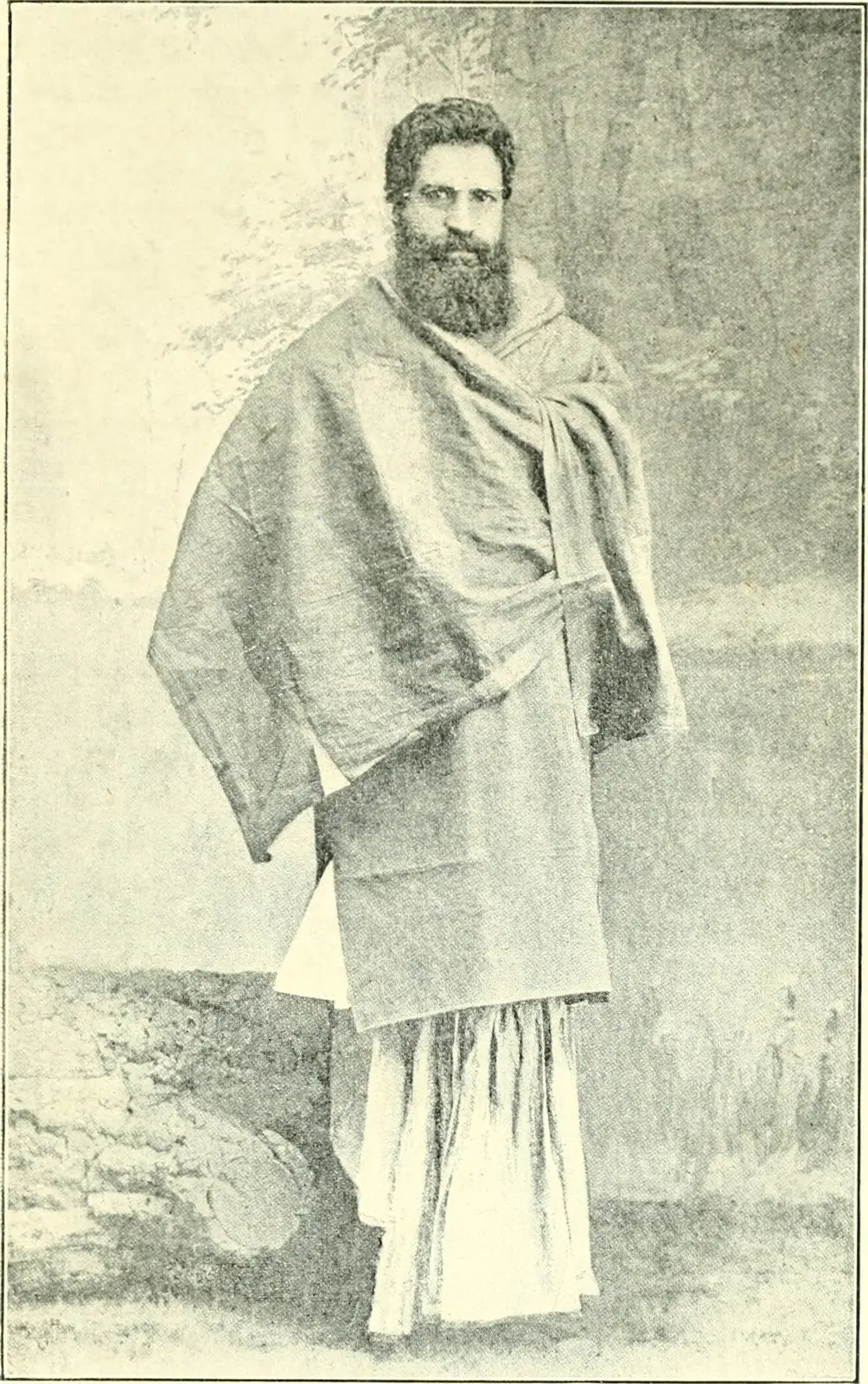
He was born on 22 February 1856 at Talwan in Jalandhar district of Punjab, the youngest child of Lala Nanak Chand, a police inspector in the United Provinces. His first name was Brihaspati; his father called him Munshi Ram, and the name stayed until 1917. As a young man he lost his faith after things he saw at temples and churches. When Swami Dayananda Saraswati came to lecture at Bareilly, his father was in charge of the arrangements and told him to attend. He went meaning to make trouble, and came away won over by the swami’s learning and courage. He studied law, practised at Jalandhar, and became a leader of the Arya Samaj in Punjab. His autobiography is the Kalyan Marg ka Pathik.
02The Gurukul at Kangri
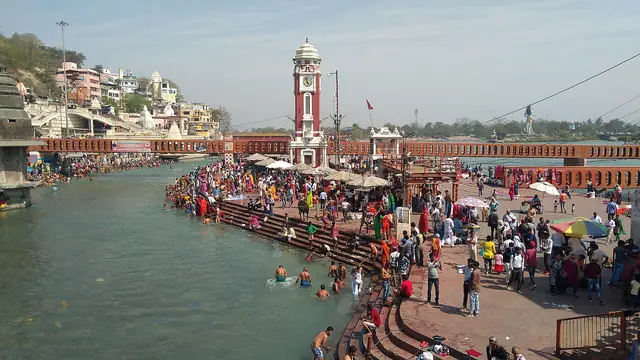
In 1892 the Arya Samaj split over whether Vedic learning should be the core of teaching at the DAV College in Lahore. Munshi Ram led the side that wanted gurukuls, schools where boys lived with their teachers in brahmacharya and studied the Vedas and Sanskrit along with modern subjects, in Hindi. After Pandit Lekh Ram was murdered in 1897 he took over the Punjab Arya Pratinidhi Sabha and its journal. In 1902 he opened the Gurukul at Kangri, on the far bank of the Ganga near Haridwar, and gave it everything he had, his sons among its first pupils. It is now the Gurukul Kangri university. He also founded the Gurukul Indraprastha in the Aravalli hills near Faridabad. People called him Mahatma Munshi Ram. In 1917 he took sannyasa as Swami Shraddhanand Saraswati.
03Chandni Chowk, Shuddhi and 23 December 1926
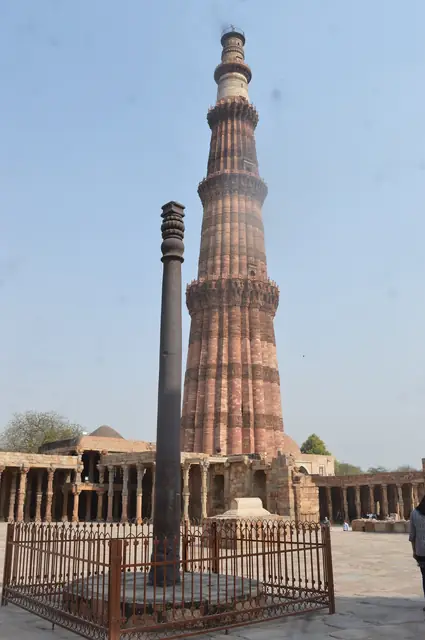
In 1919, during the protests against the Rowlatt Act, he led a procession in Delhi and stood before a line of Gurkha soldiers at the clock tower in Chandni Chowk, who let him through; the same year he spoke from the pulpit of the Jama Masjid, opening with Vedic mantras, and he invited the Congress to hold its session at Amritsar after the Jallianwala Bagh massacre. He wrote and published papers in Hindi and Urdu, worked for the education of women and for the depressed castes, and campaigned for Hindi in Devanagari. From 1923 he led the Bharatiya Hindu Shuddhi Sabha, which brought large numbers of Malkana Rajputs of western UP back into the Hindu fold, and this set him against many Muslim leaders of the day. On 23 December 1926 a man named Abdul Rashid came to his house in Delhi as a visitor and shot him dead. Rashid was hanged in 1927.