Written in stone and copper

Inscriptions are the firmest dated evidence for Bharat’s past: kings had their grants, victories and gifts cut into rock, pillars and copper plates, and many still stand where they were made. Here every inscription on this site is shown in order of date, with where it was found and where it is kept today.

Written in stone and copper: 51 objects

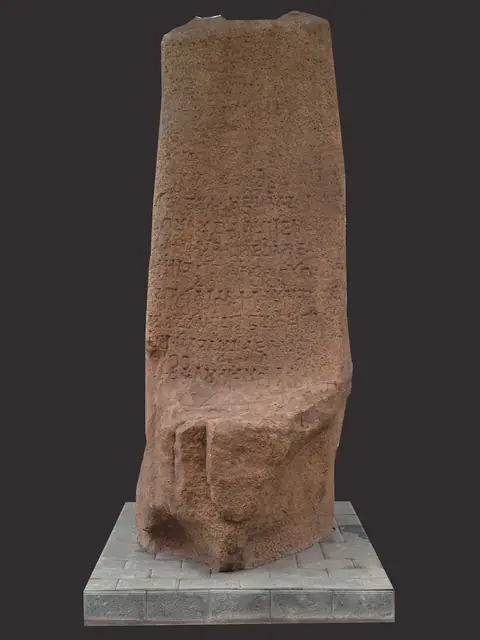
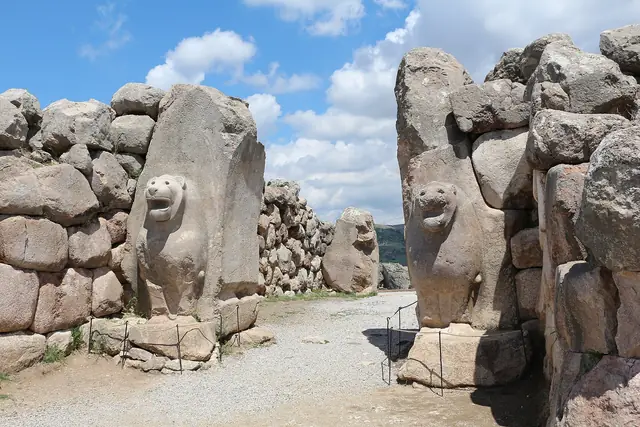
Boğazköy treaty naming Mitra, Varuna, Indra and the Nasatyas
01Inscription · c. 1380 BCE

Boğazköy treaty naming Mitra, Varuna, Indra and the Nasatyas

A treaty between the Hittite king Suppiluliuma I and Shattiwaza, prince of Mitanni in north Syria, sworn before the gods of both kingdoms. Among the Mitanni gods stand four names any Vedic priest would know.

Found
Clay tablets from the Hittite royal archive at Hattusa (Boğazköy, central Turkey), dug up by Hugo Winckler in 1906–07
Kept at
Hittite tablet collections in Turkish museums
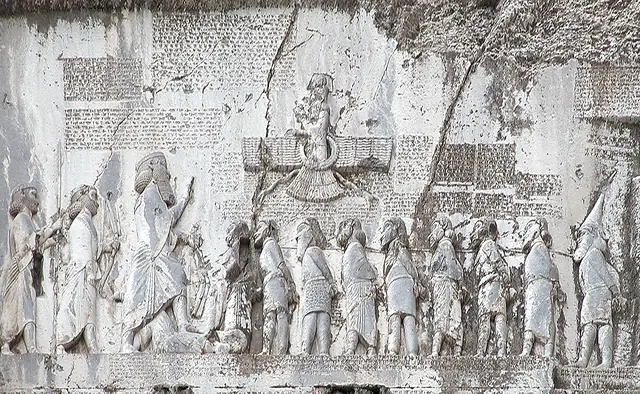
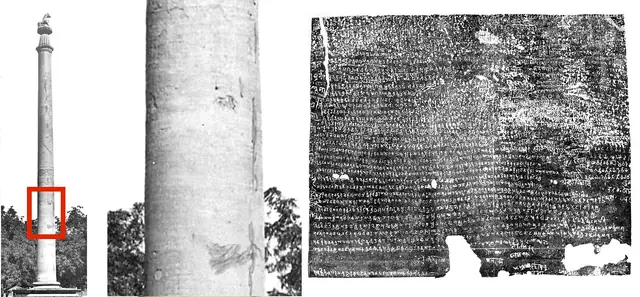
Behistun inscription of Darius I
02Inscription · c. 520 BCE

Behistun inscription of Darius I

The Persian king Darius I tells, in Old Persian, Elamite and Babylonian, how he took the throne and which lands obeyed him. Gandhara is on the list.

Found
Cut high on the cliff of Mount Behistun, Kermanshah, western Iran; copied by Henry Rawlinson between 1835 and 1847
Kept at
In place on the cliff, a UNESCO World Heritage Site
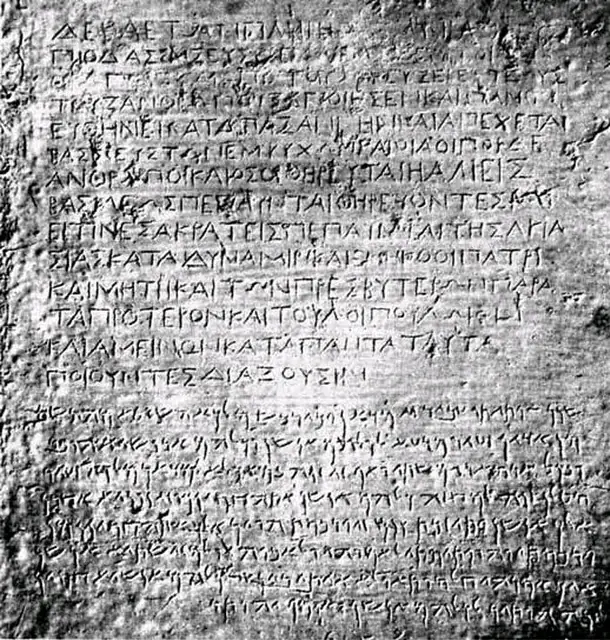
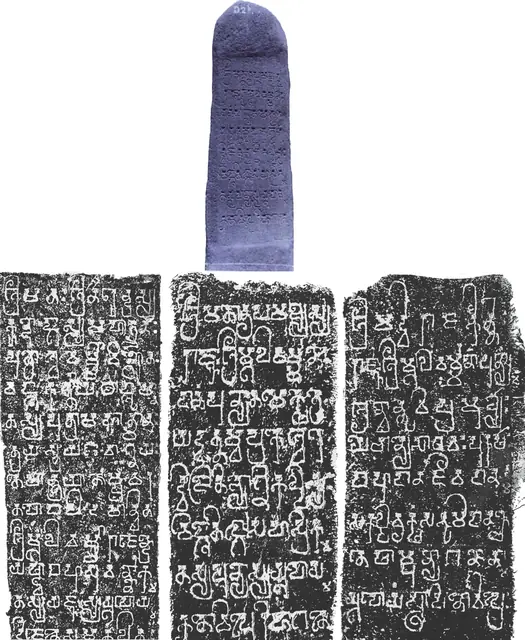
Kandahar bilingual edict of Ashoka
03Inscription · c. 258 BCE (ten years after Ashoka’s abhisheka)

Kandahar bilingual edict of Ashoka

Ashoka’s message of dhamma, carved in Greek and Aramaic for the Greek and Persian-speaking subjects at the western edge of his empire.

Found
On a rock at Chehel Zina, Old Kandahar, Afghanistan; found in 1958
Kept at
On the rock at Chehel Zina; its present condition is uncertain after decades of war
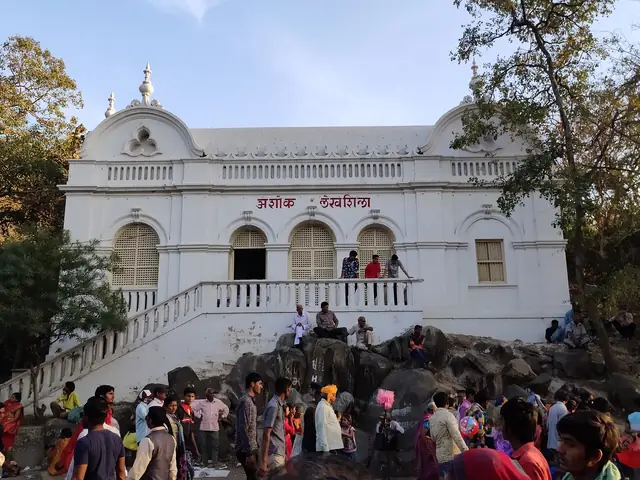
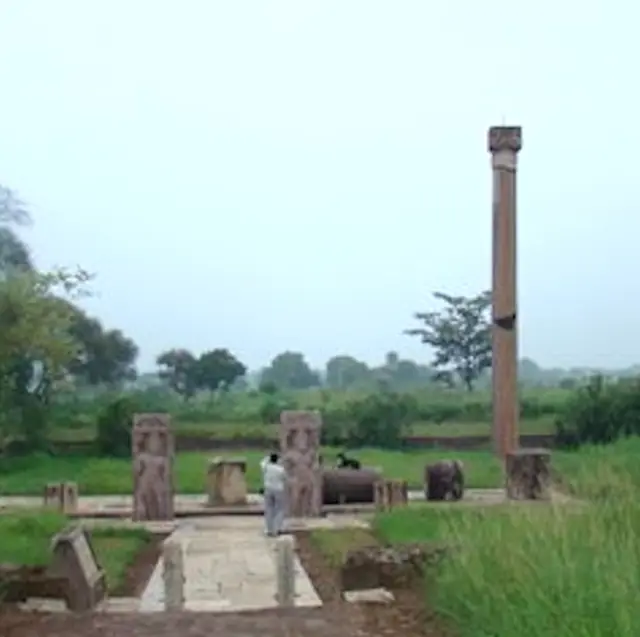
Edicts of Ashoka
04Inscription · c. 268–232 BCE

Edicts of Ashoka

Fourteen major rock edicts, minor rock edicts and seven pillar edicts in which the Maurya emperor speaks in his own voice, as Devanampiya Piyadasi.

Found
Carved on rocks and polished pillars from Kandahar to Karnataka; first read by James Prinsep in 1837
Kept at
Most still stand where they were carved; pillars at Delhi, Prayagraj, Lauriya Nandangarh, Rampurva and elsewhere
Kalinga edicts at Dhauli and Jaugada
05Inscription · c. 3rd century BCE

Kalinga edicts at Dhauli and Jaugada

In conquered Kalinga, Ashoka left out the thirteenth rock edict, which mourns the war, and carved two separate edicts addressed to his officers there instead.

Found
Dhauli hill near Bhubaneswar and Jaugada in Ganjam district, Odisha
Kept at
In place on the rocks, under ASI protection
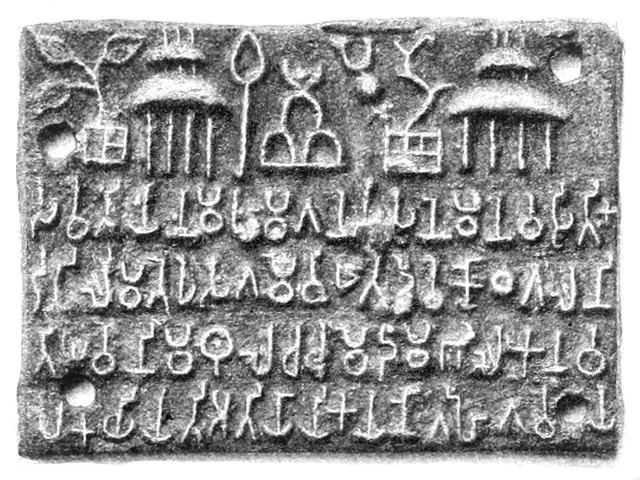
Sohgaura copper plate
06Inscription · Maurya period, c. 3rd century BCE

Sohgaura copper plate

A small bronze-copper plate in early Brahmi, issued by the officials of Shravasti, cast with symbols of storehouses above the text.

Found
Sohgaura, Gorakhpur district, Uttar Pradesh; found in 1893
Kept at
Published by the Asiatic Society of Bengal; its present custody is not well recorded
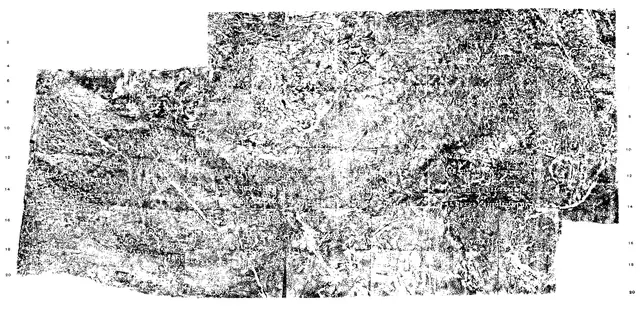
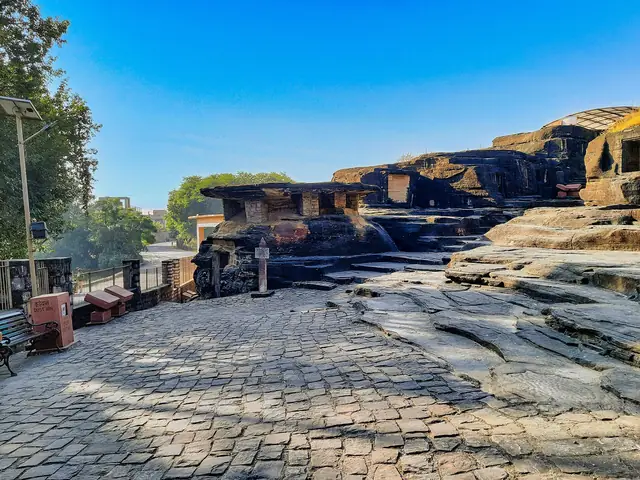
Hathigumpha inscription of Kharavela
07Inscription · c. 2nd–1st century BCE

Hathigumpha inscription of Kharavela

Seventeen lines in Prakrit and Brahmi recording, year by year, the reign of Kharavela, the Jain emperor of Kalinga.

Found
Overhang of the Hathigumpha (elephant cave), Udayagiri hill near Bhubaneswar; first read by James Prinsep in 1837
Kept at
In place, under a protective shelter
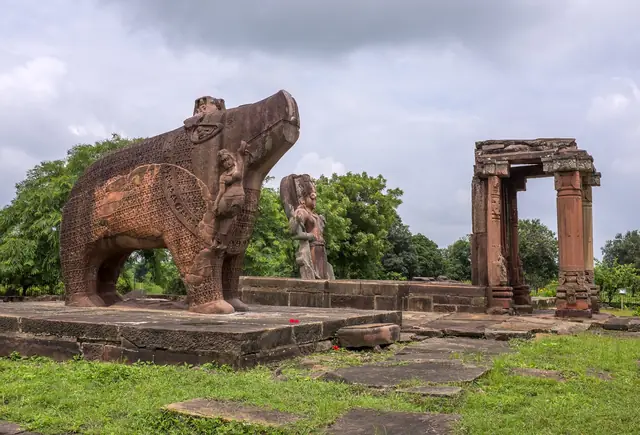
Heliodorus pillar, Besnagar
08Inscription · c. 113 BCE

Heliodorus pillar, Besnagar

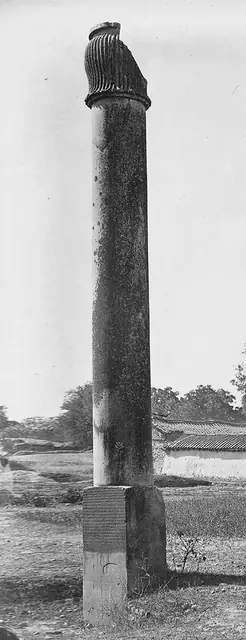
A stone Garuda-dhvaja raised to Vasudeva by Heliodorus, a Greek envoy from Takshashila, at the court of King Bhagabhadra.

Found
Besnagar, outside Vidisha, Madhya Pradesh; noted by Alexander Cunningham in 1877, inscription read in 1909
Kept at
Still standing in place; local people worship it as Khamba Baba
Ghosundi and Hathibada inscriptions
09Inscription · c. 1st century BCE

Ghosundi and Hathibada inscriptions

A Sanskrit record of a stone enclosure built for the worship of Sankarshana and Vasudeva by a king who had performed the Ashvamedha.

Found
Ghosundi village and Nagari (ancient Madhyamika), near Chittorgarh, Rajasthan
Kept at
Fragments in museum collections in Rajasthan; the Hathibada text remains at Nagari
Naneghat inscription of Queen Naganika
10Inscription · c. 1st century BCE

Naneghat inscription of Queen Naganika

The Satavahana queen Naganika, widow of Satakarni I, records the Vedic sacrifices her husband performed and the fees he gave.

Found
A rock-cut hall at the Naneghat pass on the old trade road from Junnar down to the Konkan, Pune district
Kept at
In place in the cave
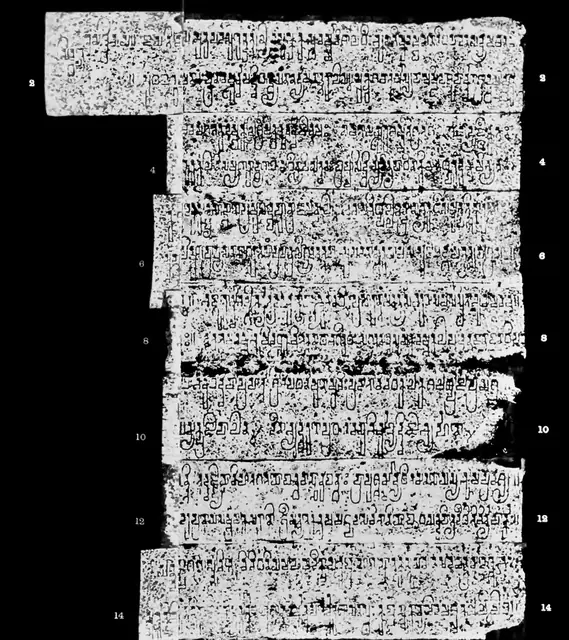
Ayodhya inscription of Dhanadeva
11Inscription · c. 1st century BCE

Ayodhya inscription of Dhanadeva

A short Sanskrit record of Dhanadeva, lord of Kosala, who set up a memorial to his father at Ayodhya.

Found
Ayodhya, Uttar Pradesh
Kept at
Ayodhya
Mora well inscription
12Inscription · Early 1st century CE

Mora well inscription

A Sanskrit record in Brahmi of a stone temple set up for the images of the five Vrishni heroes, in the time of the son of the Mahakshatrapa Rajuvula of Mathura.

Found
On a slab from a well at Mora village, about 11 km west of Mathura; reported in the 19th century
Kept at
Known from the slab and its published readings by Lüders and later scholars
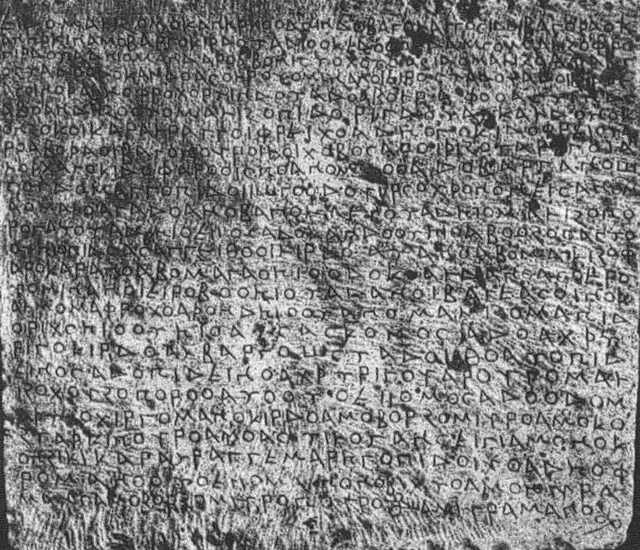
Rabatak inscription of Kanishka
13Inscription · Year 1 of Kanishka, c. 127 CE

Rabatak inscription of Kanishka

A stone in the Bactrian language, written in Greek letters, in which Kanishka lists his ancestors and the gods of his shrine.

Found
Rabatak, Baghlan province, Afghanistan; found in 1993
Kept at
National Museum of Afghanistan, Kabul
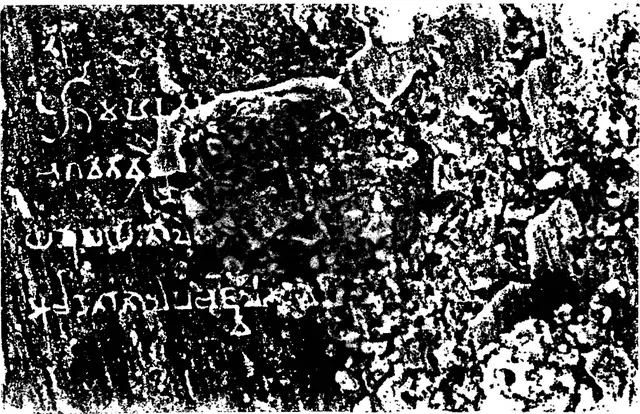
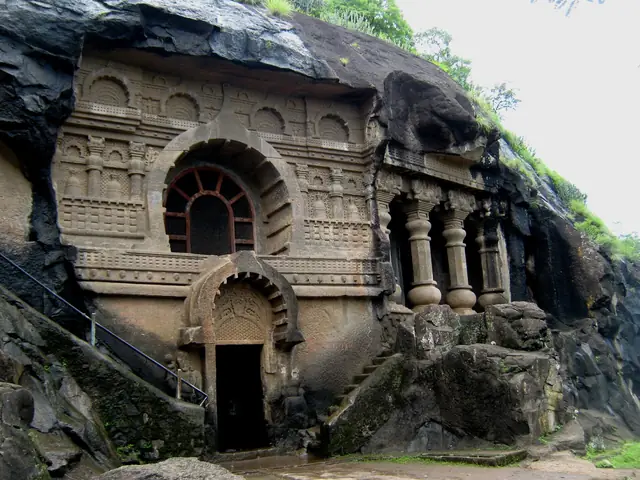
Nasik prashasti of Gautami Balashri
14Inscription · c. 2nd century CE (19th year of Vasishthiputra Pulumavi)

Nasik prashasti of Gautami Balashri

The queen mother Gautami Balashri dedicates a cave to the Buddhist sangha and praises her son, Gautamiputra Satakarni.

Found
Cave 3 of the Pandavleni (Trirashmi) caves, Nashik, Maharashtra
Kept at
In place on the cave wall
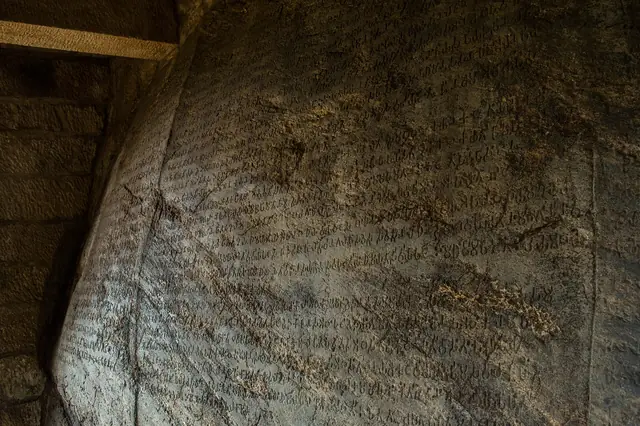
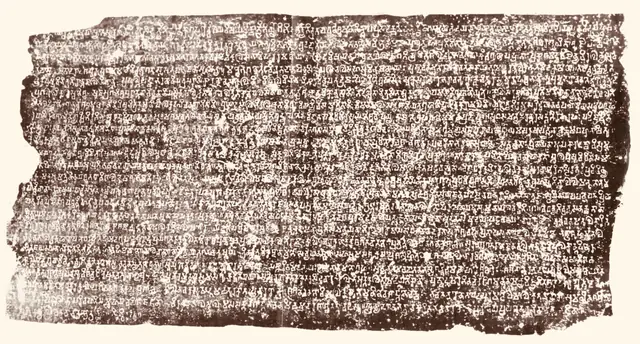
Junagadh rock inscription of Rudradaman
15Inscription · 150 CE (Shaka year 72)

Junagadh rock inscription of Rudradaman

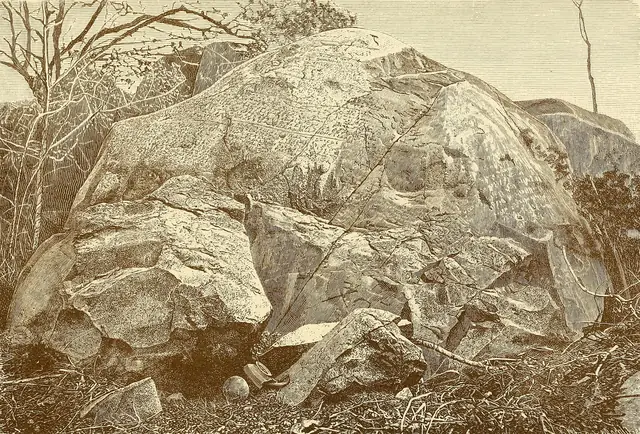
The first long inscription in classical Sanskrit, recording how the Shaka ruler Rudradaman rebuilt the Sudarshana lake after a storm burst its dam.

Found
The great boulder at the foot of Girnar, Junagadh, Gujarat, which also carries Ashoka’s edicts
Kept at
In place, inside a protective building
Võ Cạnh inscription
16Inscription · c. 2nd–3rd century CE

Võ Cạnh inscription

A Sanskrit stele from the coast of central Vietnam, the oldest Sanskrit inscription found in Southeast Asia.

Found
Võ Cạnh village near Nha Trang, Khánh Hòa province, Vietnam
Kept at
National Museum of Vietnamese History, Hanoi
Allahabad pillar prashasti of Samudragupta
17Inscription · c. 350–375 CE

Allahabad pillar prashasti of Samudragupta

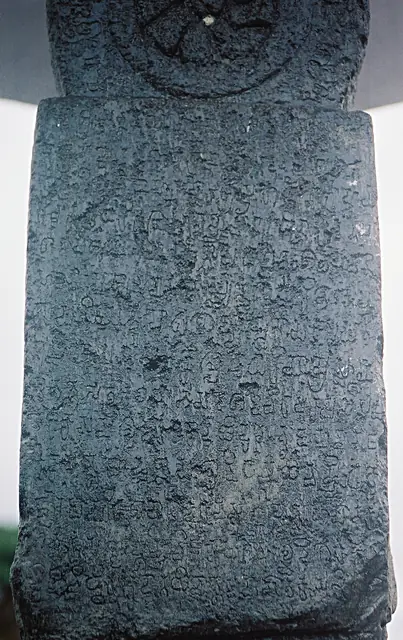
Harishena, minister and poet of Samudragupta, carved a long Sanskrit eulogy of his king onto a pillar that already bore Ashoka’s edicts.

Found
An Ashokan pillar, probably first raised at Kaushambi, now in the fort at Prayagraj
Kept at
Inside Allahabad Fort, Prayagraj (army area; access limited)
Yupa inscriptions of Mulavarman, Kutai
18Inscription · c. 400 CE

Yupa inscriptions of Mulavarman, Kutai

Seven stone yupas, the sacrificial posts of a Vedic yajna, inscribed in Sanskrit for King Mulavarman.

Found
Muara Kaman on the Mahakam river, East Kalimantan (Borneo), Indonesia
Kept at
National Museum of Indonesia, Jakarta
Udayagiri cave inscriptions of Chandragupta II
19Inscription · 401 CE (Gupta year 82)

Udayagiri cave inscriptions of Chandragupta II

Two records at Udayagiri tie its shrines, among them the great Varaha panel, to Chandragupta II and the men who served him.

Found
Cut in the rock-cut shrines of Udayagiri hill near Vidisha, Madhya Pradesh; edited by J. F. Fleet in 1888
Kept at
In place at the Udayagiri caves (ASI protected site)
Halmidi inscription
20Inscription · c. 450 CE

Halmidi inscription

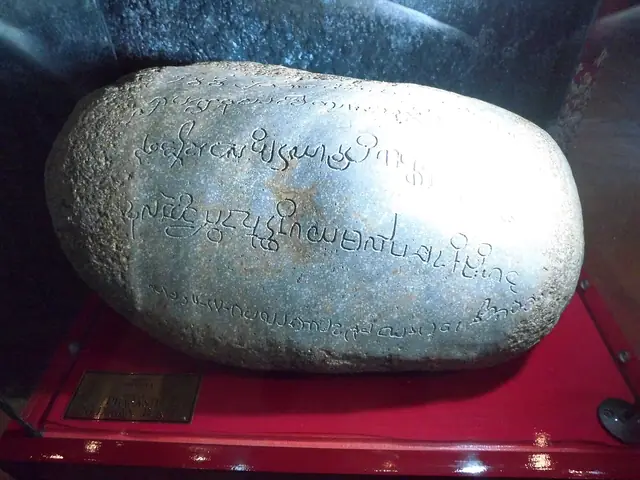
A short stone of the Kadamba age that is the oldest known inscription in the Kannada language.

Found
Halmidi village, Hassan district, Karnataka; found in 1936
Kept at
Government Museum, Bengaluru; a fibreglass replica stands in the village
Ciaruteun inscription of Purnavarman
21Inscription · c. 5th century CE

Ciaruteun inscription of Purnavarman

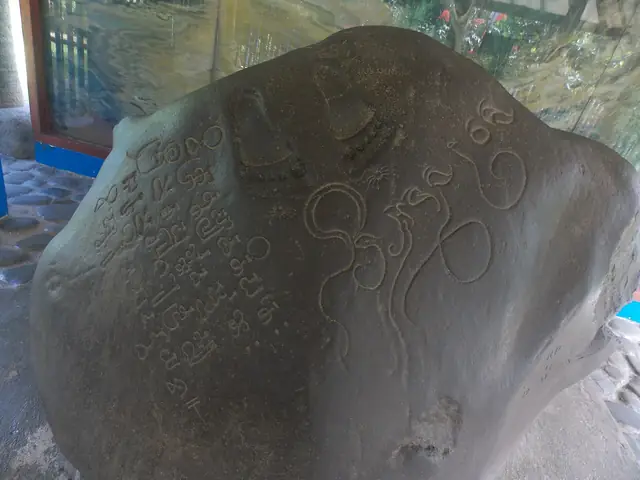
A Sanskrit verse beside a pair of carved footprints of Purnavarman, king of Tarumanagara.

Found
A boulder in the Ciaruteun river near Bogor, West Java, Indonesia
Kept at
In place, under a shelter on the river bank
Junagadh inscription of Skandagupta
22Inscription · 455–457 CE (Gupta years 136–138)

Junagadh inscription of Skandagupta

Three centuries after Rudradaman, the Sudarshana dam burst again; Skandagupta’s governor rebuilt it and recorded the work on the same rock.

Found
The same Girnar boulder at Junagadh that carries Ashoka’s and Rudradaman’s inscriptions
Kept at
In place, inside the protective building
Bhitari pillar of Skandagupta
23Inscription · c. 455–467 CE

Bhitari pillar of Skandagupta

A red sandstone pillar on which Skandagupta records how he saved the Gupta house and fought the Hunas.

Found
Bhitari, Ghazipur district, Uttar Pradesh
Kept at
Standing in place
Talagunda pillar inscription
24Inscription · c. 455–470 CE

Talagunda pillar inscription

A Sanskrit poem on a stone pillar telling how the Kadamba dynasty began, composed by the poet Kubja in the time of Shantivarman.

Found
Before the ruined Pranaveshvara temple at Talagunda, Shivamogga district, Karnataka
Kept at
In place
Mandsaur inscription of the silk-weavers’ guild
25Inscription · 436 and 473 CE (Malava years 493 and 529)

Mandsaur inscription of the silk-weavers’ guild

A poem in stone by Vatsabhatti about a guild of silk-weavers from Lata who settled at Dashapura, built a temple to Surya and repaired it a generation later.

Found
At the Mahadeva ghat near the Pashupatinath temple, Mandsaur, by workmen sent by J. F. Fleet in the 1880s
Kept at
Gujari Mahal Museum, Gwalior
Eran inscriptions
26Inscription · 4th–6th century CE

Eran inscriptions

A small town that kept records of three turning points: Samudragupta’s rule, the Huna Toramana’s arrival, and the earliest dated sati memorial.

Found
Eran (ancient Airikina) on the Bina river, Sagar district, Madhya Pradesh
Kept at
The Varaha and the Garuda pillar stand in place; Samudragupta’s fragment is in the Indian Museum, Kolkata
Mandasor victory pillars of Yashodharman
27Inscription · c. 532 CE

Mandasor victory pillars of Yashodharman

Twin monolithic pillars of the Aulikara king Yashodharman, who broke the Huna king Mihirakula.

Found
Sondani, near Mandsaur, Madhya Pradesh
Kept at
The pillars lie at Sondani; one stands re-erected
Banskhera copper plate of Harsha
28Inscription · 628 CE (Harsha year 22)

Banskhera copper plate of Harsha

A land grant to two Brahmanas that carries the signature of Emperor Harsha himself.

Found
Banskhera, Shahjahanpur district, Uttar Pradesh; found in 1894
Kept at
State Museum, Lucknow
Kudumiyanmalai music inscription
29Inscription · c. 7th century CE

Kudumiyanmalai music inscription

A large rock inscription in Grantha script that sets down musical exercises in svara notation, arranged under seven ragas.

Found
Rock face beside the Shikhanathaswami temple, Kudumiyanmalai, Pudukkottai district, Tamil Nadu
Kept at
In place
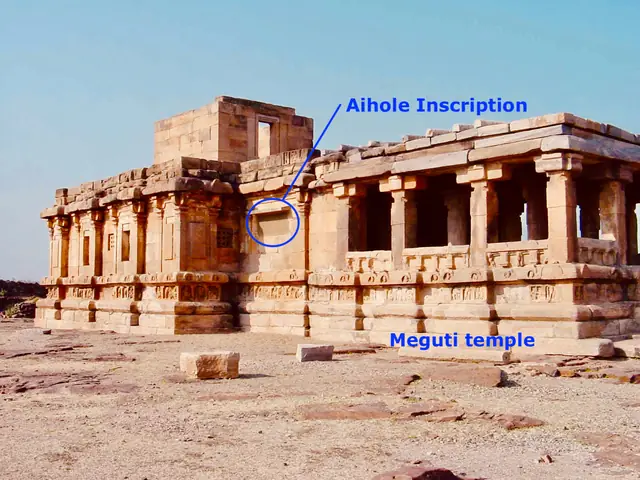
Aihole inscription of Ravikirti
30Inscription · 634–635 CE (Shaka 556; Kali 3735)

Aihole inscription of Ravikirti

A Sanskrit prashasti of the Chalukya king Pulakeshin II by the Jain poet Ravikirti, who built the temple.

Found
Wall of the Meguti Jain temple on the hill at Aihole, Bagalkot district, Karnataka
Kept at
In place
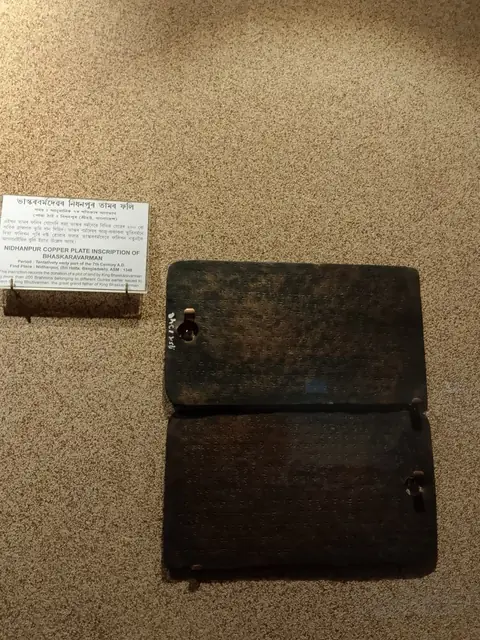
Nidhanpur copper plates of Bhaskaravarman
31Inscription · 7th century CE

Nidhanpur copper plates of Bhaskaravarman

Copper plates of Kumara Bhaskaravarman of Kamarupa, Harsha’s ally, renewing a land grant whose original plates had been burnt.

Found
Nidhanpur, Sylhet region (now in Bangladesh); found in 1912
Kept at
Published in Epigraphia Indica Vol. XII; present custody not confirmed here
Kedukan Bukit inscription
32Inscription · 683 CE (Shaka 605)

Kedukan Bukit inscription

A small stone in Old Malay, written in a Pallava-derived script, that is the earliest record of the Srivijaya kingdom.

Found
Kedukan Bukit, on the Tatang river at Palembang, South Sumatra; found in 1920
Kept at
National Museum of Indonesia, Jakarta
Canggal inscription of Sanjaya
33Inscription · 732 CE (Shaka 654)

Canggal inscription of Sanjaya

A Sanskrit inscription recording that King Sanjaya of Mataram set up a Shiva linga on a hill in Java.

Found
Gunung Wukir temple, Magelang, Central Java, Indonesia
Kept at
National Museum of Indonesia, Jakarta
Navsari plates of Avanijanashraya Pulakeshin
34Inscription · 739 CE (Kalachuri year 490)

Navsari plates of Avanijanashraya Pulakeshin

A land grant of the Chalukya prince of Lata that records how he threw back an Arab army trying to break into the Deccan.

Found
At Navsari, south Gujarat, in the 19th century
Kept at
Text edited in V. V. Mirashi’s corpus of Kalachuri-Chedi era inscriptions (1955)
Nalanda copper plate of Devapala
35Inscription · 9th century CE, reign of Devapala

Nalanda copper plate of Devapala

The Pala king Devapala grants five villages to a monastery at Nalanda built by Balaputradeva, the Shailendra king of Suvarnadvipa (Sumatra).

Found
In the excavation of Monastery 1 at Nalanda, 1921
Kept at
Archaeological Survey of India; text edited by Hirananda Sastri in Epigraphia Indica XVII
Gwalior prashasti of Mihira Bhoja
36Inscription · 9th century CE, reign of Mihira Bhoja (c. 836–885)

Gwalior prashasti of Mihira Bhoja

The Gurjara-Pratihara king Mihira Bhoja’s family history in Sanskrit verse, from the founder who stopped the Arabs to Bhoja himself.

Found
At the Sagar Tal, Gwalior; edited by R. C. Majumdar in 1925
Kept at
Text in Epigraphia Indica XVIII
Zero at the Chaturbhuj temple, Gwalior
37Inscription · 876 CE (Vikrama Samvat 933)

Zero at the Chaturbhuj temple, Gwalior

A temple endowment record in which the numeral zero is written as a small circle, the oldest such zero in stone whose date is certain.

Found
Inside the small rock-cut Chaturbhuj temple of Vishnu on the east face of Gwalior fort
Kept at
In place
Uttaramerur inscriptions on village elections
38Inscription · 919 and 921 CE (Parantaka I, years 12 and 14)

Uttaramerur inscriptions on village elections

The sabha of a Brahmana village wrote its own constitution on the temple wall: who may stand for its committees, how they are chosen, and who is barred.

Found
Walls of the Vaikuntha Perumal temple, Uttaramerur, Kanchipuram district, Tamil Nadu
Kept at
In place
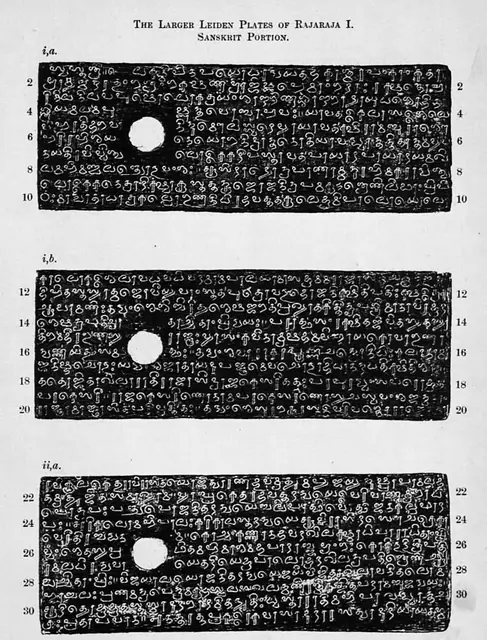
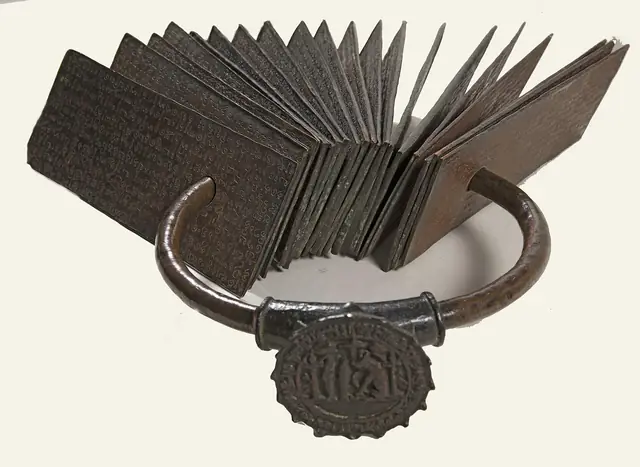
Larger Leiden copper plates
39Inscription · c. 1006 CE (21st year of Rajaraja I), issued under Rajendra I

Larger Leiden copper plates

A set of copper plates strung on a ring sealed with the Chola tiger, in Sanskrit and Tamil.

Found
Nagapattinam region, Tamil Nadu; taken to the Netherlands in the 18th century
Kept at
Leiden University Library, the Netherlands (Or. 1687)
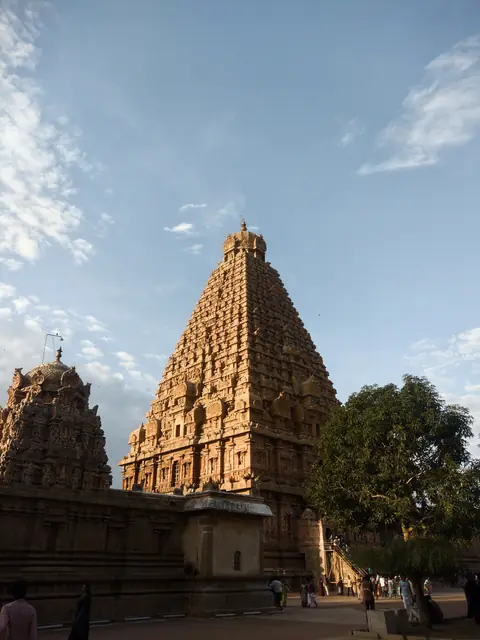
Inscriptions of the Brihadeeswara temple, Thanjavur
40Inscription · c. 1010–1014 CE (Rajaraja I)

Inscriptions of the Brihadeeswara temple, Thanjavur

The kalvettu (stone records) of Thanjavur, in Tamil, form the temple’s own ledger, ordered by Rajaraja himself.

Found
Carved round the base and walls of the Rajarajeshvaram (Brihadeeswara) temple, Thanjavur
Kept at
In place; the temple is a living temple and a UNESCO World Heritage Site
Tiruvalangadu copper plates of Rajendra Chola
41Inscription · c. 1018 CE (6th year of Rajendra I)

Tiruvalangadu copper plates of Rajendra Chola

The largest Chola copper-plate charter: a Sanskrit genealogy and a Tamil grant to the Shiva temple at Tiruvalangadu.

Found
Tiruvalangadu, Tiruvallur district, Tamil Nadu; found in the early 20th century
Kept at
Government Museum, Chennai
Sdok Kak Thom inscription
42Inscription · 1052 CE (Shaka 974)

Sdok Kak Thom inscription

A long Sanskrit and Khmer stele recording 250 years of a priestly family that served the Devaraja of the Khmer kings.

Found
Prasat Sdok Kak Thom temple, Sa Kaeo province, Thailand
Kept at
Bangkok National Museum
Lobu Tua Tamil inscription, Barus
43Inscription · 1088 CE (Shaka 1010)

Lobu Tua Tamil inscription, Barus

A Tamil stone record of the great merchant guild ‘the Five Hundred of the Thousand Directions’ at the camphor port of Barus.

Found
At Lobu Tua near Barus, on the west coast of North Sumatra, Indonesia; found in 1873
Kept at
National Museum of Indonesia, Jakarta
Harakeli Nataka slabs, Ajmer
44Inscription · 1153 CE (Vikrama Samvat 1210)

Harakeli Nataka slabs, Ajmer

Black stone slabs carrying a Sanskrit play written by the Chahamana king Vigraharaja IV himself, with a second play written in his honour.

Found
In the Adhai Din ka Jhonpra, Ajmer, built on the site of Vigraharaja IV’s college; recovered in the 19th century
Kept at
Government Museum, Ajmer
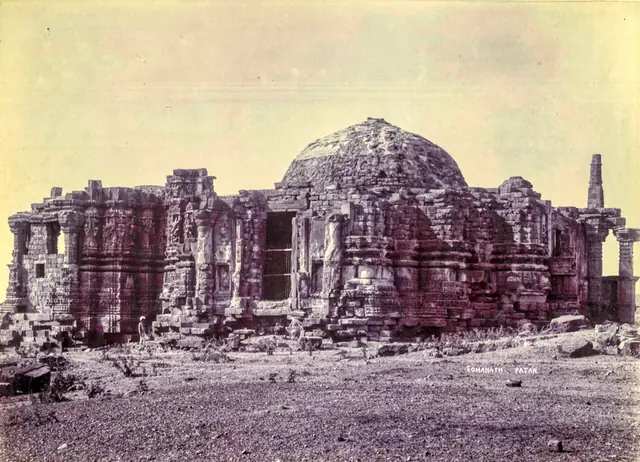
Prabhas Patan inscription of Bhava Brihaspati
45Inscription · 1169 CE (Valabhi Samvat 850)

Prabhas Patan inscription of Bhava Brihaspati

A Sanskrit record of the Pashupata acharya Bhava Brihaspati, who persuaded the Chaulukya king Kumarapala to rebuild the Somnath temple.

Found
Bhadrakali temple, Prabhas Patan (Somnath), Gujarat
Kept at
Prabhas Patan
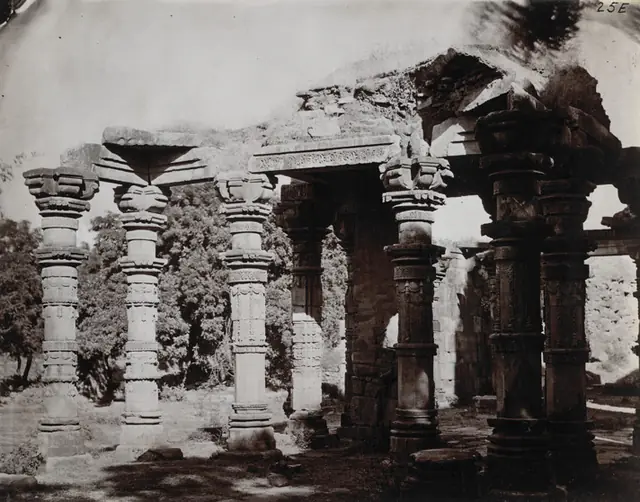
The Quwwat-ul-Islam mosque inscription
46Inscription · AH 587 (1191–92 CE)

The Quwwat-ul-Islam mosque inscription

The Persian foundation inscription of Delhi’s first mosque, which itself states that it was built from the materials of twenty-seven temples.

Found
Over the eastern gate of the Quwwat-ul-Islam mosque in the Qutb complex, Mehrauli, Delhi, on the site of Qila Rai Pithora
Kept at
In place (ASI, Qutb Minar complex)
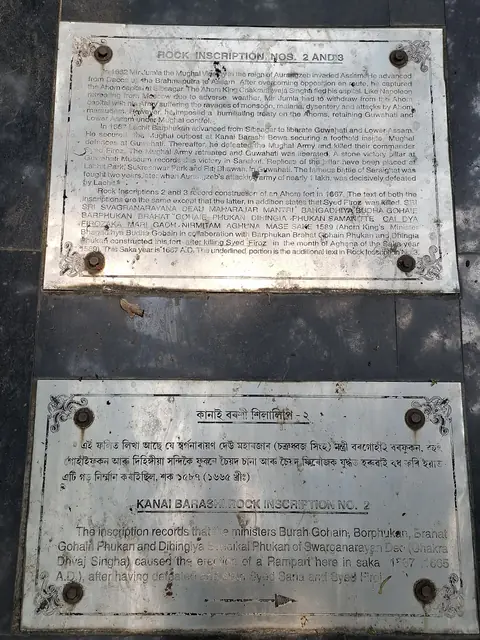
Kanai Barasi rock inscription
47Inscription · Shaka 1127 (1205/06 CE)

Kanai Barasi rock inscription

A one-verse Sanskrit record cut into the rock to say that the Turks who came into Kamarupa were destroyed.

Found
On a rock at Kanai Barasi Bowa, North Guwahati, on the north bank of the Brahmaputra
Kept at
In place, North Guwahati, Assam
Vilasa grant of Prolaya Nayaka
48Inscription · c. 1330 CE

Vilasa grant of Prolaya Nayaka

Copper plates of Prolaya Nayaka of the Musunuri family, who led the Andhra nayakas to throw off Tughluq rule after the fall of Warangal in 1323.

Found
At Vilasa village, East Godavari, Andhra Pradesh
Kept at
Known from its published text
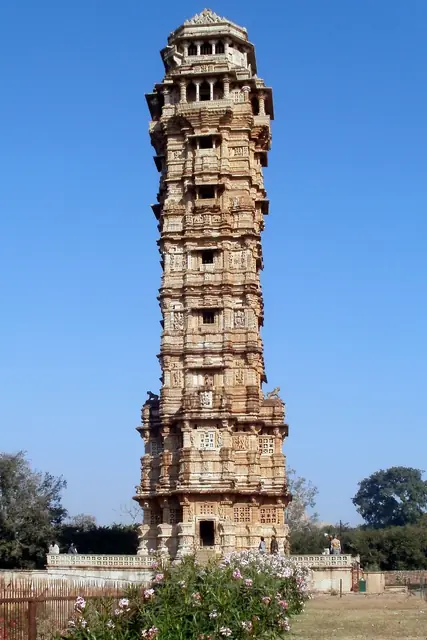
Kirti-stambha prashasti of the Vijay Stambh, Chittor
49Inscription · c. 1460 CE

Kirti-stambha prashasti of the Vijay Stambh, Chittor

The Sanskrit prashasti of Rana Kumbha’s nine-storey tower of victory, giving the line of the Mewar kings and their deeds.

Found
On slabs in the top storey of the Vijay Stambh, Chittorgarh fort
Kept at
In place, Chittorgarh fort (ASI); parts of the text survive
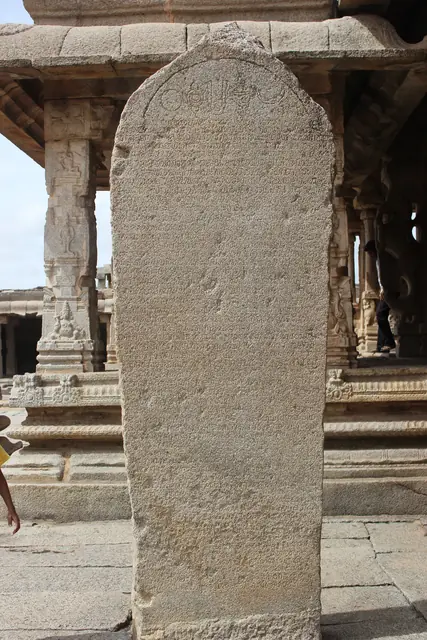
Krishnadevaraya’s inscription at the Krishna temple, Hampi
50Inscription · 1513 CE

Krishnadevaraya’s inscription at the Krishna temple, Hampi

A Kannada and Sanskrit record of the temple Krishnadevaraya built to house the image of Balakrishna he brought home from Udayagiri.

Found
Walls of the Balakrishna temple, Hampi, Vijayanagara district, Karnataka
Kept at
In place; the Balakrishna image is in the Government Museum, Chennai
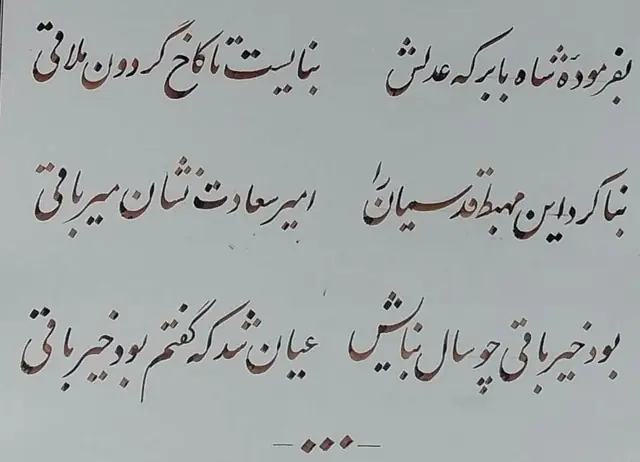
Persian inscriptions of the Babri mosque
51Inscription · AH 935 (1528–29 CE)

Persian inscriptions of the Babri mosque

Two Persian verse inscriptions that named Babur as the one who ordered the mosque and Mir Baqi as its builder, in AH 935.

Found
On the mosque at the Ram Janmabhoomi site, Ayodhya; recorded by A. Führer (1889) and translated by Annette Beveridge (1922)
Kept at
The slabs are not known to have survived the demolition of 6 December 1992; their texts survive in the published readings